Have you ever wondered if counting calories is enough? Sometimes, focusing on your macros, carbs, proteins, and fats, can really change how you eat and feel every day.
Macros work like fuel for your body: carbs give you energy, proteins help build and repair muscles, and fats keep you energized and help your body use vitamins and minerals. Think of it like putting the right gas in your car.
When you balance your macros, you might notice your workouts get tougher in a good way and your recovery becomes smoother. Ever find that a small change in your diet makes a big difference? That’s the power of tweaking your macros.
So stick around as we break down these building blocks in simple, everyday language. You’ll see how getting your macros right can lift your energy and boost your overall health.
Defining Macronutrients: What Are Macros in Nutrition?
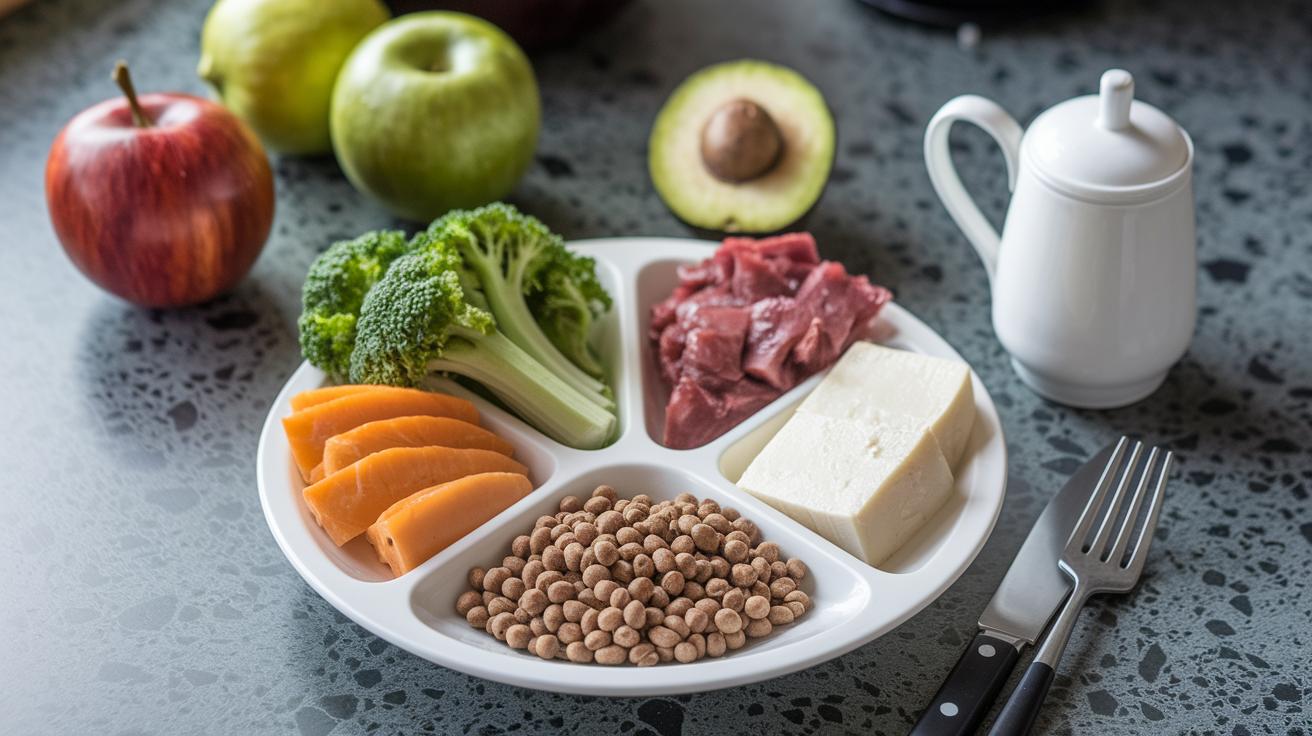
Macros is just a quick way to say the three key nutrients your body uses every day: carbohydrates, proteins, and fats. Carbohydrates work as your main fuel. When you eat foods like whole grains or fruits, your body turns them into glucose, a type of sugar that quickly becomes energy (ATP) to power you through your day. And if there’s extra glucose, your body stores it as glycogen in your muscles and liver, ready to be tapped into when you really need that burst of energy.
Proteins, found in lean meats, beans, and dairy, break down into amino acids. Think of these amino acids as little building blocks that fix up and build your muscles, skin, and other tissues. Then there are fats, which you typically get from foods like nuts, oils, and seeds. Fats help keep your blood sugar steady, make you feel full longer, and even help your body absorb vitamins A, D, E, and K.
Experts usually suggest aiming for 45–65% of your daily calories from carbohydrates, 10–35% from protein, and 20–35% from fat. For protein, a common starting point is about 0.8 grams per kilogram of body weight, so if you’re around 150 pounds, that’s roughly 54 grams a day.
Macronutrient Types: Carbs, Proteins, and Fats in Nutrition

Carbohydrates are like your body's starting boost. When you digest them, they break down into sugars that give you quick energy, and any extra gets stored in your muscles and liver as glycogen for later. It’s best to choose whole grains and fruits because they release energy steadily, unlike refined sugars which offer a quick spike. Think of them as high-quality fuel for your engine.
Proteins break down into amino acids that help repair and build your body. They start working in your stomach and finish up in the small intestine. These amino acids are the building blocks for your muscles, enzymes, and hormones. Foods like lean meats and dairy offer complete proteins, while beans can be paired with other foods to get all the essential amino acids. In short, proteins are your body’s blueprints for strength.
Fats are handled a bit differently. With the help of bile in your small intestine, fats break down so your body can use them. Once they’re processed, fats help your body absorb vitamins, balance hormones, and build cell membranes. It’s important to note the difference between saturated and unsaturated fats; for example, fatty fish and nuts deliver healthy fats that also help keep blood sugar levels steady. Picture fats as the behind-the-scenes team that keeps everything running smoothly.
| Macro | Primary Function | Common Food Sources |
|---|---|---|
| Carbohydrate | Breaks down into sugars for energy; stored as glycogen | Whole grains, fruits, starchy vegetables |
| Protein | Turns into amino acids for muscle repair and building enzymes | Lean meats, beans, dairy |
| Fat | Helps with vitamin absorption, hormone balance, and cell membranes | Fatty fish, nuts, oils, seeds |
Macronutrients Versus Micronutrients: Key Differences in Nutrition

Macronutrients and micronutrients each have their own important jobs in your body. Macronutrients include things like carbs, proteins, and fats, and you need them in larger amounts. They give you energy, help fix up your muscles, and keep you moving, just like fueling up a car. For instance, when you dig into a bowl of oatmeal, the carbs turn into sugars that power your muscles.
Micronutrients, such as vitamin C, vitamin D, iron, and zinc, are needed in much tinier amounts, measured in milligrams or even micrograms. They don’t add extra calories, but they make sure your body runs smoothly by helping enzymes work and boosting your immune system. Think of them like spark plugs in an engine, small parts that keep everything running well.
Both types work together like pieces of a puzzle. Macronutrients pack the energy you need, while micronutrients help with important processes and repairs. Even a tiny missing piece, like not enough vitamin C, can throw off the whole balance and affect how well your body uses the energy from carbs, proteins, and fats.
Recommended Macro Ratios for a Balanced Nutrition Plan
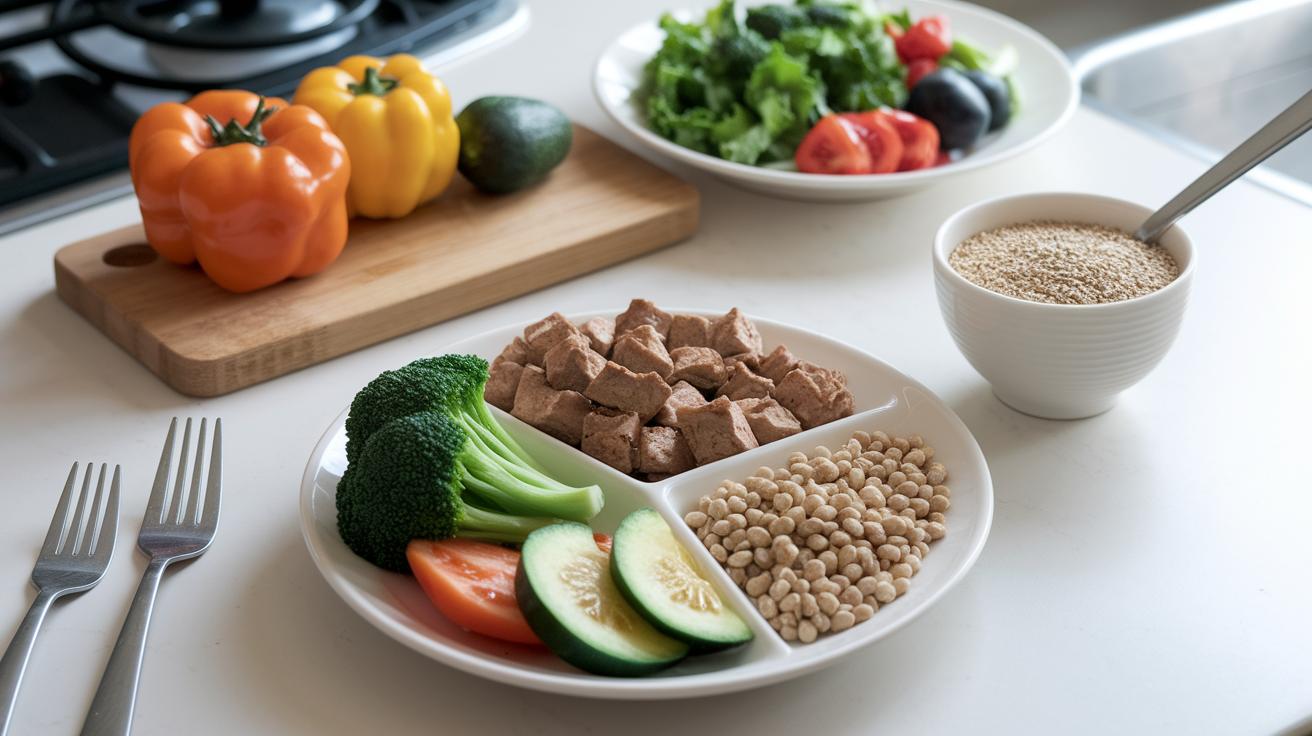
If you're aiming to lose weight, try tweaking your daily macros. Aim for about 40–50% of your calories from carbs, 25–30% from protein, and 25–30% from fat.
Here's a handy tip: To keep your muscles strong while cutting calories, shoot for at least 0.8 grams of protein per kilogram of your body weight. For instance, after a hard workout, a snack like turkey slices can really help curb your hunger until your next meal.
A simple way to plan your meals is the plate method. Fill half of your plate with fruits and veggies, one quarter with protein sources, and the remaining quarter with whole grains or starchy carbs. Picture this: your dinner might look like a plate bursting with fresh veggies, a quarter full of grilled chicken, and another quarter with brown rice. Each bite keeps you on track with a balanced plan.
This method shows up on many balanced nutrition charts.
Counting Macros: Tools and Techniques for Tracking Nutrition

Macro counting lets you keep track of the grams of carbs, protein, and fat you eat. It’s more than just counting calories, it shows you where those calories come from. Think of it like checking not only how much fuel you're putting in but also what type of fuel it is.
Many people love this approach because it means you can be flexible with your diet. Known as IIFYM (If It Fits Your Macros), it lets you fit in a treat or a favorite snack now and then, as long as it matches your daily targets. Apps like MyFitnessPal and Cronometer make it easy by letting you log your food and watch your macro ratios without feeling tied down to a strict meal plan.
Here’s a simple way to get started:
- First, calculate your Total Daily Energy Expenditure (TDEE), which is just a fancy term for the number of calories you need each day.
- Next, choose the macro ratios that match your goals, whether you’re trying to lose weight, maintain your current shape, or build muscle.
- Then, enter your targets into a tracking app so your numbers serve as a daily guide.
- After that, check nutrition labels to accurately log the grams of carbs, protein, and fat.
- Finally, adjust your plan each week based on your progress and how your body feels.
By following these steps and using the right tools, you can fine-tune your diet to boost your workouts, maintain steady energy, and support overall health.
what are macros in nutrition: Nourish Your Insight

Ever notice how a smart meal can totally change your day? When you stick to a simple plan, think about 40% carbs, 30% protein, and 30% healthy fats, you’re setting up your body for success. This mix powers your workouts, keeps your hunger in check, and even helps your muscles bounce back after exercise.
For breakfast, why not go with a bowl of oats? It gives you about 30 grams of good carbs to kickstart your morning. Mix in some egg whites for 20 grams of protein and add a spoonful of almond butter for 10 grams of fat. It’s like a warm, energizing hug to start your day right.
At lunch, try swapping in lean chicken breast, which packs 30 grams of protein to help build strength. Add a serving of quinoa for roughly 40 grams of carbs and toss in a few avocado slices for around 15 grams of healthy fat. This combo not only fuels you for the afternoon but also keeps you feeling satisfied.
Come dinner, enjoy a tasty balance by choosing salmon. It offers about 25 grams of protein and 15 grams of fat, and when paired with a sweet potato delivering around 35 grams of carbs plus a side of steamed broccoli, it makes for a hearty, balanced meal.
For snacks, you can grab some Greek yogurt with berries, munch on a handful of nuts, or sip on a protein shake. A little tip: try batch-cooking your protein and portioning it out with measured carbs and fats. If you need a little extra guidance, check out the balanced nutrition diet chart for some easy sample ideas on meal prep.
Advanced Macronutrient Strategies for Weight and Performance Goals

If you're working toward a new body shape or hoping to boost your workout power, tweaking your macronutrients might be the secret sauce. For weight loss, you want to eat just a little less than what you burn while keeping your protein intake steady at about 1.2 to 1.5 grams per kilogram of body weight. This trick helps you drop fat yet keeps your muscles strong.
On the flip side, if your goal is to build muscle, try adding a small extra amount of calories to your daily intake while still aiming for that 1.2 to 1.5 g/kg of protein. Carbs are important to fuel those tough workouts, and healthy fats give you long-lasting energy and help your body balance its hormones. Think of it as giving your body both the building blocks and the fuel it needs to get stronger.
Before your workout, consider a snack of fast-digesting carbs mixed with a little protein. Imagine a small bowl of fruit with a bit of low-fat yogurt, it can give you that quick burst of energy to power through your exercise.
After training, it's all about recovery. Pairing some protein with carbs, like a protein shake mixed with a banana, can help start the muscle repair process and replace the energy you just used. Planning your meals around your workouts is a smart way to keep your energy up and help your muscles recover.
And most importantly, listen to your body. Adjust these tips as you go, and you'll be on track to hit your weight and strength goals while feeling great along the way.
Final Words
In the action, we walked through macronutrients using simple terms explaining carbs, proteins, and fats while breaking down their roles in energy and repair. We touched on practical tracking tools, macro ratios, and meal planning. Each section showed how planning your diet can boost performance and overall health. Remember, knowing what are macros in nutrition helps you confidently set up balanced meals that fuel your workouts and daily hustle. Keep experimenting with your food and stay motivated every step of the way.
FAQ
Q: What is a macro calculator?
A: The macro calculator helps you determine your daily grams of carbs, protein, and fats by using your energy needs and goals, making it easier to plan your meals.
Q: What are some examples of macronutrients and their food sources?
A: Macronutrient examples include whole grains and fruits for carbs, lean meats and beans for protein, and oils and nuts for fats—all of which supply energy and help repair tissues.
Q: How do I figure out my macros?
A: Figuring out your macros involves calculating your total daily energy needs, selecting the right nutrient ratios, and tracking your food intake with an app to match your fitness goals.
Q: What macros should I follow for weight loss, especially for females?
A: For weight loss, a common plan uses roughly 40–50% carbs, 25–30% protein, and 25–30% fat. Females may adjust these ratios slightly based on calories and activity levels.
Q: What are the major macronutrients?
A: The major macronutrients are carbohydrates, proteins, and fats. Sometimes alcohol is tracked as a fourth macro, but standard nutrition focuses on the three main ones.
Q: How do I start counting macros as a beginner?
A: Beginners can start by calculating their energy needs, logging food with a tracking app, and reading nutrition labels to accurately record grams of carbs, proteins, and fats.
Q: What is a macro food list?
A: A macro food list groups foods by their key nutrient focus—like fruits and grains for carbohydrates, lean meats and legumes for proteins, and nuts and oils for fats—to simplify meal planning.