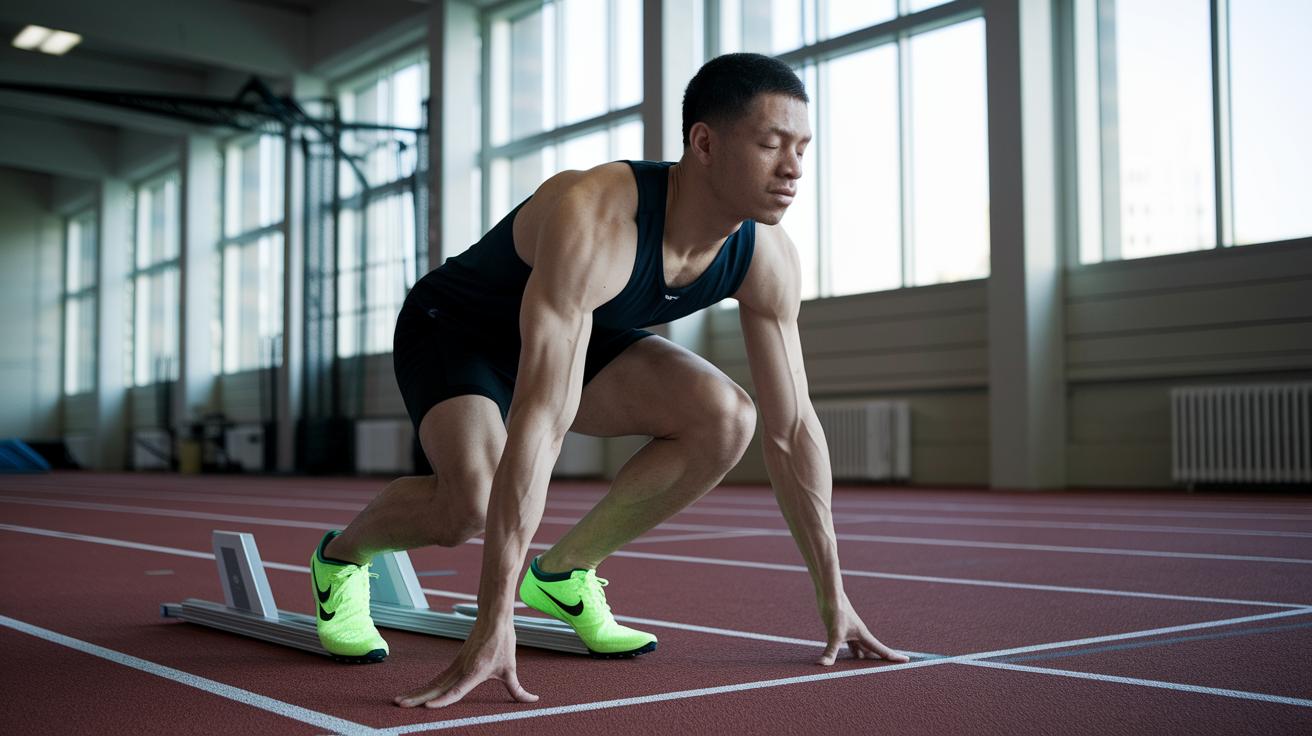
Have you ever thought about how your mind can help you win a race? Try picturing every move in your head before you actually do it. Imagine rehearsing your perfect swing or a flawless run while you’re still sitting down. Athletes use this simple trick to ease stress and sharpen their focus so that every move counts. In this post, we’ll chat about how practicing in your mind can give you a boost, linking your thoughts to your actions for that extra edge.
How Visualization Exercises Enhance Athletic Performance

Visualization exercises let you work out in your mind. Picture yourself stepping through each move as if you’re actively practicing, it’s like rehearsing a play in your head. Imagine a runner focusing on every stride and breath, getting their body ready to move perfectly. This kind of mind training builds up your confidence and sharpens your focus, all while helping to ease stress and jitters. Many athletes lean on these techniques to handle pressure during big competitions, making sure their mood matches their training.
On top of that, picturing your moves helps tie your brain and body together. When you visualize success over and over, you engage the same brain paths as you do during the actual activity, making it easier to remember skills and react faster. Even if you’re sidelined by an injury, imagining the perfect swim stroke or a flawless free throw keeps your technique sharp and your drive alive. Mixing these mental exercises with physical training creates a balanced routine that prepares both your mind and body to perform at their best.
Mental Imagery Drills for Athletic Performance
Athletes can boost their skills by using mental imagery drills. There are two main ways to do this. The first method is process visualization. Picture yourself going through every move step-by-step, almost like you’re practicing in your head. It’s like setting up your routine as if it were a dance, where each move flows into the next.
The other way mixes up first-person and third-person views. When you use the first-person view, you see everything just like it happens in real life. With the third-person view, you watch yourself from a distance to check your form and strategy. Both approaches activate the same parts of your brain as actual practice, making your mind workout almost as real as the physical one.
Try mixing these drills into your routine:
- Process visualization: Imagine every step of your movement clearly.
- Dual-perspective rehearsal: Switch between seeing through your own eyes and watching yourself from the outside.
Using these mental drills not only sharpens your skills but also builds your confidence and focus. Think of a basketball player who envisions a perfect throw before taking the shot. Give these techniques a try and feel the difference when it counts.
Step-by-Step Cognitive Rehearsal Practices for Athletic Performance
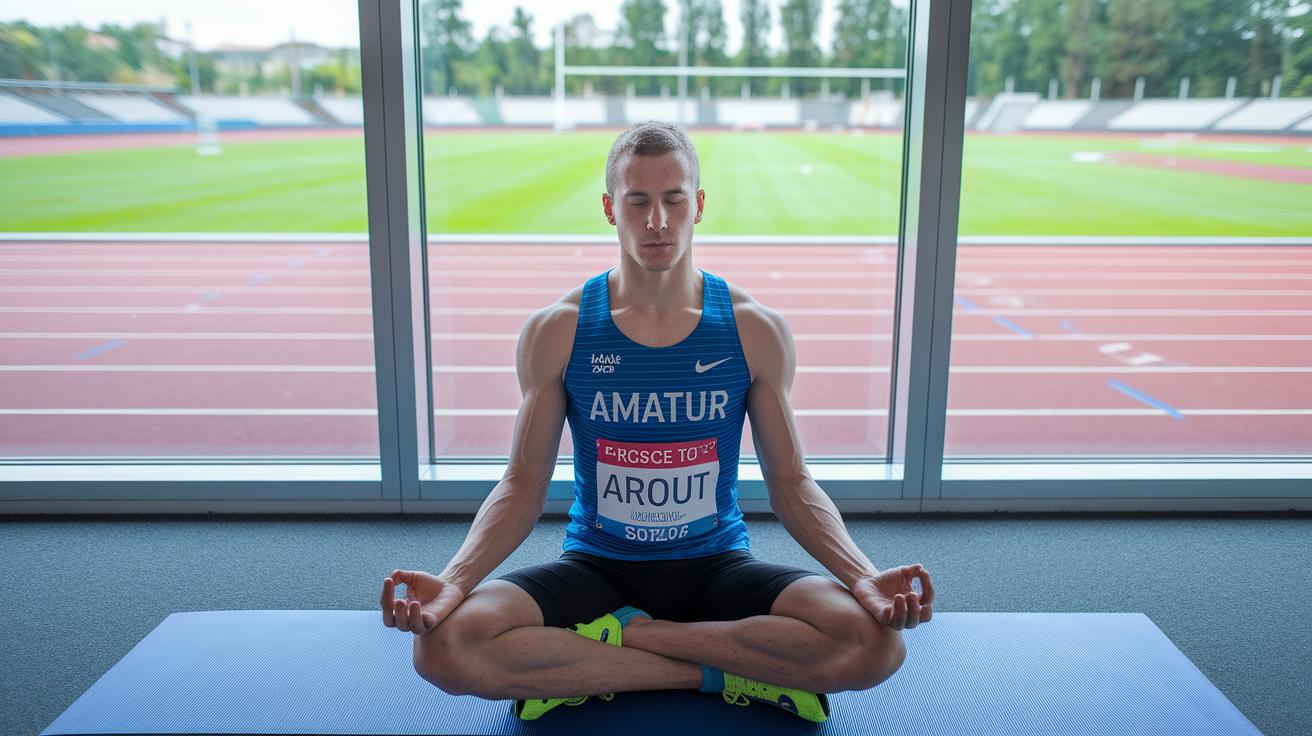
First, find a nice, quiet spot where you feel at ease. Picture yourself settling in a calm space with distractions fading away. Fun fact: many top athletes say even a little peace helps boost their performance.
Next, close your eyes and take some slow, deep breaths. Feel your chest rising and falling as you relax your body and mind. This simple step gets you ready to focus and map out your goals.
Now, imagine each movement in detail. Picture every muscle contracting and relaxing, and feel the cool air on your skin. Use your senses: see the track ahead, hear your heartbeat, and feel the energy in your limbs. This builds a strong, champion mindset.
Then, replay the sequence in your mind. Look for spots where you can improve and celebrate the moves you nailed. Think of it like a little coaching session with yourself.
Try to do this daily. Just like practicing a play over and over, each session boosts your mental readiness.
And if you can, work with a coach or mentor for feedback. Their advice can help you fine-tune your visualization and take your performance to the next level.
Scientific Evidence Behind Visualization Exercises for Athletic Performance

Research shows that picturing your moves in your head does more than pump you up for action. When you imagine each step, your brain builds new paths that make your muscles remember the motion. Picture an athlete running through every part of their routine in their mind. Studies have found that this practice helps them react faster and keep good form without any extra physical strain.
Sports psychology tells us that regular mental practice lights up the same parts of the brain that physical training does. It’s like giving your head a workout on its own. One study even showed that athletes who used mental imagery drills moved smoother and more efficiently during their actual performance.
Think about a gymnast seeing every twist and turn of a flawless routine in their mind. This kind of visualization boosts confidence and helps the body lock in the perfect movements. Each time you practice, the repeated images strengthen your brain’s links to your muscles, getting you ready to perform under pressure.
In short, scientific proof tells us that mental visualization not only sharpens your physical responses but also changes the way your brain guides your body during tough competitions.
Sport-Specific Visualization Exercises for Athletic Performance
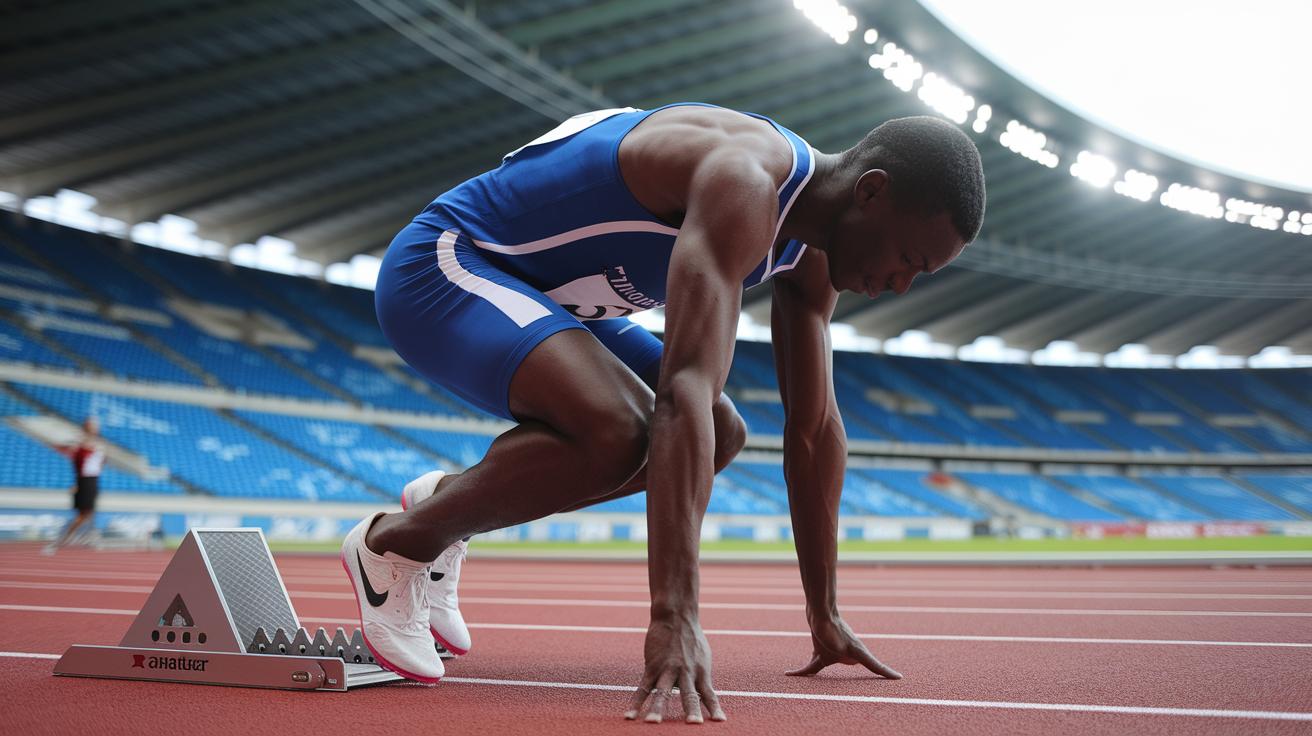
Think about a track runner standing at the starting blocks, taking a moment to picture every movement before the starting gun fires. They create a vivid mental movie where they see themselves exploding from the blocks and settling into a smooth, steady stride. This little rehearsal helps them zero in on a winning game plan while sharpening their focus.
On the basketball court, players do something similar. They imagine every aspect of their free throw, from the perfect curve of the ball in the air to that satisfying swish as it passes through the net. They can even feel the court beneath their sneakers, turning nervous energy into bold confidence.
Swimmers get into the zone by visualizing their every stroke. In their mind, they see the water rippling and hear the gentle splash as they cut through the pool. This clear picture not only keeps them alert but also helps them switch smoothly between strokes.
Weightlifters also benefit from a bit of mental mapping. They picture each step of their lift, from the firm grip on the bar to the deep, synchronized breath that powers them through. By rehearsing these details in their head, they dodge missteps and build strength both on the inside and out.
Picture this: you locking in a flawless free throw, the kind of confidence that comes from a solid mental rehearsal. These sport-specific visualization techniques let athletes see success before it even happens, paving the way for better performance when it really counts.
Integrating Visualization Exercises into Athletic Training Routines
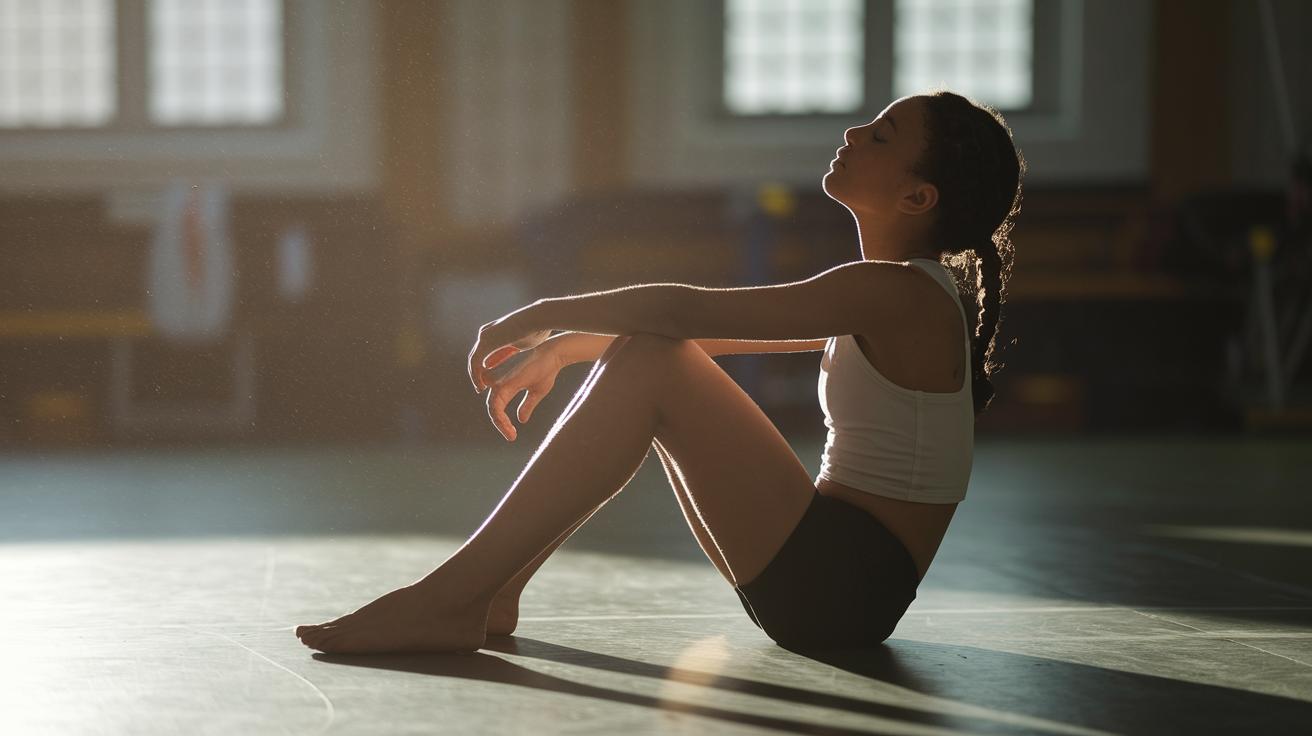
Start your session with a clear plan. After your warm-up or during active rest, take a few minutes to practice visualization. Picture it like giving your brain a mini workout, just like your muscles. For instance, after a quick warm-up, spend three minutes closing your eyes, taking a deep breath, and imagining a flawless sprint.
Build a regular mental practice by setting aside time solely for this exercise. During these moments, map out each move in your sport. Think of it like a basketball player seeing the perfect curve of a free throw before making it.
It might also help to work with a coach or performance expert who can offer tips on your imagery. Their advice can boost your mental game while helping you build a champion mindset. Consistency really matters, just like regular physical training builds muscle, a steady mental routine sharpens your focus and creativity.
Keep these simple reminders in mind:
| Tip | Why It Helps |
|---|---|
| Short sessions after warming up | Refreshes focus and energy |
| Deep breathing exercises | Calms the mind and improves concentration |
| Regular check-ins with a mentor | Provides guidance and honest feedback |
By blending your physical and mental practices, you create a balanced routine that gives you the confidence to shine when it counts the most.
Overcoming Challenges with Visualization Exercises for Athletic Performance

Sometimes, visualization exercises can be tougher than they seem. You might find it hard to keep a clear picture in your mind, or even wonder if the whole thing is worth it. When your focus fades or your mental images seem blurry, the exercise might feel less effective. So, try starting with small, guided steps that build your focus over time.
- Progressive vividness drills: Slowly work on creating sharper mental pictures, bit by bit.
- Regular check-ins: Take time to see how well you're doing and spot areas that could use a boost.
- Mental triggers: Use little cues that spark your inner drive when your focus starts to slip.
- Buddy systems: Train with a friend so you can both keep each other on track and motivated.
Stick with these steps, and you'll build a mindset that overcomes doubt and makes it easier to concentrate during every session.
These simple strategies turn everyday challenges into steps towards better performance. By checking your progress and sticking to a plan, you'll develop the mental toughness needed to thrive under pressure.
Final Words
In the action, we covered how clear mental imagery drills and step-by-step cognitive rehearsal practices can boost athletic performance. We looked at how focusing on visualization exercises for athletic performance builds new neural pathways, sharpens focus, and enhances confidence. Breaking down each method into simple steps helps make these techniques accessible for all training levels. Keep practicing and fine-tuning your mental rehearsal routines to feel the powerful impact during workouts. Every session brings you closer to harnessing a stronger, more resilient body and mind.
FAQ
What are some free visualization exercises for athletic performance?
Free visualization exercises involve using guided mental imagery to rehearse sports skills. They include relaxation techniques and detailed sensory practice that boost focus and performance without any cost.
What is a sports visualization script?
A sports visualization script is a structured guide that walks athletes through imagining every detail of their performance. It provides prompts for deep breathing, sensory detail, and step-by-step mental practice.
What are the best visualization exercises for athletic performance?
The best visualization exercises involve process visualization, where you mentally rehearse each movement in detail, and sensory imagery exercises that simulate competitive scenarios to build a strong mind-body connection.
What does “sport visualization for the elite athlete PDF” refer to?
This term usually refers to a document outlining advanced imagery techniques and routines designed to improve focus, build mental resilience, and refine performance for high-level athletes.
What benefits does visualization offer in sports?
Visualization in sports helps improve focus, reduce anxiety, and enhance skill retention. It builds strong neural connections, aids in managing stress, and supports overall performance without physical wear.
Which famous athletes use visualization techniques?
Famous athletes like Michael Phelps use visualization by mentally practicing their routines, managing competition nerves, and building confidence through regular, detailed mental rehearsals.
How does visualization work in sports psychology?
Visualization in sports psychology means using mental imagery to condition the mind and reduce anxiety. It taps into brain plasticity to form new neural pathways that support improved athletic performance.
How can an athlete practice visualization effectively?
Practicing visualization means finding a quiet spot, closing your eyes, and mentally rehearsing each movement with rich detail. For example, a basketball player might vividly picture their free-throw routine before a game.
How did Michael Phelps use visualization to enhance his performance?
Michael Phelps used visualization by mentally rehearsing every aspect of his races. He pictured his strokes, breathing, and turns, creating a clear mental image that helped him perform at his best in competitions.