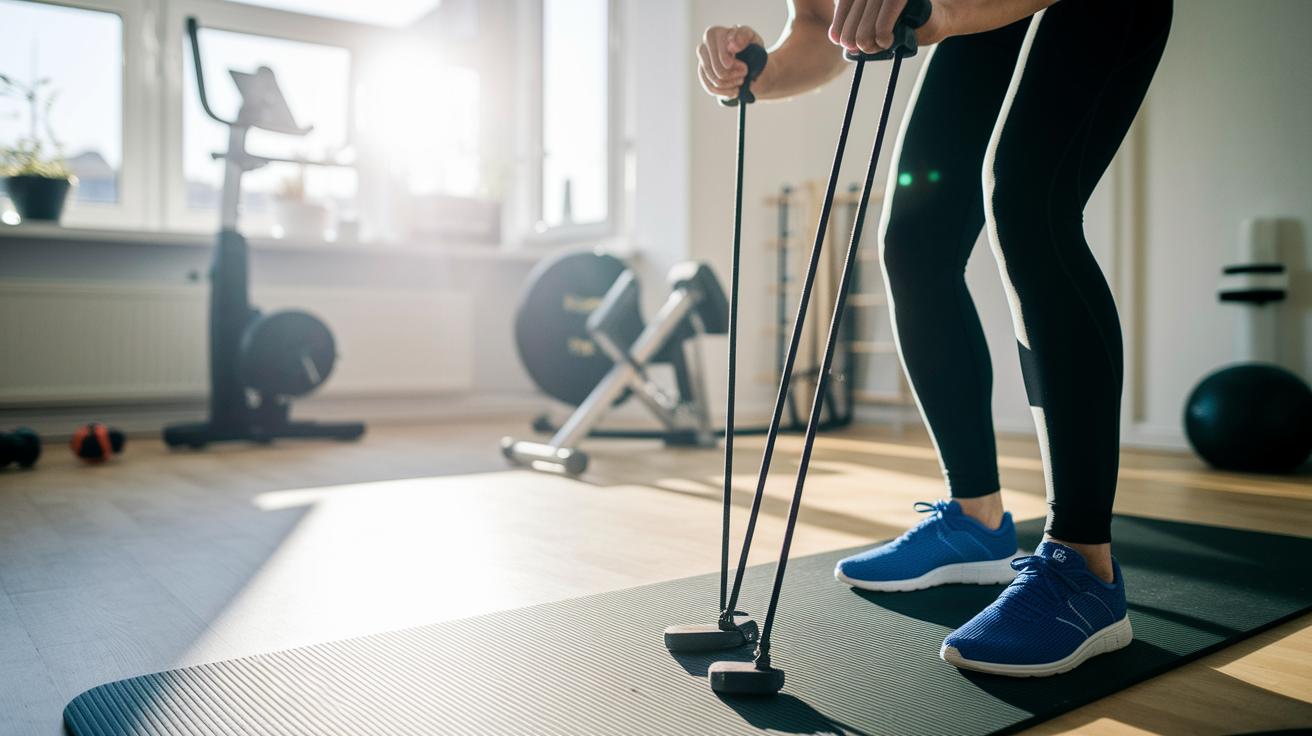
Have you ever thought that a simple rubber band could change your workout? These bands help you hit every muscle with moves like squats, lunges, and presses – all without lugging around heavy weights.
Imagine feeling that steady burn building your strength just a bit more each time you use it. It’s like collecting small wins that add up to big improvements.
In this post, we’ll walk through easy steps to boost your whole-body power while keeping your form clean and safe. So, grab your band and get ready to add a fun, simple twist to your workout routine.
Essential Resistance Band Exercises for Beginners
Resistance bands let you practice seven key moves like squats, hinging, lunges, pushes, pulls, twists, and even the way you walk. They work out your whole body. When you're starting out, try doing three sets of 10 to 15 moves for each exercise. Keep the band stretched during both the lift and the lower to keep your workout smooth and safe.
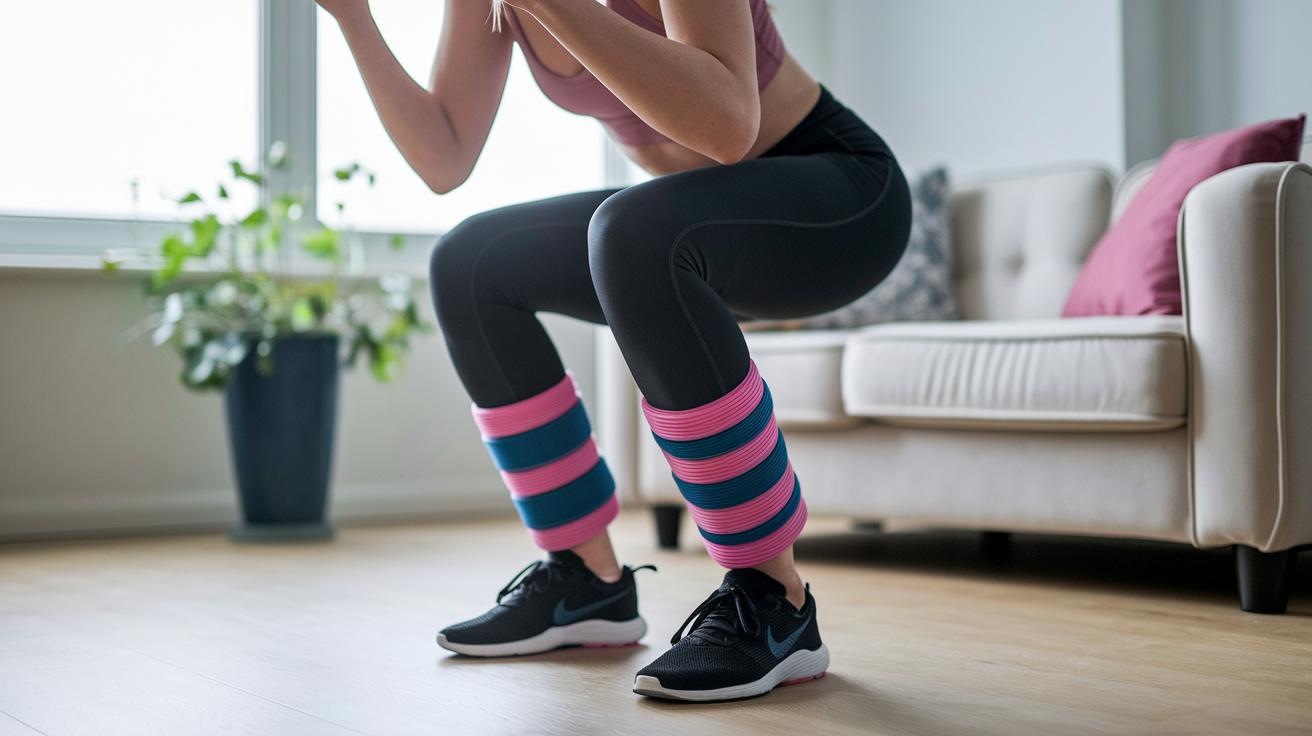
Crab Walks get your core and side strength working. Wrap the band around your ankles, squat low, and step sideways. Imagine moving like a little crab to build those hidden stabilizer muscles.
Resistance Band Squats help strengthen your glutes, quads, and hamstrings. Place the band under your feet and hold the top part in front of you. Then, squat like you're sitting on an invisible chair. Keep your feet shoulder-width apart and your back straight. Stand strong, squat deep, and feel that controlled burn!
The Overhead Shoulder Press focuses on your shoulder muscles. Using the same front hold, press the band straight above your head and then lower it slowly. Make sure your back stays straight and your moves are controlled.
Reverse Wood Chops work your side muscles and help stabilize your shoulders. Secure the band at a low point and twist your torso as you pull it diagonally across your body. This slow and steady twist builds your rotating strength.
Romanian Deadlifts target your hamstrings and lower back. Stand on the band with your feet shoulder-width apart, hinge at the hips, and lift up by squeezing your glutes. It’s all about feeling the burn in your legs and back.
Seated Rows bring your back muscles into action. Anchor the band low and pull it toward you with smooth, steady movements that really engage those muscles.
Finally, Knee Extensions and Core Rotations sharpen your leg power and boost abdominal strength. Keep the band securely anchored and move slowly. Think “steady and strong” as you work each area.
Resistance Band Exercises for Targeted Muscle Groups
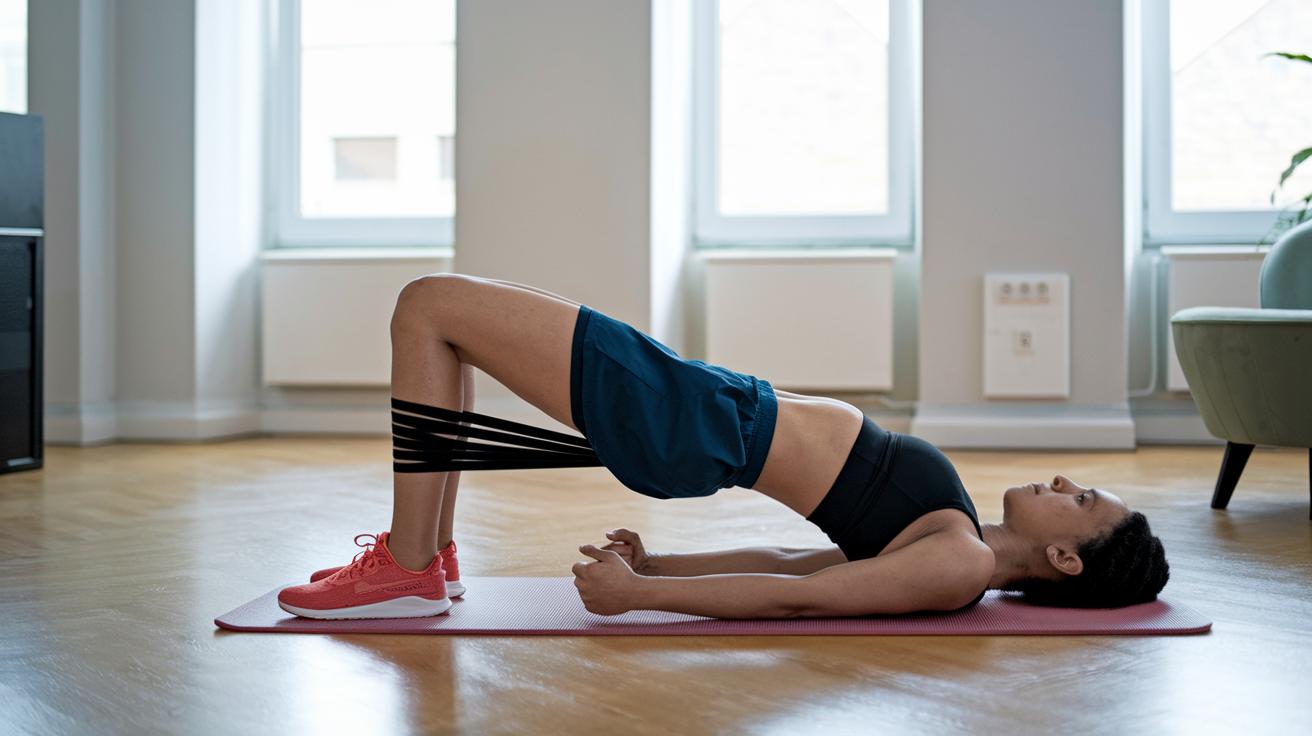
Resistance bands make it easy to focus on specific muscles right at home. They're perfect for giving your lower body a boost. Try moves like glute bridges, lateral band walks, hip abductions, and calf raises. For example, in a glute bridge, loop the band over your hips, lie on your back, and push your hips upward like you're reaching for the sky. You should feel that gentle pull all along your lower body. With lateral band walks, take small side-to-side steps while keeping the tension on the band. It really works your outer thighs and glutes!
Now, if you're looking to work your upper body, give biceps curls, triceps kickbacks, band pull-aparts, and chest presses a shot. For biceps curls, grasp the band with both hands and slowly lift it, just like you're gently lifting a weight. When doing triceps kickbacks, lean forward a little and extend your arm behind you, making sure the band stays tight. And with band pull-aparts, stretch your arms out to the sides and pull the band apart, you’ll feel it working your upper back and shoulders.
Want to strengthen your core? Exercises like anti-rotation band walkouts, wood chops, and Russian twists are a great choice. For wood chops, secure the band low, twist your torso, and imagine you're clearing obstacles with every move. It’s a fun way to add extra challenge and variety!
| Lower-Body Exercises | Upper-Body Exercises | Core Exercises |
|---|---|---|
| Glute bridges, lateral band walks, hip abductions, calf raises | Biceps curls, triceps kickbacks, band pull-aparts, chest presses | Anti-rotation walkouts, wood chops, Russian twists |
Practice these moves at a pace that feels right for you, and always keep the band under steady tension. Keep at it, and you'll see progress before you know it. Enjoy your workout!
Resistance Band Exercises: Boost Your Strength

Start your workout with this full-body circuit that mixes strength moves with a bit of cardio. Do 10 reps of each: band squat to overhead press, bent-over row, alternating reverse lunge, chest fly, plank with band row, and band-resisted mountain climbers. Try to complete as many rounds as you can in 4 rounds (that's what AMRAP means) with a quick rest of 15–30 seconds between exercises. This routine gets your heart pumping while you build muscle endurance.
Imagine each rep with focus, push hard during the squat and lift up like you're channeling all your energy. Think of each squat as a burst of power that lights you up from the inside, almost like tiny fireworks sparking in your muscles.
Keep your moves slow and controlled as you lift and lower the band. Each exercise is gentle on your joints, so you can work hard without any extra strain. And when you start feeling confident, try using a stronger band or cutting your rest time to really push your limits.
Always focus on your form: stand tall during the bent-over row, tighten your core for the chest fly, and don’t forget to breathe steady during the mountain climbers. This workout is easy to adjust, change the band’s resistance or slow down your pace to match your comfort level. Enjoy the challenge and love that burn with every round, knowing you're getting stronger with every rep!
Resistance Band Exercise Variations and Progressions

Once you get comfortable with the basic moves, mix things up with some new twists to keep your muscles guessing. A quick way to do this is by slowly increasing the band resistance from light to medium and then to heavy. This small change can turn a move you know well into a fresh and exciting challenge.
You can also change the game by adjusting your band length or changing your stance width. Even slight tweaks like these make your workout feel new and help you get more out of each repetition. And hey, why not try mixing in some tempo changes? For example, lowering the band slowly for about three seconds can really light a fire under those muscles.
If you’re ready to push yourself further, try stepping up from single-limb exercises to moves that work both sides of your body at the same time. Think about incorporating exercises like plyometric squat jumps with the band, a chest press using a stability ball, or even a single-arm wood chop without letting your body twist too much. These moves bring a higher level of intensity while keeping your form in check.
But if you’re in the mood for something a little gentler, you can always reduce the range of motion or choose a lighter band. Simple changes like doing exercises while seated can also boost your safety and control. Experimenting with these small adjustments will give you variety and steady progress in your strength training journey. Keep challenging yourself and enjoy every step along the way.
Equipment Guide: Choosing and Using Resistance Bands Safely
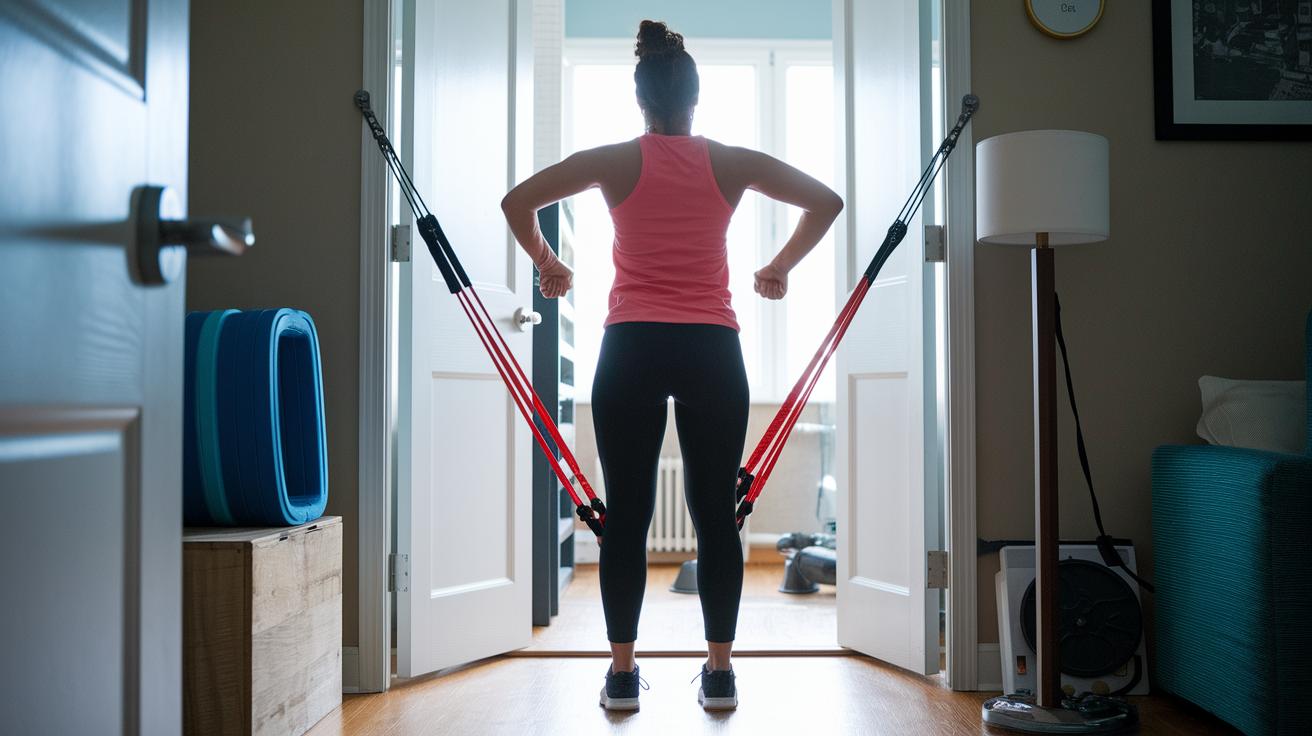
When picking out workout gear for your home, resistance bands are a smart and fun option. They let you do strength exercises using their stretchiness, which keeps your routine fresh. There are a few types: loop bands in mini or figure-8 shapes, tube bands with handy grips, and flat therapy bands designed for gentle moves.
Bands come in different strength levels too. For instance, extra light (yellow) bands work best for smooth rehab sessions, while extra heavy (black) bands are perfect if you’re after some serious power moves. Always take a minute to check your band before each workout, look for nicks or signs of wear. When you anchor it to something sturdy like a door or bench leg, it stays safe, and remember not to stretch it more than 2.5 times its original length to avoid any sudden breaks.
Taking care of your bands is easy. Keep them stored in a cool, dry spot away from heat and sunlight to help them last longer. A little extra care and regular checks mean your bands will continue to support your workouts seamlessly. Pick the right band for your goals, and you'll enjoy steady progress and a safer workout every time.
Weekly Planning: Integrating Resistance Bands into Your Routine
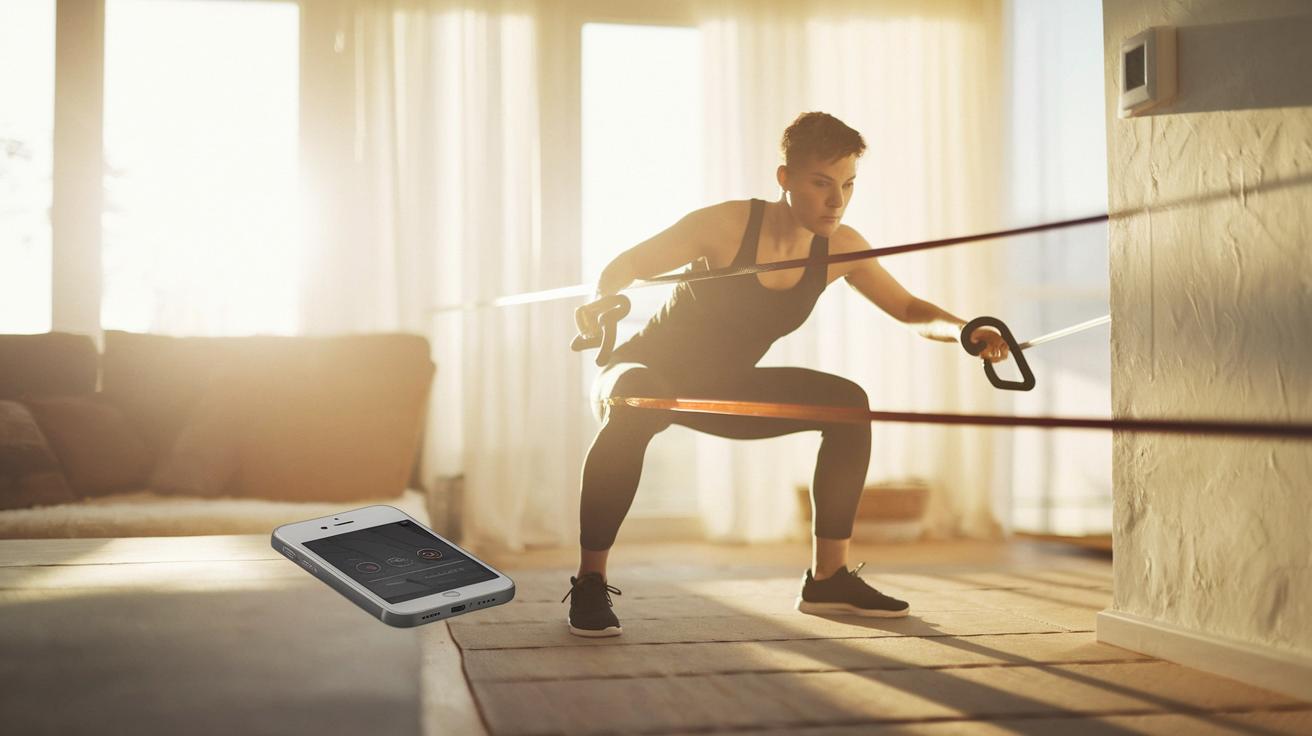
Imagine setting up a week of workouts that feels like a cool mix of fun and challenge, all with resistance bands. This plan covers strength, cardio, core work, and even recovery, so you get the best of everything.
Start your week with a 20-minute full-body band circuit. Rotate smoothly through different moves that work your major muscles and keep the bands under steady tension. On day two, spend 15 minutes doing gentle band stretches. It’s a nice way to help your muscles relax and get ready for more work.
Day three is all about your lower body. Pick four exercises that hit your glutes, quads, and hamstrings, think squats and sideways band walks. Then, switch over on day four to focus on your upper body. Do four moves that let you work your arms, back, and shoulders with curls, presses, and pull-aparts.
On the fifth day, try some core and mobility drills that challenge your abs and boost your range of motion. Day six ramps things up with a HIIT band circuit. That means mixing quick bursts of strength and cardio in a high-intensity interval training session. Finally, give yourself a break on day seven. You can choose to rest entirely or try a light band yoga session to stretch out those muscles and recharge.
If you need a bit more guidance, consider adding a 15–20 minute Peloton band class. Tracking your progress is simple, just note the band color, your reps, and any improvements in your form as you go along. Enjoy the journey and celebrate each win along the way!
Final Words
In the action of powering through workouts, you learned how to use resistance band exercises to build strength and boost overall health. We broke down beginner moves, targeted muscle routines, full-body circuits, and safe equipment tips so that you can easily adapt these exercises at home or in the gym.
Each section offered detailed cues on form and progression, ensuring you have a practical guide to enhance your workout routine. Keep exploring these moves and feel great with every rep you complete.
FAQ
What are resistance bands?
Resistance bands are flexible workout tools that create tension as you move. They allow you to perform exercises like squats, lunges, and rows safely at home by mimicking gym equipment.
Do resistance band workouts really work, and can they help build muscle?
Resistance band workouts work by challenging your muscles with constant tension. With proper form and progressive resistance, they build strength and muscle effectively, offering scalable options for everyone.
Can you lose belly fat with resistance bands?
Resistance bands help burn calories during full-body circuits, which supports fat loss, including in the belly area. Paired with balanced nutrition, they can boost overall weight loss.
What is the best resistance band workout?
The best resistance band workout combines moves like squats, rows, lunges, and core rotations into a circuit. This balanced routine builds strength, burns calories, and enhances endurance.
Where can I find a free PDF of resistance band exercises?
A free PDF on resistance band exercises offers step-by-step guides with clear visuals. Look on reputable fitness websites that offer downloadable resources to help beginners master proper techniques.
What are some effective resistance band exercises for legs?
Effective leg exercises with resistance bands include squats, lateral walks, and leg extensions. These moves target your glutes, quadriceps, and calves with steady, controlled tension.
What resistance band exercises are great for beginners, including those for men?
Beginner exercises like seated rows and overhead presses are ideal for all, including men. They focus on proper form, can easily be scaled, and help build balanced strength across your body.