Ever notice how some athletes always bounce back even when things get really tough? Many people assume that natural talent is enough, but building mental strength is a lot like building muscles. Mixing simple mind coaching with your physical training can boost your inner grit and keep you strong through every tough moment. In this post, we'll share easy steps to help you build mental toughness, manage pressure, and recover from setbacks. Get ready to discover how a resilient mindset can power up your performance on the field and in everyday life.
Core Principles of Resilience Training for Competitive Athletes

Resilience in sports is all about bouncing back when things go wrong. It’s not just your muscles doing the work; it’s your mind too. Many folks think resilience is something you’re born with, but that’s not true at all. Ever notice how some top athletes work on their mindset as hard as they work on their bodies?
When you mix physical training with mind coaching, you start to see real improvements. It’s like giving your whole self a boost. With this approach, athletes learn to handle pressure, manage injuries, and step into competitions with real courage. This combo builds confidence and sets up a challenge-ready mindset that leads to lasting success.
- Clear resilience definition
- Busting the myth of inborn toughness
- Developing mental skills
- Creating a supportive training environment
- Setting SMART goals (Specific, Measurable, Achievable, Relevant, Time-bound)
- Practicing visualization techniques (picturing yourself succeeding)
- Building positive self-talk routines
Each of these points works like a stepping stone. They not only help you recover faster from setbacks but also polish your overall performance. Think of it like this: when you use positive self-talk, a setback isn’t a dead end, it turns into a chance to learn something new, just like nailing that extra rep during your workout.
Psychological Toughness Programs and ACT-Based Mental Fortitude Drills
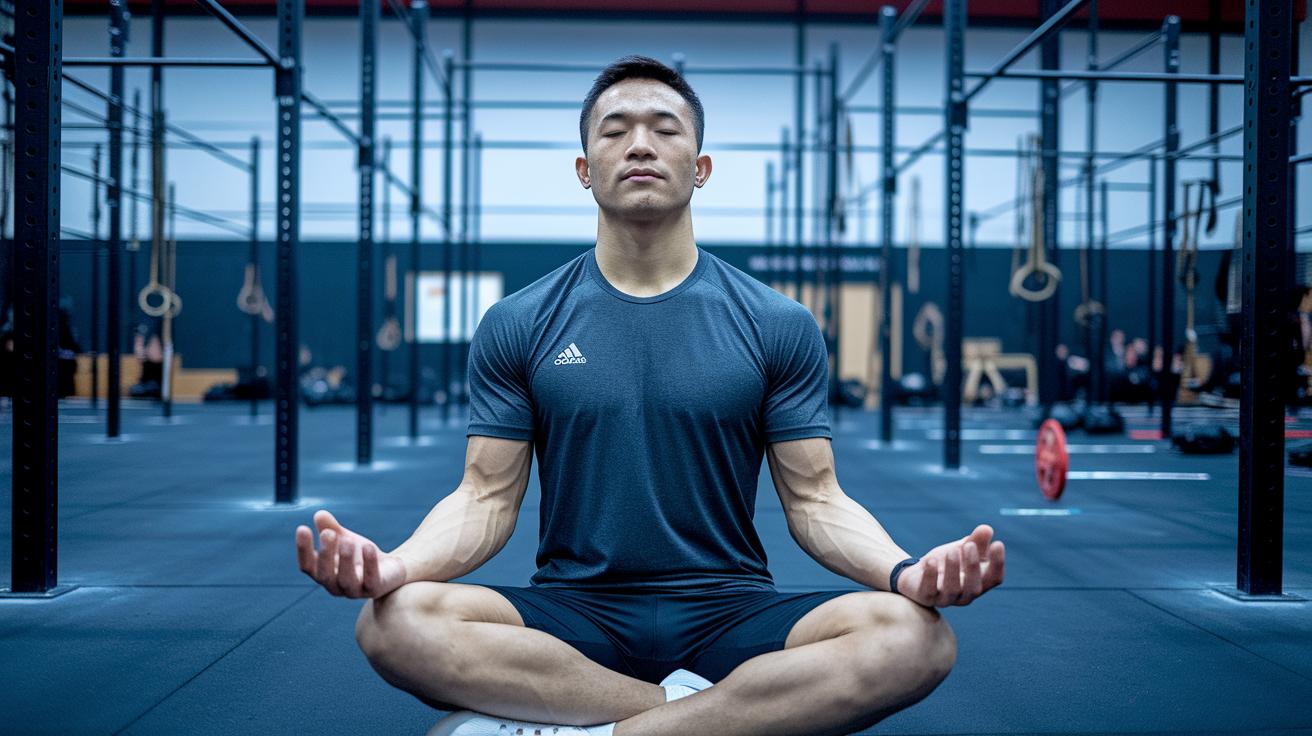
ACT is a great tool for building mental resilience because it tackles both how your mind reacts and how you act during tough times. It mixes acceptance, which means learning to face your feelings, with techniques that help you step back from overwhelming thoughts, stay mindful, clarify what truly matters, and take actions that match your values. These ideas work together to help athletes stay focused, bounce back from setbacks, and perform well when it counts.
When you're on the field or in the gym, acceptance means you stop trying to run away from tough emotions and start naming them instead. By recognizing your feelings, even the uncomfortable ones, you can let them pass without taking control. Cognitive defusion is a bit like watching a stream of thoughts float by, noticing them without letting those thoughts decide how you'll act. Imagine feeling a flurry of thoughts before a big race and letting them drift like passing clouds. This simple shift can ease your nerves and sharpen your focus, both during practice and competitions. Plus, staying mindful helps you live in the moment, while knowing your personal values helps you stay true to your goals every day.
Acceptance
Athletes can try simple tricks like naming their emotions and doing exercises that help them accept tough feelings. So when you miss a lift or trip during a sprint, instead of getting stuck on that feeling, you acknowledge it and move forward. Fun fact: even top athletes use these acceptance techniques to calm their nerves before big races!
Committed Action
This part is all about linking your daily workouts to your inner values by setting clear, small goals that add up over time. For example, you might look at your training schedule, pick a key value like perseverance, and then plan one small action each day that shows your commitment. These steps help you stay cool and clear-headed no matter how intense the pressure gets, so you can focus better and feel less stressed when it really matters.
Sport-Specific Endurance Regimens and Integrated Training Schedules

Building your stamina is not just about working your body hard; it's also about training your mind. Mixing heavy-duty endurance workouts with quick mental drills gives you a full-body boost. Ever tried finishing a fast-paced run with a brief daydream session? It’s like stretching your brain after a solid workout. This simple trick boosts your strength and keeps your focus sharp when the pressure is on.
Creating a balanced workout plan means pairing tough exercises with smart recovery moves. Imagine doing a set of sprints and then taking a few moments to visualize your success. This combo not only builds your stamina but also helps you handle stress and stay focused. It’s a bit like a warm-up that prepares you for the big game, both your mind and body get ready to perform.
| Day | Activity | Duration |
|---|---|---|
| Monday | Interval sprints + visualization | 90 min |
| Tuesday | Threshold run + breathing drills | 75 min |
| Wednesday | Cross-training + focus exercise | 60 min |
| Thursday | Tempo run + guided imagery | 80 min |
| Friday | Active recovery + mindfulness | 45 min |
Recovery is just as critical as the workout itself. Simple routines like mobility drills or using contrast baths can help you feel fresh even after the toughest sessions. These recovery techniques keep fatigue at bay and make sure you’re ready to push your limits day after day.
Stress Management Practices and Mind–Body Synergy Workouts for Athletes

Mind–body synergy is a game changer for athletes. When your body moves in harmony with your mind, it clears the way for better focus and helps you tackle stress head-on. It’s like fine-tuning your engine so it keeps running smoothly even when the pressure is on.
Let’s explore three simple workouts that boost both your physical strength and mental calm. First, try meditation with controlled breathing. Taking slow, deep breaths not only relaxes you but also lowers cortisol, a stress hormone that can drag you down. Picture yourself pausing during a busy day to draw in calm energy, much like breathing in the crisp air of a quiet morning.
Next is guided imagery. This technique involves picturing yourself performing perfectly, imagine each move flowing naturally before a big match. It’s like rehearsing your best performance in your mind and building confidence step by step.
Lastly, consider a body scan. This simple practice helps you check in with your muscles, noticing any tight spots as if you’re tuning a favorite instrument. Recognizing these signals can turn everyday stress into useful insights for your training.
Together, these mind–body exercises sharpen your focus and help you stay cool under pressure, keeping you in control when it matters most.
Injury Prevention Strategies Paired with Adaptive Recovery Exercises

Building up your workout intensity slowly is key to staying injury-free, especially in competitive sports. When you plan your training to gradually increase the load, you give your body time to adjust. It’s like getting a quick check-up; regular screenings can spot small issues before they become big problems. Imagine a runner starting with easy runs and slowly adding more speed or distance, that’s how your body learns to handle more.
After tough sessions or minor injuries, using smart recovery methods can really help. Take contrast baths, for example, alternating between warm and cool water boosts your blood flow and eases swelling. And then there’s foam rolling; it helps loosen tight muscles and improves how much you can move. Together, these techniques not only keep your muscles flexible but also get you back on track without cutting your training short.
Don’t forget, your mind matters too. Simple mental strategies like setting new goals or visualizing a successful return can ease the worry of re-injury. Have you ever pictured yourself getting back out there strong and ready? This kind of thinking can power up your recovery, making it a win for both your body and your head.
High-Pressure Performance Planning with Scenario-Based Resilience Workouts

Imagine training that feels just like real competition. This kind of scenario-based workout helps athletes get used to those big, nerve-racking moments. By practicing with the same sounds, timers, and energy levels you’d face in a real contest, you learn to keep cool when it matters most.
Coaches often set up drills that feel like the wild rush of event day. They might use loud sounds, rapid countdowns, or even make some noise like a cheering crowd. One practical tip: start with a simple countdown drill and then add distractions as you get more comfortable. This way, you build the trust in your plan and get ready for any surprise.
Another neat trick is using visualization and cue words. Picture yourself nailing your routine and say a word like “steady” to keep focus. It’s similar to a sprinter shouting “go” to kickstart a race. These little reminders help push away negative thoughts and keep your mind calm under pressure.
Staying sharp when you're really tired is super important too. Simple breathing techniques and quick mental cues during practice can help you hold onto concentration even when fatigue sets in. It’s like finding a quiet spot in the middle of a busy gym where you remember to breathe and refocus.
Case Studies in Athletic Grit Enhancement and Contest Recovery Programs
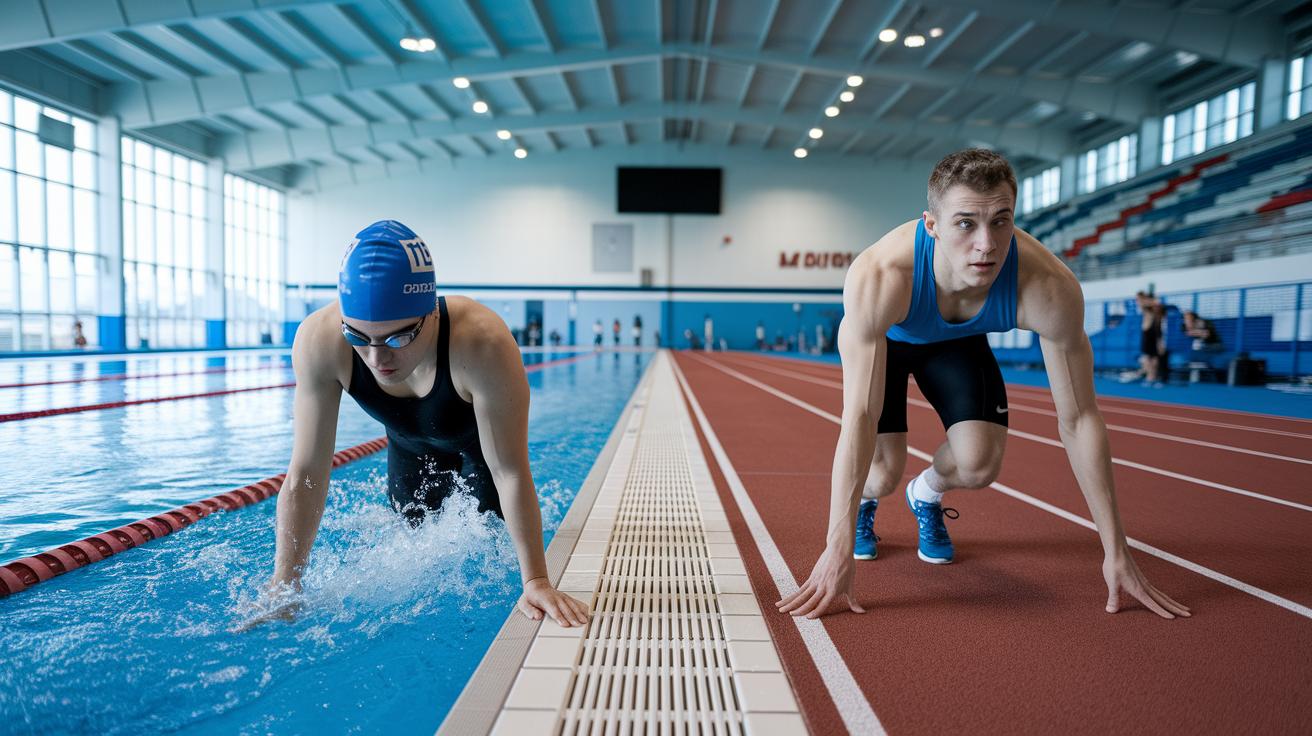
Real-life stories show how hard work and smart recovery can boost your performance, whether you're on the field or in the pool. These examples blend mental and physical techniques to help you bounce back from setbacks. They remind us that with the right support and clear steps, even the biggest challenges can be overcome.
Elite Swimmer’s Comeback
A top swimmer from California and Texas dealt with a serious injury that slowed her down. She took part in online sports psychology sessions that gave her steady advice while she healed. Using simple ACT drills (a method that teaches you to accept problems and refocus your energy), she made steady progress. Her coach led her through a plan that kept high standards but also offered warm, emotional support. In just 12 weeks, she got back to her pre-injury speed. For example, she noted her progress every day and tweaked her training based on feedback, which helped her feel ready for every practice.
Marathon Runner’s Mental Turnaround
A determined marathon runner changed his game by committing to daily reflections and actions based on his core values. After every training session, he spent time journaling and thinking over his performance, which helped him see small wins building up. When race day came, he used visual techniques and focused self-talk to boost his confidence and pace. His coach set clear, challenging goals while also keeping his spirits high with real-time support. This mix of mental focus and physical training helped him clock a record pace at the Boston Marathon.
These stories show that when you pair steady mental work with physical training, you can build real grit and see powerful results.
Integrating Resilience Training into Competitive Sports Programs
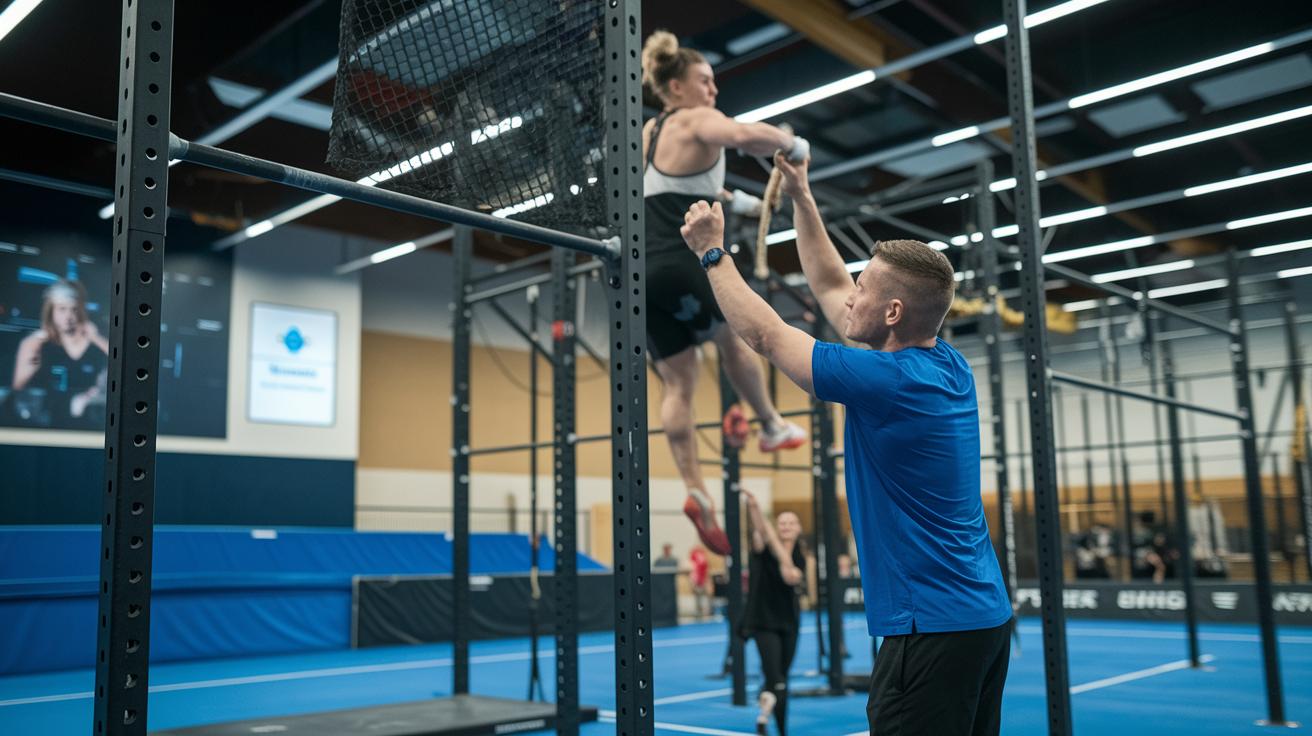
Coaches can create a training space where high performance and real emotional support go hand in hand. When athletes face tough moments, a balanced environment helps them push their limits while feeling safe. It’s like setting a high bar with a built-in safety net that catches you when the pressure builds up.
Adding resilience drills into weekly routines is a smart idea. By incorporating special sessions into regular practice, athletes not only grow stronger but also learn how to handle stress better. This practice helps them get ready for both physical and mental challenges. In short, when mental skills training is woven into every workout, each athlete steadily builds up their grit.
There’s also room for remote psychology help. With telehealth sports psychology sessions, coaches can keep offering top-notch support, even if athletes are in different states like Illinois or Virginia. This way, they stay connected and mentally prepared no matter where they are.
Final Words
In the action, this article broke down how building mental and physical strength paves the way for impressive performance. We covered the clearing of common myths and introduced clear steps like SMART goal setting, visualization, and positive self-talk that bring balance and confidence.
By weaving these elements into both training and recovery, you create resilience training for competitive athletes that really makes a difference. Keep pushing forward with energy and a positive spirit, you’ve got what it takes to excel in every challenge.
FAQ
What free resilience training is available for competitive athletes?
Free resilience training for competitive athletes offers online workshops, sample sessions, and community programs that teach SMART goal setting, visualization, and positive self-talk to boost mental toughness and improve performance.
What did resilience training for competitive athletes involve in 2022?
Resilience training for competitive athletes in 2022 included a blend of physical and mental coaching, incorporating goal setting, visualization, and mindfulness drills to strengthen focus, manage stress, and enhance overall performance.
What are some examples of resilience in sports?
Resilience in sports examples include athletes practicing guided imagery before competition, using positive self-talk during setbacks, and integrating mindfulness drills to stay focused under pressure.
What do resilience in sports quotes typically emphasize?
Resilience in sports quotes typically emphasize staying strong through setbacks, embracing challenges with a positive mindset, and using mental toughness techniques to turn obstacles into opportunities for growth.
What defines resilient athletes?
Resilient athletes combine rigorous physical training with mental fortitude techniques like mindfulness, visualization, and adaptive recovery, enabling them to overcome setbacks and maintain focus even in high-pressure situations.