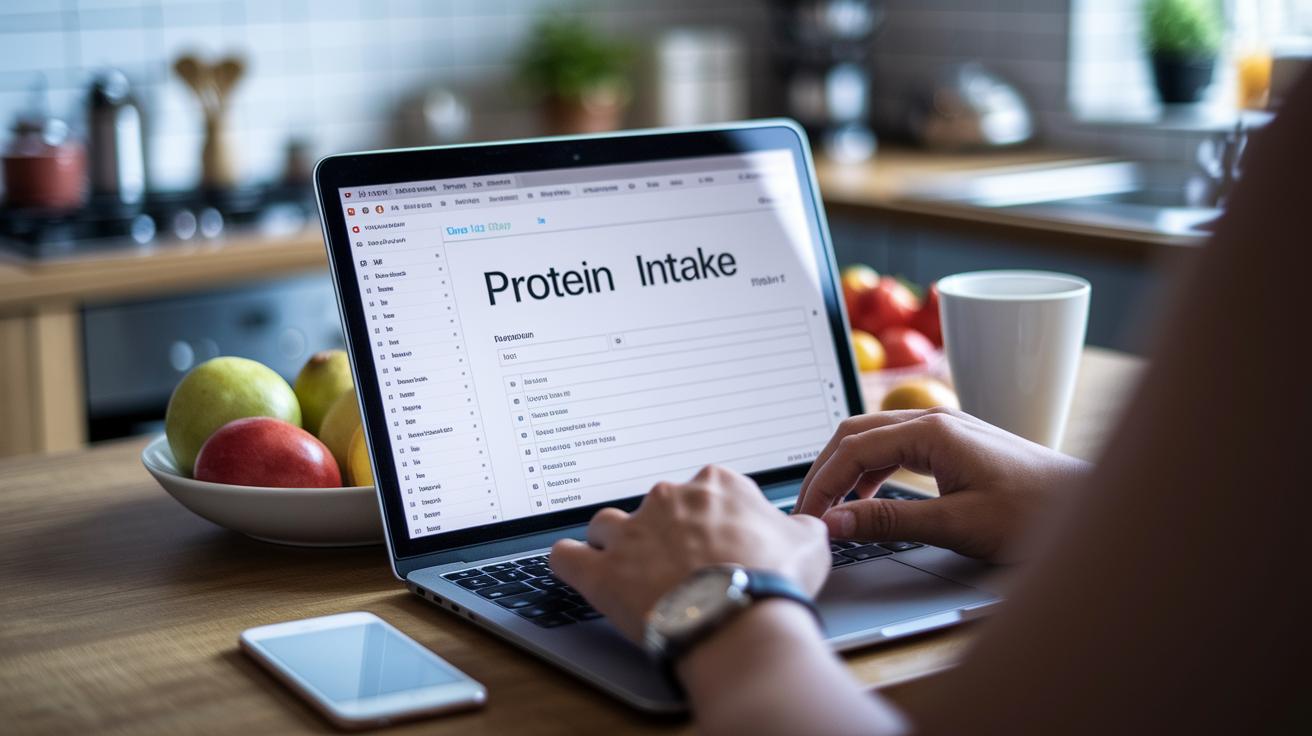
Ever thought about whether you're getting enough protein? Even a small mistake in your diet might leave you feeling low on energy, even if you exercise regularly.
Our easy tool asks for simple details like your weight, height, and how active you are. With this info, it tells you the exact amount of protein your body needs. It's like having a friendly nutrition coach right by your side, guiding you to plan meals that repair your muscles and keep your energy high.
Curious how a quick calculation can boost your diet and improve your workout? Keep reading to find out.
Protein Intake Calculator: Step-by-Step Usage Guide

Have you ever wondered exactly how much protein your body needs? Our easy-to-use calculator asks for a few simple details about you, your weight, height, age, daily activity, and your fitness goal. Just enter these details, and in a flash, you'll see your target protein range so you can stay on track with your diet.
When you fill in your weight, the tool starts with a basic need of 0.8 grams of protein per kilogram (or 0.36 grams per pound). Your height then helps adjust for your body shape, while your age shows if you might need a little extra protein, especially as you get older. Next, you select your activity level, ranging from light movement to intense workouts. Finally, your chosen fitness goal fine-tunes everything to match if you want to build muscle or lose weight.
For example, if you weigh 150 pounds, you might see a recommendation of about 82 to 136 grams of protein per day. This quick, clear display of both the low and high numbers makes it super simple to plan your meals and ensure your body gets just the right amount of protein.
Key Inputs for Your Personalized Protein Intake with the Calculator

Personalization truly matters. Every little detail you share helps tune your protein needs just right. Our calculator looks at things like your weight, height, age, and how active you are to paint a picture of your unique fitness journey. Think of it like tweaking a favorite recipe to match your taste. Each input helps balance protein for muscle repair, growth, and overall health. Plus, it shows you exactly how every piece contributes to your daily protein goal, an essential win for planning meals that give you lasting energy.
| Variable | Purpose | Effect on Protein Needs |
|---|---|---|
| Weight | Sets your starting point using about 0.8 g per kg as a base | Directly shapes your core protein requirement |
| Height | Helps to estimate your body build and lean mass | Adjusts your protein target based on your body structure |
| Age | Shows natural changes in metabolism as you grow older | Might bump up protein needs to around 1.2 g per kg for older adults |
| Activity Level | Takes into account your daily movement and workout style | Uses a multiplier, from 1.2 for sedentary to 2.0 for very active lifestyles |
Bringing all these details together, the calculator gives you a clear picture of your daily protein needs. It crafts a plan that fits your life perfectly, whether you’re working to build muscle, manage your weight, or simply keep your meals packed with the right protein punch.
Tailoring Protein Requirements for Muscle Gain and Fat Loss

Changing your protein intake based on your goals is a smart way to fuel your body. The calculator works by adjusting your target range with different multipliers. This helps you get the right protein, whether you’re pumping iron or working to lose extra fat.
Muscle Gain Settings
If you’re aiming to build muscle, the calculator bumps up your protein need by multiplying your usual amount by a value between 1.2 and 2.2 grams per kilogram. Imagine you normally need 80 grams a day. With this boost, you might aim for anywhere from 96 to 176 grams. This extra protein helps your muscles repair and grow after a tough workout.
Fat Loss Settings
When your goal is to shed fat, the calculator uses a gentler multiplier, usually from 1.2 to 1.8 grams per kilogram. This method makes sure you keep your lean muscle while eating fewer calories. Think of it as a safety net that keeps your muscles strong and helps you feel full as you trim down.
Tailoring your protein intake like this makes meal planning easier and gives you clear, helpful targets. Matching your diet to your goal turns every meal into a step closer to your fitness dreams.
Understanding Your Calculator Results: Protein Targets Explained

When your calculator shows your protein target, think of it as a simple plan for your day. If it suggests 100 grams, for example, try splitting that into four meals of about 25 grams each. This way, your body gets a steady flow of protein as you go about your day.
Be sure to read the nutrition labels on your food. Say a yogurt label says it has 10 grams of protein, then you know you’ll need to add a bit more from other foods to reach that 25-gram mark for the meal. It’s like piecing together a puzzle to keep your energy up.
You might also want to compare the number from your calculator with the basic recommendation of 0.8 grams per kilogram, which is just a starting point. The calculator often suggests a bit more, especially if you’re active or aiming for specific goals. Adjusting how often you eat snacks or meals can help keep you on track and ensure your body is fueled the way you need.
protein intake calculator: Energize Your Diet Today
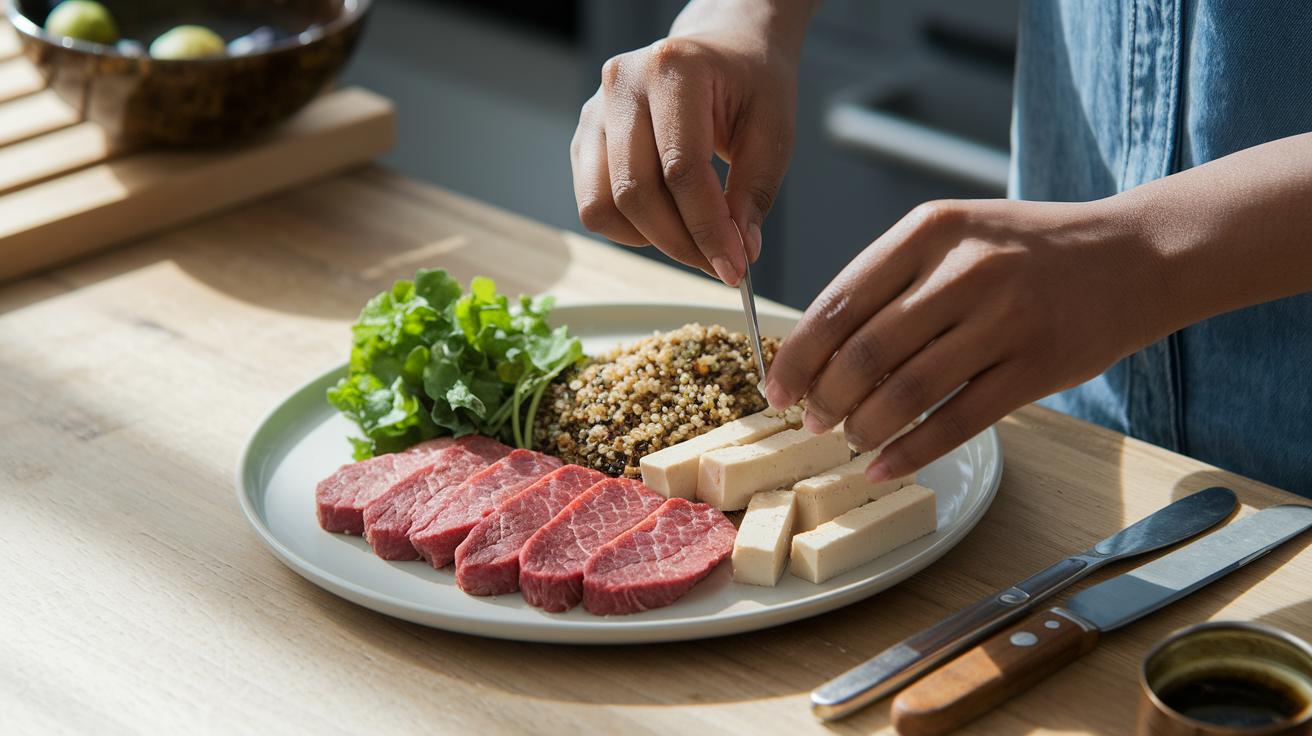
Using your protein calculator is like setting a plan for a great day. When you see your daily protein target, think of it as the starting line for creating a balanced plate that fuels your body from morning till night. By matching these numbers with the right foods, you’re crafting meals that keep you energetic and help your muscles repair and grow.
Here’s a simple guide to some protein-packed choices:
| Food | Protein (g) |
|---|---|
| 3 oz lean beef | 21–23 |
| 3 oz salmon | 22–25 |
| 1 cup milk | 8 |
| 1 cup cooked quinoa | 8 |
| 2 tbsp hemp seeds | 9 |
| ½ cup cooked lentils | 9 |
| 3 oz firm tofu | 6.8 |
Mixing animal proteins like beef or salmon with plant-based sources such as quinoa, lentils, or tofu is a smart way to round out your diet. This variety not only brings in different amino acids but also packs extra vitamins and minerals. Imagine a hearty dinner featuring lean beef paired with a light lunch of quinoa and tofu, the balance makes every bite count. And hey, have you ever noticed how a mix of flavors can make your meal feel like a little celebration?
For more handy meal-planning tips and ways to keep your diet balanced, check out the nutrition resources available through our link. With this simple approach, you turn your protein goals into delicious, energy-boosting meals that help you live your healthiest life.
Troubleshooting Common Protein Calculator Challenges

If your protein calculator's number feels too low for your hunger and energy, try adding an extra 5 to 10 grams. Sometimes when you're crushing a tough workout or just very active, your body needs more protein than the calculator suggests. For instance, if it says 80 grams but you think you need more to fully power up muscle recovery, a little bump in the amount can really help.
On the other hand, if the recommended protein range seems way too high, it might be time to look again at how active you are. Maybe the tool is counting more activity than you really do. Keep in mind that taking in more than about 2.5 grams per kilogram of body weight regularly might strain your kidneys. Adjusting your idea of daily activity can help bring that number down to a safe, realistic level.
Staying on top of your protein intake daily makes a big difference over time. Keep track of what you eat and see how it lines up with your protein goals. And if you want to dive deeper into your progress, check out our progress tracking tool.
Final Words
In the action, we broke down how to use the protein intake calculator by walking through each input, weight, height, age, activity level, and fitness goal, to show how your protein needs are estimated. We also explored setting targets for muscle gain and fat loss while explaining sample results for a 150-lb user. The guide ties it all together with tips on meal planning and troubleshooting common issues. Embrace this tool to better understand and boost your nutrition, you’re well on your way to elevated performance.