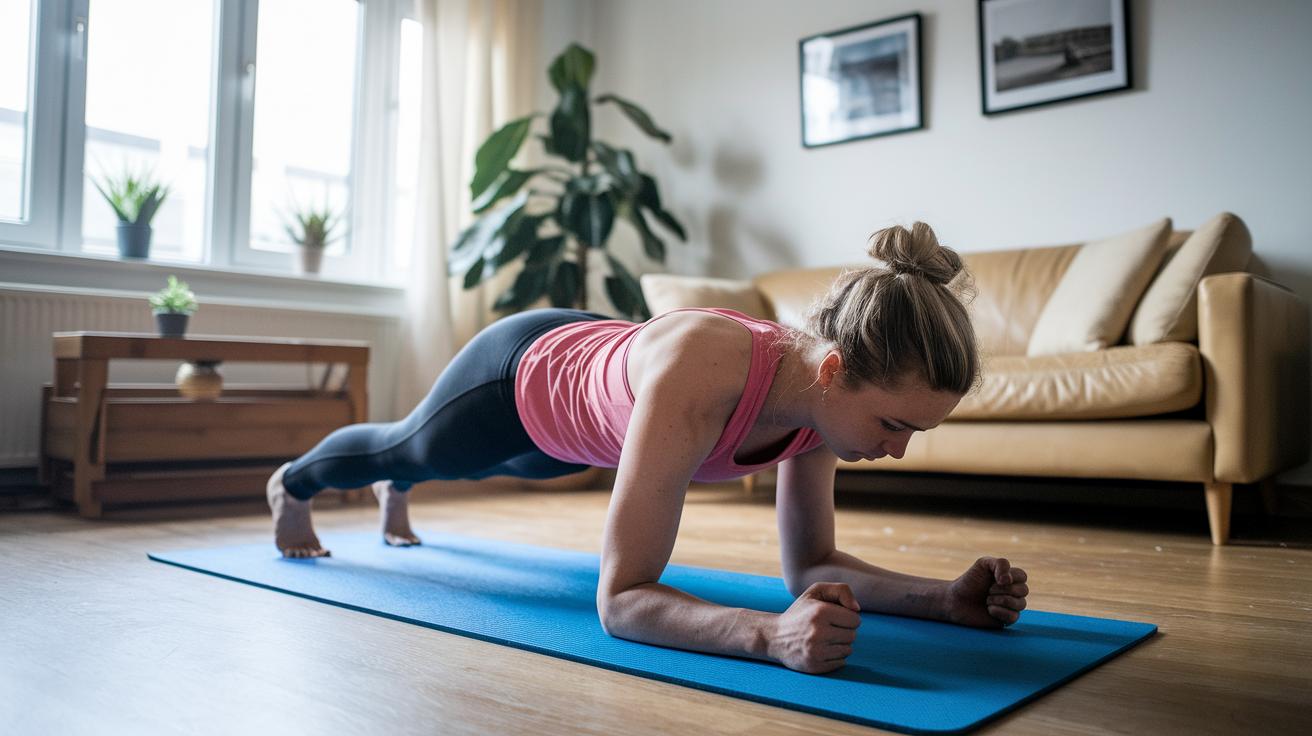
Ever wondered if a simple plank can build a truly strong core? When you hold a proper plank, it forms a solid base that powers up your whole body. Every muscle works together to keep you balanced, almost like you're a stable board. Keep your form in check, and you might be surprised at the boost in focus and strength you notice over time.
Mastering Basic Plank Exercises: Form, Alignment, and Timing
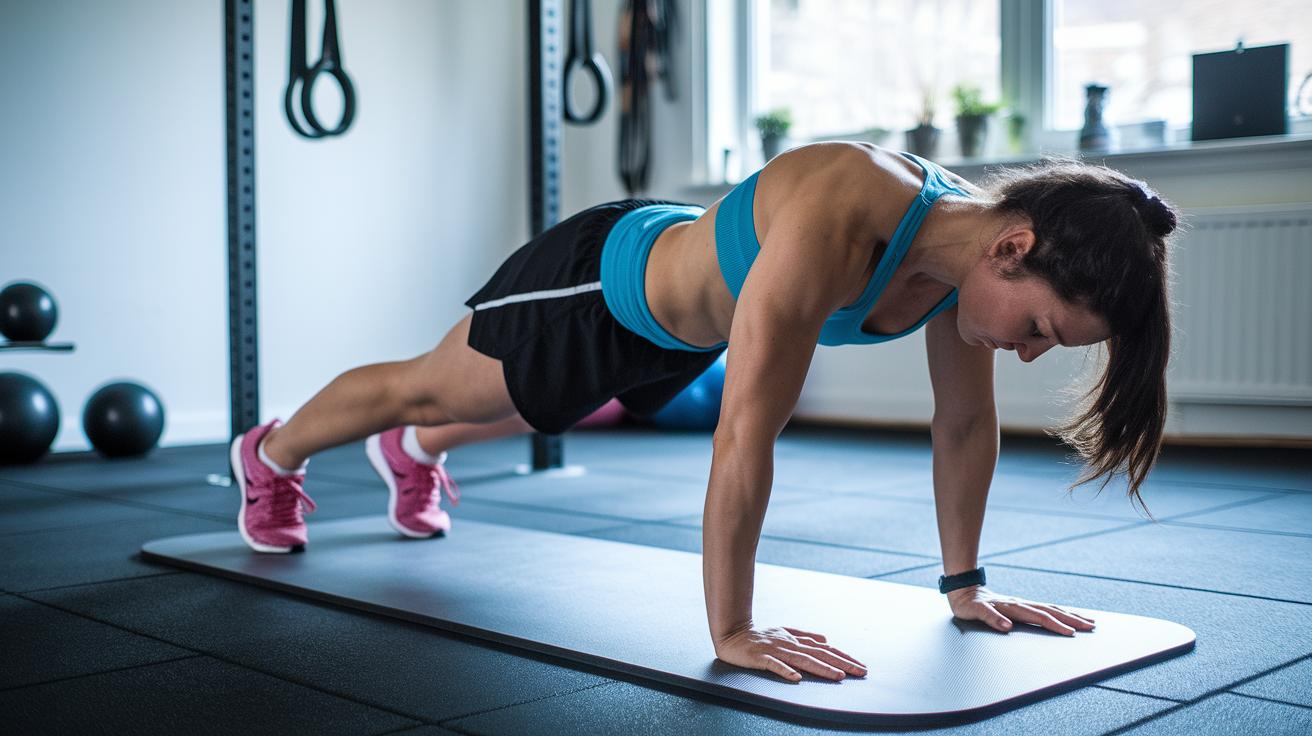
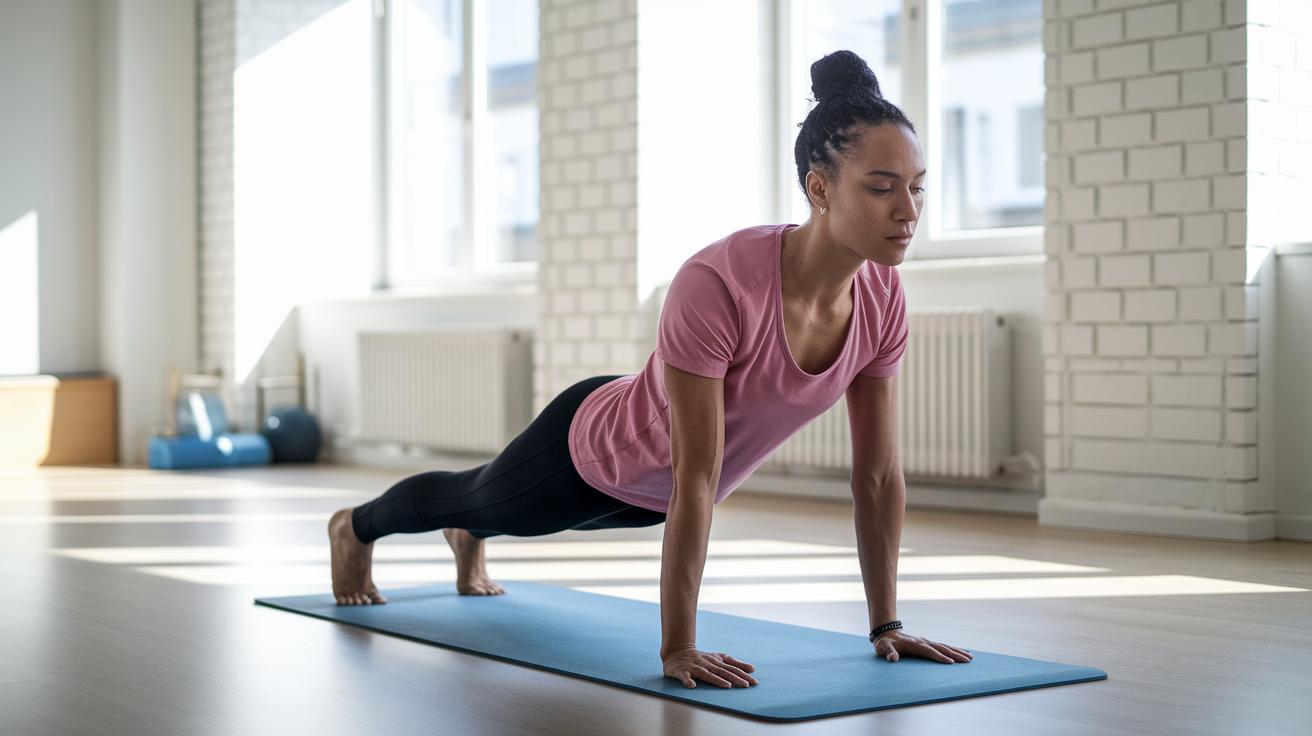
Start on all fours with your palms set about shoulder-width apart instead of resting on your forearms. Slowly lift your knees off the ground and stretch your legs out straight so your body forms one solid line from your head to your heels. Think of your body like a sturdy board where every muscle plays a part. Let your shoulders stay strong and your core tighten up, like you're zipping a belt around your middle. Try holding this position for 10 to 30 seconds, and keep that spine neutral so your hips don't drop or lift too much. Good form is your ticket to building a strong core.
Keep your body in a straight line from the top of your head all the way down to your heels. Even a small shift in position can lessen the impact of the exercise or even cause strain. It might seem tricky at first, but with regular practice, you'll build the balance needed to hold a solid plank. Every moment in this position is like a mini workout for your stability and control.
- Maintain a neutral spine so your body forms one straight line.
- Keep your shoulders directly above your wrists to stay well-braced.
- Engage your core fully by pulling your belly in.
- Avoid letting your hips sag or lift too high.
- Only lift your knees just enough to keep that flat alignment.
If you're new to planking, start with a 10–30 second hold, focusing on perfect form rather than long durations. As you grow more comfortable, you can slowly extend the time, always keeping your alignment and core engagement in check to reap all the benefits.
Progressive Plank Exercise Variations to Elevate Your Core Training
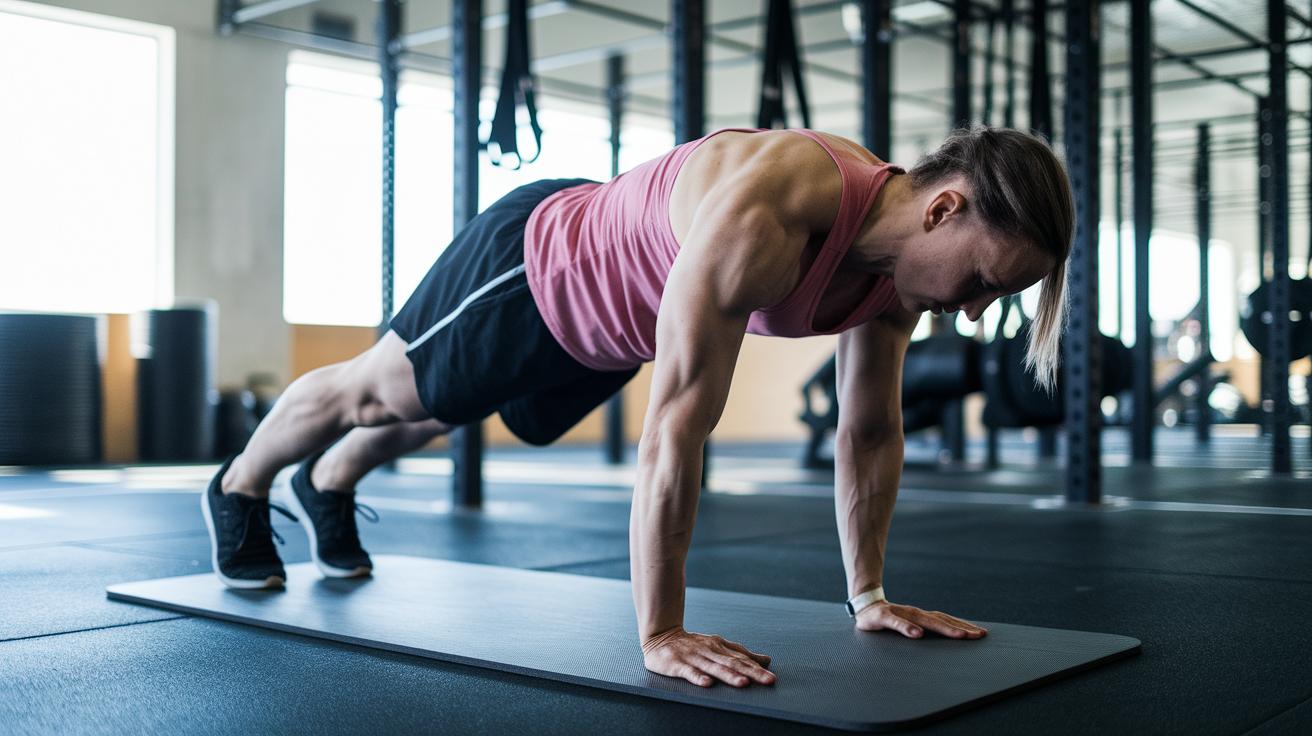
Mixing up your plank routine can help you build on the strong base you already have. When you add new moves, you're not only challenging your muscles in fresh ways but also hitting extra stabilizers and stepping up your control. These moves go beyond a basic hold to help you develop a strong, flexible core. So whether you're adding slow, steady changes or more dynamic steps, these variations can keep your workout fun and effective.
Moderate Plank Variations
- Forearm-to-Full Plank Transition – Start in a solid forearm plank and switch to a full plank. This move boosts shoulder strength and core stability while keeping your form tight for about 20-30 seconds.
- Side Plank on Forearm – Rotate your body into a side plank on your forearm. This targets the side muscles of your stomach (obliques) and helps work on your balance.
- Walking Plank – Step your hands and feet forward one at a time. This not only works your core but also improves your full-body coordination and endurance.
- Plank with Shoulder Tap – Stay in a solid plank and tap each shoulder one at a time. This move forces your core to work hard as it keeps your body steady.
- Reverse Plank – With your hands behind you and legs straight out, lift your hips to form a reverse plank. This one hits your back, glutes, and hamstrings while encouraging a good posture.
Advanced Plank Variations
- Spider-Man Plank – From a full plank, bring one knee toward the elbow on the same side. Switch sides after each rep. It’s a great way to add a twist to your workout and target your obliques.
- Alternating Knee-to-Elbow Plank – Start in a full plank and move each knee toward the opposite elbow one at a time. This adds a fun twist, challenging your balance and core strength.
- Plank with a Row – Grab some light weights or use a suspension trainer and perform a row while holding a plank. This move ramps up the work for both your upper body and core.
- Mountain Climber – Quickly drive your knees forward one after the other from a plank position. This exercise gets your heart pumping and sharpens your core control.
- Plank Jack – While holding a plank, jump your feet out and then back in. This dynamic move not only tests your balance but also boosts your calorie burn.
- Swiss Ball Jackknife – Place your feet on a Swiss ball and pull your knees toward your chest while keeping a plank. This adds extra resistance and control, so go slow and steady.
Plank Exercises Benefits: Core Strength, Stability, and Beyond
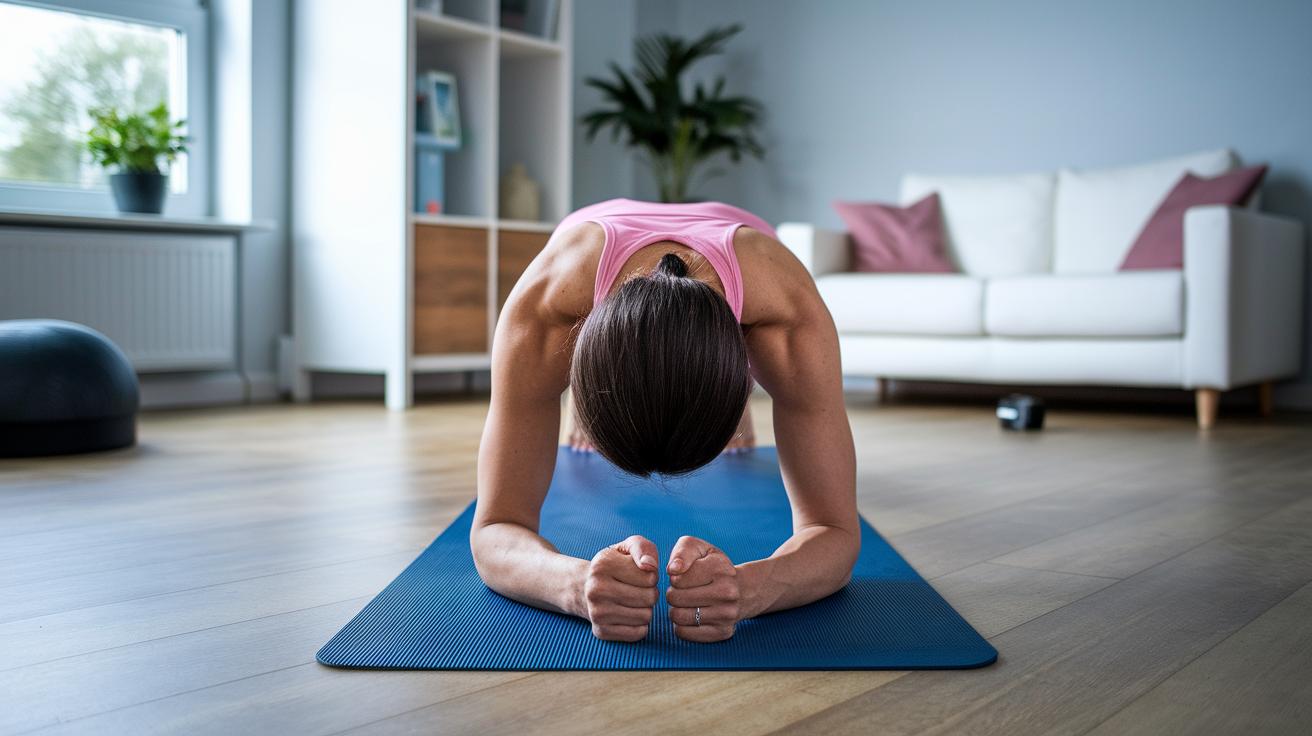
Plank exercises work your tummy muscles like the rectus abdominis, transverse abdominis, and obliques. They build strength in your core as you hold a steady position, and you really feel that burn in the muscles that support your whole torso. Imagine tightening your midsection like you’re fastening a firm belt around your waist.
Planks also help improve your posture. Keeping your spine in a natural position with your shoulders properly braced means your core works together to keep you stable. This extra support can make your back feel stronger during everyday activities.
These exercises boost your calorie burn and give your muscles more stability, but they aren’t a magic trick for burning belly fat. Think of planks as a basic move that builds both strength and endurance.
In a balanced workout routine, planks are a smart choice. They help fortify your spine while adding strength to your whole torso, making them a well-rounded addition to your fitness plan.
Safe Execution and Modifications of Plank Exercises for All Levels
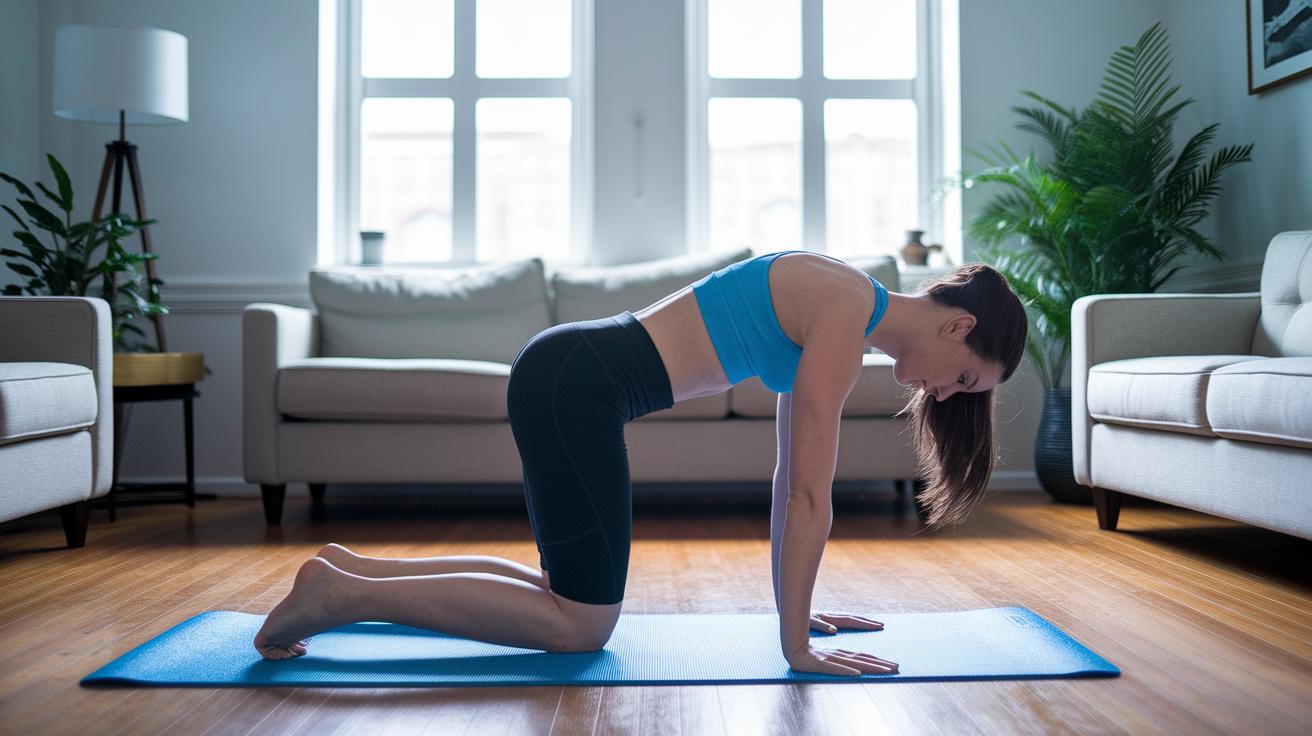
Starting planks without the right form can hurt your back or cause discomfort. A common mistake is letting your hips drop or lift too high, which puts extra strain on your back. It's important to keep your spine in a neutral position by pulling your shoulders down and back. When your shoulders are off or your midsection collapses, the exercise won't work as well and can even jeopardize your joints. If you're just starting out, try a knee plank to ease the pressure on your lower back while still strengthening your core.
Focus on keeping your pelvis steady, pressing your shoulders away from your ears, and tightening your belly muscles. Take time to work on your posture until your body lines up just right. Here are some beginner-friendly alternatives that can help you ease into the exercise:
- Knee Plank: Keep your knees on the floor and squeeze your core tight.
- Straight-Arm Knee Plank: Use straight arms to improve shoulder support while lowering your knees.
- Modified Side Plank: Rest on one knee and lift your side to target your oblique muscles.
- Elevated Plank: Place your hands on a sturdy bench to reduce load on your lower back.
As you build strength, slowly add more time to your holds. Start with a 10-second hold and perfect your form before gradually increasing the duration. Enjoy the process and notice how each small improvement boosts your confidence and core strength.
Structuring Your Plank Exercise Routine: Frequency, Duration, and Progression

Try doing your planks two or three times a week so your muscles have time to repair and grow stronger. These regular sessions not only boost your core strength but also help you stand tall all day long. It’s like giving your body little breaks to get even better.
When you’re just starting, aim to hold the plank for 10 to 30 seconds while keeping your form solid. As you get stronger and your body adjusts, work up towards 30 to 60 seconds. The right time to hold depends on the challenge of the variation and what your goals are. If you’re more advanced, try adding some timed intervals or high-intensity holds to really push your limits.
- Slowly lengthen your hold times as your muscles get used to the exercise.
- Mix in different types of planks to strengthen both your core and your stability.
- Experiment with timed intervals to give your endurance a fun challenge.
- Add balance tests by changing your stance or using tools that create a bit of wobble.
Keep a simple workout log to track how long you hold each plank and any new variations you try. This record will cheer you on and serve as your guide as you grow stronger and steadier each week.
Integrating Complementary Practices: Pilates and Mobility with Plank Workouts
Pilates is a gentle way to support your plank routine by strengthening your core and helping your body stay balanced. Its smooth, controlled moves can improve your posture and give tight muscles a good stretch. When you mix in mobility exercises, you boost your joint range and balance, making your planks safer and more effective. Try adding some home-based digital Pilates sessions to your workout to see a real uptick in both strength and balance.
- Cat-Cow Stretch: Flow from arching your back to rounding it, which helps loosen your spine.
- Standing Hamstring Stretch: Stand with straight legs and lean forward to ease tension in your hamstrings.
- Seated Spinal Twist: Sit and gently rotate your torso to increase flexibility and relieve midsection stiffness.
Focusing on deep, calm breathing during these exercises not only builds physical strength but also brings mental clarity. It’s amazing how a relaxed mind can help you hold your planks longer and feel more balanced overall.
Final Words
in the action, we walked through the basics of mastering proper form, alignment, and timing for effective plank exercises. We touched on beginner-friendly modifications, progressive variations, and the clear benefits for core strength and stability.
We also highlighted how integrating Pilates and mobility moves can boost your overall performance and safety. Keep refining your plank technique and confidently explore new variations. Every small improvement brings you closer to a stronger, more resilient core, making every workout session both effective and enjoyable.
FAQ
What are plank exercises for beginners?
The plank exercise for beginners means starting with a basic hold using proper form. It helps build core stability gradually, usually starting with short holds of 10–30 seconds.
What benefits do plank exercises offer?
The plank exercise benefits include a stronger core, improved posture, and enhanced back support. This move engages the abs, obliques, and back muscles to boost overall stability.
Can I add weights to my plank exercises?
The plank exercise with weights means incorporating extra resistance to challenge your muscles further. Adding light weights safely increases difficulty and helps strengthen the core faster.
How can I do plank exercises at home?
The plank exercise at home involves performing the basic hold on a flat surface. Focus on proper alignment and steady breathing, which makes it easy to integrate into your home routine.
Are plank exercises safe for seniors?
The plank exercise for seniors can be adapted by using knee planks or other modified positions. These versions lower strain on joints while still building core strength safely.
Do plank exercises help with belly fat reduction?
The plank exercise for belly fat works the core muscles and may support overall fat loss when combined with other routines, though it does not directly burn belly fat on its own.
What is a side plank and how does it help?
The side plank is a variation that targets the oblique muscles. It helps improve balance and strengthens the sides of your core while keeping your body aligned.
What defines a forearm plank and its benefits?
The forearm plank is a version that rests on your forearms rather than your hands. This approach reduces wrist strain and deeply engages the core and shoulder muscles.
How long should a beginner hold a plank?
The plank exercise for beginners means holding the basic position for about 10–30 seconds. This duration helps build endurance without sacrificing proper form.
What does doing a 1-minute plank daily do for the body?
The plank exercise for a 1-minute hold everyday works to build consistent core strength and stamina. Regular practice improves stability and supports better posture overall.
What is considered the best plank exercise?
The best plank exercise usually begins with the standard plank, keeping the body in a straight line. Once mastered, you can explore variations like forearm and side planks to add variety.
How many minutes should I plank each day?
The plank exercise daily time varies with fitness level; beginners might start with a total of 10–30 seconds while advanced exercisers can work up to several minutes divided into sets.