Ever had your heart race and your hands shake before game time? It might feel strange at first, but that burst of energy can actually help you focus when you learn to calm it down. Try taking deep breaths, picture a clear win in your mind, and set small, steady goals. These simple steps help build your confidence and turn jittery nerves into your secret edge. Next time you feel those butterflies, remember, you have the power to take charge and shine when it counts most.
Proven Strategies to Overcome Sports Performance Anxiety
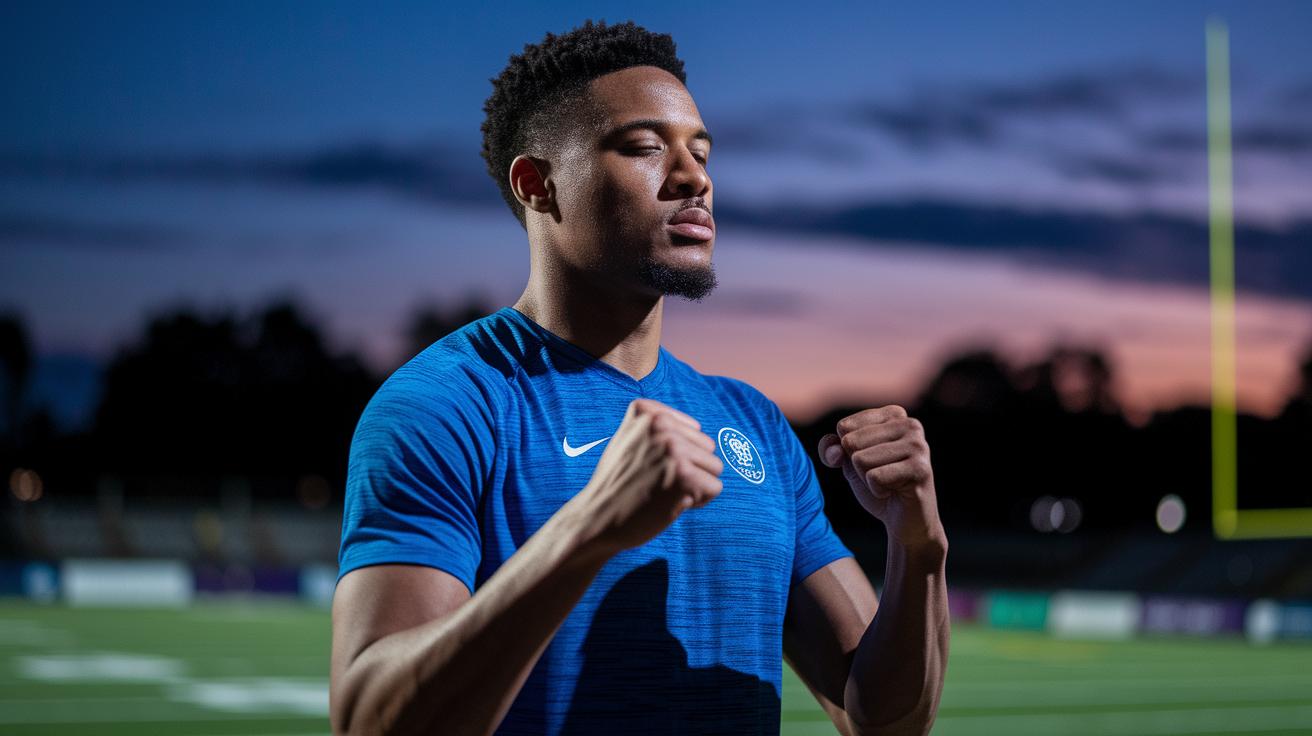
When nerves take over before a big game, it's normal to feel a mix of worry, dread, and jitters. You might notice your heart beating fast, your hands trembling, or even a flood of negative thoughts. These feelings pop up when you’re scared of messing up or when lots of eyes are on you. Picture this: right before stepping onto the field, you take a deep breath, letting in calm and pushing out your doubts.
One great way to calm those nerves is using mindfulness. Mindfulness means focusing on what’s happening right now, without judging your thoughts. You can try a simple trick: take slow, deep breaths and tell yourself, “I’m in control now.” This little exercise can help slow down the racing mind and clear up your focus when it really counts.
Another helpful method is visualization. Imagine yourself performing perfectly, moving smoothly, feeling confident, and having a clear head. Running through this mental movie over and over trains both your mind and body to feel ready. This way, worry takes a back seat, letting your skills shine when you need them most.
Setting small, clear goals is another powerful tool. Breaking a big task into bite-sized steps can make everything seem more doable. With each little victory, your confidence builds up, transforming anxiety into excitement and motivation. It’s like turning pressure into the fuel that powers you to do your best.
By weaving these techniques into your routine, you can swap anxiety for assurance. Stick with them, and you might just find that big game feeling a whole lot brighter and full of promise.
Recognizing Causes and Symptoms of Sports Performance Anxiety

Figuring out what triggers your tension early on can really help you manage anxiety before it takes over. Sometimes, fear of failing, lingering doubts, or memories of past losses can sneak into your mind and shake your confidence, even right as you're about to perform. It’s like stepping onto the field and suddenly feeling that old worry pop up because of one previous setback.
Then there are the outside pressures. Big games, a watching crowd, or even media buzz can add an extra layer of stress. When your heart races or your hands start to shake mid-game, it’s a clear hint that you might need a moment to collect yourself and use some stress-relief tactics. Ever notice how your body speaks up with these signals? They’re letting you know it’s time to chill and refocus.
Below is a simple guide to common signs that performance anxiety might be creeping in:
| Symptom | Description |
|---|---|
| Trembling | Your body or hands start shaking without you controlling it |
| Dry Mouth | You hardly have any saliva, making it tough to speak clearly |
| Racing Heart | Your heart beats faster than usual, almost too quick to handle |
| Negative Self-Talk | A harsh inner critic that brings you down during tough moments |
| Muscle Tension | Your muscles feel tight and stiff, like they’re ready to cramp up |
Noticing these signs can be a game changer. Instead of letting anxiety take the spotlight, you can channel that energy into staying focused and performing at your best.
Overcoming Performance Anxiety in Sports: Shine Under Pressure
Start your game day with a lively warm-up. Move around with quick jogging, high-knee lifts, or a few jumping jacks to get your blood pumping and your focus shifting away from nervous thoughts. This burst of movement helps prepare your muscles and clear your mind for the challenge ahead.
Then, take a moment to slow down with a simple breathing exercise. Try the 4-7-8 method: breathe in through your nose for 4 seconds, hold it for 7 seconds, and exhale slowly through your mouth for 8 seconds. You might even say, "Breathe in calm, breathe out tension" as you follow the rhythm. This steady pace helps ease your nerves and settle pre-game jitters.
Next, try a muscle relaxation exercise to ease any lingering stress. Pick a muscle group, like your shoulders or legs, tense them up for a few seconds, and then let go. This trick can help reduce the physical signs of stress and keep you feeling balanced.
Finally, use a calming routine like guided imagery. Picture yourself nailing a play and hear the crowd cheering in your mind. Positive self-talk, such as "I am ready and confident," reinforces your inner strength and brings clarity.
- Warm up with dynamic exercises
- Use the 4-7-8 breathing pattern
- Do muscle relaxation drills
- Visualize success with guided imagery
Mental Training for Building Resilience Against Sports Performance Anxiety

Imagine walking into your game with a calm, clear mind. Things like mindfulness and deep breathing help you stay here and now, easing those racing thoughts. Try sitting quietly, taking slow, deep breaths, and really feel the air filling your lungs, it’s like charging up your brain. This simple trick helps you set aside worries and stay focused on the moment.
Another cool trick is positive visualization. Picture yourself nailing every move with confidence, like you’re in a smooth dance where every step feels right. It’s like running a little movie in your head where each pass, pivot, and sprint goes perfectly. When you do this, your brain starts thinking success is just around the corner, even when pressure’s on.
Sometimes, negative thoughts sneak in, especially when things get tough. That’s when cognitive restructuring comes into play. This means challenging those doubts by recalling a past win or a solid training session. So, when you remember a mistake, flip the script by reminding yourself how your hard work turned things around later. Research shows that using these simple techniques can turn stress into fuel for your performance.
Lastly, performance imagery scripts can be a real game changer. Write down a little story of your winning game, not just your moves but also the encouraging words you tell yourself. Practice it like your favorite motivational speech before a big match. This practice makes sure that when it’s game time, both your body and your mind are geared up and ready to perform.
Support Systems and Professional Guidance for Overcoming Sports Performance Anxiety
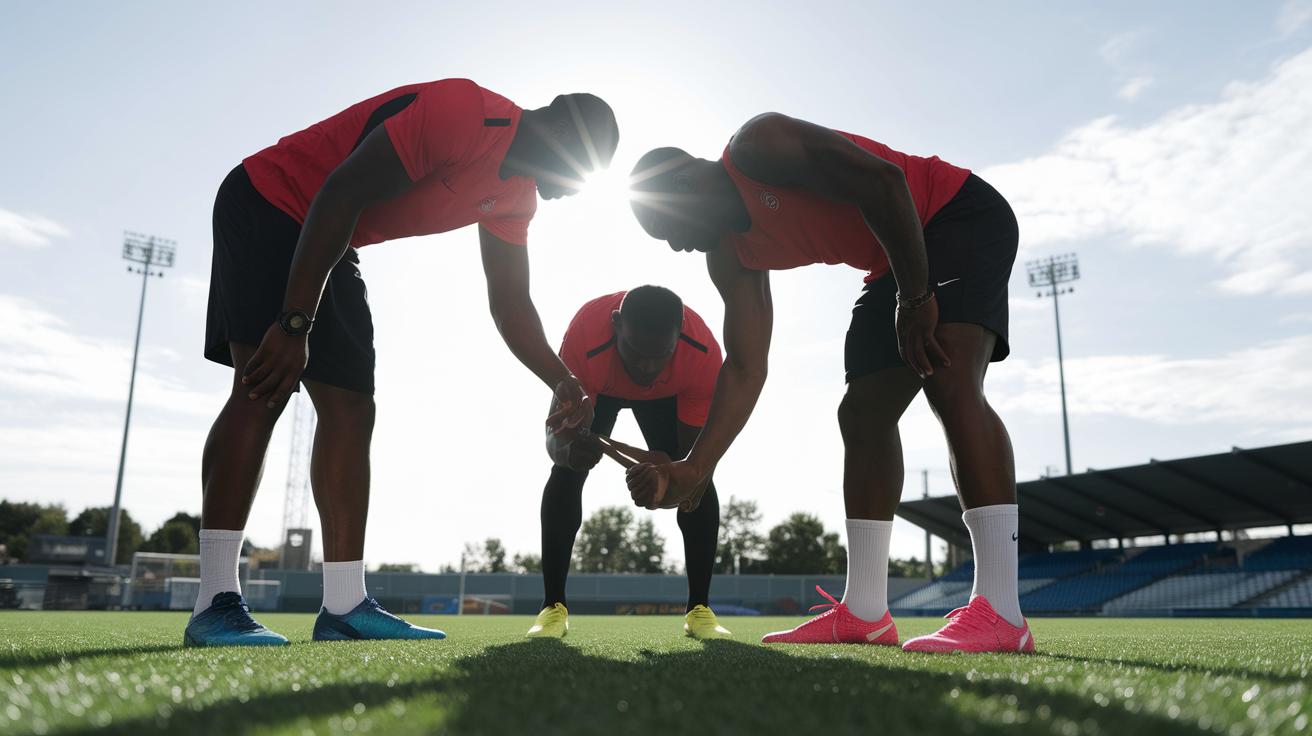
Having a solid support network can really change the game when you're dealing with sports performance anxiety. Lean on coaches, teammates, or a sports psychologist for a friendly boost when contest nerves hit hard. They share down-to-earth advice and hands-on ways to help you stay cool when the pressure builds up.
If those jitters start creeping in before or during a match, reach out to someone who’s got your back. A quick chat with a trusted mentor or friend can remind you that you’re not in this battle alone. And if you need extra support, virtual coaching is a great option. Check out these links on how virtual coaching works for athletes and the benefits of virtual fitness coaching to connect with expert advice anytime, anywhere.
Even on tough days, working with a coach-led team offers practical tips for easing stress while giving you honest feedback on your game. It’s like having a workout buddy who cheers you on through every challenge.
Remember, a strong support system does more than lift your spirits – it builds mental toughness too. Regular heart-to-hearts with someone who understands can turn those anxious moments into chances to grow stronger. With caring, professional guidance, you’ll find the confidence to take on any challenge, both on the field and in life.
Lifestyle Adjustments to Maintain Low Stress and Reduce Sports Performance Anxiety

Getting plenty of sleep can do wonders for both your mind and body. Try to get 7 to 9 hours of sleep each night so your brain stays sharp and your body has the energy it needs to handle daily stress. When you're well-rested, you can focus better and keep negative thoughts under control.
What you eat also plays a big part in calming your nerves. It might help to cut back on caffeine and add foods rich in magnesium, like leafy greens and nuts. Think of your body as a well-oiled machine – the better you fuel it, the better it performs.
Mixing regular workouts with active recovery can help lessen long-term anxiety. Build a workout plan that blends intense sessions with lighter, easier exercises. It’s like pairing a tough workout with a soothing cool-down. For example, adding yoga or gentle stretching a few times a week can lower your stress and keep you relaxed when it counts.
- Keep a regular sleep schedule
- Eat a balanced diet to stay calm
- Add active recovery days to your exercise routine
- Practice stress-relief techniques often
Together, these habits build a strong foundation that keeps your mind clear and your body ready to perform when it matters most.
Final Words
In the action of tackling sports performance anxiety, we explored easy pre-competition techniques, mindfulness practices, and lifestyle tweaks to boost confidence and mental strength. We looked at recognizing triggers and relied on proven methods like visualization and deep breathing. We also highlighted the value of support systems and expert advice, including virtual coaching. These strategies work together to empower you in overcoming performance anxiety in sports and can lead to a more focused, enjoyable workout every time. Keep pushing forward and enjoy the progress!
FAQ
What famous athletes have performance anxiety?
The famous athletes with performance anxiety remind us that even top competitors experience nerves, using focus techniques and support to overcome obstacles and perform at their best.
What do statistics reveal about overcoming performance anxiety in sports?
The statistics on overcoming performance anxiety in sports show measurable improvements when athletes apply mental strategies like mindfulness, breathing exercises, and positive self-talk, boosting their competitive edge.
What are some examples of overcoming performance anxiety in sports?
The examples of overcoming performance anxiety in sports include athletes using pre-game routines, visualization, and controlled breathing to calm nerves, leading to improved performance and confidence.
What are common sports anxiety symptoms?
The sports anxiety symptoms include visible signs like trembling, a racing heartbeat, dry mouth, and negative self-talk, which can affect focus and overall performance if not managed.
What role does medication play in sports performance anxiety?
The sports performance anxiety medication can help ease physical symptoms such as rapid heartbeat, but athletes must use these under guidance from healthcare professionals to suit individual needs.
How can I help my child with sports anxiety and sports anxiety in kids?
The way to help a child with sports anxiety is by encouraging open talk, creating steady routines, and seeking guidance from coaches or experts who can teach calming techniques to support them.
What is available in an anxiety in sports psychology PDF?
The anxiety in sports psychology PDF typically provides research insights and step-by-step strategies—like mental rehearsal and mindfulness exercises—to help athletes manage and reduce anxious feelings.
What is the 3 3 3 rule for anxiety?
The 3 3 3 rule for anxiety involves identifying three things you see, three things you hear, and three things you can touch, helping ground your focus and calm racing thoughts.
How do you stop performance anxiety and how do pro athletes deal with it?
The method to stop performance anxiety for both everyday players and pro athletes is to practice techniques like deep breathing, visualization, and pre-game mental routines that foster calm and clear focus.
Should I quit my sport if it gives me anxiety?
The idea behind whether to quit your sport if it gives you anxiety is to first try proven techniques and seek support—often adapting strategies can reduce anxiety enough to safely continue playing.