Ever thought about food that works just for you? Imagine a meal plan that fits your unique style, from your DNA clues to the way you live every day. Precision nutrition uses smart insights to match what you eat with how your body runs. It might give you a burst of energy and help you handle day-to-day challenges better. In short, it’s a fresh way of eating that turns every meal into a step toward feeling great.
Precision Nutrition in Precision Health: Tailoring Diets to Genetic, Metabolic, and Lifestyle Profiles

Imagine a nutrition plan that uses your own genes, how your body handles food, and what you do every day to create a diet that’s just right for you. This approach builds on a big NIH initiative worth $170 million called All of Us, which is trying to match food ideas to your unique makeup. In other words, it’s like crafting a custom meal plan based on your own genetic blueprint, how you process foods, and your daily habits.
By checking things like your genetic markers (the bits of your DNA that tell us about your body), blood chemicals, and everyday habits such as sleep, exercise, and stress levels, researchers can better guess how your body will react to different foods. This modern method uses smart techniques to sift through details and offer practical suggestions that fit naturally into your life. It’s exciting to think about meal plans that not only taste great but also work in perfect harmony with your body’s needs.
Key factors that come into play include:
- Genomic variants and nutrigenetic markers
- Metabolite profiles from blood and urine
- Biomarker panels (like those for lipids, glucose, and inflammation)
- Microbiome makeup
- Everyday lifestyle elements such as activity, sleep, and stress
When your meals match your unique biology, you might notice more energy, easier digestion, and a body that handles dietary challenges better. Precision nutrition goes beyond just choosing foods, it’s about taking charge of your own well-being by meeting your body’s special needs head-on.
Genomic-Based Eating Plan Design for Precision Health
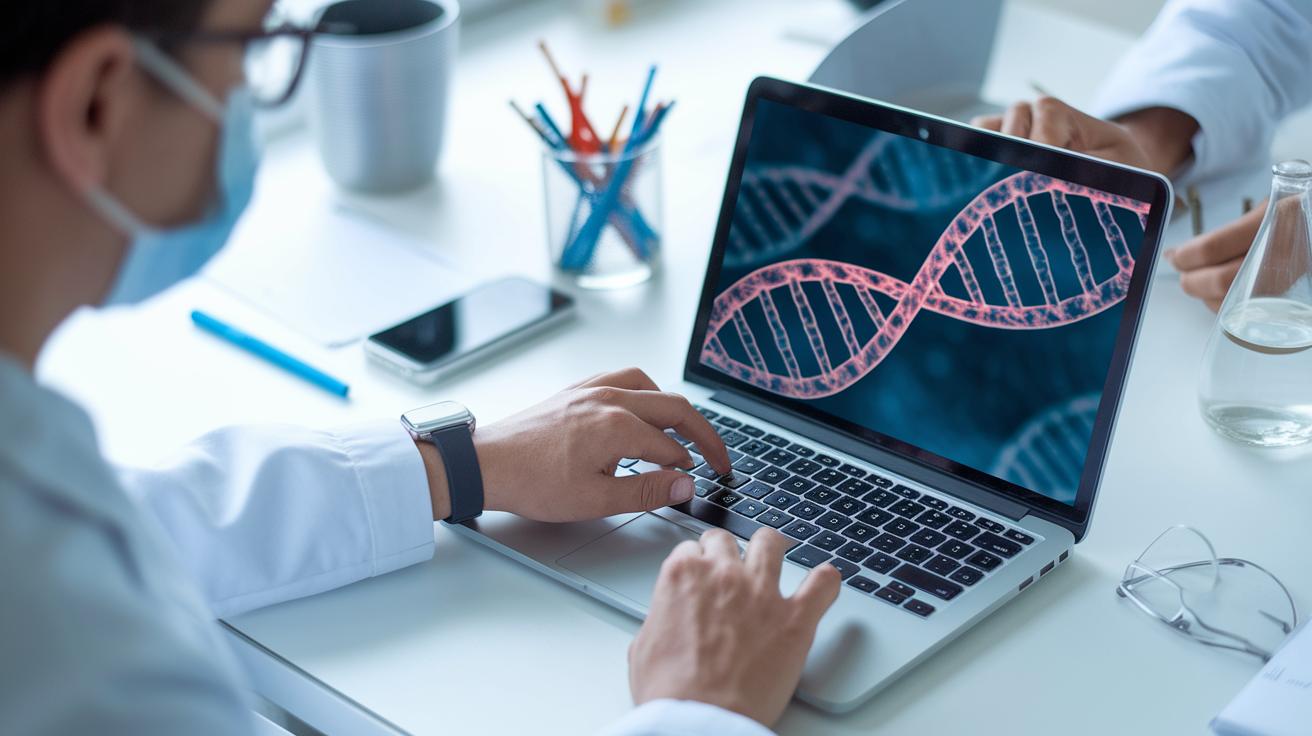
Our genes actually play a big role in how we process food and feel afterward. It turns out that our unique DNA can affect how we absorb nutrients and use the energy from our meals. Scientists have found that certain genetic traits change nutrient absorption and metabolism, which opens the door to a truly personalized eating plan.
Our Precision Nutrition Core teams up with expert Clinical Research and Metabolomics Centers at places like Northwestern, University of Chicago, and Rush. Using modern DNA testing, they collect samples to find important genetic markers such as MTHFR and APOE; these markers help us understand how our bodies take in essential nutrients. With this clear genetic picture, researchers create diet scoring systems that guide specific meal plans for individual needs. In short, this approach moves away from cookie-cutter advice and really focuses on boosting your health with a plan that fits you.
Think about how genes influence things like fat processing, folate use, and even caffeine sensitivity. For example, a person with a unique APOE gene variant might handle fat differently from someone else. These insights let us fine-tune diet recommendations so they match your unique setup, giving you real, everyday benefits.
Metabolomics and Biomarker-Based Nutrient Assessment in Precision Health Nutrition
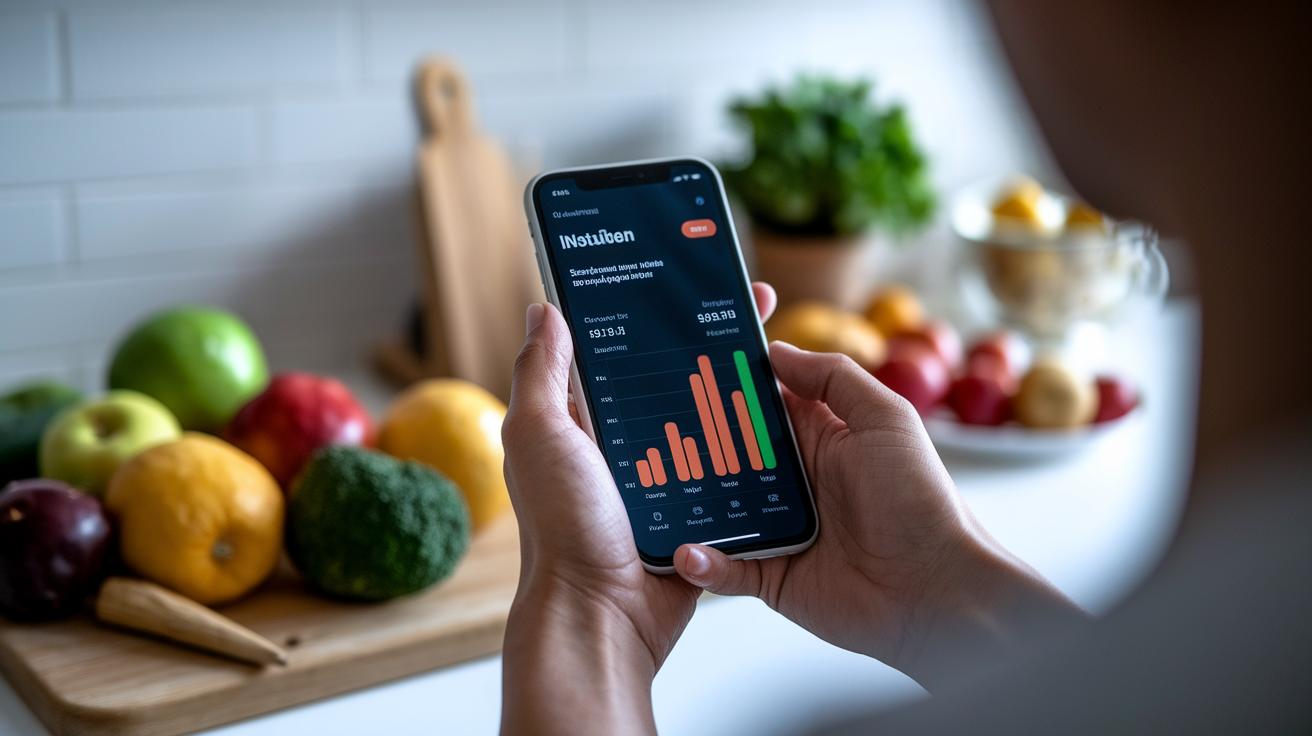
Imagine getting a glimpse into your body’s secret playbook with just a few simple tests. Testing for biomarkers and metabolites means running lab tests like blood lipid panels and urine checks to see how well you’re breaking down and using nutrients. It’s like peeking at your personal nutrition blueprint to see how your body handles different foods, whether it’s burning fat or using sugar for energy.
Markers such as insulin sensitivity and fat-burning rates give helpful hints for tweaking your diet. For example, if your body isn’t handling insulin well, experts might suggest a bit more protein to keep your blood sugar steady. Or if your body is a natural fat burner, you might add more healthy fats to your meals. It’s all about setting up a meal plan that dances to the beat of your body’s unique rhythm.
And by mixing in details about your body’s traits, like measurable physical features, nutrition specialists can fine-tune your plan over time. In short, this approach keeps your diet aligned with what your body really needs, making every meal a step toward better health.
Digital Meal Tracking Innovations and Data-Driven Nutrient Solutions

Smartphone apps and wearable gadgets are changing the way we track our meals and see our eating habits in real time. Many apps let you snap a picture of your meal and log it instantly, while fitness trackers record your steps and sleep. They work together to give you quick hints about your eating patterns – maybe even telling you when you need a healthy boost. For example, your app could nudge you with a message like, "Time for a fruit break!" based on your activity and past meals.
These smart tools use simple calculations to help adjust your diet. They take a look at the meals you record and suggest the right mix of nutrients to keep you feeling balanced and energized.
Then there’s artificial intelligence, which steps in to fine-tune your meal plan even more. It checks your daily routines and patterns to suggest the best times to eat and the right portions for your meals. This makes your plan feel personal and just right for you.
Clinical Trials, Case Studies, and Targeted Diet Study Initiatives in Precision Health
At our research center, an active Advisory Board and expert teams work side by side with faculty from Chicago institutions. They build a solid foundation for clinical studies, participant groups, and community projects like Appetite for Life, while sharing results in a clear Impact Report.
Our focused diet projects and clinical trials on eating patterns are uncovering valuable insights into how a personalized eating plan can boost health. We test meal plans designed around specific nutrients, gather data from different groups, and refine eating habits that work best for each body.
Case studies show that personalizing your diet can lead to real improvements. Many participants have seen steadier blood sugar levels and more energy after making small changes to their meals. Even little tweaks can reduce signs of inflammation and balance fat levels, offering hope for those managing their diets carefully.
We also explore long-term diet changes aimed at preventing chronic conditions. By studying these steady lifestyle adjustments, we look for ways to lower health risks while letting people enjoy everyday benefits from a meal plan that really fits them.
Future Directions in Nutrition for Precision Health: AI, Omics Integration, and Personalized Guidance

Artificial intelligence and bioinformatics are changing the game when it comes to personalizing your diet. Imagine an app that checks your genes, metabolism, and daily habits to offer you simple meal tweaks, almost like having a personal coach who knows your body inside out. This smart technology makes it easier to get advice that really fits you.
We're also seeing more talk about multi-omics integration. This just means bringing together different types of health information, like your genetic makeup, the chemicals in your body, and even tiny changes in your genes, with data from devices you wear every day. Think of it as putting together a puzzle where each piece, from your DNA to how well you slept, helps create a meal plan that is completely yours. For example, your fitness tracker might buzz with a reminder: "Swap that high-carb snack for something with more protein." Small nudges like these can help you stay on track throughout the day.
Looking ahead, the next step is to build smart programs that teach you about healthy eating in real time and even guide your choices when you’re picking up groceries. Imagine your phone helping you decide which foods to buy, making your daily meal planning easier and more fun.
Final Words
in the action, we explored how modern science and data-driven techniques are reshaping the way we plan our diets.
We covered gene–diet interactions, metabolic insights, and smart digital tools that adjust our eating habits in real time.
Each section showed how combining genetics, biomarkers, and lifestyle data creates an effective nutrition for precision health plan that really works.
Keep experimenting with different approaches, and remember that even small changes can lead to great results.
FAQ
Q: How can I enroll or login to the Nutrition for Precision Health study at institutions like UNC, NIH, or UAB?
A: The Nutrition for Precision Health enrollment means accessing your study portal on the respective institution’s website. Follow your designated site’s login or enrollment instructions at UNC, NIH, or UAB.
Q: What is Precision Nutrition, and how do hand portions and certification fit in?
A: The term Precision Nutrition means a personalized eating approach that uses hand portion guidelines and professional certification programs to guide healthier food choices and support educational growth.
Q: What is the Precision Nutrition method or model?
A: The Precision Nutrition method means using science-backed research and systematic assessments to create personalized eating plans, where the model guides you with clear, step-by-step strategies that match your needs.
Q: Is Precision Nutrition good?
A: The Precision Nutrition approach means offering science-informed, tailored advice that improves eating habits effectively, making it a beneficial system for enhancing your overall health.
Q: What is deep health precision nutrition?
A: Deep health precision nutrition means focusing on whole-body wellness by analyzing genetic, metabolic, and lifestyle factors to develop highly personalized food plans that support comprehensive health outcomes.