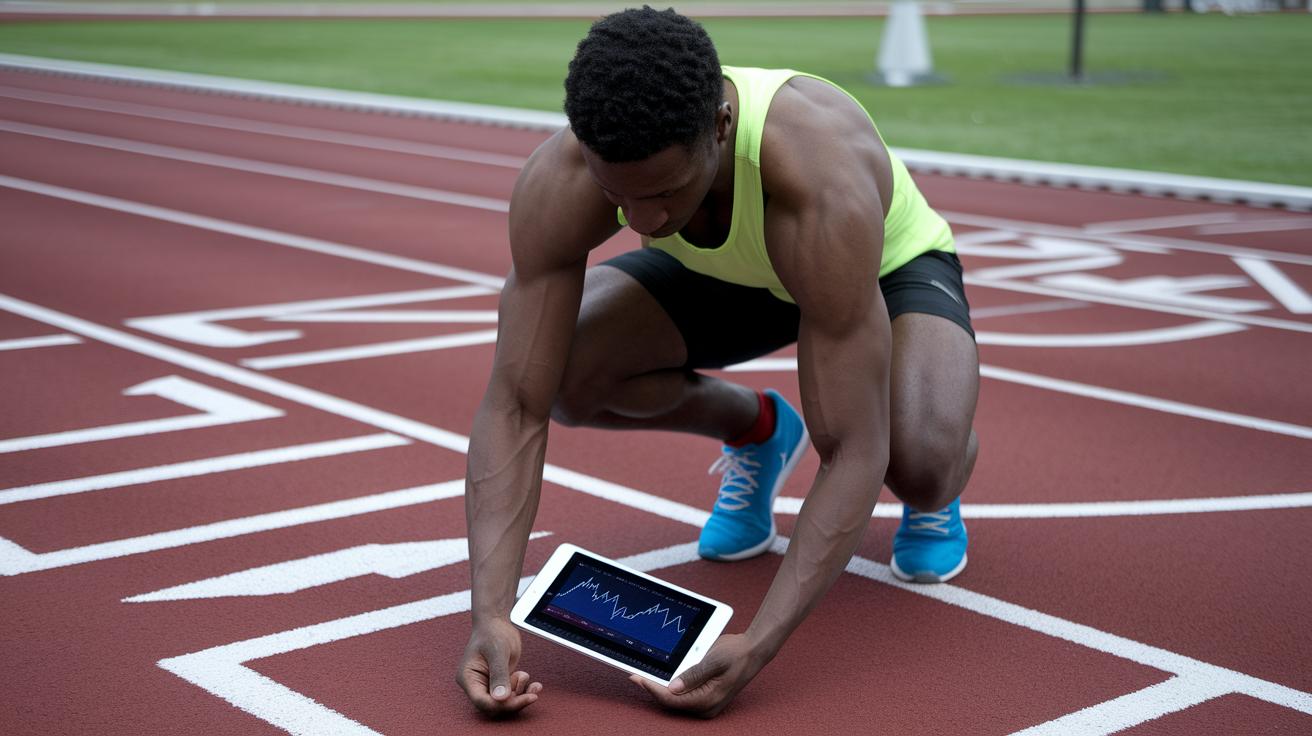
Have you ever wondered if your workout numbers might be missing a little extra detail? Today’s smart gadgets do more than just count your steps, they track every move you make. Imagine having a coach by your side that keeps an eye on your speed, how tired you feel, and even how much power you’re using, all day long.
Now, think about wearable devices that work like a digital diary, and simple training logs where you can jot down your own thoughts. These tools let you see your progress in real time, making every workout feel more personal and powerful.
In this post, we share easy tips to help you monitor your athletic progress using these smart tools. By using them, you can really fine-tune your performance and get the most out of every session. Ready to step up your game?
Comprehensive Methods for Monitoring Athletic Progress

Today, tracking your workout goes beyond simply checking your heart rate or counting distance. Modern wearables gather real-time data using sensors like GPS, mini gyroscopes to follow your movements, pulse sensors for oxygen levels, and accelerometers to record your activity. It’s like having a tiny coach right on your wrist, always keeping an eye on your speed, fatigue, and how hard your body is working.
-
Wearable Technology
Devices such as VECTOR PRO, CATAPULT ONE, and RaceWatch constantly share info like your pace, how quickly you slow down, and the force of every impact. Imagine having a fitness diary that updates every second, showing you each move you make. -
Laboratory & Field Performance Tests
Sometimes, measuring your progress happens in controlled settings like labs or on the field. Tools like force plates record how hard you push off the ground, while ISO Plates check muscle strength during steady holds. And photocell timing with torso detection gives you precise sprint times. Think of it like doing a mini science experiment to learn about your own power and endurance. -
Data Analytics Platforms
Digital dashboards take thousands of data points and turn them into easy-to-read charts. These reports help coaches spot trends, like when you’re getting tired or need some extra rest. It’s a quick way to see what’s working and what might need a tweak. -
Training Logs & Journals
Both handwritten and digital logs track details like sets, reps, and how hard each session felt. When combined with automated data, these records give you a full view of your training journey.
Altogether, mixing high-tech tracking with personal notes lets you see your progress clearly and push yourself to reach new goals.
Wearable Technology in Monitoring Athletic Progress

These days, wearables do a lot more than just record your speed or power. They now give you real-time clues that can help keep injuries at bay and speed up recovery. For instance, some gadgets use sensors like accelerometers (which measure changes in movement) and pulse monitors to spot when your muscles are getting tired. Imagine a runner whose device notices tiny shifts in coordination before a high-intensity workout really kicks in. This early alert helps trainers adjust the workout before anything injurious happens.
Take the WIMU system by Realtrack Systems, for example. It gathers more than 2,000 pieces of data every second! Trusted by national teams in Spain, Russia, and Costa Rica, its detailed analysis can catch even the smallest changes in movement. Picture a soccer player who, during a sprint, has their wearable notice a slower angular movement. This alert might prompt the player to do a different warm-up so they don't push too hard.
Devices like Catapult One and VECTOR CORE mix heart rate, power, and position tracking with insights that look ahead. They go beyond just showing your numbers by comparing sessions over time to warn you about possible injury risks. Imagine a scenario where, during a tough drill, a wearable shows a mild drop in oxygen levels. Later, that decrease might line up with early stress signs, giving coaches a chance to adjust the workout.
Looking ahead, future wearables will likely blend sensor data with smart technology to offer personal recovery plans. They could suggest dynamic stretches as soon as they detect muscle fatigue. It’s like having a personal coach on your wrist, helping you recover faster and better.
| Feature | New Use |
|---|---|
| Accelerometers | Spot early signs of tired muscles |
| Gyroscopes | Watch for changes in movement that could stress joints |
| Pulse Oximeters | Track oxygen levels to help plan recovery |
- New trends focus on preventing injuries by watching small shifts in performance.
- Studies are comparing which sensors work best for predicting recovery needs.
- Data from these devices is paving the way for workout plans that adjust as you train.
Consider an athlete whose wearable compares past workouts with current data. By spotting differences early, it can warn of overtraining risks before they turn into a real injury.
Laboratory and Field Performance Tests for Progress Monitoring
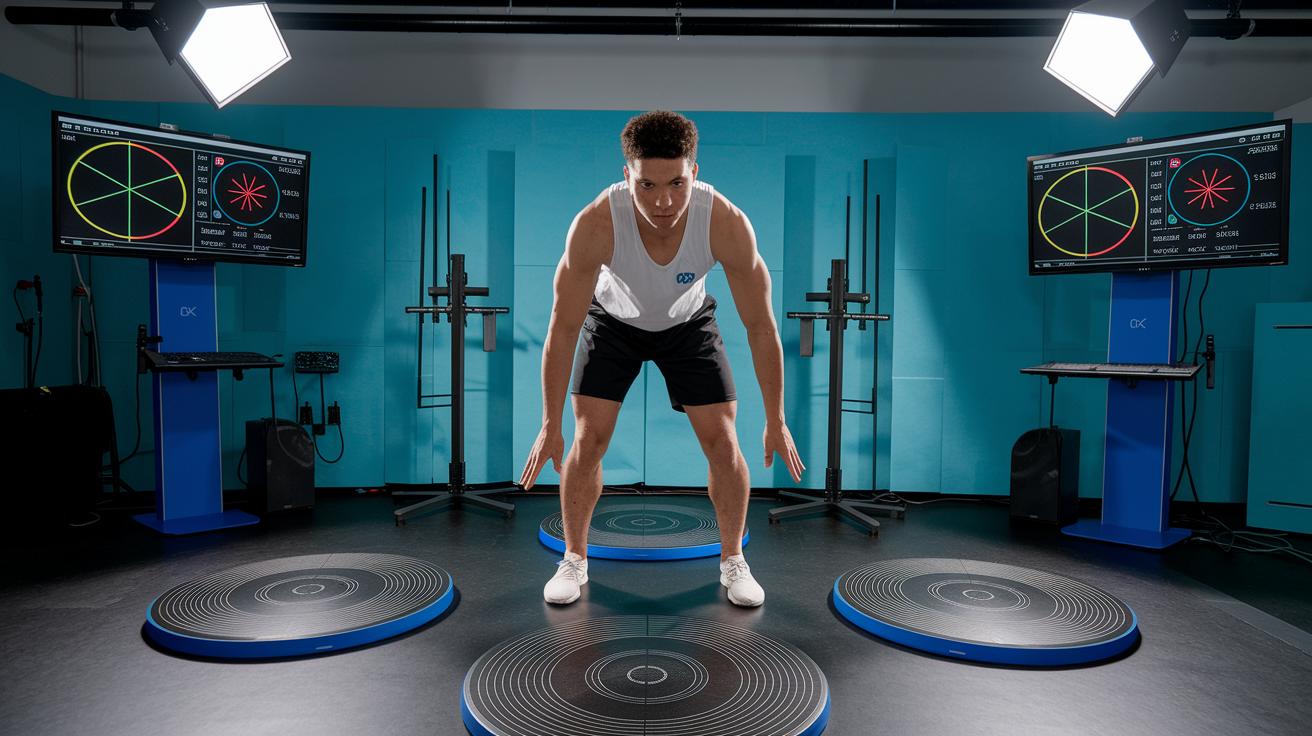
Force plates show how hard you push against the ground while running, jumping, or even doing sled pushes. They capture every impact when you land, helping us see even the slightest changes in your force. In one test, a tiny drop in force power helped an athlete adjust their landing style.
ISO Plates check your muscle strength by measuring how hard you can push or pull without moving your joints, like in squats or presses. It’s like a stopwatch for your muscles, recording how quickly they build force during a hold.
Photocell timing systems use sensors on your body to track sprint times between 5 and 40 meters with almost perfect accuracy, down to 0.01 seconds. This is really useful for drills where every single millisecond matters.
VO2 max tests use special equipment called metabolic carts to see how well your body uses oxygen during exercise. The SuperTrening lab, covering 150 m² with artificial turf and thick rubber floors, is set up for loaded carries, plyometrics, and acceleration drills. For instance, Olympic snowboard silver medalist Tim Mastnak uses these tests to fine-tune his performance.
| Test | Focus |
|---|---|
| Force Plates | Measuring force on the ground during dynamic movements |
| ISO Plates | Assessing muscle strength and how fast force builds up |
| Photocell Timing | Accurate sprint timing using torso sensors |
| VO2 max | Tracking oxygen use to gauge aerobic capacity |
Data Analytics and Training Logs in Athletic Progress Monitoring

Keeping a digital diary of your workouts can really help turn raw numbers into useful insights. These logs record every set, rep, weight, distance, and even how hard the session felt (we call that Rate of Perceived Exertion, or RPE). For instance, you might write, "After a drop set, my reps dropped from 12 to 8, which showed early muscle fatigue."
These platforms take your data and build easy-to-read dashboards that show your weekly workout load by mixing volume with intensity. They break things down into long-term (chronic) trends versus short-term (acute) efforts and keep track of your session consistency. Sometimes, if your load jumps more than 15% from one week to the next, you even get a little alert, almost like having a friend remind you to take it easy.
- Training load analysis: Spot the trends in your daily workout numbers.
- Activity logger study: Compare how you perform over time with your session records.
- Data-driven routine audit: Check and adjust your workouts by pairing log details with wearable sensor data.
- Coaching data tracker: Let your coach overlay your biometric trends with specific training sessions for clearer insights.
These logs and dashboards do a great job of keeping an eye on your progress and even help coaches fine-tune recovery plans and training decisions. By combining wearable data with your own feedback, every sprint, jump, and rest period gets a thorough look. This mix of numbers and personal notes makes your training smart and truly effective.
Case Studies Illustrating Athletic Progress Monitoring Methods
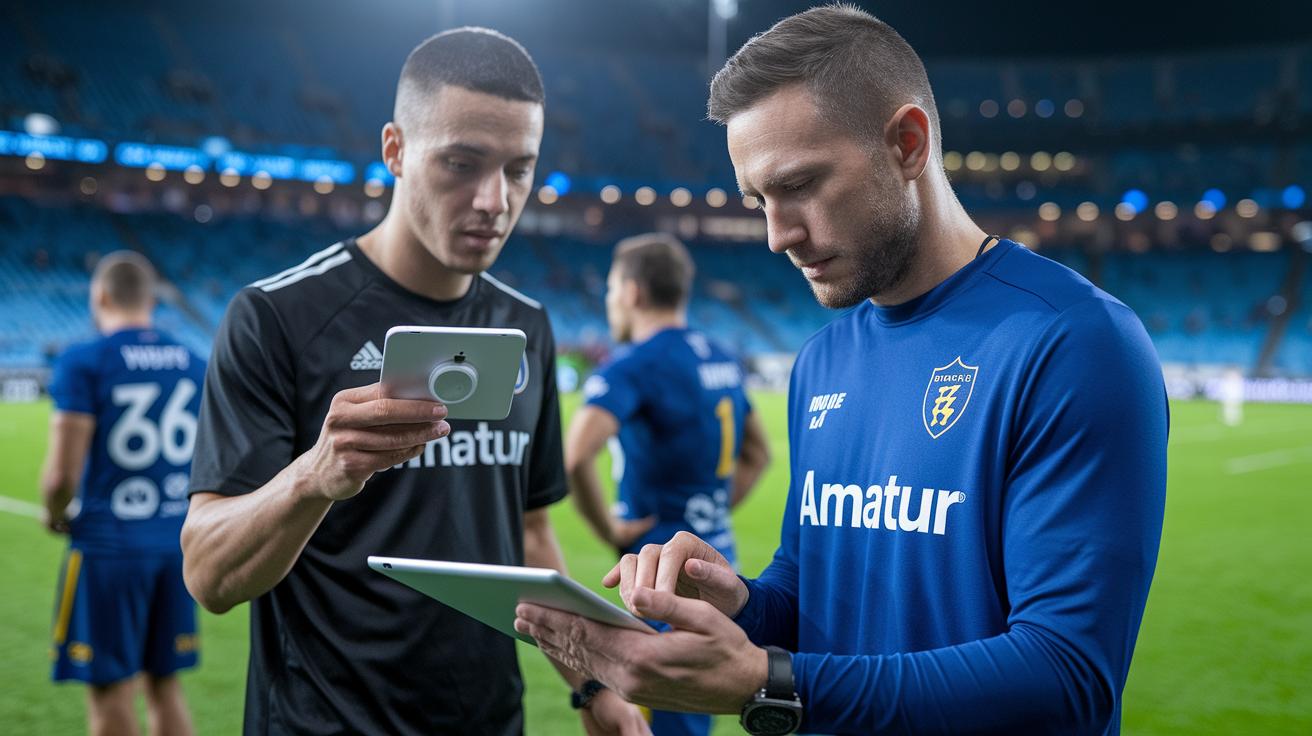
National football teams in Spain, Mexico, and Belgium have been using WIMU’s grid to check how each player is doing compared to the team’s overall standard. For example, one team discovered that by keeping an eye on players’ acceleration and how they move around, several players tweaked their warm-up routines to dodge tiredness during intense drills.
Olympic snowboarder Tim Mastnak improved his start times by 0.12 seconds after receiving biomechanical feedback, which is a fancy way of saying that small, precise changes can really add up. In another case, data from photocells showed a 5% boost in sprint speed over six weeks, proving that even tiny adjustments in training can lead to noticeable gains.
Catapult’s Game Day Index is another handy tool used by coaches. It helps them tune the pre-match workload so that players hit their peak performance exactly when it counts.
- National teams blend individual growth monitors with side-by-side comparison grids.
- Data archives and game day indices offer clear snapshots of performance trends and help coaches make timely tweaks.
These real-world examples show that modern monitoring methods do more than just track progress, they actively shape training decisions to help athletes always move forward.
Best Practices for Effective Monitoring of Athletic Progress

Begin by planning regular tests to gather those key workout numbers. Try scheduling VO2 tests, which check how well you use oxygen during exercise, and body composition scans every few months to keep tabs on your muscle and fat changes. Plus, run force plate and sprint tests twice a month to gauge your speed and explosive power. Think of it like checking your car’s oil; except here, you’re checking your workout details to keep things running smoothly.
Every day, jot down your HRV (heart rate variability, a measure of how well your body recovers) and RPE (rate of perceived effort, or simply how hard your workout feels) to monitor recovery, stress, and effort. These daily notes, kind of like counting your steps, build a solid base for making smart tweaks to your training.
Make it a habit to review weekly score charts. This simple step helps you notice patterns and adjust your routine when needed. It’s like having an ongoing conversation with your coach, where your personal feedback and clear workout data come together to fine-tune your training plan.
- Daily reflections: Recording HRV and RPE helps connect how you feel with what the numbers show.
- Weekly review: Checking score charts lets you see your progress or spot any dips.
- Adaptive planning: Coaches can tweak your training plan based on clear, data-driven insights.
- Routine audits: At the end of each short training cycle, these data checks confirm that everything is on track.
Mixing regular tests with a steady review system builds a strong feedback loop. This method cuts out the guesswork, ensuring that both you and your coach stay focused on your progress and recovery every step of the way.
Final Words
In the action, our discussion highlighted how wearable tech, lab tests, data analytics, and training logs work together to boost performance. Using these methods for monitoring athletic progress goes beyond tracking numbers, it helps you feel more prepared and confident every day. Real-world examples show that even small tweaks can lead to big improvements. Keep exploring these practical techniques and enjoy each step of your workouts. Stay positive, keep moving, and watch your progress take shape!
FAQ
What are examples of wearable technology in sports?
The wearable technology in sports examples include GPS trackers, heart rate monitors, accelerometers, and pulse oximeters that collect real-time data, guiding coaches and athletes in making smarter training decisions.
How does monitoring training load help understand athlete fatigue?
The monitoring training load approach tracks work volume and intensity through devices, helping teams spot signs of fatigue and adjust recovery to maintain optimal performance and reduce injury risk.
Which companies lead the way in sports wearable technology?
The sports wearable technology companies, like Catapult and VECTOR CORE, create devices that capture metrics such as speed, acceleration, and positional data, empowering coaches to fine-tune training and tactics.
How is wearable technology used in football?
The wearable technology in football tracks player speed, movement, and power, giving coaches real-time insights to manage training loads and optimize match-day strategies effectively.
What roles do wearable performance devices play in sports medicine?
The wearable performance devices in sports medicine capture key performance metrics like heart rate and impact forces, aiding in injury prevention, recovery monitoring, and overall athlete health management.
What are the disadvantages of GPS tracking in sport?
The disadvantages of GPS tracking in sport include occasional data inaccuracies in restricted spaces and potential signal issues in certain environments, which can limit the precision of some performance measures.
What athlete monitoring devices are commonly used in sports?
The athlete monitoring devices in sports typically include wearable sensors, heart rate monitors, and tracking systems that capture performance data to manage training loads and support recovery.
How have these technologies changed training methods in sports?
The technologies have changed training methods by providing real-time data and individualized insights, which help coaches adjust loads, prevent injuries, and enhance overall performance during both practice and competitions.
What methods are used in athlete monitoring?
The methods of athlete monitoring combine wearable technology, laboratory and field tests, data analytics platforms, and training logs to give a well-rounded view of an athlete’s performance.
How do you measure athletic progress and performance?
The athletic progress and performance are measured using devices and tests like GPS trackers, force plates, and analytical dashboards that track load, speed, strength, and overall performance improvements.