Ever wonder if you're getting enough protein to keep your muscles strong while losing weight? Protein is like a good workout buddy, it helps protect your muscles when you lower your calories so you don’t lose the strength you worked hard for.
Imagine it like building a solid wall to support your muscles, even as your body burns fat. Whether you’re doing light exercises or really pushing yourself with heavier workouts, your protein needs can change, and that might seem a bit confusing at first.
But don’t worry. In this guide, we break it all down in simple terms so you can figure out exactly how much protein will help you hit your fat loss goals.
How Much Protein Per Day for Fat Loss
The usual minimum protein need is 0.8 grams per kilogram (or 0.36 grams per pound), which is just enough to avoid a deficiency. But if you're looking to lose fat, you need more protein to help preserve your muscle while your body burns extra calories. Think of it like giving your body an extra helping hand during a calorie drop.
When you're working to lose fat and hold onto lean muscle, these protein targets really count:
- Minimum need: 0.8 g/kg (0.36 g/lb)
- For weight loss: 1.6–2.2 g/kg (0.73–1 g/lb)
- For heavy workouts: 2.2–3.4 g/kg (1–1.5 g/lb)
Take, for example, a 50-year-old woman who isn’t very active and weighs 140 lbs. She would need about 53 grams of protein a day. But remember, factors like your activity level and metabolism can change the numbers. In short, adjust your protein intake to suit your lifestyle and help reach your fat loss goals.
Calculating Personalized Protein Requirements for Weight Loss

Protein isn’t a one-size-fits-all thing. Our bodies are different, whether you’re lighter, heavier, or more active. That’s why the perfect protein goal has to match your own profile. Adjusting your protein intake helps you keep lean muscle and even burns fat when you cut calories. Let’s chat about two simple ways to figure out your ideal protein amount.
Imagine using your body weight as your guide. With the weight-based method, you multiply your weight by a set number. For instance, if you weigh around 70 kg (roughly 154 lbs) and aim for 2 grams per kilogram for an active fat loss journey, you’d need about 140 grams of protein each day. If you’re more comfortable with pounds, try about 0.9 grams per pound. Picture it like stacking blocks: line up 70 blocks and then double that number to create a solid, muscle-supporting wall.
Now, think about a pie made up of your daily calories. Using the calorie-percentage method, you decide that 20% to 30% of those calories should come from protein. For example, on a 1,800 calorie plan, if you choose 25% from protein, that’s 450 calories. Since each gram of protein gives you 4 calories, divide by 4 to land at around 112 grams. It’s a bit like slicing your calorie pie so protein gets its own satisfying piece, keeping hunger at bay.
Which method works best for you? If you like using your body weight as the starting point, go with the weight-based approach. But if you’re always tracking your total calories, the percentage method might be a better fit. Either way, you’re setting yourself up for a balanced, effective plan that supports both muscle repair and a leaner body.
Key Benefits of Protein in a Weight Loss Regimen
Protein is your body's best friend when you're working to shed extra pounds. It not only helps repair and build muscle, but it also plays a big role in keeping your body fueled during a calorie cut. Eating enough protein can help you feel satisfied longer, so you don’t feel the urge to snack all the time. It’s like giving your body the right kind of fuel to burn fat more efficiently.
Here are some real benefits you can count on:
- Feeling full: Protein helps keep hunger at bay, so you’re less likely to reach for extra snacks.
- Keeping muscle intact: Even with fewer calories, protein works to preserve your hard-earned muscle.
- Boosting calorie burn: Your body uses more energy to digest protein than other nutrients, which means more calories burned.
- Limiting fat gain: Extra protein is less likely to turn into fat compared to other foods.
All of these points come together to support steady, sustainable weight loss. By protecting your muscles, ramping up your metabolism, and helping you stay full, protein is a key piece in the puzzle of a balanced, healthy lifestyle.
Top High-Quality Protein Foods for Slimming
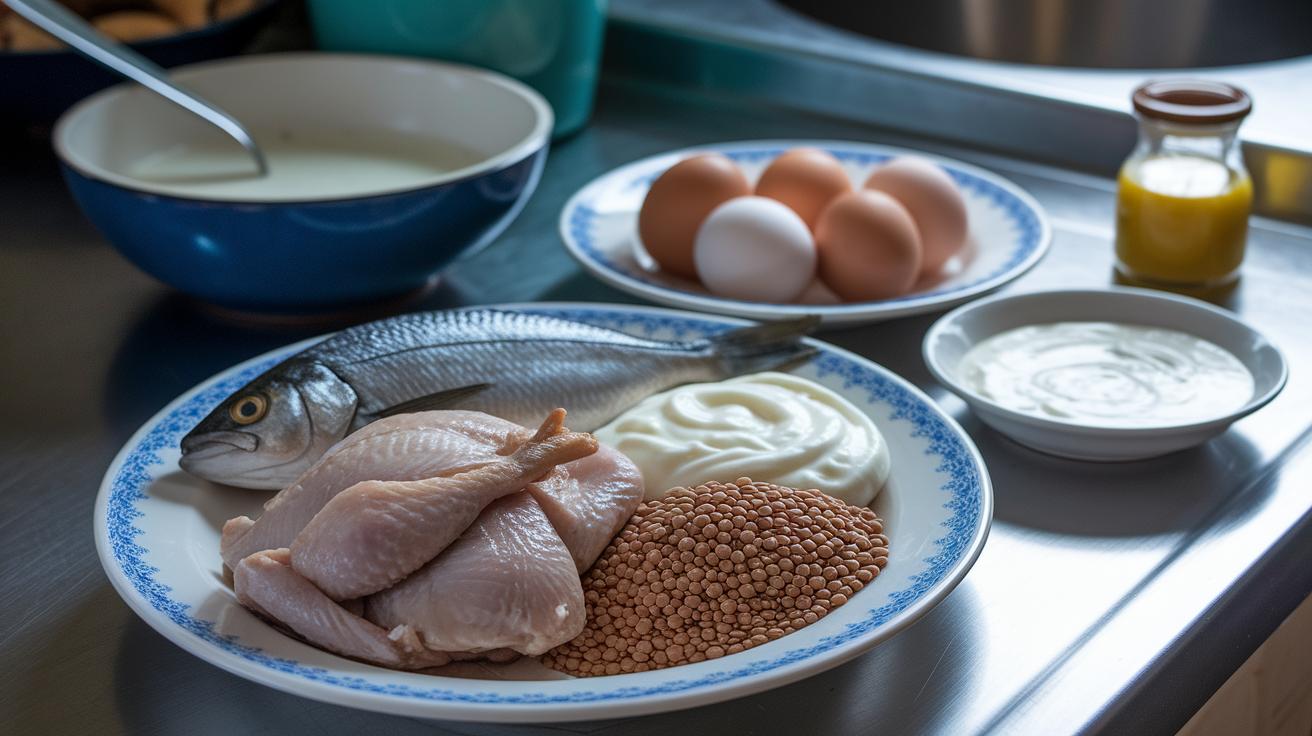
Picking protein-rich foods that help you slim down is super important. Each food isn’t only about protein, it also brings along vitamins and minerals that keep you energized and satisfied. High-quality protein helps you feel full, builds strong muscles, and even supports fat loss. Plus, switching up your protein sources can make your meals more exciting!
| Food | Protein per Serving (g) | Calories per Serving | Protein Density (g/100 kcal) |
|---|---|---|---|
| Chicken Breast/Turkey | 25-30 | 165 | 16-18 |
| Fish (Salmon/Tuna) | 22 | 140 | 15.7 |
| Eggs | 6 | 70 | 8.6 |
| Greek Yogurt | 17 | 100 | 17.0 |
| Lentils | 9 | 115 | 7.8 |
| Protein Powders | 20-30 | 120 | 16.7-25.0 |
Mixing animal and plant proteins gives you a broader range of nutrients. Lean meats like chicken and turkey pack a punch with plenty of protein and key amino acids that help build and repair your muscles. On the other hand, plant foods like lentils bring fiber and antioxidants to the table, which are great for keeping your digestion in check. Even eggs and Greek yogurt offer a nice balance of protein and essential vitamins, perfect after a heart-pumping workout. And if you’re in a hurry, protein powders make it easy to boost your intake without extra sugars.
Switching between these different protein sources not only spices up your meals but also fills any nutritional gaps. Think of your plate like a solid workout routine, every part works together to keep you lean, strong, and ready for the next challenge.
Timing and Distribution of Protein Intake for Fat Burning
Getting your protein at the right time can really kick your metabolism into gear and keep you satisfied all day. When you eat about 20 to 30 grams of protein spread over three to five meals, your muscles get the steady fuel they need for repair and growth. This steady protein boost also helps control hunger and keeps your metabolism working hard.
Here are three simple ways to plan your protein intake:
- Enjoy protein evenly spaced throughout your meals.
- Time your protein around your workouts, either about 30 minutes before or after you exercise.
- Have a slow-digesting protein, like casein, at bedtime to help your muscles recover overnight.
Using these strategies means your muscles can recover faster after a workout and your body burns fat more effectively. With protein intake timed just right, every meal works toward your fat loss goals while helping rebuild your muscles.
Tracking and Adjusting Protein Intake on a Weight Loss Journey

Keeping an eye on your protein intake is super important on your weight loss journey. It’s like keeping a fitness log, you can spot little issues before they turn into big setbacks. A food diary or a handy mobile app lets you note your protein grams each day, so you stay on top of your game.
Here are some simple tools you might use:
- Food journals or smartphone apps
- Food scales and measuring cups for accurate portions
- Protein intake calculators
These methods help you really see what’s happening. When you notice your weight loss slowing down or your activity levels changing, it might be time to adjust your protein goals. On days when your workouts feel extra tough, you might need a bit more protein to help your muscles bounce back. And if your routine gets easier, reducing your protein just a little might help balance your calorie intake.
Keeping a clear record, whether it’s through a simple journal or a dedicated app, makes it easier to tweak your nutrition as your needs evolve. Adjust your protein amounts as your routine shifts, and watch yourself keep making progress toward your goals.
Final Words
In the action, this post broke down protein targets for fat loss by exploring weight-based recommendations, calorie approaches, and nutrient timing strategies. It highlighted how protein promotes fullness, supports muscle, and boosts metabolism. We touched on selecting high-quality foods and using tracking tools to adjust your intake. Each section offers simple, practical tips to build better habits and evolve your workouts steadily. Remember, the key question is, how much protein should i eat to lose weight? Keep pushing forward and enjoy the progress.
FAQ
How can I use a protein weight loss calculator?
A protein weight loss calculator takes your weight and activity level to estimate your daily protein needs. It uses weight-based formulas or calorie percentages to help set a personalized protein target for your goals.
How much protein per day should a woman eat to lose weight?
A woman aiming for fat loss uses about 0.73–1 gram of protein per pound of body weight daily. For example, a 140 lb woman may need roughly 100–140 grams provided she’s active.
How much protein should I eat to lose weight and build muscle?
To lose fat and build muscle, you might target 1.6–2.2 grams per kilogram of body weight per day. Active lifters could aim even higher, up to 2.2–3.4 grams per kilogram, depending on your routine.
What are the main elements of a 7-day protein diet plan for weight loss?
A 7-day protein diet plan organizes meals to provide high-quality, nutrient-dense protein evenly throughout the day. It includes balanced food choices, proper portions, and regular meal timing to promote satiety and recovery.
What are some high protein foods for weight loss?
High protein foods include chicken breast, fish, eggs, Greek yogurt, lentils, and quality protein powders. These options offer lean protein along with fewer calories, aiding muscle maintenance and fat loss.
How do I calculate my protein needs to lose weight?
Calculating protein needs can be done with a weight-based method—multiplying your body weight by your target grams per kilogram—or by using a calorie-percentage approach, then dividing calories from protein by 4 to get grams.
Is 100g of protein per day good for weight loss?
Whether 100 grams is enough depends on your weight, activity level, and overall goals. For some, this may be sufficient, while others might need more protein to support metabolism and preserve muscle mass.