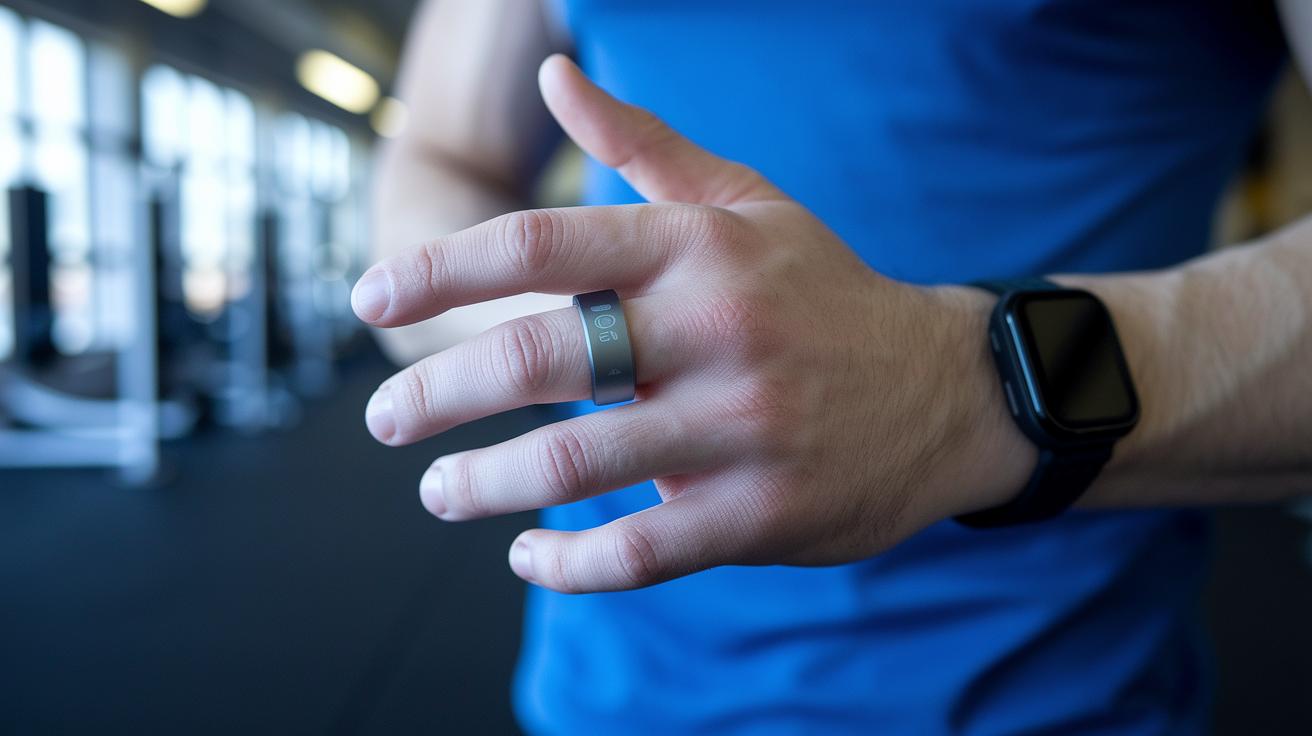
Ever wonder if a small ring could have a big impact on your fitness? Fitness rings aren’t just simple gadgets anymore. They’ve grown into smart tools that track your sleep, heart rate (that means the number of beats per minute), and daily movements.
In this post, we chat about some top rings that fit active lifestyles perfectly. We look at details like smart sensors, a design that feels great, and useful daily health insights so you can choose the best ring for you.
Ready to see how this little ring might change your routine?
Fitness Ring Overview: Key Features and Benefits

Fitness rings are clever little gadgets that track your sleep, heart rate, and movement. They give you constant health updates without the clunky feel of bigger devices. Imagine slipping on a ring that weighs less than a coin but works hard monitoring your sleep and heart rate all night long!
Take the Oura Ring 4, for example. It shines with its smart sleep tracking and detailed health score, even if the surface might get a bit scratched over time. Then there's the Ultrahuman Ring Air, which weighs just 2.4 to 3.6 grams. It’s designed to feel super comfy so you can wear it all day. And if you’re into smooth tech, the Samsung Galaxy Ring offers a solid software performance and blends easily with Android, linking up without any hassle to a popular fitness tech experience.
For those who need long-lasting power, the RingConn Gen 2 gives you up to 10 days on a single charge. Not to mention, the RingConn Gen 2 Air is a great budget pick, coming in at under $200 and featuring IP68 water resistance. Meanwhile, the Amazfit Helio Ring grabs attention with spot-on sleep tracking and a design that resists scratches.
Each of these rings keeps a close eye on your health by sending all the data to a companion app, which helps you track your progress in detail. Just keep in mind that some models might need a subscription to unlock all their features. Also, there’s no screen on the ring itself, no buzz alerts, and the build can be a bit delicate. Prices vary too, from about $199 up to $450, so there’s something to fit every budget.
Top Fitness Ring Models Compared

Fitness rings come in different styles and prices, so there’s something perfect for everyone. Take the Oura Ring 4, for example. It packs smart sensors that track your sleep and overall health, though it costs $349 with a subscription. Think of it like having a tiny health coach that gives you insights every night.
Then, there’s the Samsung Galaxy Ring. Made from a light titanium and available in various finishes, it zeroes in on sleep tracking and fits perfectly with Samsung gadgets. It’s great if you already love everything Samsung.
Next up, the RingConn Gen 2 is a real standout with a feather-light design (just 2–3 grams) and an impressive battery that can last up to 10 days. That means less time charging and more time powering through your day.
If you’re keeping an eye on your budget, the RingConn Gen 2 Air is a wonderful option under $200. It’s waterproof and covers the basics without breaking the bank. Meanwhile, the Amazfit Helio Ring, weighing in at around 3.75 to 4 grams, is built tough with scratch resistance and a 10 ATM water resistance rating, plus it tracks sleep really well.
Also worth mentioning is the Ultrahuman Ring Air. It comes with cool extras like glucose monitoring and is very light at 2.4 to 3.6 grams, though you might need to be a bit careful with scratches. For those who need medically approved features, the Prevention Circul+ is a reliable choice, it weighs 4.9 grams and offers FDA-approved SpO₂ tracking.
Looking for something sleek? The Circular Ring Slim is very slim at 2 grams and costs around $275, with added water and scratch resistance. There’s also the Movano Evie Ring, specifically designed for women’s health, and the Acer FreeSense Ring, which is a new entry in the market.
| Model | Weight | Price/Subscription | Special Features |
|---|---|---|---|
| Oura Ring 4 | ~? | $349 + subscription | Advanced sensors, sleep scoring |
| Samsung Galaxy Ring | Lightweight titanium | High-end | Multi-finish, strong sleep data |
| RingConn Gen 2 | 2–3 g | Mid-tier | 10-day battery life |
This quick overview helps you see which ring might be the best match for your lifestyle and fitness journey.
How Fitness Rings Track Health Metrics
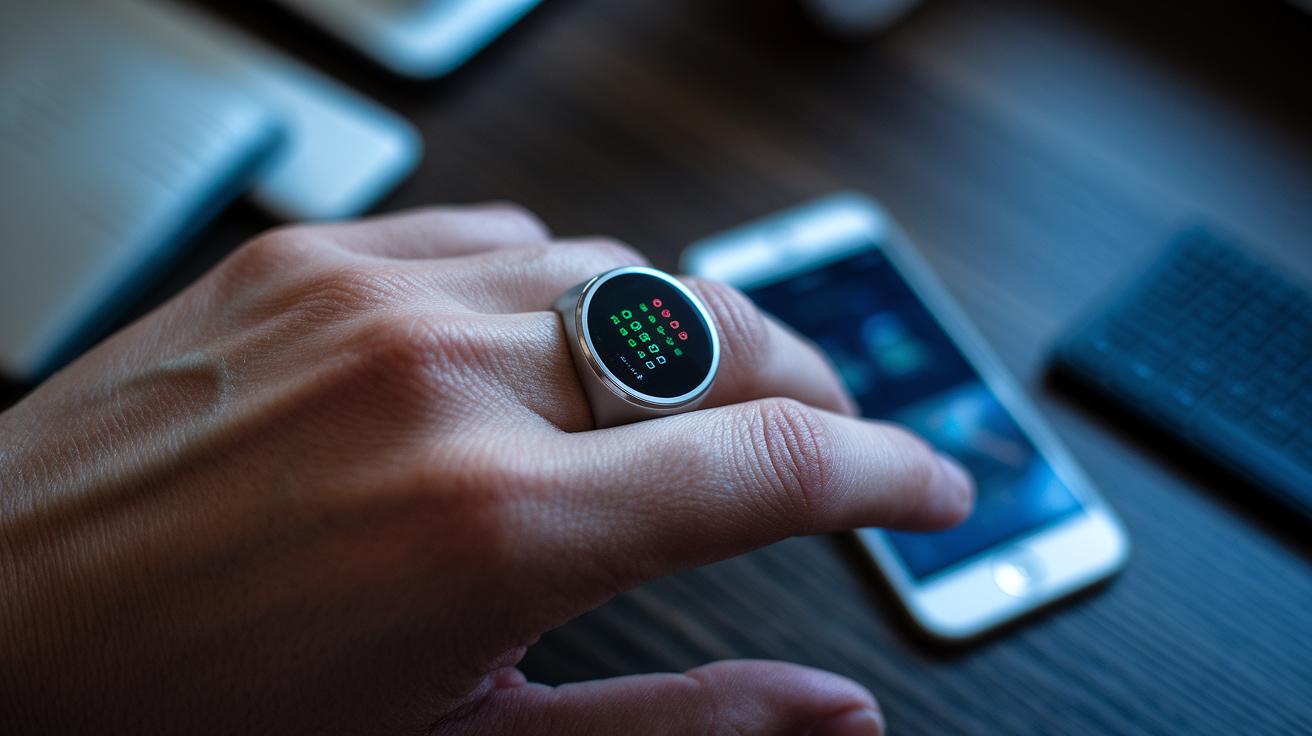
Fitness rings pack a surprising amount of smart tech into a small band. They use PPG sensors, tiny light sensors that check your heart rate, how your pulse changes, and even your skin temperature. In simple terms, these sensors shine a little light on your skin and notice tiny shifts in blood flow, almost like snapping a quick picture of your heartbeat.
Inside these rings, accelerometers keep track of your moves. Whether you're strolling around or powering through a workout, they pick up your steps and overall motion. Then, apps from brands like Oura and Samsung Health turn all that raw info into simple insights. They help you see how ready you are for the day and even figure out how good your sleep was by noticing your movements and recovery.
Some rings, like the Ultrahuman Ring Air, go one step further by connecting with continuous glucose monitors. This means they can also tell you how your blood sugar levels change with your everyday habits. Since the rings themselves don’t display any info, everything gets sent to your smartphone, where you can see clear details about your health over time.
Though accuracy can vary a bit from one model to another, the growing data really helps you notice trends so you can tweak your daily routine and stay active.
Fitness Ring Design, Durability, and Comfort
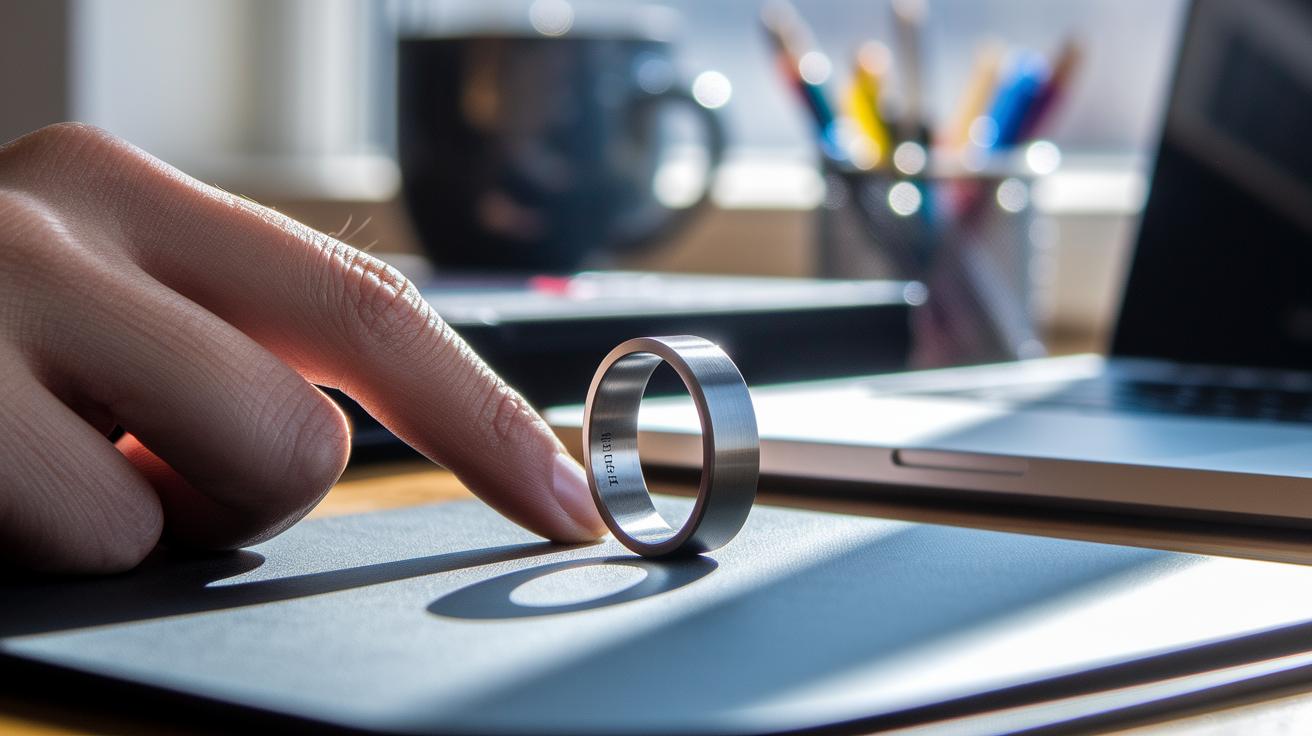
Fitness rings have a sleek, modern look and are made from materials that keep both performance and comfort in mind. They often use metals like titanium or aluminum alloy, these are light, strong metals that can make a ring weigh just 2 to 5 grams. Imagine a ring that weighs about as much as a coin, you really barely notice it, even on long days.
Some rings, like those from Oura or Ultrahuman, might get a scratch here and there if you're not extra cautious. On the flip side, the Amazfit Helio Ring is made to handle daily wear without so much as a scratch. Water resistance is another big plus; with ratings like IP68 or even 10 ATM, you can sweat through a workout or take a shower without any worries.
They even come with custom sizing kits so your ring fits just right. The smooth, round design with gentle edges feels like it was made for your finger, comfort that supports your active lifestyle while keeping you stylish.
Integrating Fitness Rings with Apps and Health Platforms
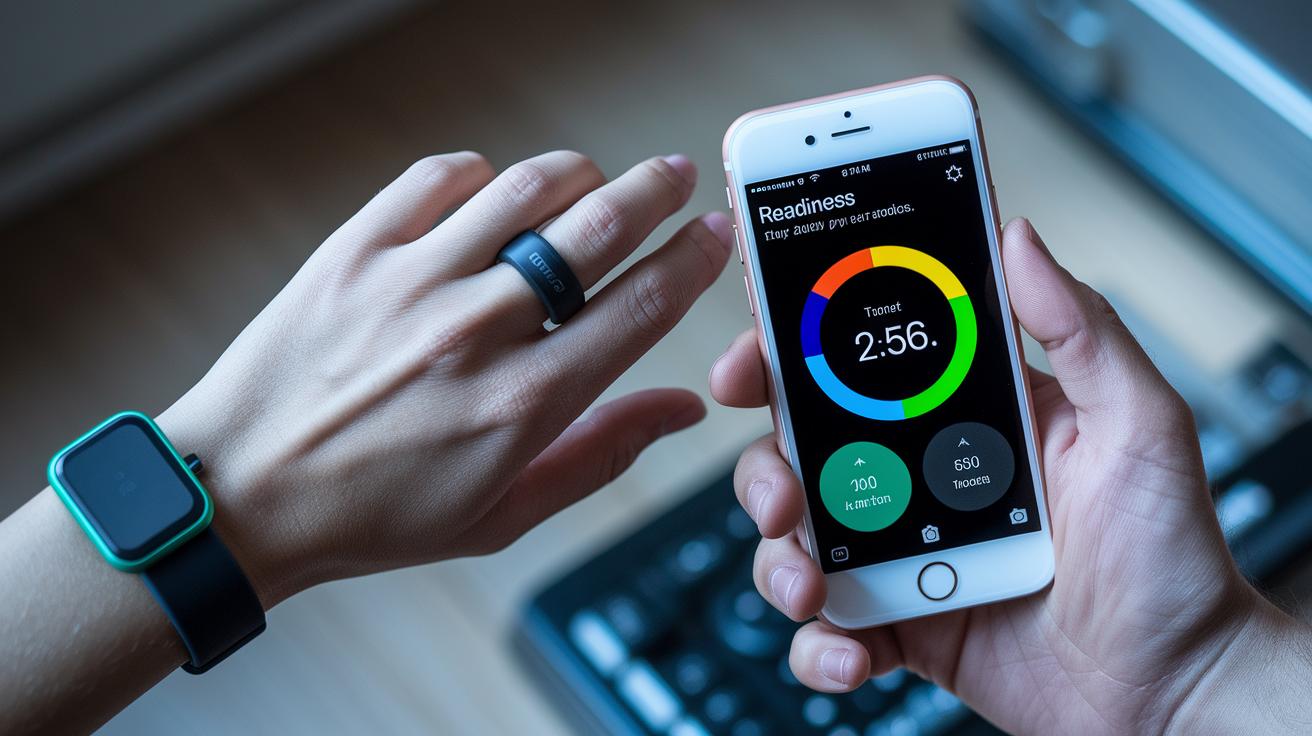
Fitness rings sync with mobile apps that put all your health details in one handy spot. The Oura and Samsung Health apps really shine by giving you easy-to-read readiness scores, so you can quickly check your sleep, activity, and recovery stats. For example, you might see a note like "Your body is recharged and ready" that helps you plan your day.
On the flip side, Ultrahuman and Amazfit apps need you to input a bit more info to show all the details. They take a more hands-on approach by letting you set up custom views for things like steps, heart rate, and different sleep stages. Both Android and iOS users can enjoy these features, making sure your fitness data is logged smoothly on any device.
Since the rings don’t push alerts on their own, your smartphone gathers all the notifications. Keep in mind that some of the fancier stats might require a subscription. So, it’s a good idea to check which features you can get for free and which ones might cost a little extra. Play around with the app settings to discover the layout that fits your health journey best.
Battery Life and Maintenance for Fitness Rings

Fitness rings are built to last. Most rings give you between 4 and 8 days of battery life on a single charge. Top models like Oura and RingConn usually keep up for 7 or 8 days with light use, while more affordable options might need a charge every 3 or 4 days. Without an onboard display, these rings save power so they can focus on tracking your health details accurately.
Charging your ring is a breeze. You can use a charging dock or a magnetic charger, which means you won’t have to disrupt your routine for long. Fun fact: Skipping a screen not only saves battery but also lets you track your progress nearly all week!
Taking care of your ring is simple. Follow the manufacturer's instructions and gently clean it with a soft cloth. This little habit helps keep the sensors working right and preserves the ring's finish.
- Battery life: 4–8 days
- Charging options: docks or magnetic chargers
- Maintenance tip: Clean regularly for top sensor performance
Pricing, Subscriptions, and Value of Fitness Rings

When you start looking at fitness rings, you'll quickly see that prices can vary a lot. Some rings come with a one-time cost while others include recurring fees. For example, the RingConn Gen 2 Air is often priced around $199 and doesn’t add any monthly charges, which makes it a great deal for many.
Then there’s the Oura Ring 4. It costs about $349 upfront and has a $5.99 monthly fee for extra analytics. Over a year, that extra fee can add up to nearly $72, all for deeper insights into your sleep and overall wellness. Meanwhile, options like the Ultrahuman Ring Air and the RingConn Gen 2 stand out because they don’t require any recurring payments, which might be appealing if you want to avoid extra costs over time.
Other models, such as Circular and Prevention Circul+, are usually in the mid-range. They strike a balance between an upfront purchase and added features. Some folks appreciate the monthly subscriptions for the advanced metrics they offer, while others prefer a more budget-friendly option without any extra fees.
Think of it like picking a fitness program: you weigh today’s cost against the ongoing benefits you'll get later. In short:
| Option | Key Benefit |
|---|---|
| Subscription-free | No ongoing fees |
| Subscription model | Deeper insights with a small monthly cost |
Real-World Performance and Testing of Fitness Rings

We put these fitness rings to the test by having people wear them every day for several months. Our goal was to see how well they could track sleep stages, heart rate (and HRV, which is just a fancy way of saying how your body handles stress), and even temperature. High-end options like the Oura Ring 4 and Samsung Galaxy Ring kept giving reliable readings all around. One tester even said, "I rarely saw any drop in data; my sleep stages and readiness scores were spot on every morning."
On the other hand, some of the mid-range rings had moments when the data would drop a bit. For instance, a user with a more budget-friendly ring mentioned, "There were a few days my step count was off, but overall, it still gave a good picture of my day-to-day health."
Many users also pointed out that these rings feel super comfy, almost like you're not even wearing anything. But a few commented that the design can get scratched, especially during really intense workouts. One feedback note went, "My ring feels like a second skin, yet I have to be a bit careful during heavy workouts to avoid marks."
Most people seem to love using these rings to keep an eye on their overall wellness rather than for deep athletic performance data. They’re great for watching daily activity, sleep quality, and recovery, perfect if you’re more into staying healthy daily rather than chasing advanced sports metrics.
- Consistent metrics from high-end rings
- Occasional dropouts in mid-range options
- Super comfortable, though they may get scratched
- Ideal for overall wellness tracking
Final Words
In the action, we dove right into the world of the fitness ring and its smart tracking benefits. We covered top models, design details, and how these devices capture key health metrics. The guide broke down everything, from battery life and app integration to pricing details and performance testing, offering a clear look at what these wearable devices can do for you. Each insight walks you through making better choices for your active routine. Keep moving forward and feel great every step of the way.
FAQ
Do fitness rings really work?
The question about fitness rings working means these devices use sensors to track sleep, heart rate, and movements. They offer useful wellness data, though they’re more focused on personal health stats than detailed athletic analysis.
What is the monthly fee for Oura Ring?
The question regarding the Oura Ring monthly fee means users typically pay about $5.99 per month for premium analytics. This fee unlocks enhanced insights into sleep and overall wellness.
What is the best fitness ring to buy?
The question on the best fitness ring to buy shows that the ideal choice depends on personal needs. Oura Ring 4 excels in sleep tracking, while Ultrahuman Ring Air is known for its lightweight design.
Is a fitness ring better than an Apple Watch?
The question comparing fitness rings and an Apple Watch means fitness rings offer discreet, round-the-clock tracking and simplicity, whereas smartwatches provide broader features like notifications and interactive apps.
What are the main differences among popular fitness rings?
The question about differences among fitness rings highlights varied features like sensor accuracy, weight, battery life, and design. Consider aspects such as subscription fees and build durability when choosing your ring.