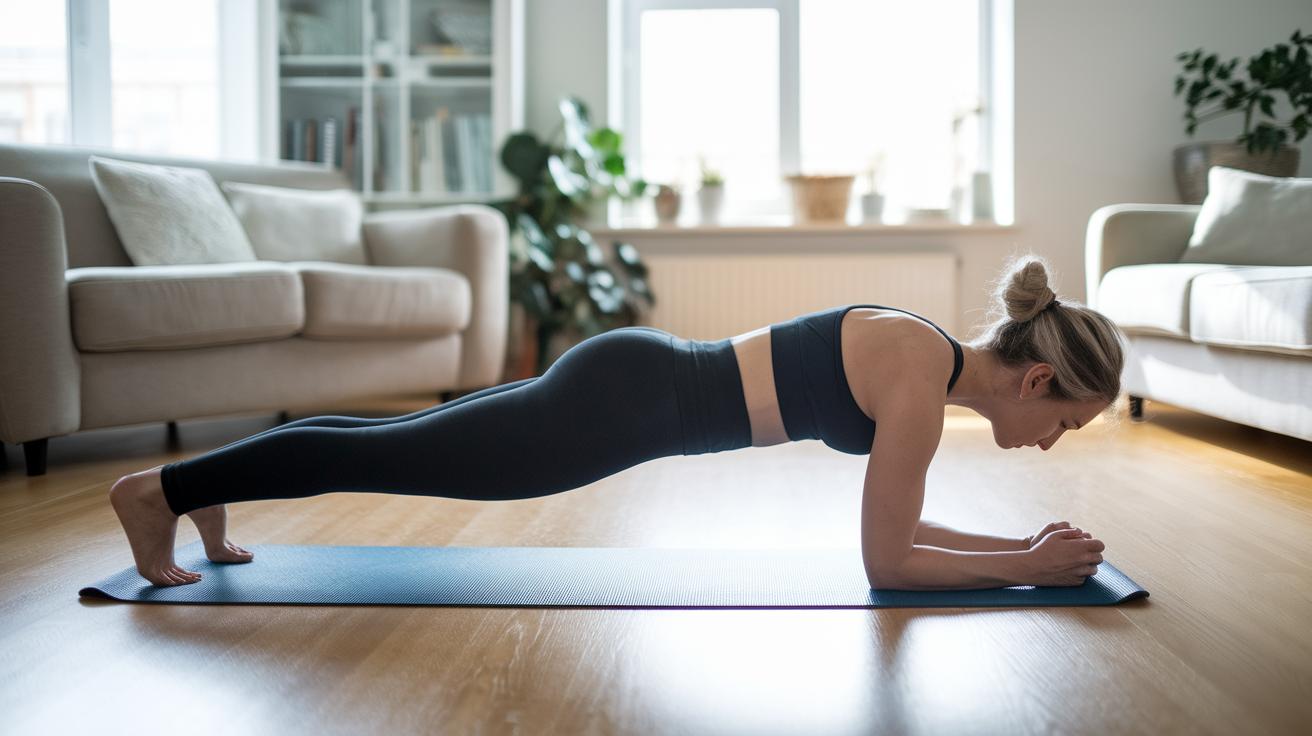
Ever thought about whether doing crunches really makes you stronger and fitter? Your core does a lot more than you might believe. It connects your upper and lower body, supporting every move you make. In this post, we're sharing simple exercises that work your whole core, not just the muscles you see. These moves are great for building strength, boosting balance, and making everyday activities easier. Stick with us to learn how to build a solid foundation, keep injuries away, and enjoy every part of your workout.
Comprehensive Core Strengthening Exercises for Fitness Improvement and Injury Prevention

Your core is the foundation for almost every move you make. It keeps you safe from injuries and boosts how well you perform in sports and everyday tasks. Think of your core as the linking bridge between your upper and lower body, it powers every squat, deadlift, shoulder press, and pull-up. Fun fact: most of us think sit-ups and crunches are enough, but research shows that exercises where you stabilize your entire body, like compound lifts, really fire up your strength and balance.
Your core is made up of muscles such as the rectus abdominis (that famous six-pack muscle), the transverse abdominis (which gives you deep stability), and the obliques (that help you twist). Let’s not forget the erector spinae and the multifidus that help support your spine. These muscles work hard not just during workouts but even when you’re bending down to pick up something or getting up from a chair.
Compound exercises use many core muscles at once, which helps you move better and lower your risk of injuries. This well-rounded approach makes your body tougher and more agile for everyday challenges.
Understanding Core Anatomy for Targeted Strengthening
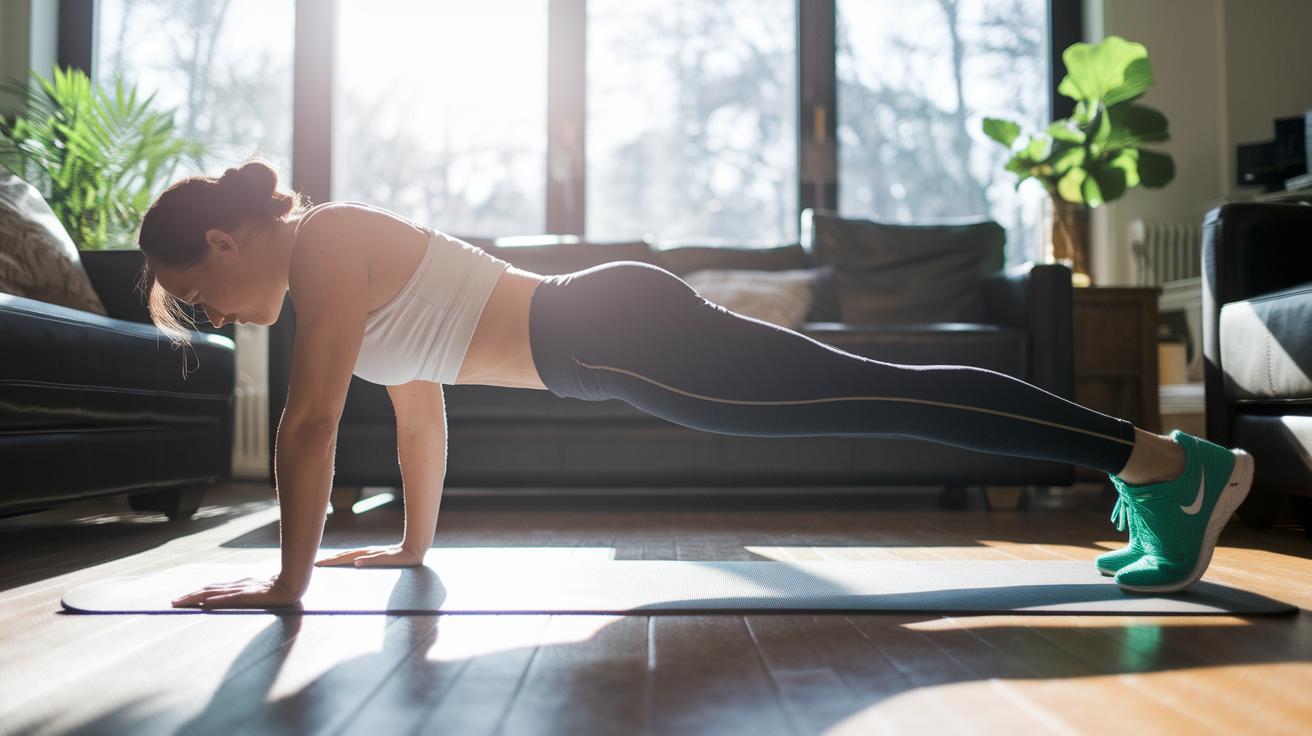
Your core isn’t just the muscles you see working during exercise, it’s all the muscles connected to or controlling your spine. The rectus abdominis helps you bend forward, like when you're doing a crunch. Meanwhile, the transverse abdominis acts like a built-in belt, giving your lower back extra support and stability. Then, the internal and external obliques let you twist or lean side-to-side, while the erector spinae and multifidus work to extend your back, keeping your posture strong whether you're moving or holding still.
Think about a plank. As you hold it, feel your transverse abdominis tighten like a belt around your waist, steadying your torso. Keeping proper form helps every muscle work safely and effectively. This focus not only boosts your workout but also builds a strong foundation for everything you do in fitness. Enjoy these targeted movements and feel the difference in your daily strength routine.
Beginner Abdominal Strengthening Exercises to Kick-Start Your Core Routine
If you're looking to get your core in gear, try these seven easy exercises. Start with a short session, about 10 to 15 minutes, and aim to do them 2 to 5 times a week. You can always tweak the time or effort as you get more comfortable. Begin with a quick warm-up to get your muscles ready and reduce any risk of injury.
Next, work through these exercises with slow, steady movements, and gradually add more sets or reps as you improve:
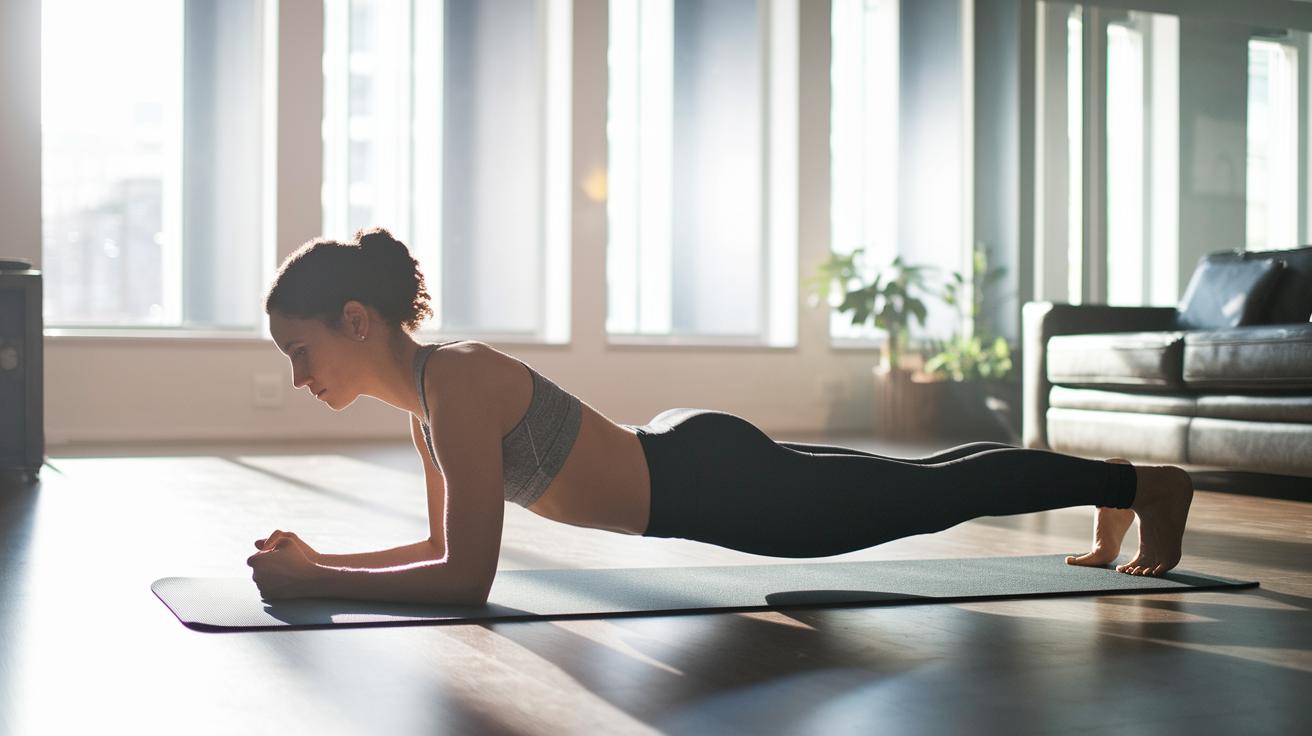
- Plank: Get into a plank position with your forearms on the floor and your elbows right under your shoulders. This move works your abs, shoulders, legs, and glutes. Try holding the position for 20 to 30 seconds, and increase the time bit by bit as you build strength.
- Bird Dog: Start on all fours, then extend the opposite arm and leg at the same time. This helps balance your body and targets your core, glutes, and back muscles.
- Dead Bug: Lie on your back and lift your arms and legs. Then, slowly lower your opposite arm and leg at the same time. This simple move engages your abs and helps improve balance.
- Bicycle Crunch: Alternate touching your elbow to the opposite knee. This exercise works both your side and front abs, and it's a fun way to get moving.
- Russian Twist: Sit with a slight lean back and twist your torso from side to side. This helps work your side muscles and abs.
- Side Plank: Lie on one side and support your weight on one forearm (keeping your knees on the floor if that's easier). This targets your obliques and builds stability.
- Mountain Climbers: From a push-up position, quickly drive your knees toward your chest one at a time. This move not only works your core but gives a quick burst of cardio as well.
Imagine your core as the engine driving every move you make. Enjoy each rep, and soon you'll feel the strength building up, turning every workout into a step toward a healthier, stronger you.
Intermediate to Advanced Core Conditioning and Dynamic Trunk Stabilization
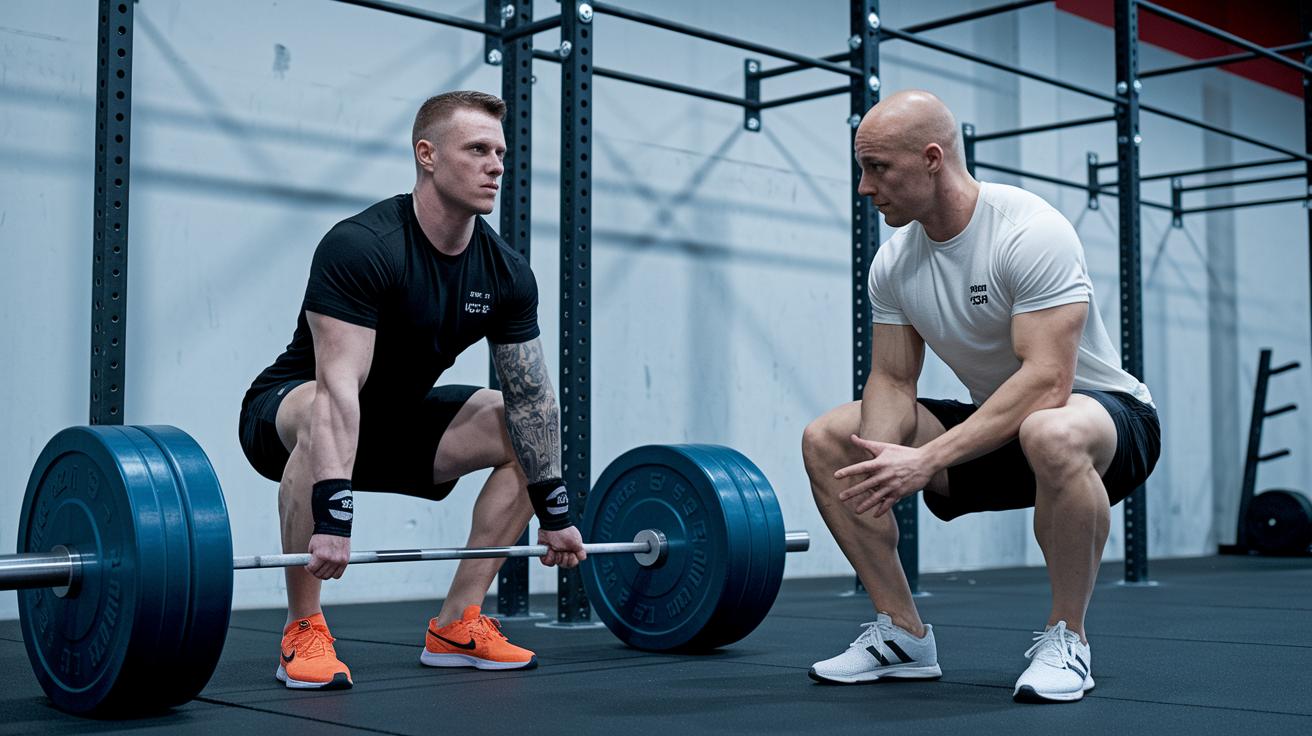
Boost your workout by incorporating compound exercises that really test your core strength. Think about moves like squats, deadlifts, shoulder presses, and pull-ups. These exercises make your entire body work together, engaging your abs, lower back, and supporting muscles. For example, when you perform a deadlift, feel your core tighten as if it were the engine powering a heavy truck.
Next, mix in dynamic ab exercises that add controlled movement and timed holds to your routine. Here are some moves to try:
- V-Sits: Lift your feet, arms, and head 10–20 cm off the ground. Picture yourself balancing on a narrow beam, keeping every muscle alert.
- L-Twists: Lie on your back with your hips and knees bent at 90° and stretch your arms out to the side. Imagine gently twisting like you’re slowly stirring a big pot.
- Ab Wheel Roll-Outs: Roll forward and back while keeping your spine neutral. Think of it like smoothly unrolling a carpet.
- Windshield Wipers: With your legs extended, swing them side to side to work your obliques. Visualize the motion of a wiper clearing away rain as you maintain balance.
Each of these exercises is designed to sharpen your trunk stability and power. When you practice them with focus and proper form at a steady pace, you'll build a stronger core and be ready for even bigger challenges.
Equipment-Based Core Workouts: Bands, Stability Balls, and Machine Circuits
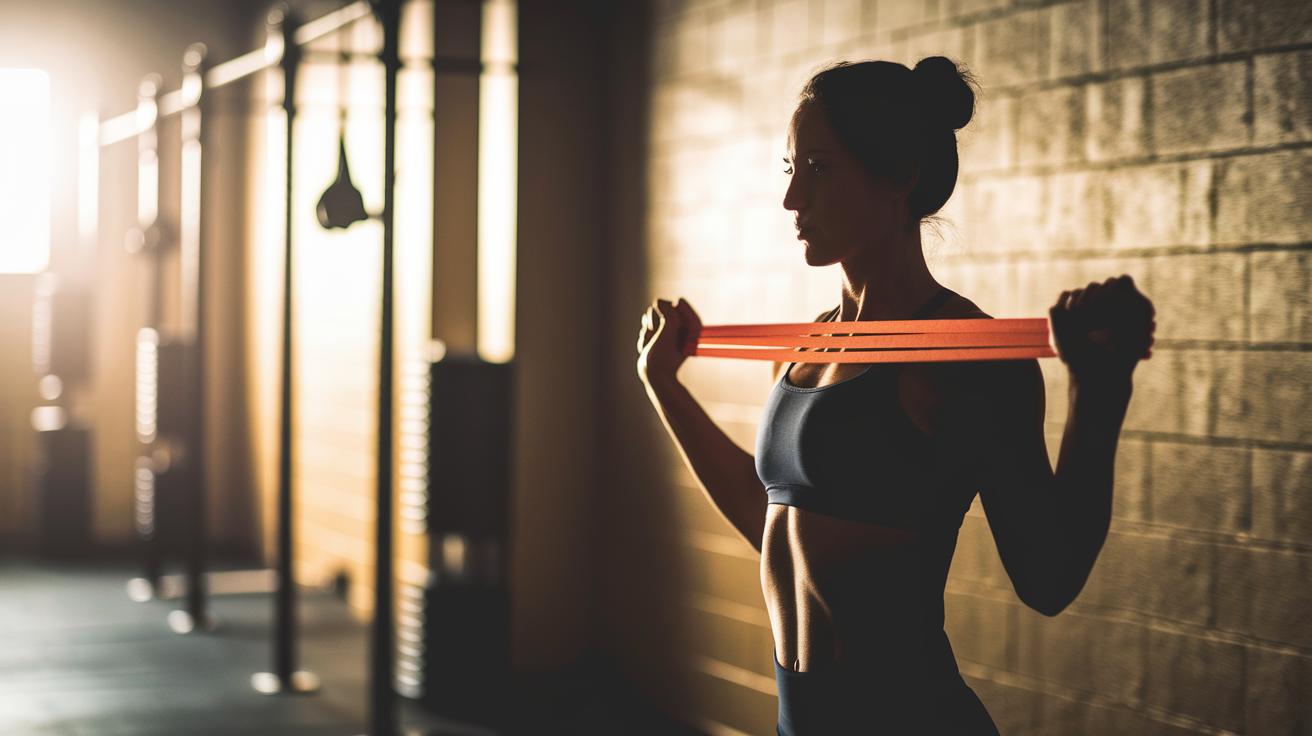
Using equipment makes your core workouts more exciting. Try resistance bands with moves like the Pallof Press, which stops you from rotating your body. Picture yourself standing sideways, the band stretched across your chest, as you fight against an unseen force to keep your balance. Banded wood chops are another fun twist, you mimic chopping wood and really feel your side muscles working. It’s a cool way to boost your workout!
Next, think about using a stability ball. Roll-outs on the ball challenge your core as you work hard to keep steady. Imagine doing a jackknife, where your upper body slides off only to keep your legs in place, making your abs light up with each move. And then there’s the pike on the ball, where your legs and abs team up. It feels a lot like reverse crunches, but on a bouncy platform that adds an extra thrill.
If machines are more your style, you’ve got some great options too. An ab crunch machine safely guides your bend-and-flex routine, while cable woodchoppers let you stretch out your arms as you twist to boost core strength. Seated torso rotations on a machine offer balanced resistance as you work on stability step by step. Each option lets you add more resistance as you get stronger, keeping your workouts both tough and safe.
Functional and Athletic Midline Integration for Enhanced Performance
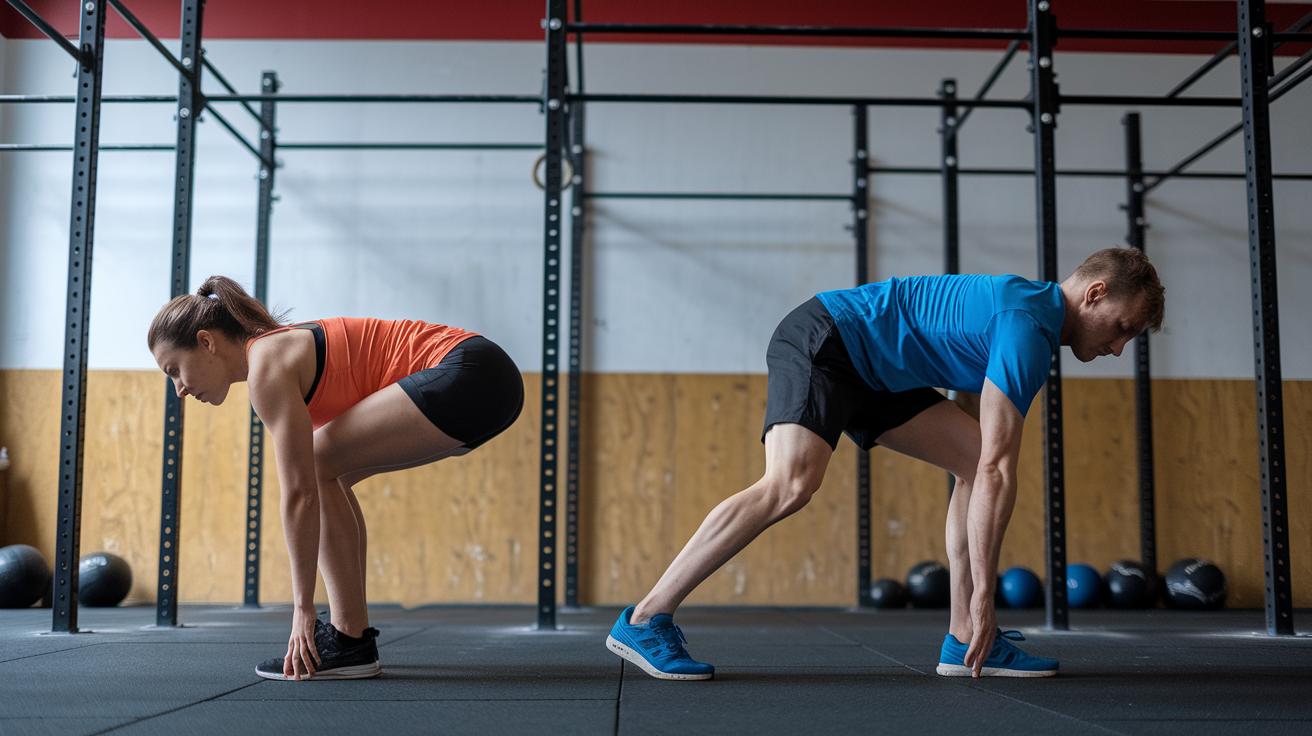
When you think about core training, imagine moves that really help you in everyday life and sports. These exercises work on merging strength with balance. For example, the Farmer's Carry challenges your body by making your core fight against twisting while you carry weight, like lugging around a heavy bag of groceries without losing your balance.
Another great move is the Single-Leg Glute Bridge. This drill helps keep your hips and spine properly lined up by shifting weight from one side to the other. It teaches your core how to work together with all your muscles. And then there’s the Turkish Get-Up, which takes you from lying down to standing tall. It builds strength and balance by making you move through each step in order.
Overhead Carries and Kettlebell Swings are also amazing. They work your body in many directions. These exercises help your core push power when you start a run and cushion the impact when you land, which really boosts your overall performance.
- Farmer's Carry
- Single-Leg Glute Bridge
- Turkish Get-Up
- Overhead Carries and Kettlebell Swings
Each of these exercises builds a stronger midline, making your workouts more lively and effective.
Programming, Safety, and Modifications for Sustainable Core Strength
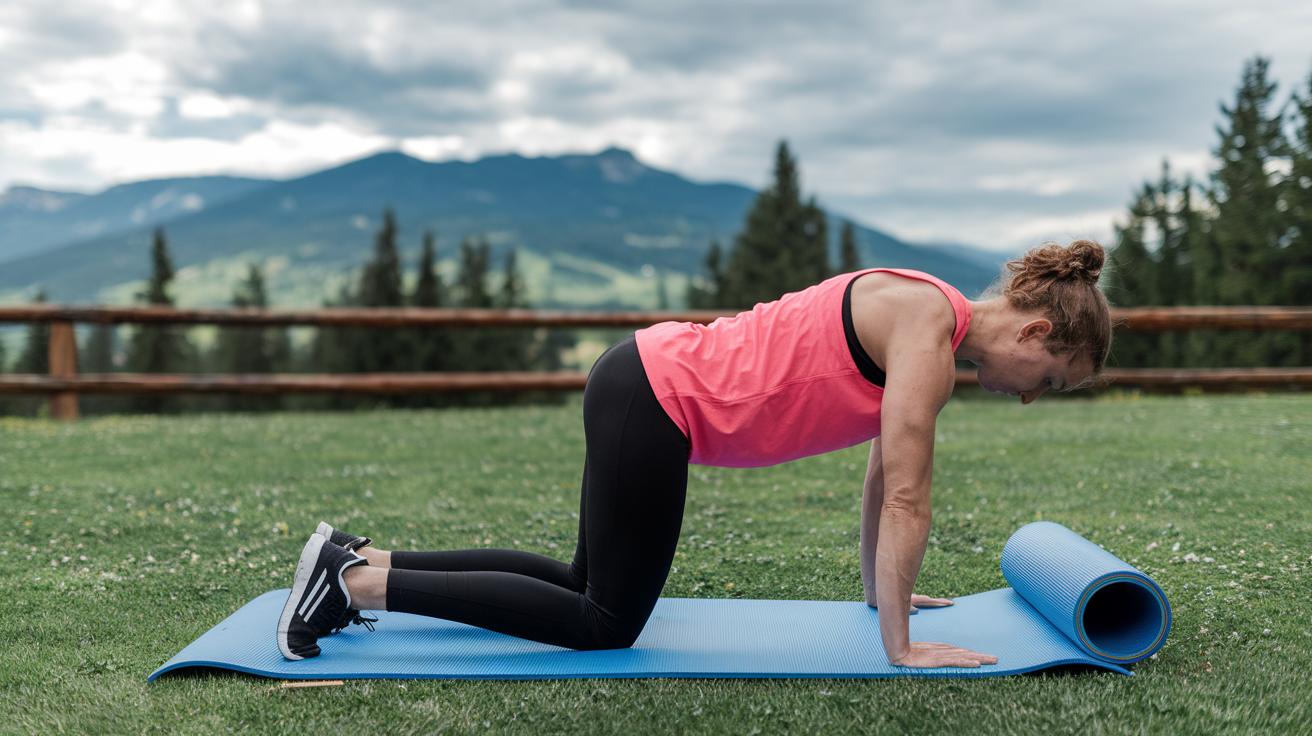
Stick to 2–3 core workouts each week and mix in active recovery days so you can make steady progress without overdoing it. For example, try starting your session with a gentle plank where you support your knees instead of keeping your legs fully straight. Ever notice how even top athletes switch up their moves sometimes? It turns out, even elite athletes adjust exercises to keep their muscles safe and effective. This kind of tweak helps lower strain and stops that nagging lower back discomfort by keeping your spine in a neutral position throughout your workout.
Here are a few key adjustments to consider:
- Change regular planks by resting on your knees to cut down on lower back pressure.
- For postnatal workouts or seniors, reduce the range of motion so you can focus on proper form.
- End your session with some foam rolling and stretching to ease muscle tension and speed up recovery.
By using these tips, you protect your joints and back while reducing the chance of pain, all while building a core that lasts. Think of each workout as a stepping-stone toward long-term fitness. Listen to your body, adjust your routine when needed, and you'll soon notice your core getting stronger over time.
Final Words
In the action, this post highlighted everything from beginner drills to advanced compound moves that use core strengthening exercises for performance gains and injury prevention. It reviewed ways to target key muscles, use equipment safely, and blend functional techniques into your routine.
Recap your practice by mixing traditional moves with improvements in dynamic trunk stability. Keep embracing these core strengthening exercises and feel that empowering burn with every session, you’ve got what it takes to keep moving forward and thriving.
FAQ
What is a core strengthening machine?
A core strengthening machine offers guided resistance to help stabilize and build core muscles safely. It supports proper form while challenging the central muscles for improved endurance and strength.
What are core strengthening exercises for beginners and what are four great ones to start with?
Beginner core exercises include planks, dead bugs, mountain climbers, and Russian twists. These moves build foundational strength and stability while being easy to adapt and progress as fitness improves.
What core strengthening exercises are recommended for seniors?
Seniors can perform modified planks, side planks, and bird dogs. These exercises build core stability and protect the spine while offering safe modifications to match individual fitness levels.
How can core exercises help ease lower back pain?
Core exercises like the bird dog, pelvic tilts, and gentle modified planks engage deep stabilizers, reducing strain on the lower back and promoting a healthier spine through improved balance and posture.
Where can I find a PDF for core strengthening exercises?
A PDF guide compiles detailed core exercise routines, complete with step-by-step instructions and visuals, making it easy to reference structured workouts wherever you are.
What core strengthening exercises are ideal for women?
Women may benefit from exercises such as planks, dead bugs, and side planks. These movements enhance core stability, support proper posture, and can be adapted to fit any fitness level.
How do I build core strength from nothing?
Starting from scratch, focus on simple routines like planks, bird dogs, and gentle pelvic tilts. Gradually increasing the intensity helps build core stability steadily and safely.
What is widely considered the best exercise to strengthen the core?
The plank is often seen as the best exercise because it activates multiple core muscles simultaneously, promoting balance, stability, and improved posture in a single hold.
What are five fast methods to strengthen your core?
Rapid core improvements can be seen with regular planks, dead bugs, mountain climbers, bicycle crunches, and Russian twists. These exercises quickly boost stability and muscle engagement.
What are five signs that your core might be weak?
Indicators include slumped posture, frequent lower back discomfort, balancing trouble, rapid tiredness during activities, and lack of control during simple movements.
What are the big three core exercises?
The big three core exercises typically include the plank, dead bug, and Russian twist. These moves engage multiple core muscles, establishing a strong base for more advanced workouts.
How do exercises like Russian twist, dead bug, plank, leg raise, V-ups, and flutter kick benefit your core workout?
Each move targets different core muscles, combining static and dynamic challenges. They work together to improve strength, balance, and overall core endurance while keeping routines varied and engaging.