Ever notice how some workouts feel extra powerful? It might be because they use exercises that work several muscles at once. For example, think of doing a squat. Your legs, stomach, and back all work together to give you strength and balance.
This approach not only helps you burn calories but also builds a strong, unified body that can handle everyday challenges. Stick with me to discover how these moves can boost your fitness in a fun and truly effective way.
Compound Exercises Defined: Fundamentals of Multi-Joint Movements

Compound exercises are moves that use more than one joint at a time to work several muscle groups. They are a core part of a solid, full-body workout routine.
Take a squat, for example. It works your hips, knees, and ankles all at once while lighting up your quads, hamstrings, calves, glutes, core, and lower back. Picture it this way: you stand tall with your feet shoulder-width apart, then slowly bend your knees like you're about to sit on an invisible chair, you feel a steady burn through your legs and into your core. Cool, right?
Unlike isolation moves that target just one muscle, compound exercises call for different muscles to work together. This teamwork not only builds strength but also makes you more balanced and steady for everyday activities.
By joining forces with various muscles, joints, and connective tissues, these exercises lay down a strong foundation that benefits real-life movements. They help boost your power, improve your posture, and enhance athletic performance.
And it’s not just about lifting heavier weights. Compound exercises turn everyday movements into strength-building opportunities. When you add moves like squats, deadlifts, or bench presses to your routine, you'll notice better stability and smoother, natural motion. In short, these dynamic, full-body moves are a must-have in any balanced workout plan.
Compound Exercise Benefits: Strength, Muscle Growth, and Caloric Burn

Compound moves work several muscle groups at once. This means you get more out of each workout session, revving up your metabolism and burning calories faster, even if you’re just getting started. Picture getting into a loaded squat: as you descend, your legs, core, and lower back all feel the powerful burn together. Ever feel that rush of energy when your muscles fire up in sync? It’s pretty amazing.
Here are some top benefits of compound exercises:
- They boost overall strength by letting you lift heavier loads.
- They improve everyday movement, making routine tasks feel easier.
- They build muscle size and endurance, creating a balanced, strong physique.
- They ramp up calorie burn since more muscles are working in unison.
- They enhance athletic performance with better stability and quicker movements.
These lifts also pave the way for routines focused on muscle growth. Each rep not only fuels your strength but adds to your overall fitness and energy, all while making your workouts dynamic and challenging. Every session leaves you feeling stronger and more confident, ready to tackle the next challenge.
Compound exercises Spark Powerful Fitness Gains

Mastering the right form is essential to get the most out of these compound moves. Here are ten exercises with easy tips that can help build your strength and balance:
- Dumbbell bench press – Lie on a bench with dumbbells in your hands. Keep your feet flat on the ground and push the weights up while keeping your elbows at a 45-degree angle to your body.
- Pull-up – Grab a sturdy bar with your palms facing away from you. Pull yourself up until your chin is over the bar, working your back and core along the way.
- Dumbbell deadlift – Stand with your feet about hip-width apart holding a dumbbell in each hand. With a straight back and a tight core, bend at your hips and knees to lower the weights toward the floor.
- Dip – Support yourself on parallel bars. Lean slightly forward and lower your body until your shoulders drop below your elbows. Then push back up, keeping your chest forward.
- Seated shoulder press – Sit upright with your back supported. Hold the dumbbells at shoulder level and press them upward, making sure to keep your core engaged for balance.
- Loaded carry – Pick up a heavy weight in each hand and walk steadily. Stand tall with your shoulders pulled back to maintain good posture.
- Lunge – Stand straight, take a forward step, and lower your hips until both knees form roughly a 90-degree angle. Keep your upper body tall throughout the movement.
- Push-up – Start in a plank position with your hands placed under your shoulders. Lower your body until your chest almost touches the floor, then push back up.
- Dumbbell row – Place one knee and the same-side hand on a bench. With your other hand, pull the dumbbell up while keeping your back parallel to the floor.
- Dumbbell squat – Stand with your feet shoulder-width apart and hold dumbbells by your sides. Squat down while keeping your back straight and your chest lifted.
Each exercise targets core stability, leg strength, and proper alignment. Focus on perfecting your form during workouts to boost strength and steer clear of common mistakes.
Compound Exercises vs. Isolation Movements: Comparisons and Use Cases
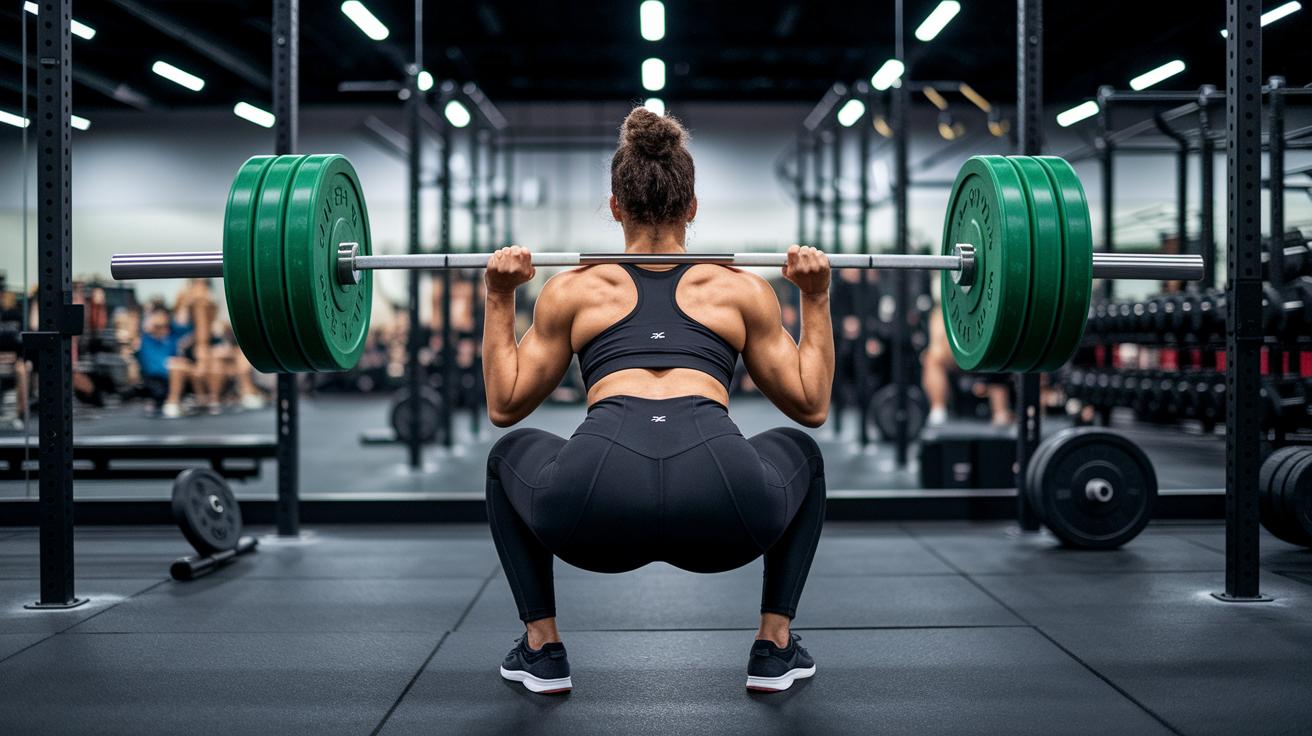
Compound exercises work several joints at the same time, which makes lots of muscles work together. Think of moves such as squats, deadlifts, or bench presses. These exercises let you lift heavier weights and build overall strength. On the other hand, isolation exercises focus on one muscle using just one joint, like bicep curls or glute bridges. They use lighter weights and don’t build as much total strength, but they can be great for warming up and getting specific muscles ready for harder work.
When you mix compound workouts with targeted force circuits, every muscle gets a chance to shine. Picture doing a dumbbell squat: your quads, glutes, and core all kick in together to keep you steady. Isn’t it cool how your body works like a team during each lift?
- Compound exercises make several joints and muscle groups work together.
- Isolation exercises help you hone in on one muscle group, perfect for warming up.
Balancing these two methods can really boost your training and help you feel strong and steady throughout your workout.
Building an Effective Compound Exercise Workout Plan
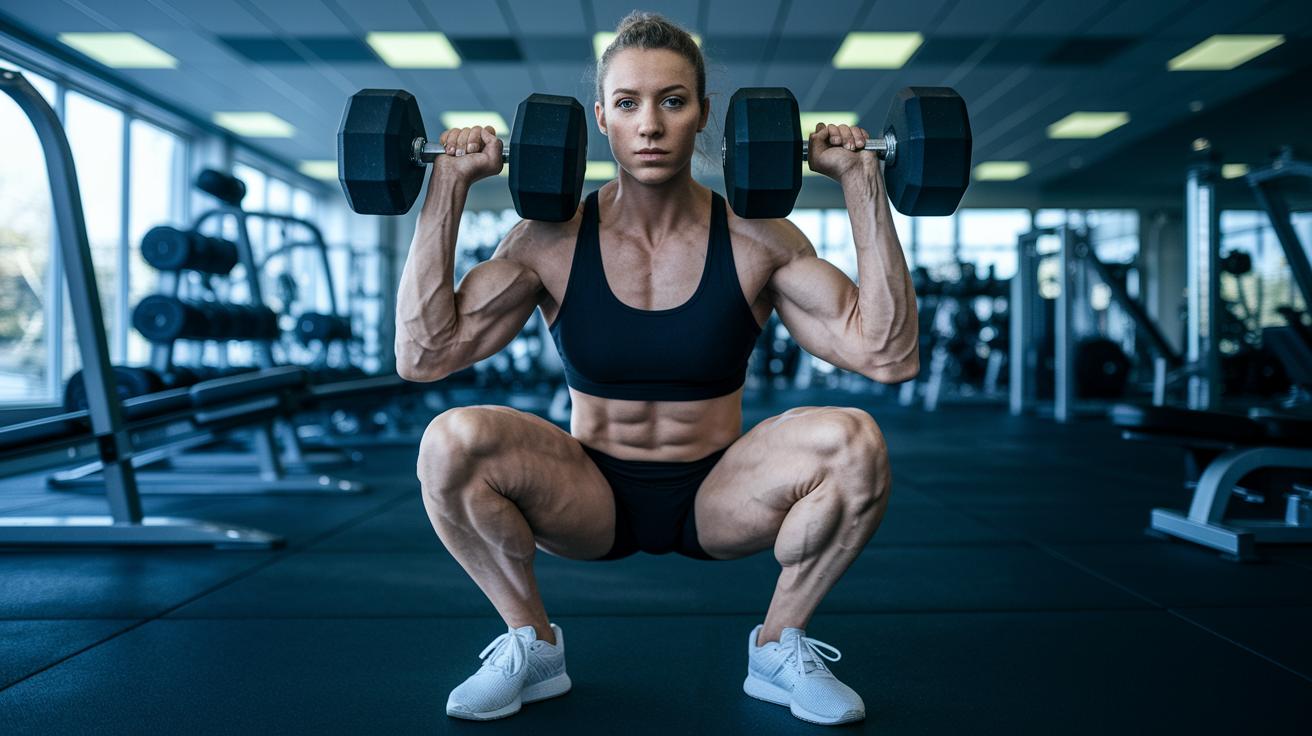
Kick off your workout with compound lifts to really get the most out of your energy. Picture yourself starting with a set of heavy squats that fire up every big muscle, setting you on track for an awesome session.
When mapping out your workout, begin with moves like squats, deadlifts, or bench presses. These exercises work multiple joints at once, which helps build muscle strength and stability. A handy tip? Tackle the toughest moves first so you have the energy to lift your best.
Here’s a simple way to plan your session:
- Gradually increase your weights to keep challenging your muscles.
- Mix up heavy, low-rep sets for strength with lighter, high-rep sets for endurance.
- Try to hit full-body compound lifts at least twice a week for balanced muscle growth.
- Adjust your workout whether you’re at home or hitting the gym, use the equipment you have.
- Listen to your body and tweak your weights if a set feels too light or too heavy.
Imagine starting with a set of dumbbell squats, feeling each muscle wake up as you move. Mix these tips into your routine for a balanced plan that builds strength, muscle size, and overall fitness.
Technique Tips and Safety Considerations for Compound Exercises

Start your workout with some lively warm-ups. Try leg swings, arm circles, or even glute bridges to wake up your muscles. This simple routine tells your body, "Get ready!" and helps keep injuries at bay.
Keep an eye on your form every step of the way. When you do deadlifts, make sure your back stays straight to prevent any bending too far. And when you're squatting, check that your knees align with your toes to keep things safe. These small tweaks not only help you avoid injury but also boost your overall stability.
Before you tackle heavy compound moves, work on your core. A strong center means better balance and safer lifts. A quick reminder like "keep your core tight" during your sets can really make a difference as you lift.
- Kick off with dynamic warm-ups to fire up your muscles.
- Use simple moves like glute bridges to prime your body before heavy lifts.
After each set, take a moment to check your posture. Even a small adjustment now can make a big difference later, keeping you safe as you grow stronger.
Final Words
In the action, we broke down how compound exercises engage multiple joints and muscle groups for strength, muscle growth, and overall fitness. We touched on setting up proper form, comparing them to isolation movements, and building a balanced workout plan. Each section aimed to keep things clear and practical, so you can confidently add these dynamic moves into your routine. Embrace compound exercises to boost performance, support healthy living, and truly enjoy every workout session. Keep moving forward, and feel great about each step you take!
FAQ
What is a compound exercise?
A compound exercise means using multiple joints and muscle groups at once. It works your body in a way that boosts strength, balance, and overall coordination—like how a squat engages your legs, core, and back.
What are the major compound exercises and which one is the best?
The major compound moves include squats, deadlifts, bench press, overhead press, and pull-ups. Often, the squat is considered the best, as it uses several muscle groups for a full-body workout.
What are the benefits of compound exercises?
The compound exercises offer benefits like increased overall strength, better calorie burn, improved coordination, and enhanced functional movement since they activate multiple muscles simultaneously during each exercise.
How can I perform compound exercises at home?
You can do compound exercises at home with moves like push-ups, bodyweight squats, lunges, and dips. These exercises effectively build strength without needing heavy gym equipment.
What compound exercises are recommended for women?
Compound exercises for women might include squats, lunges, push-ups, and deadlifts. These moves build overall strength, increase metabolism, and improve everyday functional fitness.
What compound exercises can be done with dumbbells?
Dumbbell compound exercises like the dumbbell bench press, dumbbell squat, and dumbbell row offer balanced muscle engagement, help boost stability, and allow versatile workouts using accessible equipment.
What compound exercises are typically done in the gym?
In the gym, you’ll often find compound exercises such as the barbell squat, deadlift, bench press, overhead press, and pull-ups—all designed to promote overall strength and muscle coordination.