
Have you ever felt that fancy gym machines hold you back from a great workout? You really don’t need expensive equipment to build strength and stretch your body.
Bodyweight exercises let you work out anywhere: at home, outside, or even during a quick break for some cardio.
In this post, we’re sharing easy moves that pack a powerful punch. Get ready to fire up your workouts with simple, effective exercises that truly work.
Essential Bodyweight Training Programs for Strength and Flexibility
If you're after a workout that doesn't require any fancy equipment, bodyweight training is a great choice. It helps boost both strength and flexibility whether you're at home or outdoors. Plus, when you add quick bursts of exercises, what fitness folks call high-intensity interval training (HIIT), or short, fast workouts, it also gives you a cardio boost. Choose a quick 10-minute session, a moderate 20-minute workout, or a full 30-minute routine based on what fits your day.
You'll usually start with a warm-up to get your blood flowing. Imagine doing some jumping jacks or a quick stretch session, like a burst of 10-second high-knee marches to jumpstart your muscles. Then, you move on to a circuit of exercises that work every part of your body. After giving it your all, you finish off with a cooldown and some stretches to help your muscles relax and keep your flexibility on point.
This flexible plan means you can work out 2 to 4 times a week, with rest days in between to give your muscles a chance to recover. With its clear, easy-to-follow steps and a mix of strength and cardio moves, bodyweight training is an accessible way to energize your routine. Stick with it, and you'll see real improvements in endurance, muscle tone, and overall fitness.
How to Choose the Right Bodyweight Training Program

Pick a program that fits where you're at right now. If you're new to exercising, stick with basic moves like wall push-ups, knee push-ups, and assisted squats. My tip? Start with a simple series of exercises so you can feel your strength grow before you try more challenging moves like dynamic plyometrics.
Next, think about how you want to progress. Choose programs that let you change things up, whether it's more reps, extra sets, or varying the speed of your movements. For example, you might kick off with a 20-minute circuit and gradually build to a plan that spans several weeks. Even something as simple as pausing at the bottom of a squat or extending the range of your push-up can really boost your workout.
Then, check out different workout blueprints. Some routines follow a strict, military-style approach with short, intense intervals, while others mix strength training with HIIT (High Intensity Interval Training, which means quick bursts of exercise that really get your heart pumping). Also, consider the session length. A 20-minute workout is perfect if you're short on time, but if you’re up for a longer journey, a multi-week plan might be better. Remember, most experts recommend giving yourself at least a 48-hour break before repeating similar sessions.
| Factor | What to Think About |
|---|---|
| Skill level | Choose exercises that match your current ability |
| Progression style | Look for plans that let you adjust reps, sets, or speed as you improve |
| Workout format | Decide if you prefer a strict, short-interval routine or a mix of strength and HIIT training |
| Duration and rest | Pick routines that fit your schedule, like quick 20-minute sessions or longer plans with proper rest time |
Keep these points in mind, and you'll be set to choose the right plan that aligns with your fitness goals while keeping your workouts fresh and fun. Happy training!
bodyweight training programs: Energize Your Workouts
20-Minute Full-Body Circuit (Beginner)
This routine is perfect when you need a quick, energizing workout that hits all the major muscles. You'll do 3 rounds of 6 different moves like push-ups, squats, lunges, planks, mountain climbers, and jumping jacks. Work hard for 30 seconds, then take a 15-second breather before the next move. Imagine finishing a set of push-ups, feeling that burst of energy, and then pausing just long enough to get ready for the next exercise. It’s a great way to build both strength and cardio endurance without any fancy equipment.
8-Week Muscle-Building Split (Intermediate)
This plan breaks your week into 4 workout days, 2 focused on the upper body and 2 on the lower. On upper body days, you'll tackle moves like dips and chin-ups to work your arms, shoulders, and chest. On lower body days, you'll focus on exercises such as split squats, glute bridges, and calf raises to power up your legs. You’ll also include a few core moves to keep your midsection strong. As you progress, ramp up your reps or sets, kind of like gradually adding a bit more weight to your routine. This steady increase is just what you need to build muscle day by day.
90-Day Transformation Blueprint (Advanced)
Ready to push your limits? This advanced program is built in phases that challenge you in fresh ways as you grow stronger and faster. It starts with controlled moves like hand-release push-ups (think of these as regular push-ups with a little twist at the bottom) and then moves on to explosive moves like plyometric jumps and planche progressions. With each phase, you'll boost both the volume and the intensity, keeping your body on its toes and continuously building strength and coordination. It’s like having a dynamic blueprint that evolves alongside you, ensuring every session is a step forward in your fitness journey.
Advanced Progressions and Resistance Techniques in Bodyweight Training
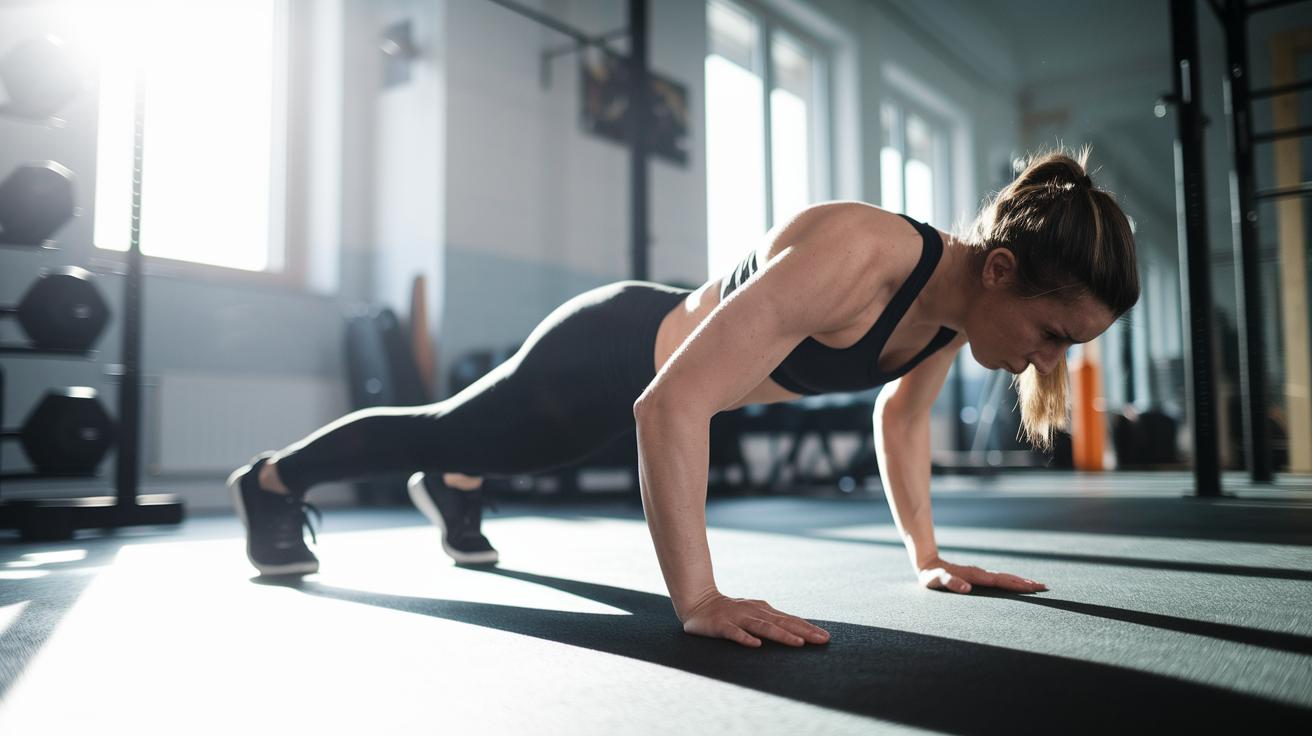
If you want to level up your workouts, it helps to challenge your muscles in fresh ways. One great method is progressive overload. This means you slowly make your moves tougher, like stretching your limbs a bit more or holding pause reps so your muscles feel the extra burn. For instance, when doing decline push-ups, try pausing at the bottom to really work your chest and arms.
Another neat trick is to play around with the speed of your movements. Slow down on the way down in pistol squats to really engage your muscles, or add extra sets until they let you know they've had enough. This way, each exercise gets trickier without you needing any extra equipment.
You can also mix in more advanced moves like parallel dips and explosive jumps. Picture doing a set of dips at a controlled pace, then switching to quick jumps that boost your heart rate. This combo creates a HIIT routine, a series of fast, intense bursts of exercise, that not only builds muscle but also gives your cardio a powerful kick.
Finally, focus on full-range motion workouts that strengthen your core and improve balance. Adding core moves to your routine can sharpen your control and stability. By tweaking your leverage, adjusting your tempo, and mixing in some high-energy bursts, you transform your body weight into a versatile resistance tool that pushes your strength and endurance to new levels.
Mobility, Flexibility, and Recovery in Bodyweight Training Programs
When you're working out without weights, it's important to prep your muscles with gentle moves. Try a few hip openers and twists for your upper back before you dive in. This is like warming up your engine, getting everything moving smoothly. And after your session, a few hamstring stretches can feel amazing, easing out all that tension.
Recovery is just as important as the workout itself. Sometimes, a light recovery workout or even a session of foam rolling can help soothe sore muscles. You might even set aside about 48 hours for rest so your body can rebuild strength. Adding a week or two of lower-intensity workouts can boost your flexibility and keep you consistent over the long haul.
Comparing Top Bodyweight Training Programs and Circuit Designs

We’ve combined all our training plans into one clear guide so you can spot each program's unique perks without any extra repetition. Check out the table below to compare them side by side. Imagine finishing a set of push-ups, feeling that quick surge of energy, and then powering through your squats!
| Program Blueprint | Duration | Skill Level | Format | Focus |
|---|---|---|---|---|
| 20-Minute Full-Body Circuit (Beginner) | 10-20 minutes | Novice | Timed Circuit | Muscle Toning & Endurance |
| 8-Week Muscle-Building Split (Intermediate) | 8 Weeks | Mid-level | Rep-based Sets | Strength & Size |
| 30-Day Strength Makeover (Novice to Mid) | 30 Days | Novice to Mid-level | Daily Drills | Fat Loss & Definition |
| 90-Day Transformation Blueprint (Advanced) | 90 Days | Advanced | Periodized Phases | Explosive Strength & Skill |
Tools and Resources for Bodyweight Training Programs
If you're into bodyweight training, there are plenty of digital tools to boost your workouts. Video lessons, like those on the Peloton app, offer over 10,000 no-equipment classes in 10, 20, or 30-minute bursts. That means you can find a fun workout to fit any spare moment during your day.
There are also downloadable PDF guides that show you beginner circuits all the way to advanced split plans. These guides include clear instructions and easy-to-follow visuals so you never feel lost.
Habit tools like progress trackers, rest timers, and mobility logs can help you see how far you've come and adjust your routine along the way. And if you want a bit of extra support, virtual coaching provides personalized feedback and keeps you accountable.
With these digital resources, you can build a workout schedule that grows with your strength and skill. They make it fun to stick with your routine by letting you change up exercises based on how you're feeling each day. Plus, they help you boost intensity gradually while improving your form and tracking every small victory.
Final Words
In the action, you’ve seen how bodyweight training programs boost strength, flexibility, and overall fitness.
We broke down different formats, from quick 20-minute circuits to advanced 90-day blueprints, to give you clear options that fit your pace.
Each section aimed to make home workouts easy and enjoyable, even without equipment.
Keep experimenting with these routines, let them guide your progress, and enjoy every rep as you build a stronger, healthier you.
FAQ
What do downloadable bodyweight workout plan PDFs include?
Downloadable PDFs provide a structured routine using only your body weight. They outline warm-ups, exercise sets, and cool-downs—perfect for home workouts, whether you’re a beginner or following a 12-week plan feel confident.
How do bodyweight training programs for beginners work?
Bodyweight training programs for beginners break down basic movements into clear, simple steps. They focus on correct form and gradual progress, making them ideal for starting at home without any special equipment.
What is the best bodyweight program?
The best bodyweight program aligns with your fitness level and goals. It offers scalable exercises and clear progressions, letting you build strength at home with routines that adapt as you improve.
What is the 3 3 3 rule for working out?
The 3 3 3 rule means doing three sets of three exercises, offering a straightforward structure for a workout. It simplifies your routine, ensuring a balanced mix of movements in a short session.
What is the 6 12 25 rule?
The 6 12 25 rule outlines a structure with six sets of twelve repetitions and a 25-second rest between sets. This approach helps boost endurance and strength in efficient bodyweight circuits.
Can I build muscle with just bodyweight exercises?
You can build muscle with bodyweight exercises by adjusting the difficulty, adding more reps, or altering the sets. Consistent progression with proper form challenges your muscles enough to promote growth.