
Have you ever wondered if your meals might be slowing down your muscle growth?
Think of your body like a great running machine, and the food you eat as the fuel it needs to perform its best.
When you eat just a bit more than you burn, your muscles get the extra boost of energy that helps them grow stronger.
Since every body is different, having a meal plan made just for you can give you the perfect combination of protein, carbs, and fats.
In this post, we'll share some easy steps to help you turn regular meals into a secret weapon for building muscle.
How to Build a Personalized Balanced Nutrition Plan for Muscle Gain
Start by figuring out your calorie needs. Eating just a little more than what you burn is key for muscle growth. Think of it like fueling your car, you add just enough gas to keep it running smoothly. Since everyone’s body is different, try using an online calculator or chatting with a nutrition expert to get your numbers right.
Next, balance your plate with all the right nutrients. Aim for about 1.6–2.2 grams of protein per kilogram of your body weight, which is roughly 0.7–1 gram per pound. Spread out your protein throughout the day with foods like lean meats, dairy, fish, beans, or tofu. For example, a meal with around 3 ounces of chicken or tofu paired with brown rice makes for a balanced plate.
Carbs are important too. During long workouts, having 30–60 grams of carbs per hour can boost your performance and help replace energy stores. Choosing low glycemic index carbs, like whole grains, before you train gives you a steady flow of energy throughout your session.
And don’t skip out on healthy fats. Omega-3 and monounsaturated fats from fish, nuts, or avocado help balance your hormones, which supports muscle repair and strength training. Sometimes, a small addition, like a handful of walnuts or a splash of olive oil in your salad, can really make a difference.
Putting together a meal plan that combines a calorie surplus with whole, nutritious foods is the secret sauce. Check out this simple table for a sample meal idea:
| Meal Component | Example |
|---|---|
| Protein | Chicken, tofu, Greek yogurt |
| Carbohydrates | Quinoa, brown rice, sweet potatoes |
| Fats | Avocado, olive oil, nuts |
Plan your meals to keep your nutrition balanced every day. This not only supports ongoing strength but also helps your muscles repair and grow stronger.
Protein and Amino Acid Essentials for Lean Mass Nutrition Planning

Try to eat about 0.7 to 1 gram of protein for every pound you weigh (or 1.6 to 2.2 grams per kilogram) and spread it out over your meals. Every bite helps your muscles repair and grow by giving them the building blocks they need.
Leucine is a special amino acid that works like a spark to jumpstart muscle repair after a hard workout. For example, a breakfast with eggs and Greek yogurt not only tastes good but also gives you leucine and other amino acids to help your muscles recover. And mixing different types of protein, like dairy with plant sources such as tofu, makes sure you get a variety of amino acids for even better recovery.
Foods like lean meats, low-fat dairy, and fish, as well as plant choices like beans, tofu, and lentils, provide a full set of amino acids. A quick snack, like a protein shake or cottage cheese with fruit, can help keep your protein levels balanced all day long.
Carbohydrates and Healthy Fats: Fueling Strength Workouts
Studies show that when you plan your carb intake right, you can stay full of energy and keep fatigue at bay. Researchers say that having 30–60 grams of carbs each hour, especially during the first half-hour of your workout, helps keep your blood sugar steady and delays tiredness. Think of it like enjoying a sweet recovery drink with ingredients such as dextrose and maltodextrin that help you push through your session.
Before you hit the gym, try a light snack that combines easy-to-digest carbs with a bit of healthy fat. For example, apple slices paired with almond butter about 60–90 minutes before exercising can rev up your energy without weighing you down.
During your workout, consider mixing your carb source with a small portion of fat from choices like nuts. Many athletes enjoy a carb drink with a few walnuts to get a clean, quick burst of energy. One study even found that pairing easy carbs with a little fat can help delay muscle fatigue and boost your endurance.
Practical ways to fuel up:
- Pre-workout: Have an apple with some almond butter about 60 minutes before you start.
- Intra-workout: Sip on a sports drink and enjoy a handful of nuts for a quick energy fix.
| Carb Option | Fat Option |
|---|---|
| Rice cakes with a smear of honey | Almonds or walnuts |
| Energy gel with dextrose | Avocado slices |
balanced nutrition for muscle gain fuels success
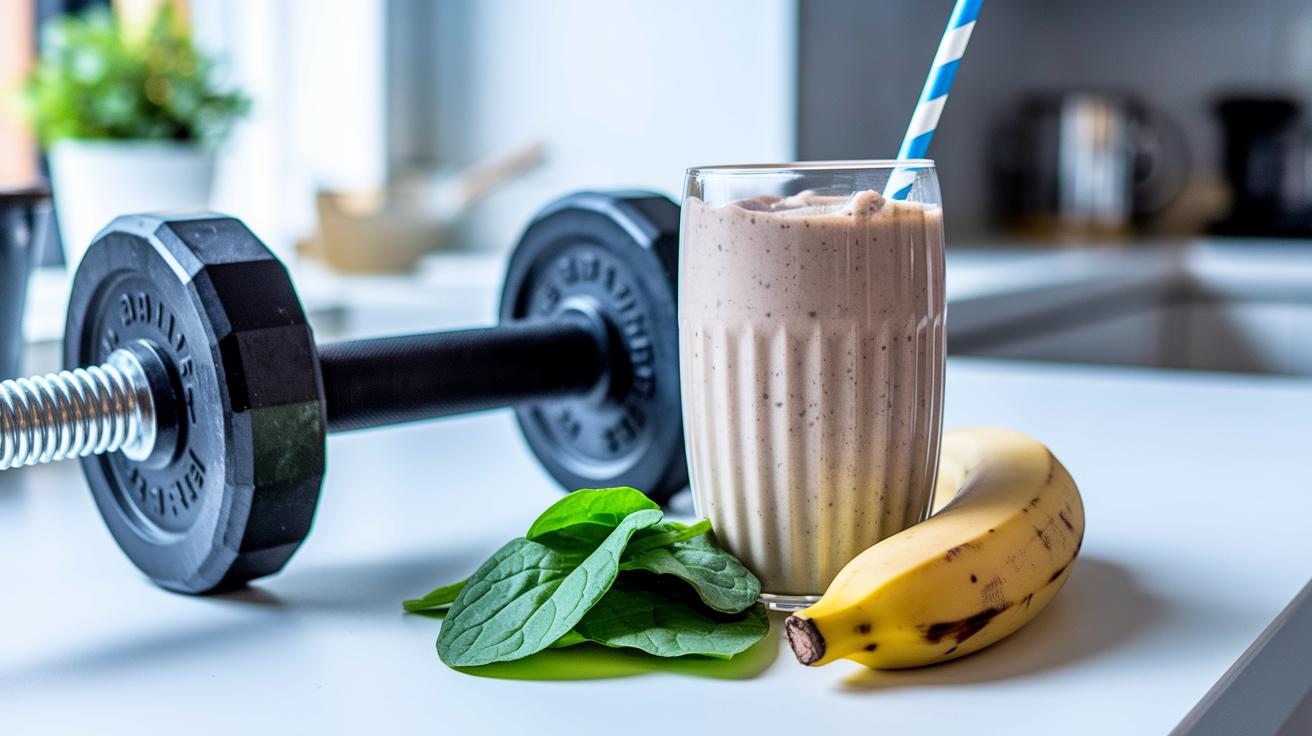
Building muscle isn’t just about lifting heavy weights – it starts with fueling your body right. When you plan meals that help repair and rebuild your muscles, you set yourself up for real progress. A clean bulking plan focuses on whole foods rich in protein, tasty recipes loaded with nutrients, and special superfoods that support strength boosts during your workouts.
Here are five recipe ideas to easily add variety to your daily routine:
- Power Breakfast Bowl: Mix 3 oz of chicken with oats and your favorite veggies. This meal delivers protein and slow-burning carbs to kick your day into high gear. Think of it as a tasty way to celebrate your morning workout.
- Muscle-Building Smoothie: Blend 1 scoop of whey protein (a fast-absorbing protein source), a banana, and a handful of spinach. This quick, refreshing drink gives you both protein and a burst of vitamins.
- Cashew Chicken Stirfry: Stir-fry 5 oz of chicken with brown rice and crunchy cashews. The combination of lean protein and cashews creates a fun mix of flavors that supports your strength sessions.
- Curried Chicken & Red Lentils: Combine 6 oz of chicken with hearty red lentils and spices. This dish offers high-quality protein paired with fiber-rich legumes, perfect for muscle repair after a tough workout.
- Greek Yogurt Parfait: Layer creamy Greek yogurt with fresh berries and a sprinkle of granola. This easy-to-prepare meal not only packs lots of protein but also delivers antioxidants and energy-boosting carbs.
Each recipe follows a clean bulking approach with balanced macros, making it simple and enjoyable to stick with a nutritious plan that helps you build lean muscle while keeping your meals exciting and delicious.
Timing Nutrient Intake for Pre- and Post-Workout Recovery
Before you start your workout, give your body the fuel it needs. About 1 to 1.5 hours before you exercise, try having a snack with 30–60 grams of carbs and 20–30 grams of protein. Think of it like a small bowl of oatmeal mixed with protein powder that wakes up your muscles and gives you a boost.
If your workout lasts more than an hour, sip on something with 30–60 grams of fast-digesting carbs as you go. It’s like taking a little energy break right in the middle of your training.
Right after you finish exercising, within 30–60 minutes, grab a recovery snack or meal. Aim for a mix of carbs and protein in a 3:1 ratio. Imagine a smoothie made with a banana and a half scoop of protein, helping refill your energy and repair your muscles.
- Pre-workout: 30–60g carbs + 20–30g protein (1–1.5 hours before)
- During workout: 30–60g fast carbs (if you work out longer than 60 minutes)
- Post-workout: 3:1 carb-to-protein ratio (within 30–60 minutes after)
| When | Nutrient Intake | Example |
|---|---|---|
| Pre-workout | 30–60g carbs, 20–30g protein | Oatmeal with protein powder |
| During workout | 30–60g fast carbs | Sports drink during exercise |
| Post-workout | 3:1 carb-to-protein ratio | Banana smoothie with protein |
Supplementation and Micronutrient Strategies for Optimal Muscle Strength
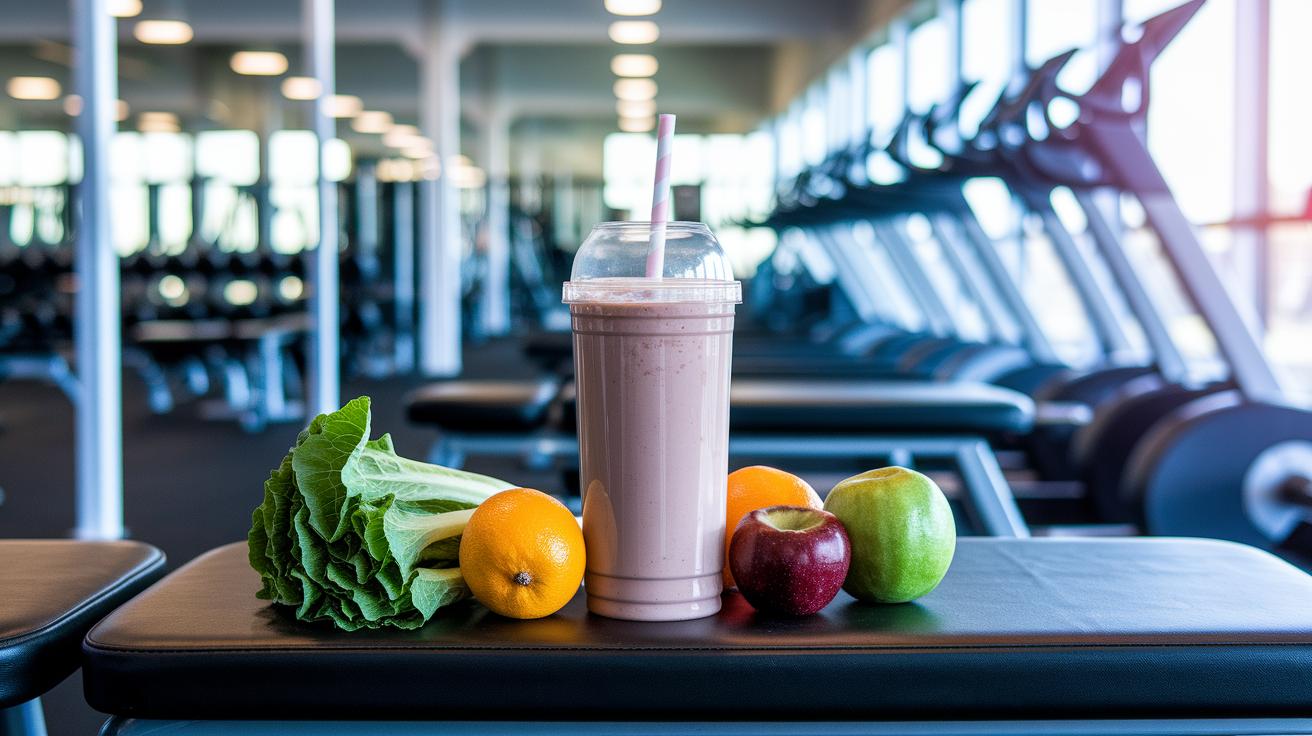
After a solid workout, many folks grab a quick shake to hit their protein goals. Whether you lean toward whey or a plant-based protein powder, mixing one scoop with water right after exercising can give your muscles that needed jumpstart for repair. Creatine monohydrate is another cool option, it helps boost your energy during tough, high-intensity lifts so you can push through your sets.
While BCAAs might help with recovery, whole foods packed with protein provide a full range of nutrients, too. Key vitamins and minerals like iron, calcium, zinc, and vitamin D are essential for mending muscles and keeping your overall performance on track. Plus, enjoy antioxidant-rich foods such as berries and leafy greens, they can help lower inflammation after you’ve given it your all.
In short, balancing these targeted supplements with a diet full of whole foods is the way to go. This mix not only builds stronger, leaner muscles but also helps your everyday recovery and overall strength stay on point.
Final Words
In the action, your plan covers calculating calorie needs, balancing macros, and choosing whole foods to fuel muscle repair and power each workout. We broke down how shifting protein, carbs, and healthy fats can spark strength and boost energy. Tips for meal timing and smart supplement choices tie everything together with balanced nutrition for muscle gain. Every strategy shared makes working out both effective and fun. Embrace these ideas, and let each workout bring you closer to living your best, strongest life.
FAQ
Frequently Asked Questions
What is the best nutrition for muscle gain?
The best nutrition for muscle gain means eating a balanced mix of lean protein, healthy carbs, and fats while fueling workouts to support muscle repair and growth.
Can you gain muscle with a balanced diet?
The balanced diet for muscle gain focuses on whole foods that provide sufficient protein, carbs, and fats, working alongside strength training to help build and maintain muscle mass.
What is the 40-40-20 meal plan for bodybuilding?
The 40-40-20 meal plan for bodybuilding divides your calories into 40% protein, 40% carbohydrates, and 20% fats, offering a structured approach to support muscle repair and energy levels during workouts.
What is the 60-20-20 diet for bodybuilding?
The 60-20-20 diet for bodybuilding assigns 60% of calories to carbohydrates, 20% to protein, and 20% to fats, aiming to fuel high-intensity workouts while promoting lean muscle growth.
What do balanced nutrition muscle gain recipes include?
The balanced nutrition muscle gain recipes are ready-to-use meal ideas that combine lean meats, whole grains, and healthy fats into dishes like protein smoothies and stir-fries, designed to support muscle growth.
How does a 7-day muscle gain diet plan work?
The 7-day muscle gain diet plan outlines a structured week of nutrient-rich meals in a slight calorie surplus, offering meal schedules and ideas that support muscle building for both gym-goers and beginners.
What is a 30-day muscle building diet?
The 30-day muscle building diet is a month-long plan that emphasizes balanced macros, nutrient timing, and varied recipes to help you consistently support muscle repair, growth, and overall strength.