
Ever noticed how some athletes keep pushing even when things get really tough? It feels like setbacks are just another part of their routine. Sometimes, the secret isn’t only in training your body but also in sparking your mind with positive thoughts. Imagine repeating a strong phrase during your workout, those few extra words can light up your drive. In this piece, we share straightforward tips that mix clear goals with inner strength, helping you turn each practice into a step toward winning big.
Proven Athlete Motivation Foundations for Enhanced Performance
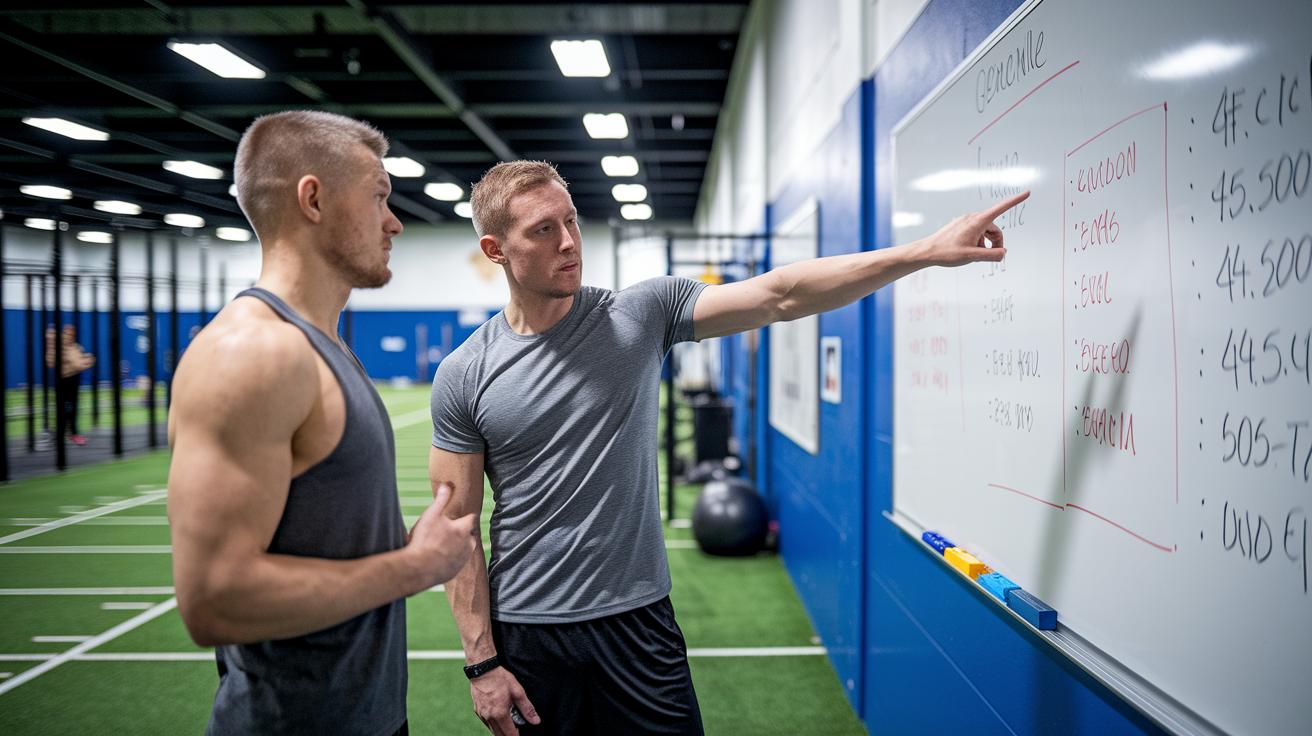
Staying both mentally and physically driven is key to performing your best. Sometimes, athletes face ups and downs in energy and focus that can throw off even a solid workout plan. When you balance your drive, you can power through tough sessions and bounce back quickly. For instance, saying something like, "Every rep counts toward my best self!" can help line up your mind and body for peak performance.
Intrinsic motivators, like the joy of playing the sport and the pride that comes from nailing a skill, play a big part in keeping you motivated. On the other hand, extrinsic rewards like trophies or cheers add a real sense of achievement. When both types mix together, every practice and game feels more meaningful, kind of like blending flavors in your favorite meal. Each element adds its own special kick, making the whole experience richer and more rewarding.
Self-Determination Theory helps explain how to boost motivation by focusing on three main ideas: autonomy, competence, and relatedness. Autonomy is about having a say in your training, imagine choosing drills that make you excited. Competence grows when you break a big goal into smaller, manageable steps until you see progress. And relatedness means being part of a team that cheers you on every step of the way. When all these elements work together, you create a supportive environment that can help you hit your highest potential every time you train.
Goal Setting Frameworks in Athlete Motivation

Setting clear goals gives your workouts a real purpose, turning even the most ordinary drills into stepping stones toward your best performance.
- Specific: Start by making your goal clear. For instance, you might say, "I want to cut my sprint time by focusing on my stride."
- Measurable: Use numbers to check your progress, like tracking your lap times to see steady improvement.
- Achievable: Aim for targets that push you without burning you out. Maybe challenge yourself to a 5% improvement over the next month.
- Relevant: Make sure your goal connects directly to your sport. For example, work on your endurance to boost your match performance.
- Time-bound: Give yourself a deadline, such as reaching your milestone in six weeks.
When you link everyday tasks with your long-term dreams, every little win adds up. Breaking big goals into smaller steps not only builds your skills but also makes training fun. Keep your overall vision in sight, and each drill you finish will power up your drive and keep you focused on becoming the best you can be.
Visualization Techniques to Enhance Athlete Motivation

Imagine picturing your success in your mind before it happens. When you see every move in your head, you sharpen your focus and boost your confidence, much like warming up both your body and your brain. This process helps you prepare for surprises, smooth out your skills, and calm the nerves before you compete. It’s like training your mind so your body can act with clarity and assurance.
| Technique | Description |
|---|---|
| Guided Visualization | Practice real game scenarios in your mind, immersing yourself fully. |
| Performance Profiling | Set clear goals and measure your progress as you train. |
| Goldilocks Imagery | Pace your mental drills just right to challenge you without overwhelming your mind. |
Making these mental exercises part of your daily routine can change the way you tackle your training. By setting aside just a few minutes to run through your drills in your head, you can break down mental barriers and steadily build your confidence. Over time, these simple sessions help you focus better and polish your technique, gearing you up for any competition. Ever noticed how a clear mind can make your body respond perfectly? Give it a try and see the difference for yourself.
Conditioning a Competitive Motivation Mindset for Athletes

A competitive mindset is key to building mental toughness as you train. It’s about setting up routines that help you stay sharp when pressure builds. Picture this: before your final lap, imagine finishing with all your strength, feeling that surge as you cross the finish line.
Mix up your mental rehearsal techniques. Instead of just picking drills, take a moment to recall your past wins and set clear goals before each workout. Spend a minute visualizing every detail of a perfect move, then head out with that confident image fueling your performance.
Boost your focus by breaking big challenges into smaller tasks. Try dividing your workout into short bursts, like sprinting hard for 30 seconds and then using that burst to power through the next mini challenge. This method builds a series of small wins that reinforce your competitive edge. Fun fact: many top athletes use quick 30-second sprints to remind themselves of what they’re capable of.
Team up with a workout buddy to strengthen your mindset. After each session, take a few minutes to discuss one standout move or improvement. Ask each other, “What move made you feel unstoppable today?” This simple conversation not only sharpens your focus but also builds a shared drive that goes beyond just physical training.
Coaching Motivation Methods to Drive Athlete Performance

Autonomy-Supportive Coaching
When you let athletes pick parts of their training, they feel more in charge and excited. Imagine a coach saying, "Pick the warm-up that really fires you up today." This kind of choice makes athletes feel like they own their workout, and that sense of control can make them push harder.
Mastery-Oriented Feedback
Instead of focusing only on wins or losses, talk about progress and effort. A coach might say, "Your technique today is a lot sharper than last week." This helps athletes see that every practice is a step forward. By celebrating small wins, they build confidence and keep striving to improve.
Building Team Identity and Celebrations
Team spirit grows when everyone celebrates their hard work together. Simple rituals, like a quick huddle to share a positive moment or a special cheer before a game, can bring the group closer. These shared moments remind everyone they’re in it together, making the team feel strong and united.
Integrating choices, growth-focused feedback, and team celebrations creates a powerful mix that keeps athletes performing at their best.
Preventing Athlete Burnout with Recovery and Resilience Methods

Ever feel like your workouts are getting tougher not just physically but mentally too? When exhaustion sets in, focus drifts, and every practice feels like you're dragging your feet, that's burnout knocking at your door. You might notice being constantly tired, a bit snappy, or overwhelmed by stress. These signs can be a mix of body and mind telling you that something's off. Spotting these hints early can help you tackle the root causes before they completely throw you off track.
Building up resilience against burnout is about keeping both your body and your mind refreshed. Think about trying some mindfulness drills, they let you pause, clear your head, and ease off the stress. After a tough game or practice, taking a few minutes for a mental reset can really help you learn from what went wrong without losing your spark. Pair these moments with simple, everyday stress-management exercises, and you'll have a routine that keeps your drive strong and helps you perform at your best.
Real-World Athlete Motivation Case Studies
Serena Williams shows us that a deep love for the game can help you overcome even the toughest setbacks. After battling multiple injuries, her strong passion and constant positive self-talk kept her motivated. Every small win during practice and every moment in competition fueled her comeback, proving that inner drive truly powers lasting success.
The New Zealand All Blacks remind us how a solid team spirit can boost everyone’s performance. They use traditions like the haka, a powerful dance that celebrates both individual strength and team unity, to build a close bond among players. This shared ritual not only makes each member feel accountable but also aligns them all with a common goal.
A Division I swimmer found her stride by balancing the fun of training with the need to perfect her technique. She set clear, realistic goals and took time to reflect on her progress, which steadily improved her race times. Her journey shows that mixing enjoyment with smart planning can lead to noticeable athletic gains.
Daily Self-Motivation Practices for Consistent Athlete Drive

Begin your day with a simple ritual that centers your mind and lifts your spirit. Stand before the mirror and confidently say, "Not yet, I'm getting stronger every day." This quick moment helps clear your head and sets you up with the mindset of a true champion.
Keep that positive energy flowing by focusing on small improvements all day long. Try the 1% better approach, where you make one tiny change in every session to boost your performance. And when challenges pop up, plan a specific response so you can bounce back fast. Regularly checking your goals helps break big targets into easy, bite-sized steps that keep you motivated and steady.
Final Words
In the action, we broke down how mental strength and clear goals build muscle and drive. We explored intrinsic energy, smart recovery, and effective visualization tools to keep workouts engaging.
We also talked through daily habits and creative athlete motivation techniques like guided visualization and routine self-checks that keep you moving forward.
Every tip here is a setup for real progress. Keep pushing, stay committed, and enjoy turning every workout into a win.