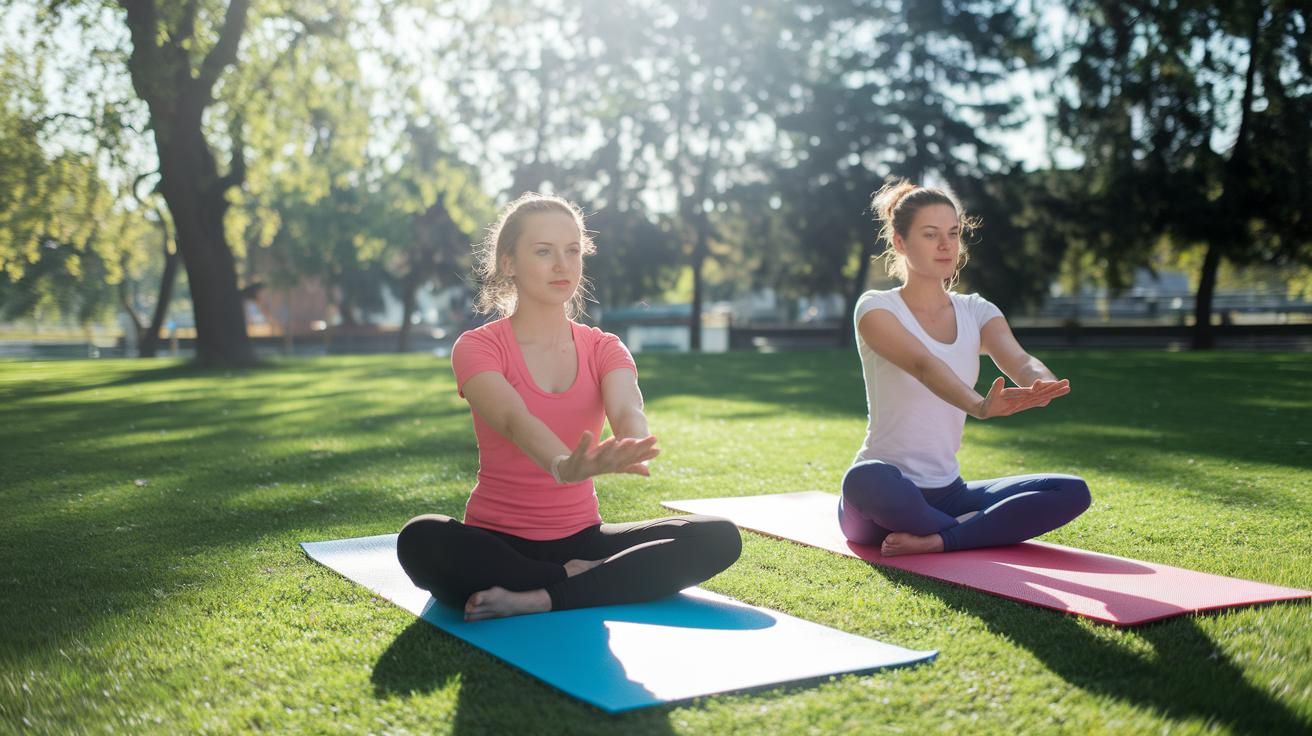
Ever thought about giving your body a break from the heavy workouts? Active recovery is not about doing nothing; it’s a clever way to let your muscles heal and gear up for your next challenge. Imagine hopping on a bike for a light ride, taking a gentle jog, or flowing through some easy yoga moves that wash away the tightness from a tough session.
Studies even suggest that adding these easier days can help you push even harder next time. In short, active recovery refreshes your body, soothes sore muscles, and charges up your training routine, giving you that extra boost when you need it most.
How Active Recovery Workouts Speed Muscle Repair
Active recovery workouts are gentle cooldown exercises that help your body bounce back on rest days. They boost blood flow without putting too much stress on your muscles. Think of it as a relaxed walk or a slow bike ride that lets your body unwind after a tough session.
These workouts work best when you keep your heart rate around 60–80% of its maximum. Common choices are brisk walking, light jogging, yoga, or even swimming. Imagine spending 15 minutes on a leisurely bike ride, feeling your legs move in a steady rhythm that melts away any tightness.
A study by the American Council on Exercise and Western State Colorado University found that people who did active recovery workouts could run or cycle three times longer in their next session compared to those who rested completely. This means that doing a light cooldown for 10–30 minutes not only speeds up muscle repair but also helps you stick with your training longer. In short, choosing a recovery workout like a gentle jog gives your muscles the chance to recover and get ready for more challenging sessions ahead.
Key Benefits of Active Recovery Workouts
Active recovery workouts are all about light, steady movement. Think of a gentle bike ride or a soft walk that helps get your blood flowing and clears out lactic acid and other by-products from your muscles. It’s like your muscles getting a soothing, natural massage, as if a calm stream is slowly carrying away leaves along its path. This keeps tight spots at bay and helps your muscles repair without overwhelming them.
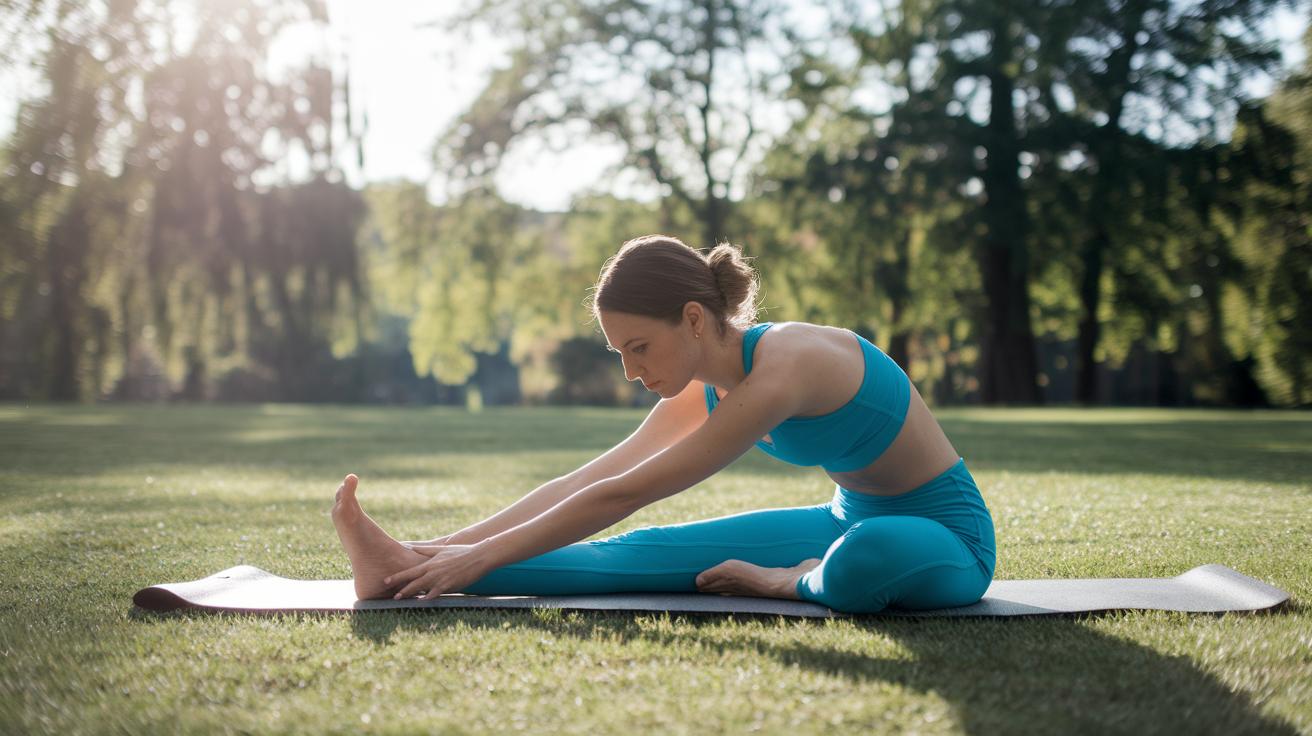
Adding stretches from yoga or Pilates into your routine can really boost your flexibility. These exercises stretch your muscles, help smooth out any imbalances, and make your joints move more easily. After a tough workout, a good stretch can ease stiffness and lower the chance of injuries. Plus, a steady stretching routine balances muscle tension, getting you ready for your next intense session while keeping the benefits from your previous workouts in check.
active recovery workouts: Revive, Soothe, Energize
Active recovery workouts help you bounce back after tough training by keeping you moving without pushing too hard. Start with a few simple warm-up moves that get your muscles ready and ease you into motion. These low-key sessions boost blood flow and support muscle repair, all while keeping your heart rate around 60–80% of its max. It’s a gentle way to keep active and feel good.
Imagine enjoying a calm 20-minute bike ride. Begin with a few minutes of fluid leg swings and easy pedal rotations to loosen your muscles. Then, keep a steady pace where your breathing settles into a nice rhythm and your muscles relax, almost like feeling a soft, cool breeze on a sunny day.
Or, try a soothing 20-minute yoga flow. Start with postures that open your chest and hips, moving slowly from one pose to the next. Picture each stretch melting away tension, calming both your body and mind as you ease into a peaceful state.
If you’re looking for a quick fix, a 10-minute full-body stretch does wonders. Gently stretch your arms, legs, and back, as if you’re pressing a reset button on your muscles. This simple routine helps release any tightness and readies you for your next workout.
For a fun, energetic twist, give jump rope intervals a shot. Alternate between 20–30 seconds of light jumping and brief rests. It’s a quick burst that boosts your heart rate and sharpens your coordination, showing that recovery can be lively too.
Lastly, spend about 10 minutes rolling out your muscles with a foam roller. Work softly on your calves, hamstrings, quads, and glutes. This gentle self-massage helps soothe muscle knots and encourages better blood flow.
| Workout | Duration | Focus | Intensity |
|---|---|---|---|
| Recovery Ride | 20 Minutes | Cardio | Low |
| Restorative Yoga | 20 Minutes | Flexibility | Low |
| Full-Body Stretch | 10 Minutes | Recovery | Very Low |
| Jump Rope Intervals | Approximately 5 Minutes | Coordination | Low |
| Foam Rolling | 10 Minutes | Muscle Release | Very Low |
Planning Active Recovery Workouts for Rest Days
Most athletes find one or two active recovery days each week work best, along with full rest days. On these low-key days, try lightweight activities like a gentle bike ride, a light jog, or a simple yoga session. These moves keep your heart beating at a calm pace and help your muscles stay loose without wearing you out. Imagine finishing a tough workout and then taking a refreshing 20-minute walk the next day before getting back into a more intense session.
It’s super important to listen to your body when planning these recovery days. If you feel extra tired, stiff, or just low on energy, it might be a sign to take it even easier, maybe swap a recovery day for some complete rest. Sometimes a brief stretching session or a light mobility flow can be just what you need. Adjust your recovery routine as you go to support your fitness gains without adding more strain.
Equipment-Free Active Recovery Workouts
Working out without equipment is a great way to help your body move and heal naturally. These sessions lean on your own body strength, using simple moves like joint mobility drills, bodyweight circuits, and stretches that get your blood flowing and muscles feeling loose. It’s a gentle way to give your body a reset on days when you’d rather skip the extra gear.
Try adding these six effective moves to your routine:
- Arm circles
- Leg swings
- Hip rotations
- Forward lunges
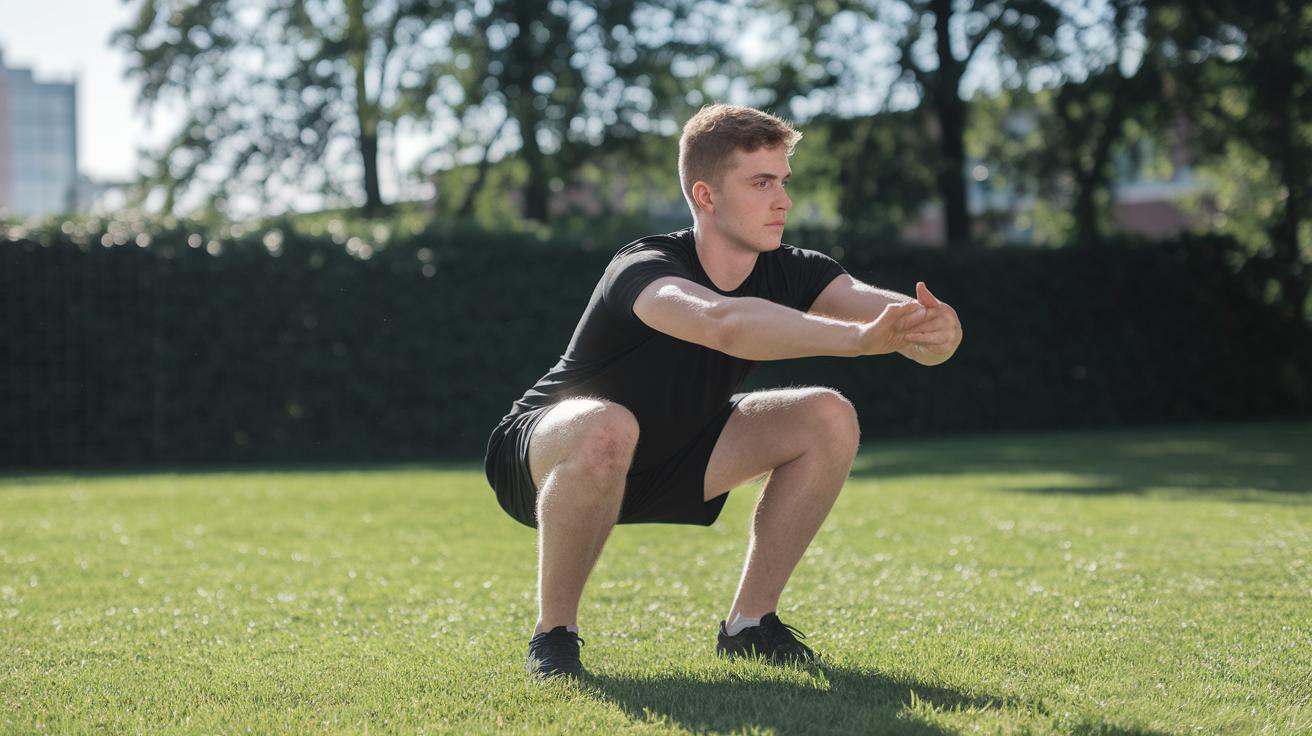
- Bodyweight squats
- Bird-dog
Example Sequence
Start with a 15-minute flow that begins slowly. Kick things off with arm circles, leg swings, and hip rotations to awaken your muscles. Then switch to a circuit of forward lunges, bodyweight squats, and bird-dogs, aim for about 10 to 12 reps of each move. Finally, finish up with some calm, static stretches to help your muscles recover and keep you feeling flexible.
active recovery workouts: Revive, Soothe, Energize
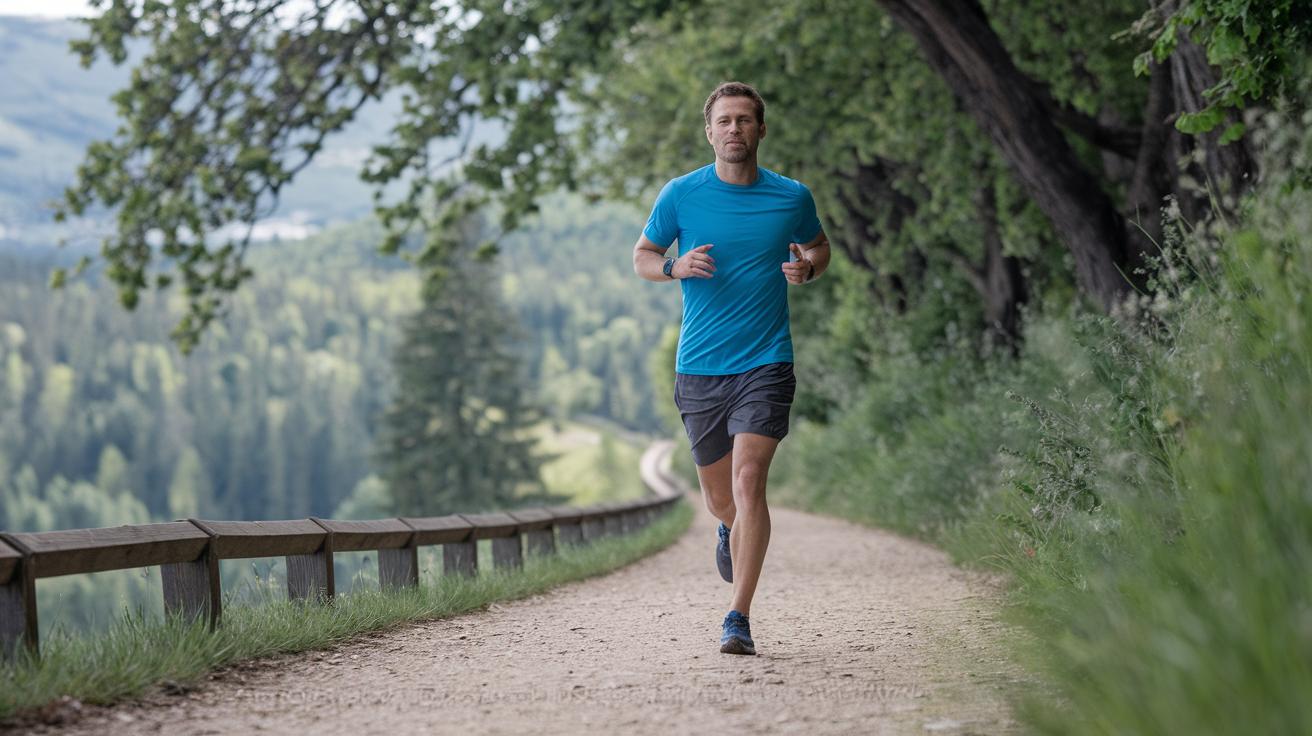
Active recovery is all about keeping your body moving without overworking muscles that are already tired. For runners, that might mean an easy jog or brisk walk that helps clear away muscle fatigue, imagine a cool, gentle jog setting the stage for refreshed legs. Cyclists can enjoy a relaxed ride on a Peloton or their bike at an easy pace. Strength trainers might find a soft yoga flow or low-impact cardio just right, while rowers can opt for light, low-resistance rowing that keeps blood moving without strain.
It’s best to let at least 24 hours pass after a tough workout before diving into recovery activities. Try to build recovery days into your weekly routine so your body has time to heal and gear up for the next session. That way, every recovery day acts as a chance to relax your muscles and build up energy for upcoming challenges.
Expert Tips for Effective Active Recovery Workouts
Keep an eye on your heart rate while you recover. Aim to keep it between 60% and 80% of your maximum so you’re letting your body relax without extra strain. Check your pulse every few minutes to make sure you’re in the right zone.
Start your cooldown with a gentle warm-down. For example, try a brisk five-minute walk or a simple step-touch routine to tell your muscles it’s time to slow down. Then, move your joints slowly with some mobility exercises and finish with static stretches held for 30 to 60 seconds to help your muscles unwind.
After you stretch, use a foam roller on your calves and quads to ease any tight spots and boost blood flow. Keep your active recovery days to about twice a week, so you don’t overdo it. A coach once said that tweaking your recovery plan with professional tips can really help you work smarter and bounce back better.
Final Words
In the action, we broke down how active recovery workouts speed muscle repair by increasing circulation and easing muscle stiffness. We covered low-intensity cooldown sessions, specific joint drills, and even equipment-free moves to keep you moving gently on rest days. Each tip was meant to help enhance performance while making your workout routine fun and effective. Stick with a mix of recovery exercises and enjoy the benefits of feeling refreshed and strong. Keep moving forward with a smile and energy.
FAQ
What is an active recovery workout?
An active recovery workout is a low-intensity session that keeps your heart at 60–80% of its max rate. It boosts blood flow and helps clear metabolic waste, speeding up muscle repair on rest days.
What are some examples of full-body active recovery workouts, including routines at home and with weights?
Full-body active recovery workout examples include easy cardio like a 30-minute ride or 45-minute walk, gentle yoga sessions, light weight exercises, and routines that use bodyweight movements—all designed to promote circulation without overexertion.
What durations work best for an active recovery session, such as 30 or 45 minutes?
Active recovery sessions typically last 30 to 45 minutes. This duration is long enough to boost circulation and reduce stiffness while staying low intensity, making it effective for muscle repair and overall recovery.
What is the 3 3 3 rule for working out?
The 3 3 3 rule means breaking your workout into three equal parts—warming up, working out, and cooling down—with each segment lasting the same amount of time for balanced effort and recovery.
What is the 2 2 2 rule in the gym?
The 2 2 2 rule suggests dividing your session into two warm-up sets, two main exercise sets, and two cool-down sets. This approach keeps your workout balanced and helps manage your overall intensity.
What is the 5-3-1 rule in the gym?
The 5-3-1 rule is a strength training plan that involves performing sets of five reps, then three reps, and finally one rep. It focuses on slow, steady gains to build strength over time.