Ever notice how a relaxed, slow pace can give your muscles a quick boost? That’s active recovery, which simply means choosing gentle movement after a tough workout. Instead of coming to a full stop, you ease into a calm activity, like taking a leisurely walk on a sunny day.
This easy motion helps ease muscle tension and cuts down on soreness. It clears away the fatigue and brings in fresh energy so you bounce back faster. It’s a simple trick that lets your muscles repair while keeping you feeling light and refreshed.
Understanding Active Recovery after Workout: Feel Refreshed Fast
Active recovery is a gentle way to help your muscles recover after a hard workout. Instead of stopping completely, you keep moving at a light pace so your body continues to get fresh oxygen and nutrients. Imagine taking a relaxed 10-minute walk where you feel the cool breeze with each step, it’s like giving your body a soft reset.
Unlike just sitting or lying down, active recovery makes your muscles work a little without straining them. Each light movement helps clear out waste and bring new energy to your tired muscles. It’s similar to a mini tune-up where a bit of gentle exercise can ease tightness, reduce soreness, and even help prevent injuries.
By keeping things easy and steady, you allow your muscles to repair without extra stress. Ever noticed how a slow, easy pace can make you feel surprisingly refreshed? Try adding a few minutes of active recovery to your routine, and you might be amazed at how quickly your body bounces back.
The Science of Blood Flow and Muscle Repair in Active Recovery
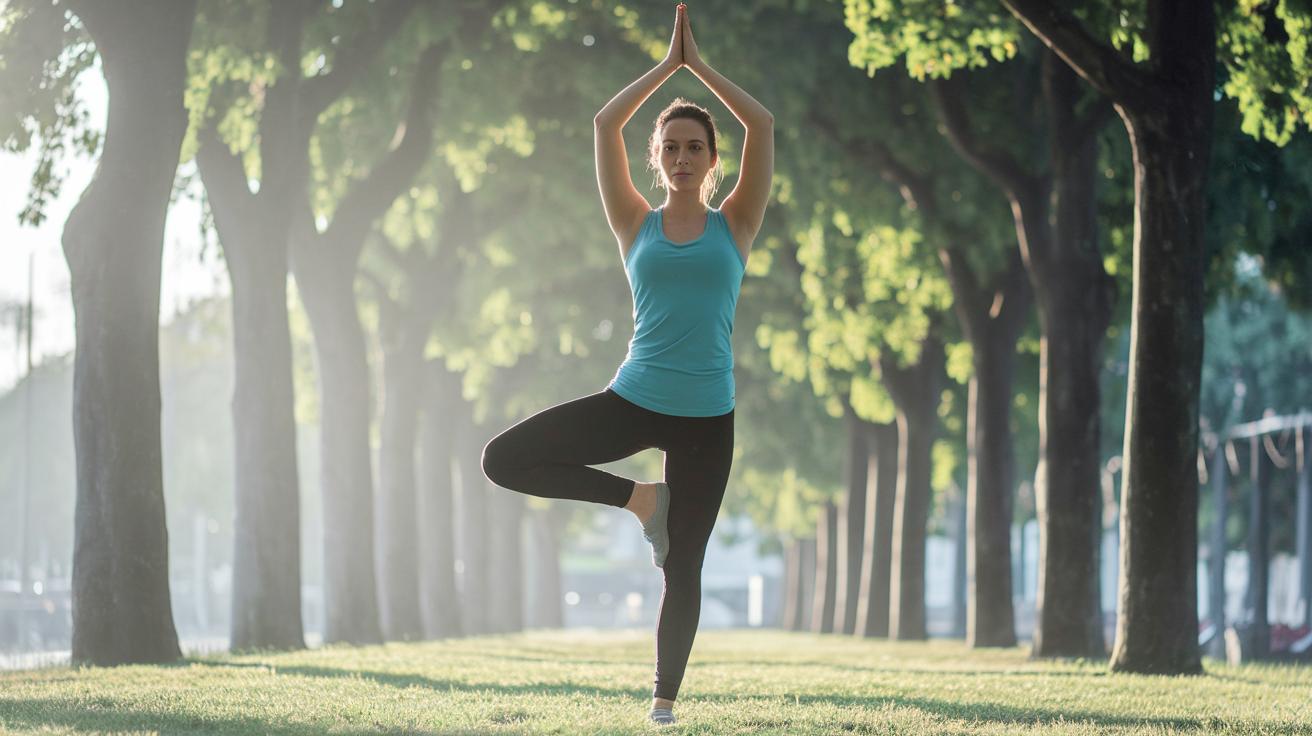
Light exercise that doesn’t push your muscles too hard is key to keeping your blood moving. Even a simple walk or a few stretches can help your heart pump a steady flow, which sweeps away waste like lactic acid and brings fresh oxygen and nutrients to tired muscles. Imagine it as gently stirring a thick smoothie, steady, smooth movements help mix everything evenly. Think of a calm bike ride where each pedal lift relaxes your muscles while your blood carries in everything it needs to fix tiny tears from your last workout.
This kind of gentle movement isn’t just about getting rid of waste; it’s also great for muscle repair. Keeping activities low-intensity gives your body a chance to rebuild without adding extra stress or causing more inflammation. Instead of high-impact workouts that might strain delicate fibers, try a light yoga session or an easy swim. These activities keep the blood flowing steadily, helping your muscles recover, restore energy, and get ready for the next challenge.
Dynamic Mobility Stretching and Functional Cooldown Exercises
Yoga Poses for Active Recovery
Adding gentle yoga poses to your cooldown is a fantastic way to ease muscle tightness and boost flexibility. Take the Mountain Pose, for example, it helps you feel steady and balanced, almost like planting your feet firmly on the ground. Then there’s the Forward Fold, which softly releases tension along your back, and the Cat-Cow, a simple movement that smooths out any stiffness. Not to forget the Child’s Pose, which gives you a calming, full-body stretch. Picture yourself flowing from one gentle pose to the next, much like slowly turning the pages of a beloved book, with each move bringing its own refreshing relief.
Pilates-Based Functional Movements
Pilates drills bring a fresh twist to your recovery by focusing on controlled, deliberate movements that extend and mobilize your muscles. For instance, spine articulation exercises gently stretch and add movement to your back, while hip openers work wonders for loosening up a tight lower body. These moves are crafted to straighten your posture and expand your range of motion without putting too much strain on your muscles. Think of it as finding a calm, steady rhythm where every twist and stretch helps build better muscle balance. Adding these dynamic mobility stretches and cool-down moves into your routine not only ramps up your flexibility but also helps prevent injuries and paves the way for an easy transition back into your regular workouts.
Sample Full-Body Regeneration Sessions for Active Recovery
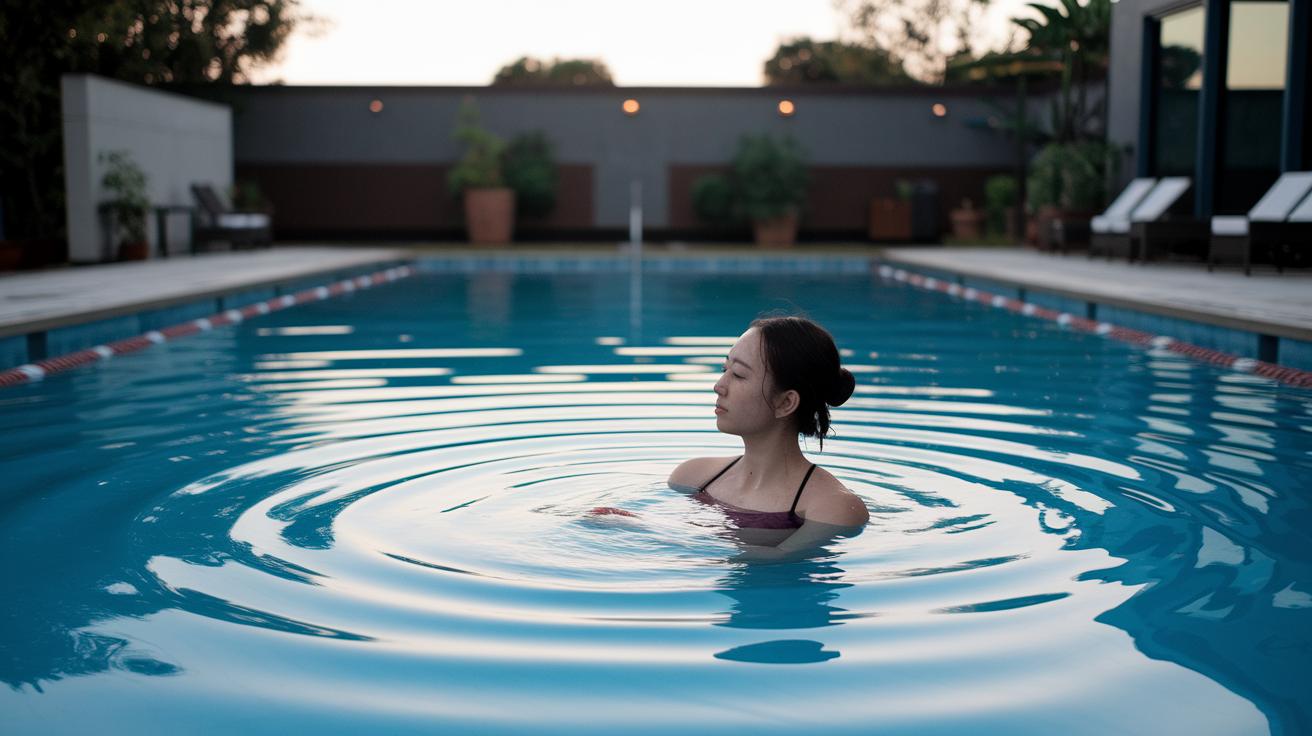
Imagine giving your body a little reset with full-body regeneration sessions that help you bounce back quickly. Picture yourself at a calm lap pool where you're gently swirling your arms and letting your legs swing with ease. Or think of a friendly 30-minute light cardio session that smoothly mixes in simple yoga poses, like you’re unwinding after a long day. These easy movements get your blood flowing while easing muscle tightness, almost like a soft melody that clears out waste and fills your muscles with fresh oxygen and nutrients.
Ever finish a short jump rope session and feel that comforting, gentle energy as your heart settles down? Even a few minutes on a foam roller can feel like a quiet break for your muscles. It targets the calves, hamstrings, quadriceps, and glutes, leaving you feeling more flexible and at ease.
Below is an HTML table that shows four sample routines to spark your active recovery journey:
| Method | Duration | Key Movements |
|---|---|---|
| Lap Pool Workout | 10-15 minutes | Arm Circles, Leg Swings, Torso Twists |
| Light Cardio with Yoga | 30 minutes | Mountain Pose, Forward Fold, Cat-Cow, Child’s Pose |
| Jump Rope Interval | 20-30 seconds | Easy Skipping |
| Foam Rolling Session | 5-10 minutes | Calves, Hamstrings, Quadriceps, Glutes |
This mix offers simple, low-intensity ways to help your body recover without extra strain. Whether you’re swimming, skipping, or rolling, remember the key is to move gently. Adjust each routine as needed, and enjoy that feeling of gradual refreshment after a good session.
Designing Your Recovery: Duration, Frequency, and Scheduling
When you finish a tough workout, give yourself a calm, gentle cooldown. Think about spending 10–30 minutes doing light stretches or a slow walk that lets your body cool off. Aim to keep your effort really low, around 2 to 4 out of 10. Imagine taking a relaxed stroll where you feel the cool air and each step helps your muscles repair, simple moves that keep you refreshed without overworking.
Try to plan these active rest days about 2–3 times a week amid your harder sessions. This way, your body gets enough time to reset without slowing your progress. It’s like having a little pause that eases soreness and pushes your overall performance up. Even short post-work relaxation can work wonders for staying on track with your goals.
When it comes to fitting cooldowns into a busy day, think about linking them right after your main workout. That might be a brief walk or some light stretching right away. Staying consistent is key, just a few minutes each time helps your muscles recover and lowers the risk of injury, setting you up for steady, lasting progress.
Final Words
In the action, we broke down active recovery after workout, exploring gentle exercise moves that boost blood flow and help muscles repair without the harsh impact of high-intensity work. We saw how simple stretches, yoga poses, and Pilates drills can ease tension and keep your body primed for more.
We also looked at sample cooldown sessions and smart scheduling tips, showing that thoughtful recovery makes workouts more effective. Keep up that active recovery after workout, and you'll feel better and stronger every day.
FAQ
What are the benefits of active recovery after a workout?
The active recovery after a workout helps boost blood flow, reduce muscle soreness, and lower injury risks by encouraging gentle movement that aids in repair and prepares you for your next session.
How does active recovery compare to a rest day?
The active recovery approach uses low-intensity exercises to promote circulation and speed up repair, unlike a rest day where you refrain from movement that could help your muscles recover.
What are some examples of active recovery workouts?
Examples of active recovery include light walking, gentle cycling, yoga poses, Pilates, stretching routines, and foam rolling—each designed to improve mobility and ease muscle tension.
How can you design a full-body active recovery workout?
A full-body active recovery workout might feature light cardio, dynamic stretches, yoga poses, and foam rolling, which together target various muscle groups while keeping efforts low and effective.
Is running considered active recovery?
Running can count as active recovery if performed at a low, easy pace that maintains fluid movement without overloading your muscles, allowing for a gentle boost in circulation.
How long should an active recovery session last?
An active recovery session usually lasts between 10 and 30 minutes, ensuring the movement remains low-intensity enough to aid recovery while keeping your body moving.
How do stretching and mobility exercises fit into active recovery?
Stretching and mobility exercises, like dynamic stretches, Pilates drills, and cooldown techniques, are key parts of active recovery as they improve flexibility, ease tension, and support overall muscle repair.
What is the 3-3-3 rule in the gym?
The 3-3-3 rule in the gym means doing three sets of three different low-impact exercises to maintain balance in movement and support recovery without overexerting your muscles.