33.9 C
London
Wednesday, July 8, 2026
Home Blog Page 13

Virtual Community Fitness Challenges Ideas: Spark Fun

0

Ever thought about mixing a little fun into your workout, even from home? Virtual fitness challenges turn your regular exercise into a social affair. They let you connect with buddies while you get your heart pumping.

Imagine tracking your 5K run or joining a step contest, all from the comfort of your living room. It feels like a friendly game where you cheer each other on. And that extra burst of energy can really boost your motivation.

Ready to switch up your routine and feel that rush of community support? Give it a try and see how a small dose of fun can lead to big results.

Top Virtual Community Fitness Challenge Ideas to Engage Your Audience

Virtual community fitness challenges are a fun new way to work out without stepping into a gym. They mix smart technology with the buzz of a friendly group, turning every session into a casual social get-together. Whether you’re tackling a quick daily task or joining a month-long contest, these challenges can fit snugly into anyone’s routine while helping you hit your fitness goals.

No matter if you’re just starting out or have been exercising for years, these challenges let you work at your own pace with a playful competitive spark. You get a boost from being part of a supportive community, while the flexible formats help you push your limits gently. Plus, the interactive style of these challenges keeps the energy high, so you can cheer each other on and turn workout time into a fun, collective celebration.

  • Virtual 5K Race: Run a 5-kilometer course tracked by your fitness app, mixing personal effort with a bit of friendly competition.
  • 30-Day Plank Progression: Work on your core every day by gradually increasing how long you hold a plank over 30 days.
  • Team Step Count Competition: Join forces with friends and count your steps as you see which team can hit the highest total.
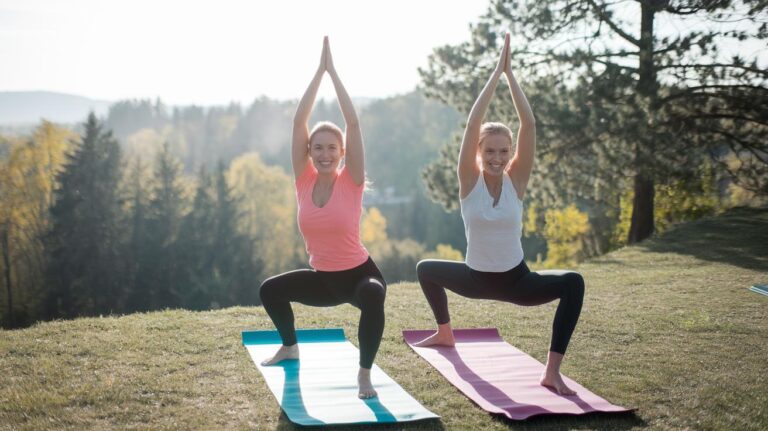
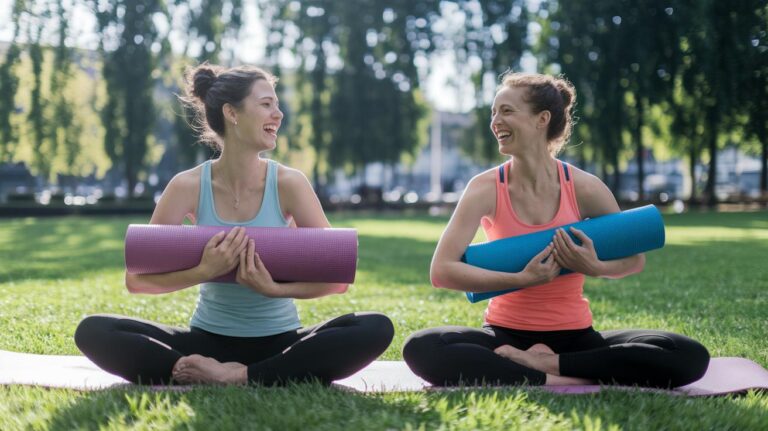
  • Online Yoga Series: Enjoy live-streamed yoga sessions that boost your flexibility and help you relax, all from the comfort of home.
  • Home HIIT Circuit: Try this fast, high-energy workout designed for small spaces and busy schedules. (HIIT stands for High Intensity Interval Training, meaning short bursts of intense exercise followed by quick rest periods.)
  • Nutrition & Fitness Fusion: Mix smart meal planning with daily workouts to build both healthy eating habits and a lively exercise routine.
  • Charity Miles Relay: Walk or run to track your distance while supporting a good cause, turning your fitness wins into community giving.

Each of these ideas connects you with others by turning solo workouts into shared victories. With regular updates, fun contests, and live leaderboards to cheer on progress, even routine exercises feel like a group celebration. As everyone tracks their progress and hits new milestones, you begin to feel that strong sense of togetherness that makes fitness both rewarding and really enjoyable.

Planning and Setup for Virtual Community Fitness Challenges
img-1.jpg

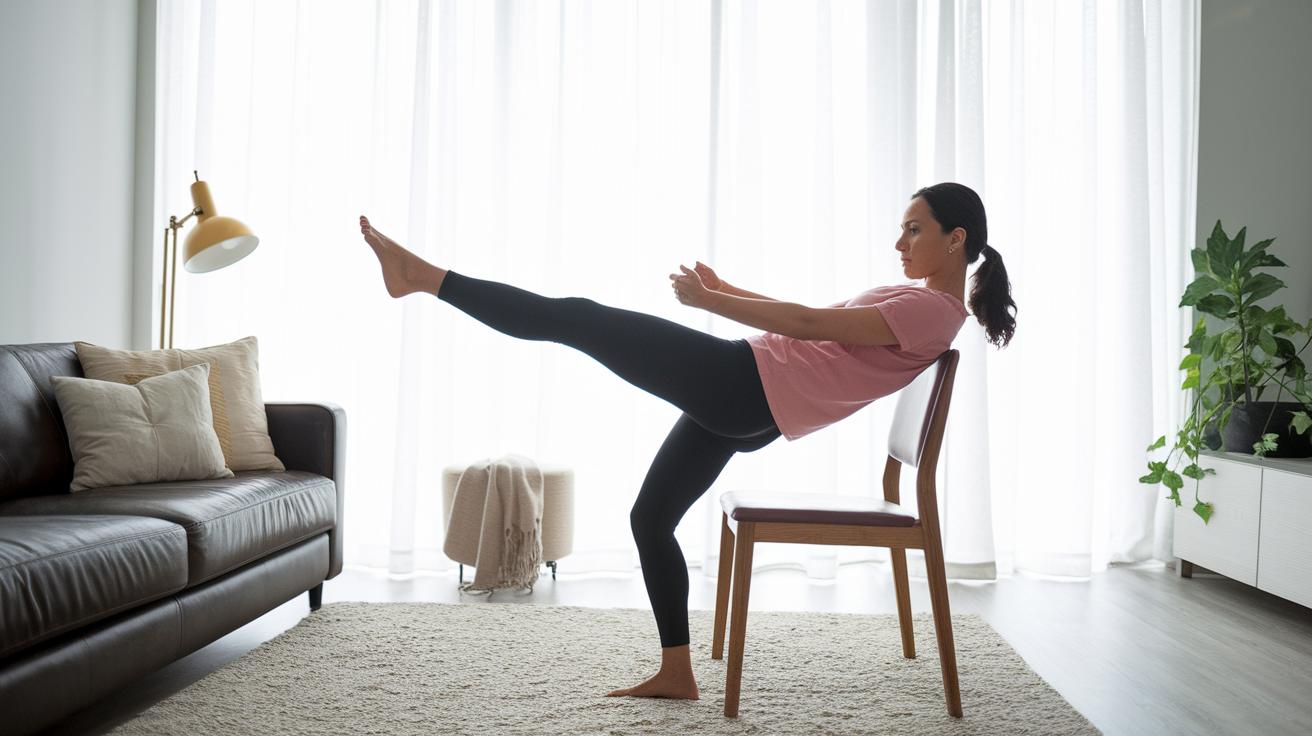
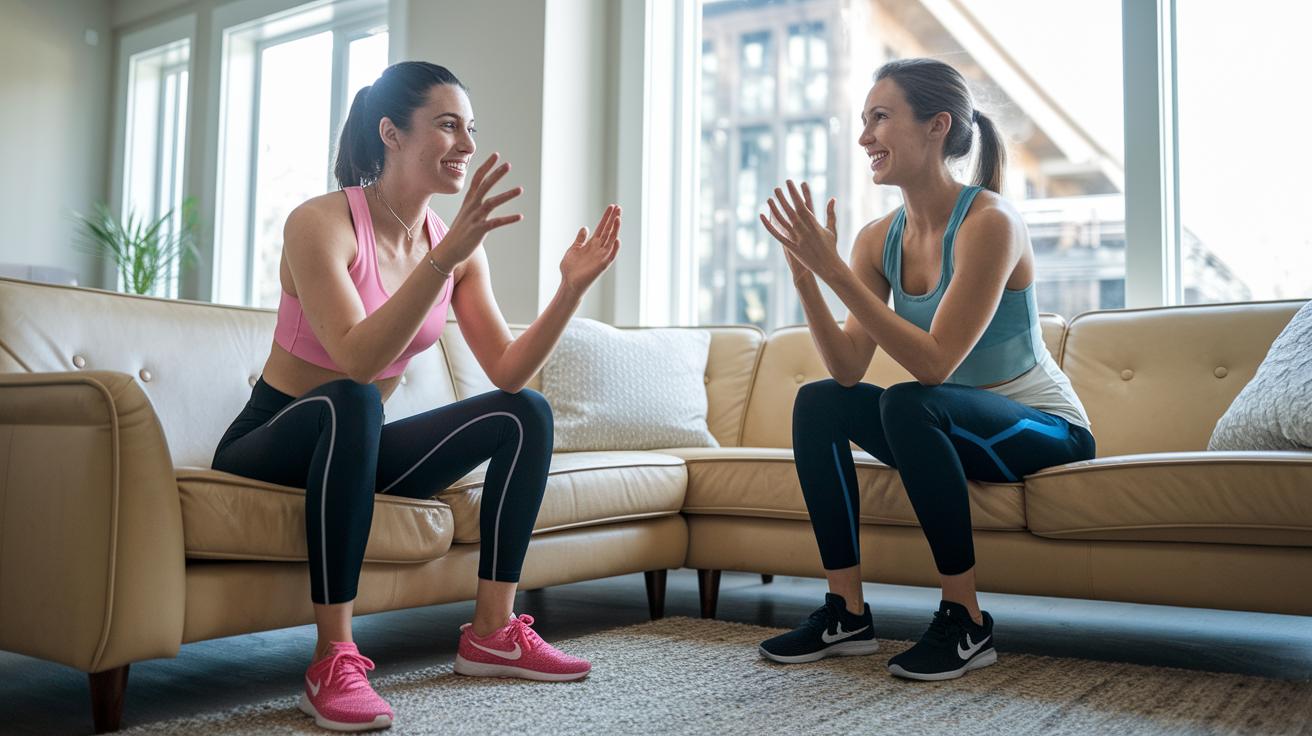
Getting your virtual fitness challenge started can be simple with a good plan and reliable setup. Begin by taking a look at our guide on how to create a community fitness challenge. This guide shows you the basics you need for a program that works well, from setting clear goals to making sure all your tech tools work together and creating a friendly space for everyone.

First, nail down the purpose of your challenge with clear, countable targets. Who should be part of this journey? What kind of progress do you want to see? Answering these questions will help you pick the right mix of exercises and activities, so your challenge feels inclusive and fun for all fitness levels.

Next, decide on a challenge style that matches your group, whether it’s a quick burst of energy over a few days or a month-long push. Pick a realistic timeframe that everyone can stick to. Then, choose the best way to keep in touch, like emails or in-app messages, so everyone stays up to date and can cheer one another on.

Set clear rules and offer rewards that spark motivation. Kick things off with a live introduction or a recorded session where you explain the guidelines, answer common questions, and pump everyone up. A friendly, open tone makes a big difference and helps everyone feel informed and ready to go.

Lastly, stick with simple, clear instructions and consistent branding in all your communications. This not only keeps things on track but also builds trust and sets a positive, energetic tone throughout the entire challenge.

Technology Tools and Platforms for Virtual Community Fitness Challenges

Digital tools make virtual challenges exciting and easy to handle. They help you keep track of your workouts and connect you with others so that even when you're apart, it feels like you're sweating it out together in a group.

When you’re choosing a platform, think about custom-built apps. These apps are made just for challenges, letting you keep a close eye on your progress and offering fun interactive features. Other fitness apps work with wearable gadgets and give you instant updates on how you're doing, plus they save your workout data for you to review later. And sometimes, a social media group can be a great option, a place where you share daily wins, post inspiring photos, and get real-time cheers from friends. Your pick really comes down to how comfortable your group is with tech and how much interaction you want.

Always check for helpful features like dashboards that show how everyone is doing, automatic reminders to keep you on track, and community feeds where you can chat and celebrate every little victory.

Engagement and Motivation Strategies for Online Workout Competitions

img-2.jpg

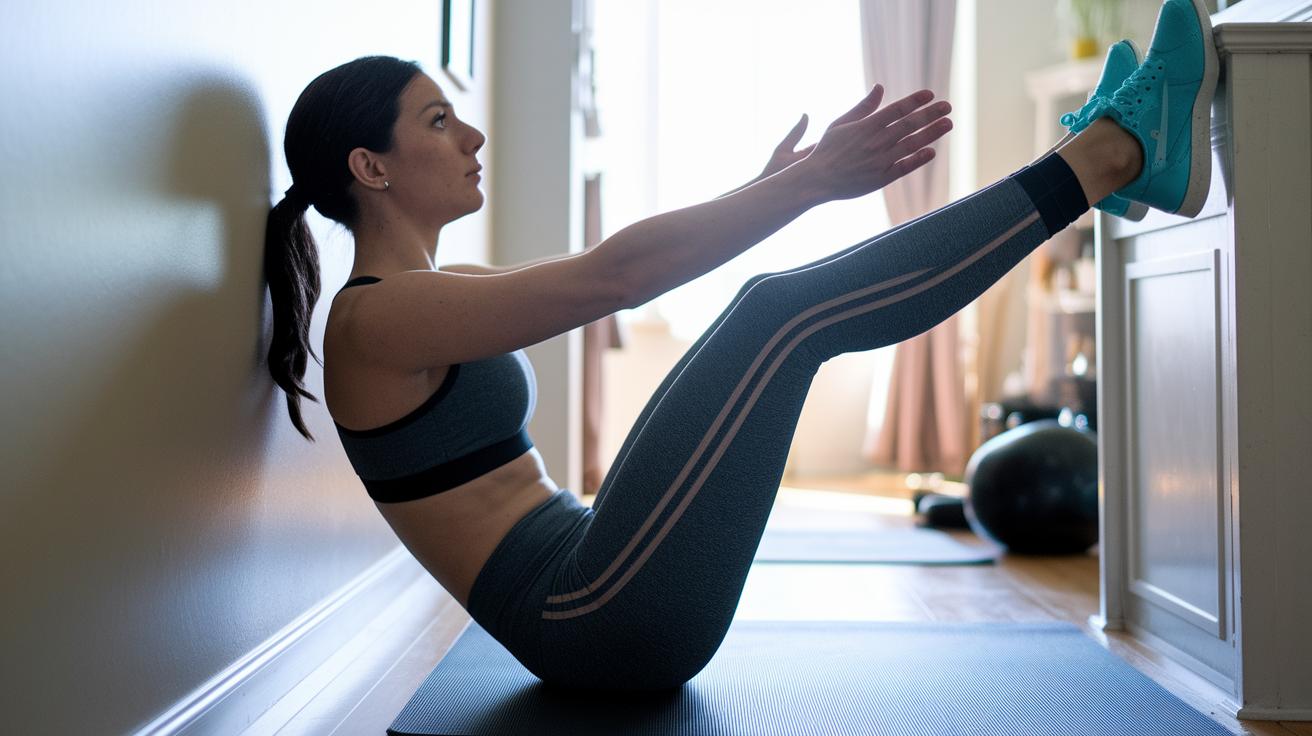
Staying engaged is what makes an online workout contest fun and rewarding. When you feel part of a team, clear instructions, regular check-ins, and a little friendly rivalry can really boost your energy and keep you going.

Regular Progress Updates and Leaderboards

Imagine getting a quick, encouraging email each week or checking a live leaderboard that shows your progress. Little shout-outs for beating a personal record turn every rep into a mini celebration, making sure you know your hard work really counts.

Community Interaction through Social Media

Joining special challenge groups and sharing your own workout snaps online can make a big difference in keeping your spirits high. Picture a daily post where everyone shows off their exercise space, it’s these small moments of connection that spark real support and motivation.

Gamification and Rewards

Turning your workout into a game with points, digital badges, and small rewards adds a fun twist to your routine. Earning a new badge for reaching a personal best makes every session feel like a special win, encouraging you to push a little harder next time.

Tracking Progress and Measuring Success in Virtual Community Fitness Challenges

Measuring how things are going matters. It helps you see if your virtual fitness challenge is really working. When you know how everyone is doing, you can change workouts, tweak ways to get folks more involved, and cheer for every little win that comes along. Ever notice how, week after week, noticeable improvements in activity remind us that every effort adds up?

There are a few key numbers to keep track of. Look at participation rates, the percentage of people finishing the challenge, total minutes of workouts logged, social media shares, and some honest feedback from the community. These figures tell you both how far your challenge has reached and what needs a little extra attention, kind of like checking your pulse to see if your community is truly alive and kicking.

Next, set up a clear analytics dashboard using monitoring tools like progress tracking. A good dashboard shows you daily and weekly boosts in activity, letting you pick up on trends and find chances for making the challenge even better. Seeing colorful, real data in action makes it easy to celebrate those milestone moments as they happen.

Also, don’t forget to ask for feedback directly. A short, fun survey from participants can share insights that hard numbers might miss. Ask them what they loved and where they stumbled. Their honest answers can spark creative ideas for even more engaging and effective challenges down the road.

Scaling and Adapting Virtual Community Fitness Challenges for Growth
img-3.jpg

One smart way to grow your virtual fitness challenge is to team up with popular local and national fitness influencers and brands. These partnerships bring fresh ideas and add a touch of extra credibility that makes your event feel even more exciting. Ever wonder how a summer workout blast or a holiday-themed showdown might spark new energy? Give new themes and seasonal formats a try, they can really grab attention.

Have you tried mixing in some AR (augmented reality)? Imagine earning virtual awards or even working out in a creatively designed digital space that adds a playful twist. This kind of tech not only draws in new members but also rekindles enthusiasm among those who already love your challenges.

The real key, though, is to listen to your community. Ask for feedback and take a close look at performance data to see what excites everyone the most. Try A/B testing, that means comparing two ideas, like a rewarding game system against exclusive fitness content, to find out which one hits home. And why not let your community help design the challenge? Whether it’s choosing quick weekly mini-challenges or suggesting creative reward ideas, involving them keeps things fresh, fun, and just right for everyone’s needs.

Final Words

In the action, this article showed how planning, technology, and engagement work together to design fun, accessible fitness challenges. It broke down ideas like online competitions and digital workout contests that boost community spirit. We explored the planning steps, tech tools, progress tracking, and even strategies for growth. These virtual community fitness challenges ideas help you create flexible workouts that energize participants and build lasting connections. Keep pushing forward and enjoy every step of your fitness routine!

FAQ

Frequently Asked Questions

Q: What are some free virtual community fitness challenges ideas for different fitness levels?

A: The free virtual community fitness challenges ideas cater to everyone, from beginners to adults, by offering formats like online races, step counts, and mini challenges that boost engagement and promote healthy competition.

Q: What are some quick 1-minute fitness challenge ideas?

A: The quick 1-minute fitness challenge ideas focus on short bursts of exercise, such as fast planks or jumping jacks, that provide an effective workout boost and help break up long periods of inactivity.

Q: What group fitness challenge ideas work well for friends and employees?

A: The group fitness challenge ideas for friends and employees include team step competitions and online exercise contests, which build camaraderie, encourage accountability, and create a fun and supportive environment.

Q: What is a virtual fitness challenge?

A: The virtual fitness challenge is an online workout competition that uses digital platforms to track progress, encourage friendly rivalries, and allow participants to exercise together despite being in different locations.

Q: What are good workout challenges and how do you do them with friends?

A: The good workout challenges combine fun tasks with clear goals, and doing them with friends usually involves sharing progress through social media or dedicated apps, creating a motivating and interactive fitness experience.

Q: How can you create your own fitness challenge?

A: The process to create your own fitness challenge starts with setting clear goals, choosing a measurable activity, selecting a tracking method, and inviting friends or colleagues to participate for a rewarding experience.

Ai Fitness Sparks Personalized Workout Success

0

Ever wonder if your workout could feel like you have your own personal coach? AI fitness is shaking up gym routines by using simple details such as your age, weight, and fitness goals to create a plan just for you.

Imagine an app that adjusts your routine on the fly, making every rep challenging yet safe. In this post, we explore how these smart tools fine-tune each session so that your workout really gets you.

How AI Fitness Transforms Workout Personalization

We’re on the brink of a fitness revolution thanks to smart AI tools that tailor every workout just for you. These systems grab data from gadgets like activity trackers, custom workout apps, and even machine-learning programs (which are just fancy ways to say they learn what works best for you) to create routines that feel like they were made by a personal trainer who’s always by your side.

They start by collecting simple info, your age, weight, fitness level, and goals, to put together the perfect plan. Imagine a workout that adapts as you push yourself harder, almost like it knows exactly when to step it up or pull back. Ever think that’s a little too futuristic? It’s here now, making each session more spot-on.

By keeping track of your progress over time, these digital coaches fine-tune every move, so your exercises hit that sweet spot between challenging and doable. Even on days when your schedule flips unexpectedly, your tailored routine adjusts, keeping you on track without missing a beat.

Every step you take is monitored by smart trackers that suggest simple tweaks to your form, ensuring you’re moving safely and effectively. And as your workout app learns from how you exercise, it’s always ready to push you a little further while keeping it fun and manageable.

Digital fitness tools have gotten a lot more popular, over 30% since 2021, and with the market expected to soar to $10 billion soon, there’s no doubt these tech-driven workouts are here to stay. Get ready to take your training to a whole new level, where every rep feels supported by smart, real-time guidance that works as hard as you do.

AI-Driven Training Methods in Fitness

img-1.jpg

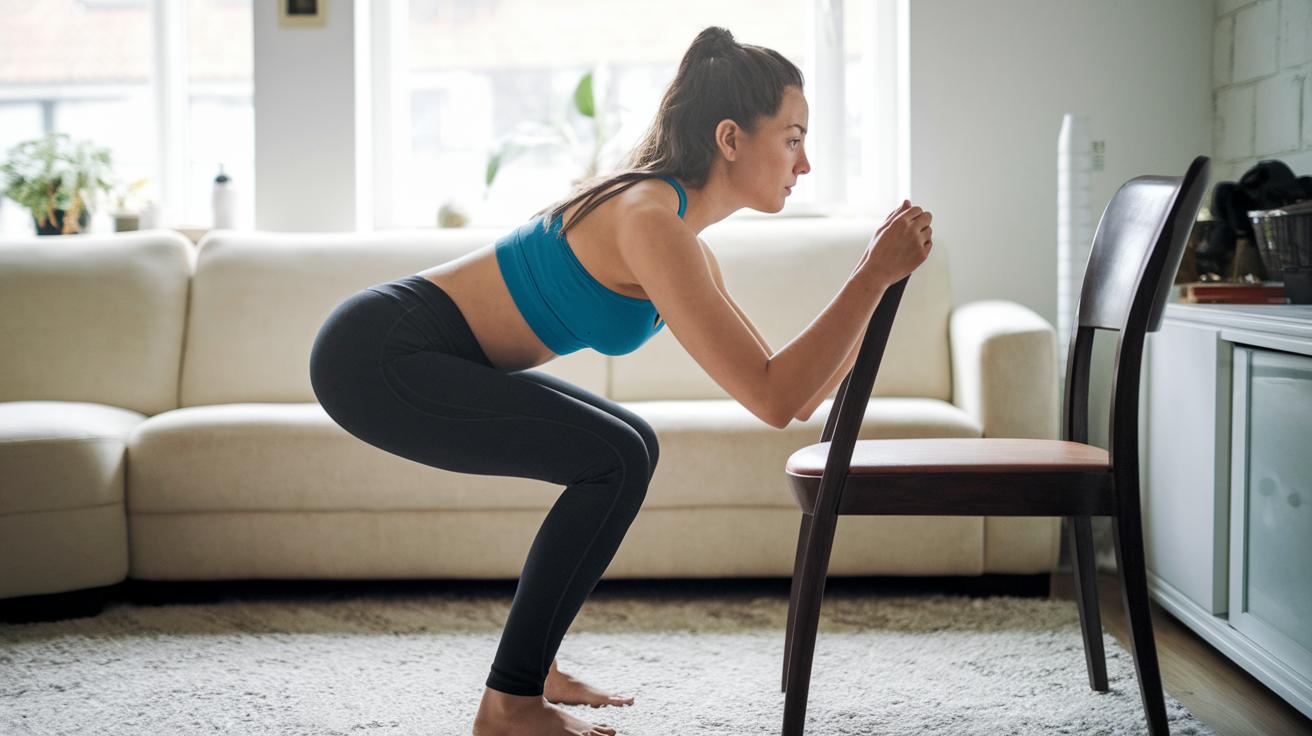
Have you ever used a fitness app that seems to know exactly what you need? AI-powered apps are making workouts feel truly personal. They watch your form, count your reps, and even offer live tips. Picture your routine suggesting, "Try lowering a bit more during your squat to really feel that leg burn." It all helps you stay effective and safe.

One really cool aspect is how these apps adjust your plan in real time. Imagine having a backup coach right there when your schedule changes or a piece of equipment goes missing. Even if you face a minor injury or a sudden interruption, your workout shifts to keep you on track without missing a beat.

Behind the scenes, smart algorithms work like that supportive gym buddy who knows your progress. They mix up moves, from compound exercises that work several muscles at once to isolation moves that focus on one area, and balance intense sessions with rest. Think of the app saying, "Now, let’s cool down after those deadlifts with some dynamic stretches," ensuring each session stays both challenging and safe.

Below are some common AI training techniques that help create efficient, adaptive routines:

  • Automated gym routines
  • Advanced exercise algorithms
  • Real-time routine adjustments
  • Algorithmic exercise suggestions
  • Interactive feedback loops

These techniques turn every rep and every set into a personalized experience. With continuous data tracking and smart guidance, AI-driven systems make your workouts interactive, responsive, and a lot more fun.

Benefits of AI Fitness Personalization

AI is a game-changer for your workout routine. It checks your energy and performance in real time and then tweaks your plan to fit how you're feeling right that moment. Imagine working out and having your exercises change just when you need a boost or a breather. One person even said they instantly felt stronger when their plan adjusted to match their energy.

Here are some cool benefits:

  • Real-time changes to your routine
  • A clear boost in strength
  • Better stamina during your workouts
  • A smoother balance between pushing hard and recovering
  • Improved muscle tone
  • Steady tracking of your progress

AI Fitness vs Traditional Training: A Comparative Overview

img-2.jpg

Traditional training and AI-powered workouts are two very different ways to get fit. With the old-school approach, you meet with a live coach who sticks to a fixed schedule and gives you feedback based on their own judgment. It can feel like you're following a strict script, which works fine when life is predictable, but not so much when unexpected things happen.

AI fitness, on the other hand, feels like having a smart personal trainer right in your pocket. Instead of meeting face-to-face, you get digital guidance that uses simple data tools to adjust your workout on the fly. So if you miss a session because of an injury or a busy day, your plan instantly adapts to fit your needs.

Imagine never having to stress about canceling a session or working around your schedule. With a virtual trainer, your workout plan shifts with your day-to-day life. It listens to how you're feeling and changes the workout to match your strength and energy. It’s like having a personal coach always by your side, making sure you get the most out of every session without the hassle.

Plus, the smart tools behind AI training offer clear feedback on your form and performance. They catch mistakes that sometimes slip past a busy coach in a crowded class. This means you get steady, automatic adjustments that help you progress safely and effectively.

Feature Traditional Training AI-Powered Training
Schedule Flexibility Fixed session times Dynamic scheduling
Progress Monitoring Subjective feedback Data-driven insights
Workout Customization Generalized routines Personalized plans
Interaction Face-to-face coaching Real-time digital engagement
Error Correction Manual adjustments Algorithmic fine-tuning
Session Cancellation Potential awkwardness Automated session logging

Virtual AI Personal Trainers and Fitness Apps

Imagine having a workout buddy right in your pocket. AI-powered fitness tools are shaking up how we exercise by acting like digital trainers. They map out your workouts and switch things up in real time, so your routine fits your day perfectly. Using smart movement tracking and virtual coaching, these systems focus on big, multi-muscle exercises like squats and chest presses along with moves that target just one area.

ChatGPT as a Fitness Coach

Ever tried letting ChatGPT coach your workouts? In one month-long trial, users explored weekly themes crafted by the AI. In the first week, the focus was on basic compound movements to build a solid foundation. By week two, the plan got a tweak, adding flexibility tips when you had no equipment or a minor injury popped up. This approach helped people see real improvements in strength and endurance. You might hear the AI say, "Now, try three sets of squats at a steady pace," nudging you to keep that form in check. It's like having a personal coach who knows exactly when to give you a push or dial it back.

Dedicated AI Fitness Platforms

Other apps are built just for AI fitness coaching, with friendly, easy-to-use designs. These tools keep an eye on your form and adjust your workout on the fly. They offer instant feedback, whether that means correcting your posture during chest presses or tweaking the intensity as your stamina grows. With these digital trainers, every session feels custom-made for you, guiding you smoothly through your fitness journey.

img-3.jpg

AI in fitness is growing fast, but there are still a few hurdles to clear. Cool smart gyms and prep tools for your workouts show great promise, yet they also bring tricky issues like instant health feedback and keeping track of your progress in real time.

Data Privacy and Security

Gathering details about your workouts and health brings up real worries about privacy. Many of us feel uneasy about our sensitive data being stored or shared without proper protection. When a system promises detailed progress tracking and live health updates, it's normal to be concerned about potential breaches. Developers and fitness providers need to find a way to offer personalized insights while keeping your data safe, trust is everything.

Algorithmic Accuracy and Bias

The success of AI fitness tools depends a lot on the data behind them. If the data isn’t diverse enough, the advice you get might not work well for everyone, especially for older adults or folks with disabilities. This can mean one-size-fits-all programs that miss the mark. As these systems get smarter, making sure the algorithms are fair and spot-on is a top priority.

Market Growth and Next Steps

Looking ahead, experts expect the market for AI-powered fitness apps to top $23.98 billion by 2026. Future upgrades will likely include even more adaptive tech like sharper live health feedback and better workout planning. With fewer tech limits and better sensors, these tools will soon be within reach for people in remote areas and those watching their budgets. In short, the industry is on track to offer digital fitness experiences that are smarter, safer, and more effective.

Final Words

In the action of exploring how AI transforms workout personalization, we saw how intelligent trackers and adaptive exercise apps use data to fine-tune every session. The post covered how machine learning tailors routines, provides real-time adjustments, and even raises data privacy considerations. We also compared live coaching with digital solutions and highlighted benefits that boost performance and overall health. It’s clear that ai fitness is sparking smarter and more enjoyable routines, inspiring us all to work harder and feel stronger every day.

FAQ

What does an AI fitness coach do?

An AI fitness coach creates personalized workout routines by analyzing your fitness data, offering guidance similar to a live trainer—available 24/7, often with free options or different pricing plans.

What is the best AI workout app or generator?

The best AI workout apps offer custom fitness plans that adapt as you progress. They provide easy-to-follow routines and real-time feedback, with some options available for free.

How is AI being used in fitness?

AI is used in fitness by collecting user data to build tailored workout and diet plans. It also offers live feedback on your technique, motivating you to keep improving safely.

How much does AI fitness cost and are the apps worth it?

AI fitness costs vary from free basic versions to premium subscriptions. These apps are worth exploring if you value personalized guidance, adaptive routines, and detailed performance tracking.

What free AI diet and workout plans are available?

Free AI diet and workout plans are offered by several fitness apps. They provide personalized nutrition tips and exercise routines without extra charges, making healthy living more accessible.

What are Fitbod AI and Body Analyzer AI?

Fitbod AI and Body Analyzer AI are tools that use data to build workout routines and track physical progress. They adjust your plans as you improve for better strength and overall fitness.

How do AI workout routines support men’s fitness?

AI workout routines for men offer personalized training plans that consider strength, endurance, and specific goals. They help guide exercise choices and ensure your workouts stay challenging and safe.

How To Get Workout Motivation: Energize Your Routine

0

Ever feel like you just can't get started with your workout? It sometimes seems like the energy and drive have vanished.

Today, we're sharing some simple tips that can give you a spark. Imagine starting with a small step that lights a fire inside you, helping you push through even the toughest days. Think about why you exercise in the first place and how putting on your favorite song can set the perfect pace. Each suggestion is a little boost toward a more fun and active routine.

Ready to see how a small nudge can make your workout feel like a burst of fresh energy?

Proven Strategies to Ramp Up Your Workout Motivation

You know that awesome feeling when you nail even a tiny part of your workout? It’s because your brain releases dopamine, a natural, feel-good push that makes you want to keep moving. Think of it like a spark that lights up your energy, making your exercise routine feel both fun and totally doable.

Taking a simple, small step can quickly jump-start your workout routine. Ever heard the saying, "80 percent of success is showing up"? When you start with tiny wins, you kick off a chain reaction that builds real momentum and keeps you coming back for more.

  1. Figure out your reason – Find what fuels you. Maybe you want more energy to tackle daily chores or simply to feel stronger.
  2. Let music drive you – Pick a beat that makes you feel pumped up and adds a fun vibe to your session.
  3. Switch it up – Mix cardio, strength exercises, or stretching to keep your routine interesting.
  4. Commit to a few minutes – Tell yourself you'll work out for just five minutes. It's all about starting small.
  5. Use visual cues – Place a motivating quote or image somewhere you'll see it every day to remind you to stay active.
  6. Team up with a friend – A workout buddy can make exercise feel more fun and help keep you accountable.
  7. Keep track of your progress – Write down your workouts so you can celebrate even the smallest gains.

These tips aren’t just quick fixes; they set the stage for long-lasting fitness excitement. Every small step you take adds up, building a solid foundation of motivation and energy that fuels a consistent, rewarding exercise routine.

Setting Specific Goals to Sustain Workout Motivation

img-1.jpg

Setting clear fitness goals is like sketching out your game plan. Instead of saying, "I want to get fit," try something more tangible like, "I will jog for 15 minutes three times this week." This makes your target easy to track and helps your daily workouts feel more doable.

Think about the real reason you hit the gym. Is it to have more energy when playing with your kids or to simply enjoy a better mood after exercise? Keeping that personal "why" in mind turns every workout into a meaningful part of your day.

As you get stronger, it’s a good idea to change up your goals. Adjusting them keeps things interesting and stops the routine from feeling stale. By celebrating every small win, you'll stay motivated and keep the excitement alive in your fitness journey.

Building Consistency in Workout Motivation Through Habit Formation

Building a solid workout habit is all about sticking with a routine. Research shows that when you do the same exercise at the same time every day, your brain starts to see it as just part of your day. Small, steady changes make your routine easier and less daunting. Every time you finish a workout, your body releases dopamine, a natural boost that makes you feel rewarded.

One cool trick is habit stacking. That means you add your new workout habit after something you already do. For example, stretch for two minutes right after you finish your morning coffee. This tiny step links exercise with an activity you already enjoy and sets you up for more movement as the day goes on.

Treat your workouts like they are important appointments you simply cannot miss. When you schedule a fixed time for exercise, you’re telling yourself that your health matters as much as any meeting or family dinner. This simple shift in mindset can completely change your approach to fitness.

Start with small changes and gradually build up your workout time or intensity. Each little success gives you more confidence and makes it easier to stick with your plan. Before you know it, what once felt hard becomes a rewarding part of your day.

Leveraging Community Support for Workout Motivation

img-2.jpg

Working out with a friend or a small group can really give you a boost. When you have someone by your side, it turns exercise into a fun event rather than a boring task. It's like having a buddy who cheers you on when you need that extra push.

Fitness apps that let you join small competitions or view leaderboards can add a spark to your routine, too. Imagine racing your friends in a mini challenge, the excitement of every lap can make your workout feel more like a game. This fun rivalry can help you push your limits while keeping the mood light and encouraging.

When picking or creating a community challenge, choose one that fits your own pace and personality. A challenge that’s just a little bit daring can make a big difference, especially when you're with people who share your goals. In short, celebrating every win, no matter how small, makes your fitness journey feel like a real achievement.

Using Technology and Progress Tracking to Maintain Workout Motivation

Keeping track of your workouts with digital tools gives your training a real boost. When you jot down each session, it feels like watching your progress in real time, and every logged workout sends a little surge of happiness your way. Using an app to track your activity is like having a supportive coach right in your pocket. Simple numbers and milestones make your everyday routine feel like a fun challenge. Ever see your progress laid out in cool visuals and feel proud of every effort? It makes sticking to your plan so much more exciting.

App Name Key Features Motivation Benefit
Alphaxiv App community feed & progress metrics dopamine rewards
Nike Training Club guided workouts & milestones accountability
MyFitnessPal nutrition & exercise log holistic view

Find the tool that matches your goals and routine. Think about whether you’re more into a lively community vibe or detailed self-monitoring, and pick an app that feels right for you. Whether it’s a feed full of fellow athletes or deep insights into every metric, the right tool can fire up your workout spirit. Let every bit of progress remind you of your wins. In short, blending technology with your workouts makes every session feel a little more rewarding and enjoyable.

Overcoming Common Workout Motivation Barriers

img-3.jpg

External pressure can really hold you back, especially when expectations start piling up. Did you know only 9% of folks stick to their New Year’s resolutions? Instead, try treating each workout like a personal win. For example, rather than stressing over perfection, enjoy a light, fun session.

Life can throw some serious curveballs, be it work stress or family changes that drain your energy. When things get hectic, plan a quick burst of exercise during your peak energy times. Imagine this: after a busy day, even a 10-minute walk can help clear your mind.

Recovering from an injury often means taking it slow for a while. Ease back into your routine by choosing gentle, low-impact activities that honor your body’s healing process. A calm yoga session, for instance, can help rebuild strength without overdoing it.

Sometimes, especially during the fall or winter, your mood can dip. To lift your spirit, try switching to indoor workouts. Crank up your favorite tunes and maybe try a fun dance routine to beat the winter blues.

After a competition, it’s common to feel a bit lost once the excitement fades. Keep the momentum going by setting new, small goals that feel both fresh and exciting. A daily target, no matter how simple, can carry that sense of challenge forward.

When goals feel too unrealistic, disappointment creeps in. Break your bigger ambitions into smaller, manageable steps so that every workout feels like a success. Think of your plan as a series of steps, each one a small win that adds up over time.

Cultivating a Positive Mindset for Workout Motivation

Ever feel that nagging doubt? When you catch those negative thoughts, switch them up. Instead of saying, "I can't do this," try, "I got this, one step at a time." Take a deep breath and repeat a positive phrase like, "I am building strength with every move." It’s like adding one extra rep that fuels your power.

Keep a little reminder nearby. A sticky note with a simple fitness quote can boost your mood instantly. For example, jot down "80 percent of success is showing up" and stick it where you work out. Whether it’s on your phone or a mirror, let that visual spark your drive.

So, grab a sticky note now and write your favorite fitness quote. Every time you see it, feel that rush of motivation to push forward.

Final Words

In the action, the post broke down quick wins that spark energy and built on lasting habits through clear goal-setting and community support. It shared easy steps, like starting small and using apps that make tracking fun. We saw how each part, from practical tips to a positive mindset, fits into a smart plan for fitness. By embracing these tips, you learn how to get workout motivation and turn every session into a win. Keep pushing forward and enjoy every moment of growth!

FAQ

How to get workout motivation from Reddit?

The workout motivation from Reddit comes from community posts, success stories, and practical tips. These shared experiences can help you gain energy and ideas to start or continue your exercise routine.

How to motivate yourself to workout when depressed?

The workout motivation when depressed starts with small, manageable exercises and recognizing each accomplishment. Even a short session can lift your mood and build momentum to keep exercising.

How to get workout motivation at home?

The workout motivation at home relies on setting clear, small goals, using music and visual cues, and creating a cozy workout space that turns exercising into a rewarding part of your day.

How to motivate yourself to workout with ADHD?

The workout motivation for ADHD involves short, varied sessions and fixed routines. Using rewards like favorite tunes or progress tracking helps keep your focus and excitement to achieve your fitness goals.

How can I stay motivated to go to the gym alone?

The workout motivation for solo gym visits comes from setting personal targets, tracking progress, and savoring individual wins. A personal challenge or playlist can make your workouts feel more engaging.

Why do I seem to lack energy or feel lazy about exercising?

The workout motivation barrier, seen as low energy or laziness, might be due to overwhelming routines or unrealistic goals. Starting with small steps and tracking progress helps overcome these blocks.

What are some motivational workout quotes?

The workout motivation quotes, like “80 percent of success is showing up,” offer quick boosts. They remind you that commitment and regular effort are key to maintaining and growing your fitness enthusiasm.

How do I deal with zero motivation to exercise?

The workout motivation challenge of zero drive can be met by resetting to easy, achievable goals, relying on community support, and using progress tracking to reinforce that every small effort matters.

Fitness Progress Tracking Fuels Confident Gains

0

Ever notice how some workouts feel like they've got a secret boost? Tracking each rep and every weight change can actually be the key to faster progress. When you see your progress in clear numbers, it gives you a real sense of strength and confidence. It reminds you of every win, even the little ones.

Whether you like using a smartphone app, a wearable gadget, or even a classic paper journal, each way shows you simple clues to step up your workouts. In short, keeping track of your progress turns everyday effort into clear, visible gains.

Ready to see how a few simple notes can power up your routine?

Key Methods for Effective Fitness Progress Tracking

When it comes to keeping track of your workouts, there are five cool ways to do it: smartphone apps, wearables, spreadsheets, paper journals, and integrated dashboards. Smartphone apps can automatically record your workouts and set goals like reps, weights, or time. Wearables keep an eye on your heart rate, steps, and calories burned, giving you real-time data right when you need it. Spreadsheets let you design your own detailed log, and paper journals add that personal touch by letting you write down every session by hand. Integrated dashboards pull all these numbers together so you can see your overall progress.

Each method has its ups and downs. Apps save you time with auto-logging but might not let you add every little detail. Wearables give fast feedback but sometimes need syncing with their own systems. Spreadsheets let you go as detailed as you want, although setting them up can take a bit. Writing in a paper journal helps you really think about each workout, but you have to remember to use it. Dashboards provide a complete look at your progress, though they might feel a bit much at first.

So, what works best for you? Here’s a quick breakdown:

Method Benefit
Smartphone apps Auto-logging and handy reminders
Wearables Instant feedback on heart rate, steps, and calories
Spreadsheets Fully customizable to track the details you care about
Paper journals A personal, reflective way to record each session
Integrated dashboards All your data in one clear view

Mixing these tools with your own fitness goals can really boost your progress. Try different combinations and adjust your routine based on what you see. Sometimes, even a small change in how you track your workouts can lead to big gains.

Using Body Metrics in Fitness Progress Tracking

img-1.jpg

Using a flexible tape is a hands-on way to see how your body is changing. Measure your chest, waist, and hips under the same conditions every time, ideally in the morning after you’ve used the restroom, so you capture true progress over time.

Progress photos are a simple yet powerful tool. Every four weeks, take clear front, side, and back pictures in the same lighting, wearing the same outfit, and in the same setting. This approach helps you visually track your training milestones and weight loss journey.

Measuring your body fat percentage adds another layer to your progress checks. You can use calipers or a bioelectrical scale, which sends a tiny electrical current through your body, to measure body fat monthly. This steady schedule lets you notice gradual changes without getting caught up in daily ups and downs. Recording these numbers often gives you a clear view of how your muscle and fat levels shift, motivating you even when the scale doesn’t budge much.

Checking your waist-to-hip ratio offers essential health insights beyond just weighing yourself. Use your tape to record your waist and hip sizes and compare them to the helpful benchmarks, around 0.8 for women and 0.9 for men. Keeping an eye on these numbers lets you assess your risk for chronic conditions as you progress. Regular tracking not only shows concrete improvements in your body composition but also builds confidence, reflecting both your hard work and smart approach.

Integrating Technology for Fitness Progress Tracking

Digital workout journals, performance tools, and exercise logs on your phone are great ways to keep track of your workouts. Many fitness apps can share real-time data like your heart rate, steps, and calories to help you see your progress as it happens. And while using devices from one family might give you smoothly auto-logged data and quick feedback, it might also make it hard to mix data from different sources. You know, sticking to one brand can make syncing easy but might leave you curious about cool features on other platforms.

A lot of people find that mixing different apps lets them compare all the good bits from each one. Imagine linking Runkeeper with your Calendar so you get a reminder before a session or automatically sending your Strava stats to Google Sheets. This kind of setup combines special features from many tools into one personal workout diary. It not only keeps your data neat but also shows you clear patterns in your results every week or month.

App Platform Key Feature
Strava iOS/Android Social challenges
Apple Fitness iOS Built-in Apple Watch sync
Fitbit iOS/Android Continuous heart rate

When you choose the right fitness app, think about what fits into your daily routine. Every app shows its data a bit differently and some mix better with other tools than others. Pick one that makes tracking fun and easy, because every time you log your work, you're not just adding up numbers. You're really boosting your confidence and fueling your gains.

Manual Tools for Fitness Progress Tracking

img-2.jpg

Paper journals are a simple way to keep track of your workouts. You can jot down every detail by hand, sets, reps, weights, and even calories, without paying for a fancy app. For example, one day you might write, "Today: 3 sets of 10 push-ups, 2 sets of 15 squats." This method gives you a physical record to flip through, and you get complete control over your data.

Spreadsheets like Google Sheets also work great for tracking your progress. They let you set up a custom template with columns for dates, exercises, and numbers to record your efforts. You can even add simple formulas to sum up your reps or sets weekly. Picture entering your workout details into a neat, organized sheet that does the math for you, a DIY system that blends accuracy with the ease of manual entry.

When you compare these low-tech methods to high-tech apps, there's a real charm in writing your own numbers. While apps might automatically log your data, nothing beats the hands-on feel of entering everything yourself. Plus, using these manual tools gives you a reliable backup when technology fails, and it keeps you connected to every step of your fitness journey.

Setting and Evaluating Goals in Fitness Progress Tracking

When you set SMART goals, you pick targets that are clear, countable, possible, useful, and timed. For example, if you’re aiming to add 10 pounds to your bench press in four weeks, jot down your reps and weights each time you work out. This clear target keeps your training focused and lets you see progress with real numbers.

Try checking your improvement each week. One week you might do 3 sets of 10 push-ups, and the next week, push for 35 push-ups total. Seeing these week-to-week changes helps you understand your gains and decide if you need to tweak your workout intensity.

Every month, step back and take a closer look at your progress. Snap some progress photos, note down your body measurements, and record any changes in your maximum reps. These pictures and numbers not only show how far you’ve come but also help you spot patterns and celebrate even the small wins.

Finally, review your exercise journey each year. Maybe you lost 15 pounds or dropped your body fat by 20%, looking back on these big wins gives you a clear picture of your overall performance. This yearly check-in makes it easier to plan new targets and keeps you motivated as you build on every effort.

Case Studies in Fitness Progress Tracking

img-3.jpg

Strength Training Progress

Athlete A began tracking his squat numbers each week by using both digital charts and a good old paper log. He jotted down every set and rep so he could see his progress in real-time. In just 8 weeks, his one-rep max went from 200 lb to 230 lb. On Day 1, he scribbled, "200 lb feels tough," and by Week 8 his note read, "230 lb, what a win!" This approach helped him catch any plateaus early, adjust his workouts, and keep his motivation high.

Weight Loss Journey

Athlete B kept a close watch on her body measurements and daily calorie count by combining handwritten logs with digital tracking. She measured her waist, starting at 34 inches, and took progress photos to keep things real. After 12 weeks, she dropped 15 lb and her waist shrank to 30 inches. Seeing her progress both in photos and on paper boosted her confidence. Knowing the numbers were changing each week, she tweaked her nutrition plan as needed and celebrated every little win along the way.

Final Words

In the action, we explored key methods for effective fitness progress tracking, from using digital apps and wearables to jotting progress in a paper journal. We broke down body metrics and case studies that show real-world improvements. Each section gave practical tips for setting measurable goals and reviewing workout gains. Every method offers a way to see steady progress, helping you make smart choices in your routine. Keep pushing forward and celebrate every win on your fitness progress tracking path.

FAQ

How can I track my fitness progress using Reddit and online communities?

The fitness progress tracking on Reddit involves joining fitness groups that share workout tips, progress photos, and exercise logs. This method lets you gain practical advice and firsthand tracking strategies.

What free apps can I use for fitness progress tracking?

The free fitness progress tracking app options include FitNotes, RepCount, JEFIT, and Hevy. These apps log workouts, record sets, and reps, and often sync with devices to provide clear workout metrics.

How does a strong workout tracker or gym log help with fitness progress?

The strong workout tracker gym log records key workout details such as sets, reps, and weights. This log offers a quick way to monitor gains and adjust training intensity over time.

What is a fitness goal tracker template and how does it work?

The fitness goal tracker template sets measurable and clear targets by recording metrics like weight, reps, and duration. It helps you compare weekly results to stay focused and motivated during workouts.

How do I take body measurements for fitness as a male?

The process to take body measurements for fitness as a male involves using a flexible tape to measure chest, waist, biceps, and thighs consistently, ideally in the morning after using the restroom, to track progress accurately.

What features do workout tracking apps offer for comprehensive logging?

The workout tracking app features include auto-logging of workouts, integration with wearables for heart rate and step count, and customizable dashboards, all of which provide clear insights and help fine-tune your training sessions.

Fitness Progress Tracking: Energizing Your Workout Routine

0

Ever wonder if keeping track of your steps could give your workout a boost? Even simple numbers, like your heart rate or how snug your jeans feel, can show you the progress you're making. It's a bit like adding one extra jump and feeling that burst of energy. Paying attention to these small details helps you see the whole picture and turns each effort into clear, motivating results. In short, whether you're jotting things down in a journal or using a smart device, these tools can really fire up your workout and drive you forward.

Monitoring and Evaluating Fitness Progress Tracking

When you mix hard numbers like step counts, heart rates, and the minutes you’re active with how you feel – like noticing your clothes fit better or feeling extra energetic – you get a truly complete picture of your progress. It’s like when you add just one more jump to your routine and suddenly feel lighter and more confident. This approach helps you see real trends in your journey, not just a pile of numbers.

Different tracking methods work together to show your workout results. Keeping a simple fitness journal on paper or on your phone lets you record your workouts and meals every day. Many gadgets and apps automatically track details like your steps and heart rate, so you don’t have to worry about it. Snapping the same progress photo every week and taking body measurements gives you clear evidence of your changes. And simple tests, like checking your squat strength, or aiming for 30 minutes of movement on most days, keep you motivated and aware of your improvements.

Methods for Logging and Tracking Workout Progress

img-1.jpg

Keeping track of your workouts can be really simple and personal. You might jot down your workout sets, reps, weights, and even meal details in a paper journal. It’s amazing to look back and see real progress over time. A paper journal gives you that hands-on, personal feel. Or, if you prefer, you can use a digital exercise journal on your phone, easy to update and search without flipping through pages.

Another cool option is using wearable devices that sync your workout data automatically. These gadgets record your heart rate, steps, and even more detailed body stats without any extra effort from you. It leaves you free to focus on your workout, while the device takes care of the log keeping. Plus, it’s neat to see clear patterns and challenges emerging from the data they collect.

Method Pros Cons Best For
Paper Journal Simple, hands-on, and always with you Needs manual updating each session Beginners who enjoy writing by hand
Spreadsheet/Excel Easy to update, organize, and even create graphs Requires basic computer skills Those who like detailed, organized logs
Wearable Integration Automatic tracking that saves time Needs syncing and regular battery charging Tech fans who love a hands-off approach

Top Apps and Tools for Fitness Progress Tracking

When it comes to tracking your fitness progress, there are plenty of apps out there that can match your style. Some of these apps keep an eye on detailed stats like your heart rate and sleep quality, while others help you track calories or jog distances. It’s like having different gears for your workout, each adding a piece to the whole picture of your health.

Each app has its own way of showing your progress so you can pick one that fits right into your daily routine. Here are five apps that many people find really energizing:

  • Fitbit: This app watches your steps, sleep, and even your heart rate, giving you a well-rounded view of your day.
  • Apple Watch: It tracks your heart rate, counts active calories, and even logs your workouts in one place.
  • MyFitnessPal: Great for keeping a food diary and counting calories, making it easier to see how your diet and exercise work together.
  • Strava: Perfect for runners and cyclists, it tracks your distance and breaks your route into segments for more detailed insights.
  • Google Fit: This one works smoothly with Android devices, pulling together data from different sources to show you a big picture of your fitness.

When you choose an app, think about what you need, features like auto-sync to keep things updated, setting custom goals, and even the cost, whether you want a free option or a low-cost subscription. All these pieces help you build a workout tracking plan that really works for you.

Interpreting Fitness Progress Tracking Data with Charts and Metrics

img-2.jpg

Charts are like your workout buddy, they make raw data easy to understand. A simple line graph, for example, smooths out daily ups and downs (like water weight), showing you a clear trend over time. Bar charts let you track your progress in rep counts, so if you do push-ups, you might see a jump from 30 one week to 31 the next. These visual tools help you see patterns in your routine and fine-tune your efforts.

When you check these graphs, you get a clear picture of your progress. A slowly dropping weight line might tell you that your eating and training are on point, while a rising bar for reps suggests you're gaining strength bit by bit. Even tracking active minutes can show you small improvements in how often you move. Looking at these visuals can guide you to adjust things like workout duration or intensity, pushing you forward one step at a time. Every chart turns plain numbers into real proof of your hard work, inspiring you to keep going.

Setting Goals and Tracking Fitness Progress Milestones

When you set clear, small goals for your workouts, it feels like you have little checkpoints cheering you on. It doesn’t matter if you’re new to fitness or a workout regular, picking targets that match your current level helps you see your progress every day. Maybe you're working to add just one more push-up per week or trying to hold a plank a minute longer. These little wins add up and remind you that you’re moving forward.

Defining Short-Term and Long-Term Milestones

Setting goals that push you slightly out of your comfort zone can really boost your confidence. For instance, you might start with a small target like adding one extra rep each week or trying a new cardio challenge once a month. Then, for a long-term goal, you could aim to shed a few extra pounds or cut down the time on your 5K run so you finish in under 25 minutes. Think of it this way: "This week, I did 11 push-ups, and next week I’ll go for 12!" Each little step builds on the last one and shows you just how far you’ve come.

Tracking Consistency Over Time

Keeping track of your workouts is like having a diary of your dedication. Whether you jot down your active minutes on paper or use a simple app on your phone, every entry shows your commitment. A note like, "Today’s walk gave me 35 minutes of good movement," can really make a difference over time. This diary not only highlights the days you hit your goal but also gently nudges you to keep going, even when progress seems slow.

Visual Fitness Progress Tracking: Photos, Measurements, and Body Stats

img-3.jpg

Try snapping photos of yourself every week from the front and the side. Make sure you use the same lighting and wear the same outfit each time so you can really see your changes. I used to take my photo every Sunday and noticed little shifts in my arms and waist over eight weeks. These pictures show clear improvements in your muscle tone and body shape, giving you proof of your progress even when the scale seems stuck.

Also, grab a simple tape measure from the craft store and record your waist, hips, chest, and arms in the same way each time. Think of each measurement as a checkpoint along your fitness journey. Remember, your scale can bounce around because of things like salt, carbs, or even how much water you drank. A note like, "My weight is a bit higher today after a salty meal," can remind you that the number isn’t the only sign of progress. For more tips on setting up your routine, check out tracking my progress at https://alphaxiv.com?p=.

Success Stories in Fitness Progress Tracking

Keeping a record of your workouts can lead to unexpected wins. Even writing down a few key points every day can help you see big improvements, like breaking through a tough plateau and knowing your effort is really paying off.

One person started out unable to do a single push-up. By writing down every workout, they went from 0 to 50 push-ups in eight weeks. They tracked details like rep counts, weight changes, and daily habits. A simple note like, "Today I did a couple of extra push-ups compared to yesterday," showed them exactly where to focus. It became a story of steady progress, and it kept them motivated throughout their journey.

Another individual mixed free tracking tools with basic weekly measurements to watch body changes. They kept a diary for workouts and used a simple app to track nutrition. Over three months, this approach helped them trim body fat by 10%. They measured things like body size and took progress photos that clearly showed their transformation. Step by step, regular updates turned everyday metrics into a personal training guide that proved small, consistent steps lead to big strength gains.

Final Words

In the action of tracking every rep, heart rate, and photo, this post has shown how to mix clear data with personal insights for honest workout logs. We explored using journals, digital logs, and visual cues like photos and measurements to truly capture progress.

In the action of fitness progress tracking, combining objective numbers with how you feel builds confidence and knowledge. Stay motivated as you watch your hard work pay off, each step brings you closer to your fitness goals.

FAQ

What can I learn from fitness progress tracking on Reddit?

Fitness progress tracking on Reddit offers real-user advice where members share tips, methods, and challenges, helping you discover diverse tracking strategies and tools that support your workout improvements.

What free fitness tracking apps and online platforms are available?

Free fitness tracking apps and online platforms let you log workouts, track body stats, and set goals. Popular choices like JEFIT, FitNotes, and Hevy offer essential features without costing a dime.

What does a strong workout tracker gym log provide?

A strong workout tracker gym log provides a detailed record of sets, reps, and weights. It helps reveal trends, guide adjustments in form, and motivate you by clearly showing your improvements over time.

What is a fitness goal tracker template?

A fitness goal tracker template is an organized tool that helps you set clear targets, record milestones, and monitor your progress, so you can stay focused and measure the results of your efforts.

How do I take body measurements for fitness, especially for males?

Taking body measurements for fitness in males means using a tape measure on the chest, waist, hips, and limbs under consistent conditions, ensuring accuracy to help you see changes over time.

How do I track my fitness progress effectively?

Tracking fitness progress effectively means combining workout logs, body measurements, progress photos, and digital app data to monitor strength gains and make smart adjustments in your routine.

What does the 3-3-3 rule in the gym signify?

The 3-3-3 rule in the gym typically signifies performing three sets of three key exercises, ensuring balanced muscle engagement and a steady approach to building strength and endurance.

What does the 3-2-1 rule in the gym imply?

The 3-2-1 rule in the gym implies a structured training plan with three workout days, two days of lighter activity, and one rest day, promoting balanced exertion and essential recovery.

What features does Hevy – Gym Log Workout Tracker offer?

Hevy – Gym Log Workout Tracker offers an intuitive interface to record exercises, sets, and reps. Its design helps you monitor session details and adjust routines to better meet your workout goals.

What makes RepCount – Gym Workout Tracker a good tool?

RepCount – Gym Workout Tracker is a simple, user-friendly app that logs sets, reps, and weights. It delivers clear insights into your progress, making it easier to track improvements consistently.

What are the benefits of using JEFIT Gym Workout Tracker and FitNotes Gym Workout Log?

JEFIT and FitNotes offer extensive databases of exercises, customizable plans, and clear progress logs. They help you stay consistent, monitor improvements, and fine-tune workouts to keep advancing.

How does a gym workout planner and tracker help my training?

A gym workout planner and tracker organize your exercise schedules and record performance details. This clarity lets you spot strengths and weaknesses, making it easier to adjust your routines for better results.

Balanced Nutrition For Active Lifestyles: Boost Your Energy

0

Ever wonder why even your strongest workouts sometimes feel off? Think of your plate as a secret energy boost, with each meal lighting a spark that powers your day. With just three balanced meals, you can mix the right carbs, lean proteins, and healthy fats to keep you moving. This post shares simple tips to help you create meals that naturally boost your energy. Ready to see how fresh, whole foods can make every step and stretch count?

Fuel Your Active Lifestyle with Balanced Nutrition Strategies

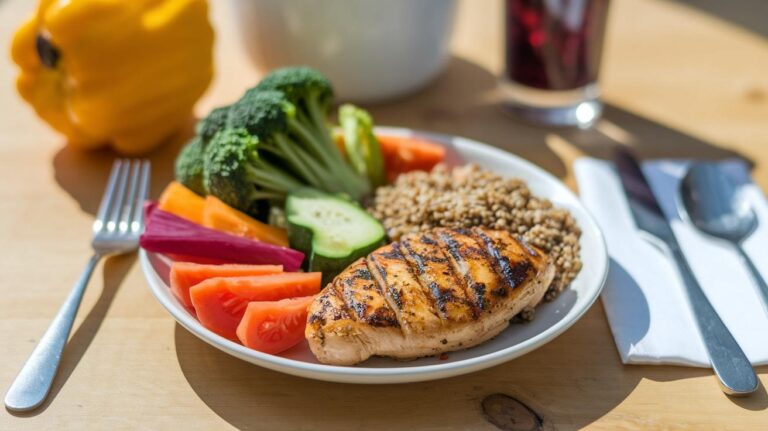
If you’re looking to stay active, a balanced diet is all about planning three key meals that pack the right fuel. Aim for meals where about 50–60% of your calories come from carbs, 20–35% from healthy fats, and the rest from proteins to help repair muscles and boost your energy. Keep it simple by choosing whole, unprocessed foods like fresh fruits, veggies, whole grains, lean proteins, and good fats. Ever notice how a bowl of creamy oatmeal with berries can kickstart your day with focus and energy?

Next, remember to load up on at least five servings of fruits and vegetables each day. Think of these colorful bites as little building blocks that help your digestion and maintain your energy levels. Don’t forget to drink plenty of water, too, it makes up about 60% of your body and helps break down all that food, so keep a water bottle nearby and sip through your day.

Finally, keep an eye on your portions. Even healthy foods can lead to extra calories if you overdo it. Use simple tips to moderate your serving sizes, making every meal a smart boost for your workouts and recovery. Picture your plate like a puzzle where every piece makes your active life stronger. In short, this no-fuss approach to balanced eating not only keeps your energy high throughout the day but also sets you up for long-term health, all while letting you enjoy every bite.

Active Meal Planning and Prep for Balanced Nutrition

img-1.jpg

Planning meals around your workouts helps keep your energy up and your body balanced. Start by jotting down your workouts for the week, then plan meals that fuel those sessions. For example, grab a carb-packed snack like whole-grain toast with honey about 1 to 3 hours before you exercise to give you that extra boost. After your session, aim to refuel within 30 minutes with a mix of 20–30 grams of protein, think Greek yogurt with fruit, and some carbs.

Batch-cooking proteins and grains is a smart move. It saves time and makes it easier to keep your portions just right for your unique calorie needs.

Here are five snack ideas that work well before or after your workout:

Snack Idea When to Enjoy
Whole-grain toast with honey Before workout
Banana with peanut butter Before workout
Greek yogurt with berries After workout
Small turkey and avocado wrap After workout
Oatmeal energy balls Before workout

Using these meal prep ideas makes it easier to stick to a nutrient-packed diet. Every bite not only powers your workouts but also helps you enjoy a balanced, active life. Ever notice how a little planning can turn a hectic day into a smooth ride? Enjoy the process and let your meals work for you!

Macronutrients and Micronutrients in Balanced Diets for Active Lifestyles

Protein is key when it comes to fixing up and growing your muscles. After a tough workout, think of your body like a construction site that needs quality materials. Aiming for about 1.2 to 2.0 grams of protein per kilo of body weight can help your muscles recover and build up stronger. Simple choices like chicken, beans, or a cup of Greek yogurt work wonders, each bite helps lay the perfect brick for your muscles.

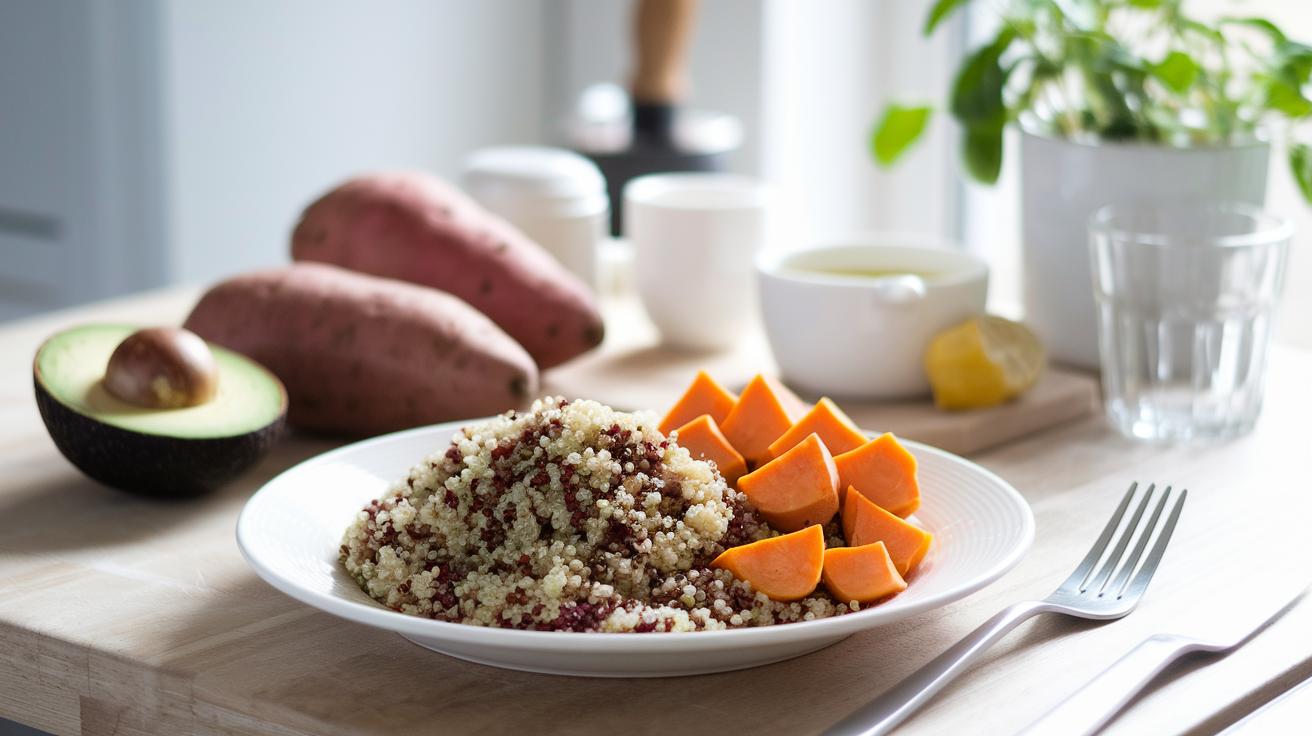
Carbohydrates are your go-to fuel for long workouts and steady energy. About 50–60% of your meals should come from complex carbs. Foods like oats, brown rice, or sweet potatoes give you the kind of lasting energy that helps you power through your training. Imagine starting your day with a warm bowl of oatmeal topped with fruit, it’s like fueling up with the best kind of energy boost before you conquer your workout.

Healthy fats also play a big part in keeping you strong and steady during exercise. Try to get about 20–35% of your calories from sources like olive oil, flaxseed, or a handful of nuts. A little drizzle of olive oil over your salad can feel like a quick, solid boost for your joints and overall energy.

Don’t forget about the tiny nutrients, like iron, calcium, vitamin D, B vitamins, and magnesium. These micronutrients may be small, but they’re mighty when it comes to keeping your bones strong and your energy levels high. Mixing in a colorful array of veggies, dairy, and fortified foods not only brightens your plate but also rounds out your nutrition for an active lifestyle.

Energizing Foods and Recovery Strategies in Active Nutrition

img-2.jpg

After you push through a hard workout, it’s super important to refuel at the right time. Studies say that your muscles mend best when you eat within 30 to 60 minutes after exercising. Imagine this: a perfectly timed protein boost can kick your muscle repair into high gear, cutting down your recovery time. This plan mixes proteins with goodies that help reduce inflammation and rebuild your cells.

When you’re planning your snack or meal, pick items known to aid recovery – not just any old food. Ever tried tart cherry juice? It’s full of antioxidants that help ease muscle soreness. Or think about a turmeric smoothie that soothes inflammation, or a beetroot drink that boosts blood flow. For more ideas on how to recover your sore muscles, check out research on timing your post-workout nutrition. It shows that sticking to a routine really helps cut down fatigue while building strength.

Adding these recovery foods to your post-exercise routine can really speed up muscle repair. This approach digs deeper into recovery nutrition, focusing on the best foods for each stage after your workout.

Option Nutrient Breakdown
Greek Yogurt Parfait 20-30g protein, antioxidants
Whey-Banana Shake Quick protein, effective carbs
Salmon Salad Omega-3, lean protein, anti-inflammatory
Tart Cherry Juice Antioxidants, anti-inflammatory compounds

Balanced Nutrition: Smart Snacking and Hydration for Active Performance

Keeping your body fueled all day is super important for staying energetic and focused during your workouts. Have you ever thought about grabbing a small snack every 2 to 3 hours? It helps keep your blood sugar steady and gives you that extra boost for more reps. Try easy snacks like trail mix with nuts and dried fruit, some crunchy veggies like carrots or bell peppers with hummus, or even whole-grain crackers paired with cheese. These little bites act like fuel stops, keeping your energy levels high so you’re ready for any activity.

Staying well-hydrated is just as key. A good tip is to drink about 16–20 fl oz of water roughly 2 hours before you start exercising. Then, while you work out, sip on 7–10 fl oz every 10–20 minutes. This steady water intake replaces the fluids you lose while sweating and keeps you in the zone. For workouts under two hours, plain water works great, but if you’re going longer, consider adding electrolytes to help replace vital sodium and potassium. Drinking water in this consistent way helps you focus and keeps your body ready for action.

balanced nutrition for active lifestyles: Boost Your Energy

img-3.jpg

Ever imagined a meal plan that fuels your day with 55% carbs, 25% protein, and 20% fats? Picture a five-day schedule that not only keeps you energized but also makes each meal a mini celebration. You might kick off your morning with a bowl of oatmeal dressed with juicy berries or a warm spinach-tomato omelet that feels like a hug from the inside. It’s not just about hitting your macro goals, it’s about enjoying a mix of tasty foods that deliver plenty of vitamins and minerals, working together like a well-oiled team.

Start your day with a bold, nutrient-rich smoothie or a shake that fuses fresh fruits, veggies, and protein. Imagine a spinach-banana blend with almond milk that gives you that extra pep before your workout, or a mixed-berry protein shake sprinkled with chia seeds for a little antioxidant boost. You could even enjoy a creamy fruit and yogurt parfait paired with crunchy granola. Each of these options is crafted to keep your energy levels steady, kind of like a reliable workout buddy cheering you on.

Mixing in seasonal ingredients can keep your meals exciting and perfectly balanced. In summer, opt for refreshing salads loaded with crisp vegetables and sweet fruits to keep you cool and hydrated. Come winter, hearty stews with root veggies provide a comforting warmth and lasting energy. Experimenting with seasonal foods ensures your body gets a wide variety of nutrients all year long, turning every meal into a new, flavorful adventure.

Final Words

In the action, this post showed practical strategies to fuel your active lifestyle through smart meal planning, nutritious recipes, and recovery foods. It highlighted steps like protein and carb balance, portion control, hydration tips, and creative snack ideas. A look at meal templates reminded us that every plate matters in building a nutrient-rich diet.

These guidelines make balanced nutrition for active lifestyles an accessible way to boost performance and enjoy workouts. Keep moving forward with positive energy and the right fuel by your side.

FAQ

Where can I find a balanced nutrition for active lifestyles plan or PDF?

A balanced nutrition plan explains the recommended food splits and whole foods approach. Many guides, including PDFs, detail daily meal plans that offer a 50–60% carbohydrate, 20–35% fat, and remaining protein mix for active adults.

What are the healthy diet and exercise benefits?

A healthy diet and exercise work together to boost energy, improve recovery, and help maintain a strong body. They also support mental clarity and overall physical well-being for those with active routines.

What foods are included on a balanced diet food list and healthy diet plan?

A balanced food list features fruits, vegetables, whole grains, lean proteins, and healthy fats. This plan provides key nutrients needed to support energy levels and recovery in active individuals.

What are some ways to keep your body healthy and what benefits does healthy eating offer?

Keeping your body healthy includes planning balanced meals, staying hydrated, and meeting nutritional needs with whole foods. Healthy eating can improve energy, aid recovery, and support long-term physical strength.

How can I eat healthy food every day?

Eating healthy every day involves planning meals with fresh fruits, vegetables, lean proteins, and whole grains. It also means managing portions and staying hydrated to consistently fuel an active life.

What is a balanced diet for an active lifestyle?

A balanced diet for an active lifestyle provides energy with 50–60% complex carbohydrates, 20–35% healthy fats, and the remainder from lean proteins. It emphasizes whole, unprocessed foods and proper hydration.

What is the optimal nutrition for staying active?

Optimal nutrition for staying active means fueling workouts with complex carbohydrates, lean proteins, and healthy fats. It also includes nutrient-rich snacks to support recovery and sustained energy throughout your day.

What are the nutritional needs of active people?

Active people benefit from a mix of complex carbohydrates, lean proteins, and healthy fats along with essential vitamins and minerals. This balanced mix supports energy, muscle repair, and overall health.

Wearable Tech For Fitness: Energize Your Workouts

0

Have you ever thought that a little gadget could boost your workout? Wearable tech makes exercise more fun whether you hit the gym or go for a run outdoors.

These smart devices keep track of your steps, monitor your heart rate, and even check how you sleep, all while giving you instant feedback. It’s like having a personal coach right on your wrist, cheering you on every step of the way.

It really works, 91% of users recommend these devices because they show that even small tools can make a big difference in your fitness journey.

Wearable Tech for Fitness: Energize Your Workouts

Wearable technology has really taken off lately, hitting a market value north of $15 billion. From runners pounding the pavement to folks just trying to keep active at the gym, these gadgets have become must-haves. They help us keep track of our moves and boost our workouts with smart, little devices. Want to dive deeper into cool fitness gadgets? Check out fitness tech.

Early tools like the pedometer, first built back in the 1700s by Abraham-Louis Perrelet, paved the way for what we see today. Thomas Jefferson even helped tweak these inventions, making them more accurate. Over time, these early devices evolved into the smart systems we now use that combine data tracking with our modern workout needs.

  • Fitness Watches – Track your steps and connect to your phone.
  • Fitness Rings – Sleek designs that keep an eye on your sleep.
  • Smart Clothing – Built-in sensors to watch your muscles and posture.
  • Chest Straps/Armbands – Offer super accurate heart rate tracking right from your chest or arm.
  • Clip-On Trackers – Lightweight gear that reliably tracks your fitness basics.

It’s pretty cool that 91% of users say they’d recommend wearables to friends and family. This shows that these devices do more than just count steps, they give you useful info to help boost your training. Combining old-school innovation with today's sleek design, wearable tech keeps us pumped and ready to hit our fitness goals every day.

In-Depth Comparison of Wearable Tech for Fitness Devices

img-1.jpg

We checked out some of the best wearable gadgets to help you get the most out of your workouts. We looked at how accurately they track your performance, monitor your heart rate, and measure muscle use. We even looked at how they work with apps using Bluetooth and ANT+ (a simple, wireless method for sharing data). This careful search helped us find devices that are available with either a subscription or a one-time purchase, so there’s something for everyone.

Device Name Best Use Price Range Subscription Battery Life
Whoop 4.0 Great for tracking muscle stress and performance during gym sessions Varies Monthly/Annual 5-7 days
Apple Watch Series 10 Ideal for beginners and iPhone users, with spot-on heart-rate tracking during high-intensity workouts (short bursts of vigorous exercise) Premium No 18-24 hours
Garmin Forerunner 165 Perfect for cardio workouts like treadmill runs or cycling, and it easily syncs with popular apps Mid-range No Up to 7 days
Polar Verity Sense Great for everyday heart-rate tracking with a design that avoids screen damage Affordable No Up to 10 hours

Some gear, like Whoop, is aimed at those who love diving into detailed analytics and getting continuous updates through a subscription. Meanwhile, options like the Apple Watch or Garmin are a smart pick if you’d rather pay once and keep it simple.

Understanding Wearable Tech for Fitness: Device Types Explained

Fitness Watches
These watches track your steps, heart rate, GPS, and even send you smart notifications. They work closely with many apps to give you clear insights, though their size might feel a bit heavy during tough workouts. Imagine checking your progress on a watch that not only counts your steps but also reminds you when you’ve reached your goal.

Fitness Rings
These rings are sleek and focus mainly on tracking your sleep and basic movement. They do a great job with rest metrics but might miss some details when you move really fast. Think of a ring that quietly watches your sleep patterns at night but might skip a beat during a fast run.

Smart Clothing
Smart clothing comes with sensors stitched into the fabric to monitor how your muscles work and check your posture in real time. This makes it perfect for exercises where form matters, even though it can be a bit pricier than regular gear. Picture a t-shirt that gives you a quick reminder about your posture as you power through your weightlifting set.

Chest Straps & Armbands
Worn close to your heart, these gadgets measure your heart rate with great accuracy. They shine during high-intensity workouts, though the snug fit might feel a little tight if you wear them for a long time. Imagine a strap that sticks with every heartbeat, keeping your heart data spot-on even during challenging drills.

Clip-On Trackers
Light, affordable, and super simple, these trackers count your steps, track calories, and even show heart rate info. Their small design means you won’t notice them, and they offer long battery life and easy handling. Picture a tiny clip that attaches to your clothing while keeping track of your daily fitness stats.

Choosing the best device depends on matching the design with how you want to use it, check out each option’s benefits and trade-offs to find your perfect fit.

Key Features of Wearable Tech for Fitness to Consider

img-2.jpg

The heart of any good fitness gadget is its sensors. Devices come with built-in heart monitors and smart GPS trackers that keep an eye on every heartbeat and step you take. They use Bluetooth Smart and ANT+ to connect with gym equipment and deliver updates in real time. Imagine a sensor that tracks both your pulse and your movement, even when you switch from running on the treadmill to lifting weights.

Battery life and durability are just as important. Some smartwatches may last less than 24 hours, while dedicated fitness bands can go for several days on a single charge. Many devices are rated for water resistance, so they can handle your toughest, sweatiest workouts or even a quick swim. Picture a gadget that stays powered through multiple sessions without begging for a recharge.

The software powering your wearable is key to understanding your progress. An intuitive app can link up with platforms like Strava or TrainingPeaks, giving you clear insights into your performance. Some subscription models even offer deeper analytics so you can see trends in areas like your sleep quality and overall fitness. Ever check a graph and notice your rest getting better as your workouts evolve?

Comfort and ease of use matter too. A well-designed device feels light and fits just right on your wrist, syncing easily with your other gadgets. It keeps everything in one place, from your workout stats to your daily activity, so you can focus on enjoying every step of your fitness journey.

Selecting the Right Wearable Tech for Fitness Goals

When shopping for your workout device, it's good to think about what you can spend and which features matter most to you. If you're just starting out, a simple tracker like a clip-on or a basic band under $100 might suit you perfectly. These devices count steps and calories, giving you just enough info to see your daily progress without overwhelming you.

For those ready to push harder, it might be time to look at more advanced devices. These gadgets come with features like multi-sport modes, that means you can track lots of different exercises, and high-tech motion sensors. Some popular brands, like Whoop, even give you tips on how well you're recovering (they usually work on a subscription plan), while others like Garmin or Fitbit offer detailed workout data without extra fees. Plus, long-term software support and fun challenges with other users can give you that extra push to keep going.

Check out our guide on progress tracking for more tips on how to monitor your fitness journey.

Final Words

In the action, we explored wearable tech for fitness from its market rise and historic roots to key device types like watches, rings, smart clothing, and more. We shared reviews, compared advanced models, and highlighted factors like sensor accuracy and battery life.

Breaking down features and matching cost with needs makes it easier to pick the right device. Check out our guide on "progress tracking" at https://alphaxiv.com?p=149. Keep pushing forward and enjoy every step of your active routine.

FAQ

What is wearable technology in fitness?

The wearable technology in fitness means using devices like smartwatches and bands to track steps, heart rate, sleep, and calories, helping people of all levels monitor and improve their workouts.

What are some examples of wearable fitness devices and tech?

The wearable fitness devices include fitness watches, rings, smart clothing, chest straps, and clip-on trackers that record activity, heart rate, and sleep data to support overall health monitoring.

What wearable tech options exist for fitness tracking?

The wearable tech for fitness ranges from dedicated fitness trackers and minimalist bands to advanced devices integrated with apps that deliver detailed insights on activity, recovery, and performance trends.

What is the WHOOP fitness tracker known for?

The WHOOP fitness tracker is known for offering detailed muscular load analysis and recovery insights, providing athletes with in-depth performance data, even though it requires a monthly subscription for full features.

What features does the Fitbit Charge 6 offer?

The Fitbit Charge 6 offers features like heart rate monitoring, sleep tracking, and daily activity logging, making it a solid choice for users who want a straightforward, user-friendly device to track health data.

How does the Garmin Venu 3 contribute to fitness tracking?

The Garmin Venu 3 contributes by offering accurate GPS, heart rate monitoring, and advanced tracking features, making it reliable for a variety of activities from running to indoor workouts.

What benefits does the Fitbit Inspire 3 Health Fitness Tracker provide?

The Fitbit Inspire 3 Health Fitness Tracker provides benefits such as easy-to-read heart rate, step counting, and sleep tracking, giving users simple yet effective insights into their daily physical activity.

What makes the Samsung Galaxy FIT 3 a great wearable for fitness?

The Samsung Galaxy FIT 3 is great for fitness due to its solid activity tracking, user-friendly interface, and smooth integration with Android devices, offering reliable and accessible workout metrics.

How does the Garmin Forerunner 265 support cardio workouts?

The Garmin Forerunner 265 supports cardio workouts by delivering precise tracking for activities like running and cycling, syncing effortlessly with popular apps, and providing detailed metrics for heart rate and distance.

What distinguishes the Garmin Venu 3S in wearable fitness devices?

The Garmin Venu 3S distinguishes itself with a sleek design, accurate sensor tracking, and comprehensive performance metrics, making it an attractive option for those seeking detailed insights during training.

Which wearable tech is best for Android users?

Best wearable tech for Android users includes options like select Garmin models, the Samsung Galaxy FIT 3, and compatible Fitbit devices, all of which offer smooth syncing and comprehensive tracking features.

Virtual Community Fitness Challenges Ideas: Inspiring And Fun

0

Have you ever considered that a fitness challenge might lift your mood and help you connect with others? Virtual community fitness challenges turn everyday exercise into a fun contest anyone can enjoy.

They mix extra steps, simple strength tasks, and mindful breaks with easy-to-use tech tools that keep you moving and engaged. It’s about more than just exercising, it’s about sharing progress and cheering each other on.

Ready to try something new? Jump in and see how small challenges can lead to big, positive changes.

Virtual Community Fitness Challenge Ideas That Engage and Motivate

Virtual community fitness challenges bring people together through technology and friendly competition. They work like a fun online workout contest where you set your own pace while feeling that extra spark of energy and connection. Many folks say joining these challenges gives them a boost, not just physically but emotionally too.

These challenges come in different themes to match every fitness goal. Some focus on getting you to move more each day, while others help build strength or improve balance. There’s something here for everyone, whether you’re just starting out or are a seasoned athlete. For example, you might find a challenge that mixes endurance tasks with calming mindfulness practices, making sure everyone can join in.

  • Step Count Competitions
  • Strength Progressions
  • Flexibility Streaks
  • Mindfulness Series
  • Nutrition-Plus-Exercise Programs

Using technology is a big part of these challenges. Groups often use fitness apps and gadgets to host live sessions, track progress, and show interactive leaderboards. This digital support makes everything simple and fun while building a close, active community online. With the right mix of engaging tasks and tech tools, virtual fitness challenges can keep you motivated and connected, no matter where you are.

Planning Virtual Community Fitness Challenges

img-1.jpg

Start by figuring out what you want to achieve. Do you want to boost daily steps, add workout sessions, or mix it up? Pick a clear goal so everyone knows exactly what to work toward. For example, you might ask folks to add an extra 1,000 steps every day.

Next, decide on the best way to stay connected with your group. Set up regular check-ins and choose easy platforms like messaging apps or simple web pages for live updates and leaderboards. Plan a few fun rewards, like digital badges or a scoreboard, to keep the friendly competition firing up.

Then, simplify the sign-up and onboarding process. Create straightforward guides that explain the challenge rules and roles, maybe even highlighting tasks like having a team leader or a progress tracker. Start with an easy registration step so everyone, especially newcomers, feels supported.

Finally, roll out a clear launch announcement. Share the start dates, lay out the rules, and include where to find support. Mention any introductory sessions where participants can ask questions and pick up handy tips. This way, everyone kicks off the challenge on the right foot.

Engaging Your Group with Virtual Community Fitness Challenges Ideas

When you mix gamification into your fitness challenges, it turns a regular workout into a fun contest where everyone earns points, grabs badges, and watches their progress climb on a leaderboard. It’s like a friendly race, giving everyone a quick boost from real-time feedback and goals that are easy to follow. Imagine hearing, "Look at your name shooting up as you earn points!" And with simple progress tracking tools, your group can see their improvements right away.

Social media and group chats are perfect for building that warm, connected vibe. When people toss around quick workout tips or drop a motivational message like, "Who else just crushed their workout?" it creates an energetic buzz that makes everyone feel part of the team.

Adding live-stream workouts, photo or video challenges, and regular shout-outs keeps things interactive. Live sessions can spotlight a cool technique or offer a fun twist on a challenge, sparking instant energy. Picture the moment when someone's video wins the day and the chat lights up with cheers.

Offering digital rewards, special recognition, or celebrating milestones gives that extra push everyone needs. When you announce mini-awards for weekly goals or cheer on someone’s personal best, it keeps the energy high and lets every member have their moment to shine.

Technology Tools for Virtual Community Fitness Challenges Ideas

img-2.jpg

Tech can be a game changer when it comes to running virtual fitness challenges. The right tools make it easy to lead live group workouts, track your progress with handy wearables, and keep everyone connected in your community. They also let you record performance stats and show off leaderboards. For example, you can explore some popular options on fitness tech here: https://alphaxiv.com?p=248. A solid tech setup not only keeps everyone in the loop but also adds a fun, competitive twist that motivates you to keep moving.

Tool Key Features Best for
Zoom Live group workouts, breakout rooms Real-time classes
Strava GPS tracking, leaderboards Running and cycling
Fitbit Wearable data, badges Step and activity competitions
Slack Channels, integrations Community chat
MyFitnessPal Food logging, progress charts Nutrition plus exercise

When picking a platform, keep in mind your group size, budget, and the features that best match your challenge goals. For smaller groups, free or low-cost tools that handle basic live streaming and simple chat may do the trick. But if your community is larger, you might want tools that track data well and support more detailed communication. For instance, if step tracking is a big deal, then a device like Fitbit makes sense. Or, if nutrition is in the spotlight, MyFitnessPal can give you extra insights. Try a mix of tools and listen to feedback from participants to fine-tune a setup that keeps your challenge fun and engaging.

Sample Virtual Community Fitness Challenges Ideas and Schedules

Imagine a 30-Day Step Count Challenge where you add 1,000 extra steps to your day each time. It’s a fun way to boost your movement slowly, with weekly group check-ins where everyone shares their progress. Midway, surprise tasks like a group walk or a mini competition mix things up. Ever notice how a few extra steps can make you feel closer to your health goals?

Now, picture a Virtual Team 5K Race stretched over a 7-day period. You can post your time whenever it works for you, so everyone races at their own pace. A live leaderboard shows your progress in real time, cheering you on as you push through. End-of-week awards, whether for the fastest finish or the most enthusiastic effort, add a playful twist. It’s like a friendly race where digital cheers and fun rivalries make each lap memorable.

Then there’s the Mindfulness & Movement Series, a weekly blend that works both your body and mind. In Week 1, enjoy simple yoga sessions that ease tension and stretch out your muscles. Week 2 mixes breathing exercises with bodyweight routines, helping you power through while staying calm. Finally, in Week 3, combine the routines and share your weekend reflections. Maybe you’ll say, "I felt more connected to my body today, and that workout left me surprisingly refreshed." This series strikes a balance between strength, mobility, and mindfulness, making it a solid challenge for everyone.

Measuring Success in Virtual Community Fitness Challenges Ideas

img-3.jpg

Start by checking the numbers that matter. Look at how many people sign up, see who logs in every day, and count how many finish the challenge. Keep an eye on social bits, like the comments and posts shared, to get a good feel for how lively your community is during the challenge.

It’s super important to ask your participants what they think. Try quick surveys right after the event or hold a short group chat where everyone can share their ideas. This feedback shows which parts of the challenge really clicked and what might need a little tweak to be even more fun or clear.

Then, take what you’ve learned and adjust your challenge design. Change the difficulty or change how you share info based on what people told you. Using real data this way helps keep everyone motivated and makes sure every new challenge is even more engaging and fulfilling for all community members.

Avoiding Pitfalls and Best Practices for Virtual Community Fitness Challenges Ideas

Many online challenges can get confusing when the rules aren't clear. When everyone follows the same plan, newcomers might feel lost while the more experienced members don't find it challenging enough. Plus, problems like mixed-up communication, tech issues during live sessions, or feeling worn out from too much repetition can really clip the fun.

To keep things running smoothly, create guidelines that spell out the rules, what to expect, and everyone's role. It helps to offer step-by-step tutorials for both new and seasoned participants. And try setting up different levels for the challenge, think of starting with easy moves and slowly building up to harder ones. This way, everyone feels like they're part of the action, no matter where they stand in their fitness journey.

Keep communication steady by sending out regular updates and doing check-ins. Celebrate every win, like hitting a big step goal, to keep spirits high. And after the challenge, ask for feedback to learn what worked and what didn’t. Each challenge gets a little better, making your virtual events more fun and rewarding for everyone.

Final Words

In the action, we explored how using virtual community fitness challenges ideas can spark healthy competition and boost motivation. We looked at ways to plan, launch, and track engaging challenges with clear tech tips plus sample activities that cater to any workout pace. These methods build confidence, enhance fitness discussions, and empower you to optimize your routine at home or the gym. Enjoy crafting challenges that bring energy, teamwork, and an exciting twist to your exercise sessions.

FAQ

Q: What is a virtual fitness challenge?

A: The virtual fitness challenge means using online platforms to join group contests in exercise. It boosts healthy competition, keeps you motivated, and helps connect people in a flexible, accessible fitness setting.

Q: What are some virtual community fitness challenge ideas for various groups and skill levels?

A: Some virtual challenge ideas include quick 1-minute workouts, step competitions, and simple strength or flexibility tasks. They work for beginners, adults, employees, or groups, making fitness fun and engaging.

Q: What are good workout challenges?

A: Good workout challenges are simple, fun tasks like daily step counts, brief exercise sprints, or team races. They create excitement, track progress, and encourage regular movement in a supportive environment.

Q: How can I do fitness challenges with friends?

A: Doing fitness challenges with friends means setting clear goals, using digital tools to track performance, and keeping the activities relaxed. It builds camaraderie, accountability, and friendly competition.

Q: How can I create my own fitness challenge?

A: Creating your own fitness challenge starts with setting clear, simple goals and rules. Plan engaging tasks, use digital tracking tools, schedule regular check-ins, and add small rewards to keep everyone motivated.

Q: What are free virtual community fitness challenge ideas?

A: Free virtual community fitness challenge ideas include online step contests, one-minute exercise bursts, and group challenges that require minimal equipment. They offer accessible, fun ways to stay active together.

Functional Fitness Programs Power Everyday Strength And Balance

0

Ever thought about a workout that makes everyday tasks feel easier? Imagine a plan that builds strength while helping you keep your balance and move with ease. Functional fitness turns common moves like squats or lunges into powerful actions. It works your whole body and creates a strong base so you can move faster and more safely during your day. If you feel a little unsteady or want to move with more confidence, a good functional fitness routine might be just what you need. Curious to see how these exercises can boost your everyday strength and balance?

Structured Functional Fitness Programs for Improved Daily Movement Efficiency

Functional fitness workouts focus on moves that mirror your daily tasks, like squats, reverse lunges, and single-leg deadlifts. These exercises do more than just build muscle, they also boost your balance and flexibility so everyday activities feel easier. Think of it as building a solid base for real-world strength: start with a simple bodyweight squat and add more challenge as you get stronger.

These programs fit right in with your regular workouts. They offer routines that smooth out your movements, making your strength and conditioning sessions even more effective. For example, you might begin with a basic push-up and slowly work up to a more challenging floor push-up. Progression like this helps your body get used to new loads without overwhelming it.

  • Compound moves that look like the actions you do every day
  • Dynamic exercises that improve balance and coordination
  • Workouts using several joints at once to boost overall strength and core stability
  • Easy steps that work for both beginners and seasoned athletes
  • Sessions scheduled two or three times a week that blend easily with your routine
  • Workouts that go hand in hand with traditional strength training

When you combine these key elements, you get a program that builds strength while making your daily movements smoother and safer. Keep at it, and soon you’ll notice better flexibility, steadier balance, and a boost in your ability to tackle everyday tasks. With each dynamic exercise, your overall fitness grows, turning everyday movement into a display of empowered strength.

Key Benefits of Functional Fitness Programs for Everyday Strength & Stability

img-1.jpg

Functional fitness is all about building a firm core while boosting your overall coordination. When you work with moves like push-ups and squats, you're strengthening your center and evening out muscle imbalances that might hold you back in daily life. For example, doing a push-up makes your chest, arms, and core work together. Just lower yourself slowly and feel how your core keeps you balanced, it really makes every rep count.

These workouts also focus on major muscle groups to pump up your lower-body power and mobility. Exercises like bodyweight squats and reverse lunges help fire up your glutes, hips, and legs. Picture yourself standing tall, bending your knees, and feeling a burst of strength in your glutes. It isn’t just about toning; it's about moving smoothly and keeping your joints safe.

What’s more, these routines combine core drills with heart-healthy boosters in one go. This mix increases endurance, burns calories, and sharpens coordination all at once. In short, a session like this helps you tackle everyday tasks with more confidence and stability, making your workout a smart investment in a stronger, balanced you.

Essential Functional Exercises and Movement Patterns in Functional Fitness Programs

Functional fitness programs feature a blend of exercises that work your whole body and build strength for everyday activities. You'll find moves like squats, deadlifts, overhead presses (lifting weights above your head), farmer’s walk, bear crawl, walking lunges, pull-ups, kettlebell swings, push-ups, step-ups, box jumps, and even handstand variations. Each move offers options that go from simple, bodyweight versions to more advanced, weighted challenges. If you're just starting out, it's smart to begin with the basics and then progress to more complex moves, check out some at-home beginner routines when you're ready to dive in.

Mixing up these exercises lets you create workouts that hit multiple muscle groups. You might start by doing a goblet squat or an incline push-up and then work your way up to moves like a front squat-to-overhead press or floor push-ups. This gradual approach not only builds strength but also improves balance and coordination, all while keeping you safe from injuries. It’s all about making your movements feel natural so that your workouts boost your everyday performance.

Lower-Body Functional Moves

For your legs, squats and deadlifts are key. Begin with bodyweight squats and deadlifts to get your form down before moving on to exercises like goblet squats or Romanian deadlifts. As you progress, try adding dumbbells or barbells. These small steps help build leg power, improve core stability, and better your balance.

Upper-Body Functional Moves

Your upper body gets a workout too with moves like the overhead press, push-ups, and pull-ups. Start with modified push-ups and assisted pull-ups if you’re new to these exercises, and then work up to standard push-ups and full pull-ups as you build strength. For the overhead press, begin with light dumbbells before advancing to more challenging weights, which helps sharpen both your power and form.

Core & Plyometric Drills

Core and explosive drills such as kettlebell swings, box jumps, bear crawls, and handstand progressions are designed to build quick bursts of power and improve stability. Start simple with basic kettlebell swings and low-impact box jumps. Over time, you can increase the intensity and complexity of these drills to further challenge your core, enhance your dynamic balance, and pack in some real explosive power into each move.

Designing Your Custom Functional Fitness Program

img-2.jpg

When designing your own functional fitness program, think of it as a simple weekly plan that works with your lifestyle while building strength and balance. If you're new to this, start with full-body workouts two or three times a week. Begin each session with a warm-up, try foam rolling and some dynamic stretches to get your muscles fired up and your joints moving smoothly.

Plan your workouts so that different muscle groups get worked on different days. For example, one day could be all about lower-body moves like goblet squats and walking lunges, which build leg strength and stability. On another day, focus on upper-body exercises such as push-ups and bent-over rows to boost your arms and chest. In the middle of the week, mix in some core and mobility work with exercises like bear crawls and different types of planks to keep your body nimble.

Then, add a day where you work on explosive power with moves like box jumps and kettlebell swings, which help develop quickness and energy. As you grow stronger, try increasing your workout load by about 5–10% each week. This steady boost will challenge your muscles without overdoing it. And don’t forget to include rest or lighter workout days, these are key to helping your body recover and turn small successes into lasting strength and balance.

Day Focus Area Key Exercises
Monday Lower-body compounds Goblet squats, walking lunges
Tuesday Upper-body push/pull Push-ups, bent-over rows
Wednesday Mobility & core Bear crawl, plank variations
Thursday Explosive power Box jumps, kettlebell swings
Friday Full-body circuit Farmer’s walk, deadlift

Progression and Periodization in Functional Fitness Programs

Creating a great workout plan is all about taking it step by step so you can get stronger without overdoing it. You can break your training into short blocks of 4 to 6 weeks and then ease off for a recovery week. By tracking simple details like your reps, the weight you lift, and your speed, you'll be able to see your progress and adjust your workouts as you build strength.

Progressive Overload Strategies

One smart way to get stronger is to slowly make your workouts a bit tougher. You might add a little extra weight, do one more rep, or widen your range of motion just a bit. After each training block, try increasing the challenge in small, manageable steps. For example, adding about 5 to 10 percent more weight or just one extra rep can help you push your limits while keeping your form solid.

Cycle Periodization Approach

Breaking your training into 4- to 6-week periods lets you zero in on specific goals before moving on to the next challenge. In each block, focus on building strength and perfecting your moves. Then, give yourself a lighter week so your muscles can rest and recover. This way, your workouts stay fresh, you avoid burnout, and you continue making gains steadily.

End-of-Cycle Evaluations

At the end of each block, take a moment to check how your body is doing, test your movements, look at your core strength, and see how flexible you are. These little tests show if you're keeping good form and help you decide what to work on next. By paying attention to your progress, you can easily tweak your training plan so it keeps challenging you safely and effectively.

Virtual Coaching and Digital Tools for Functional Fitness Programs

img-3.jpg

Virtual coaching modules are like having a personal trainer standing right beside you. They guide you through your workouts with clear video demos, live feedback, and simple tools that help build healthy exercise habits. Imagine getting tips on your form as you work through each move. If you’re curious, check out this link to learn more about virtual coaching in fitness. This digital support not only boosts your confidence but also makes training fun and rewarding, so it’s easier to stick with your routine and see progress.

Then there are fitness apps and wearable sensors that add even more precision to your workout. Apps can give you quick corrections – like a friendly reminder to lower your chest a bit during push-ups – so you know you’re doing it right. And wearable sensors work hard to monitor your movements, offering useful insights that help tailor your exercises. With these digital tools, your fitness routine becomes smart and interactive, perfectly adapting to your needs and helping you get the most out of every rep.

Functional Fitness Programs for Home and Gym Environments

At home, you can work on your strength and balance with simple exercises using your body weight and some handy resistance bands. These workouts, like step-ups, push-ups, and squats, are perfect for beginners or anyone looking for the comfort of a familiar space. They help you build stability and make your movements more fluid, keeping you active throughout the day.

In the gym, you can dial up the challenge with equipment like barbells, kettlebells, and specialized machines. These tools add extra resistance, boosting your muscle strength and pushing you to try new movements. Many gym classes mix strength, cardio, and mobility in quick, timed circuits to keep your heart pumping and build endurance. Whether you love a home routine or thrive in a gym atmosphere, keeping your exercises focused on everyday movements is the key to staying fit and strong.

Expert Tips and Common Pitfalls in Functional Fitness Programs

img-4.jpg

When you’re putting together a functional fitness program, simple mistakes can sneak up on you. Skipping a proper warm-up leaves your muscles unprepared and can cause strains during your workout. Spending just a few minutes on foam rolling and dynamic stretching, kind of like giving your muscles a gentle wake-up call, can really set you up for success.

Another common slip-up is overtraining. Pushing too hard or lugging around weights that are beyond your current strength can mess up your form and slow your progress. Focus on steady, controlled movements, and don’t forget to work on your technique. Listening to your body and adding some targeted stretching is key to bouncing back quickly and dodging injuries. In short, balancing your workout intensity with good rest and smart nutrition is a game-changer for building everyday strength and balance.

Final Words

In the action, we broke down how structured functional fitness programs boost movement, strength, and stability. We highlighted core workouts, balanced lower- and upper-body moves, and even the role of virtual coaching and tech tools. Each section showed how to craft routines that work both at home and in the gym, while smart progressions keep you on track. Embrace these insights and watch your strength and confidence grow every day. Keep moving toward more effective and enjoyable workouts!

FAQ

What is a functional training program PDF?

A functional training program PDF serves as a digital guide outlining exercises and progressions. It explains how to incorporate compound movements into your routine to boost strength and movement efficiency.

What are functional fitness programs on Reddit?

Functional fitness programs on Reddit refer to shared workout plans and advice within active communities. They offer peer feedback, modifications, and personal success stories to help refine your routine.

What are functional fitness programs for women?

Functional fitness programs for women include adaptable routines that focus on strength, balance, and flexibility. They are designed to enhance everyday movement and support overall physical well-being.

What are functional fitness workouts for those over 50?

Functional fitness workouts for over 50 emphasize balance, joint support, and adjusted intensity levels. They help maintain strength and mobility while reducing injury risk during everyday tasks.

What is a functional strength training program PDF?

A functional strength training program PDF is a downloadable guide that details multi-joint exercises. It provides structured routines designed to improve overall strength and facilitate efficient daily movements.

What are the best functional fitness programs?

The best functional fitness programs incorporate compound movements and dynamic routines. They target multiple muscle groups to enhance strength, balance, and flexibility while improving everyday movement efficiency.

What is a 12 week functional training program PDF?

A 12 week functional training program PDF offers a structured, progressive workout plan. It details phases that gradually increase exercise difficulty, helping improve balance, strength, and overall functional fitness.

What does a 12-week functional training program involve?

A 12-week functional training program lays out a complete schedule with progressive exercises. It aims to boost movement efficiency and build strength by increasing exercise intensity over time.

What are the 5 components of functional fitness?

The five components of functional fitness include strength, balance, flexibility, endurance, and coordination. Each element works together to support smooth, effective movement in daily activities.

What is a functional fitness exercise?

A functional fitness exercise mimics everyday activities using compound, multi-joint movements. Examples include squats and lunges, which help build strength, balance, and overall movement control.

What is the 3-3-3 rule in the gym?

The 3-3-3 rule in the gym suggests performing sets of three exercises with three repetitions and resting three minutes between sets. This method promotes balanced workload distribution and recovery.

What are the 7 movements of functional training?

The seven movements of functional training include pushing, pulling, squatting, hinging, lunging, rotating, and gait. These core patterns mimic daily activities to improve overall movement and stability.

Functional Fitness App: Energize Your Workouts

0

Ever thought about boosting your workouts with just one tap? Functional fitness apps make it easy to plan and track your exercise routine.

These apps work like having a personal trainer right in your pocket. They show you simple exercise videos and let you see your progress as you go.

Imagine planning your routine like you’re drawing up a winning game plan. In this article, we explore how these apps can add energy and fun to your workouts.

Functional Fitness App: Essential Features and User Benefits

Functional fitness apps are handy mobile tools that make planning your workout simple and fun. They come with easy-to-follow exercise guides and track your progress live. Whether you're just starting out or already a pro, these apps help you set up workouts with confidence. For example, the SHRED App offers great strength programs that work like having a personal trainer in your pocket, while the Future app matches you with a coach who gets your style and goals. Picture drafting your workout like a game plan; it's smart, quick, and built to keep you moving forward.

These apps are loaded with features to keep your workouts interesting and effective. They offer step-by-step video demos, live classes, and even smart, AI-powered tweaks that adjust your program as you improve. With clear audio prompts, it feels just like having a coach right next to you, always there to guide you with live advice. Virtual coaching tools add even more support so you can make sure every move is spot on.

A standout benefit is the real-time workout tracking that helps you see your progress clearly. With a simple dashboard, you can check out the calories you burn, your workout time, and your strength gains, which keeps you motivated with clear feedback. And with subscription plans usually under $15 per month and a free 7-day trial, you can try out all these features without a lot of risk. In short, these apps make it easy and fun to stick to your workout routine.

Custom Exercise Planning and Dynamic Routines in Functional Fitness Apps

img-1.jpg

Custom exercise planning with these apps means creating workout schedules that seem made just for you. Take BetterMe, for example, it offers structured programs, handy nutrition tracking, and smart exercise ideas powered by AI, almost like having a personal trainer in your pocket. Picture it as stacking blocks: every exercise is chosen to match your fitness level and goals, making your routine truly one-of-a-kind.

Apps like Caliber and JuggernautAI push customization even further. With Caliber, you can start free, join group sessions for about $19 a month, or even get one-on-one training starting at $200 monthly if you crave a more personal touch. Meanwhile, JuggernautAI uses clever technology to adjust strength workouts based on your experience, desired results, and even your recovery pace, ensuring every session feels just right.

One of the best perks of these apps is the flexible scheduling. You can easily switch up your workout times or fine-tune your routines as needed. Whether it's a quick session before work or ramping up intensity later in the day, the dynamic routine creator adapts to your schedule. It’s like having a workout that evolves with your life, keeping everything fresh, efficient, and perfectly in tune with your day-to-day needs.

Tracking Performance: Comprehensive Analytics in Functional Fitness Apps

Functional fitness apps come with a nifty progress dashboard that puts all your workout data in one easy spot. You can quickly see your key performance numbers and adjust your workout on the fly with real-time feedback. The system grows with you, updating as your workouts change so you can really see your strength and endurance getting better.

Common metrics include:

  • Calories burned
  • Workout duration
  • Heart rate zones
  • Strength gains
  • Session frequency

It doesn't stop there. The app learns from your activity over time, so it tracks not just your current performance but how you’re improving overall. Reviews show that these apps are rated on about 14 different factors like overall value, ease of use, and workout variety. This helps make sure you get a balanced and reliable workout experience.

You’ll really appreciate the clear design of these apps. With features like Ladder’s expert-led sessions, you can see your progress through easy-to-read charts and visuals. The smart data insights tell you exactly where to challenge yourself more and when to ease up.

This analytical approach keeps you both informed and motivated. Every time you check your progress, those numbers turn into real encouragement, pushing you one step closer to your fitness goals.

Interactive Exercise Guide and Video Demonstrations in Functional Fitness Apps

img-2.jpg

Bodyweight & Calisthenics

When you work out using your own body weight, moves like squats, push-ups, and lunges really make a difference. These exercises are shown through fun video tutorials that guide you every step of the way. Imagine a video saying, "Now, push through your palms and feel the burn!" as you perfect your push-ups.

Resistance & Core Stability

If you want to add a little extra challenge, resistance band moves and different types of planks can help build stability in your core. The interactive guide shows clear motions and gives voice tips so you can easily adjust your posture. It almost feels like a coach is standing right there with you, encouraging every move.

Circuit & HIIT Modules

For those days when you want an energetic workout, circuit routines and HIIT (High Intensity Interval Training) modules mix intense bursts with short breaks. These sessions keep your heart pumping hard with tips in real time like, "Breathe out as you push!" This keeps you moving fast while still giving you moments to catch your breath.

Category Sample Exercises Duration
Bodyweight Squats, Push-ups, Lunges 15 min
Resistance Band Workouts, Dumbbell Rows 20 min
Core Stability Plank Variations, Russian Twists 10 min
Circuit Jump Squats, Burpees, Mountain Climbers 25 min

Device Integration and Connectivity for Functional Fitness Apps

Ever notice how awesome it feels when all your gadgets work together during a workout? When your smartwatch and phone sync up, it’s like your workout gets a super-boost. Apps such as Zwift connect your phone and PC, sharing live GPS data that gives you instant feedback as you pedal. And with Peloton, their bikes and treadmills use Bluetooth so you can see accurate stats right when you need them. Ladder also has your back by linking with Bluetooth heart-rate monitors, so you always know how hard your heart is working. It’s like having a friendly digital coach with you every step of the way.

Plus, your workout history stays safe no matter what device you’re on. With cross-platform compatibility, your progress is stored in the cloud. Whether you’re on an iPhone or an Android, your records travel with you. This smart syncing makes switching devices or updating your app a breeze. It turns your routine into a smooth, connected experience that pumps up your energy and motivates you to push your limits.

Pricing Models and Free Trials for Functional Fitness Apps

img-3.jpg

Many fitness apps now come with different pricing plans so you can start with the basics and upgrade if you need extra coaching or detailed tracking. They usually offer a free trial so you can explore the virtual coaching tools and see if they match your workout style before you spend any money.

As you move up the plans, you get more features, like live coaching sessions, in-depth progress tracking, and even special seasonal deals. Imagine trying a free session and discovering personal coaching tips that really boost your workout. Sounds exciting, right?

Use the free trial to dive into the app’s virtual coaching and analytics. Check out how easy it is to use and see if the extra features in the higher plans give you the insights you need to step up your game.

Final Words

In the action, the article explored how a functional fitness app simplifies exercise planning, offers guided video demos, and keeps you on track with smart progress tracking.

It broke down personalized routines, from custom planning and dynamic adjustments to interactive guides that keep workouts exciting and effective.

The review also compared pricing and trial options to help you find the best fit.

Stay motivated and remember that effective workouts can be both fun and transformative.

FAQ

What are some free functional fitness app options?

Free functional fitness apps often come with interactive guides and free trial periods so you can test features without cost. Many top workout apps offer no-cost basic access and affordable upgrades.

Where can I download a functional fitness app for my iPhone or Android?

Functional fitness apps can be downloaded from the Apple App Store and the Google Play Store. These apps are designed for smooth mobile performance, ensuring you have a seamless experience on any device.

What do Reddit reviewers say about functional fitness apps?

Feedback on Reddit highlights that functional fitness apps offer reliable progress tracking, engaging demos, and affordable packages. Users appreciate the interactive features and personalized training found in many highly rated apps.

What is the most effective fitness app available?

The most effective fitness apps combine guided video demos, real-time tracking, and virtual coaching to deliver dynamic training sessions. Top gym workout apps are frequently praised for making workouts engaging and results-driven.

Is functional fitness worth it?

Functional fitness is worth it for many users because these apps offer versatile workouts, helpful progress tracking, and adaptable exercise routines that support overall strength, flexibility, and a healthier lifestyle.

Are functional fitness exercises similar to CrossFit routines?

Functional fitness exercises focus on improving everyday movement and overall body strength, while CrossFit emphasizes high-intensity, varied workouts. They are different in approach and training style.

Can functional fitness apps help with weight loss?

Functional fitness apps can boost weight loss by providing customized routines, real-time progress tracking, and engaging exercises that keep you motivated. They help create a balanced routine that supports your weight loss goals.

6 Day Workout Routine: Boost Your Energy

0

Ever wonder if a six-day workout plan can truly boost your day? Picture a routine that hits all your major muscle groups with a blend of strength moves. These exercises fire up your body, helping you build lasting power and that satisfying muscle burn. In just 45 to 60 minutes per session, you'll feel both stronger and more energized.

Imagine your muscles working together like a well-oiled machine, your chest, back, legs, and arms each playing a key role. Every session leaves you with more endurance and strength, making you feel unstoppable. So, why not give it a go and see how a little extra push can change your day?

Complete 6 Day Workout Routine Schedule

This weekly plan covers all your major muscle groups with a mix of exercises to push you safely and effectively. Each workout lasts about 45 to 60 minutes, designed to boost your energy and help you get stronger with every session. One day gears up for chest and back using both pushing and pulling moves so you build a balanced strength mix.

On Day 1, you work your chest and back with moves like flat barbell bench presses and dumbbell rows. Day 2 turns the spotlight on your legs, using squats, leg presses, and lunges to build power and stability.

Day 3 is a shoulder and arm day, with exercises like overhead presses, dumbbell curls, and triceps dips that wake up your upper body. Then on Day 4, you go back to the chest and back routine to keep that endurance growing.

Day 5 is another leg day with deadlifts, leg curls, and calf raises, while Day 6 wraps things up with more shoulder and arm moves, ensuring every part gets its fair share of work. With a day off to recover, this routine keeps your metabolism high and makes every minute count at the gym.

Day Muscle Group Exercises Sets × Reps Rest Period
Day 1 Chest & Back Flat Barbell Bench Press, Dumbbell Rows 4×10 60 sec
Day 2 Legs Squats, Leg Press, Lunges 4×10 75 sec
Day 3 Shoulders & Arms Overhead Press, Dumbbell Curls, Triceps Dips 4×10 60 sec
Day 4 Chest & Back Incline Bench Press, Seated Cable Row, Pull-Ups 4×10 60 sec
Day 5 Legs Deadlifts, Leg Curls, Calf Raises 4×10 75 sec
Day 6 Shoulders & Arms Lateral Raises, Bicep Curls, Triceps Extensions 4×10 60 sec

Benefits of a 6 Day Workout Routine

img-1.jpg

Working out every day can really give your muscles the extra push they need. When you train each big muscle group twice a week, it's like you’re watering a plant every day so it can grow taller and stronger. Ever notice how one extra training session can boost your strength even if just a little? That extra effort helps your muscles rebuild and gain power.

Regular sessions lasting 45 to 60 minutes also kick your metabolism into high gear. Your heart starts beating faster, and you burn calories both while you exercise and afterward. Think of it like your car’s engine warming up, it runs better once it’s started. With this kind of routine, your body turns energy into muscle and burns off extra fat, making it a win-win for building strength and losing weight.

Sticking to a six-day schedule makes forming a habit much simpler. A set routine helps you see your progress easily and builds the discipline you need to succeed. Before long, you'll feel more energetic and ready to challenge yourself even more each week.

Designing Your 6 Day Workout Split

If you're planning to work out six days a week, there are lots of ways to mix it up and keep your energy high. One cool method is the push/pull/legs split, where you work on pushing muscles (like chest and triceps) on two days, pulling muscles (think back and biceps) on another two, and then focus on your legs on the remaining two days. This setup helps you balance your workout load, so you're not overdoing it in one session.

Another great option is the upper/lower split. With this plan, you alternate between upper body workouts and lower body workouts, usually hitting each group three times a week. It's a smart way to keep each session short but powerful. Plus, it's a neat trick to build strength while keeping things fresh.

If you're into classic bodybuilding vibes, try the Arnold split. This routine assigns different days for each muscle group. It means you get to really zero in on each part of your body, giving them a thorough workout. Or, if you prefer focusing hard on one or two muscle groups each day, the bro split might be your style. It lets you push your muscles to their limit with an intense, targeted approach.

At the end of the day, it all depends on your energy and how well you recover. Whether you go with the push/pull/legs plan, the upper/lower split, Arnold, or bro split, you can tweak your six-day workout to match your goals and keep things exciting.

Sample 6 Day Workout Routine for Muscle Building

img-2.jpg

This workout plan builds on your basics by giving detailed exercise tips for those ready for a real challenge. Imagine starting your warm-up with a burst of energy, feeling the excitement before that strong flat barbell bench press, each rep paving the way to a stronger you. We’ve included clear sets and rep counts to help push your limits.

On Day 1 and Day 4, focus on chest and back. Begin with flat barbell bench presses for 4 sets of 8 to 12 reps. Then switch to dumbbell rows for 4 sets of 10 to work your back. Next, do incline dumbbell presses for 3 sets of 12 to target the upper chest and finish with 3 sets of 12 lat pulldowns. For Days 2 and 5, fuel your legs with back squats for 4 sets of 8 reps and Romanian deadlifts for 4 sets of 10. Follow these with 3 sets of 12 on the leg press and cap it off with 3 sets of 15 standing calf raises. Picture those weights clinking perfectly with every set!

Days 3 and 6 are all about shoulders and arms. Start off with seated dumbbell presses for 4 sets of 8 to 12 and then move onto lateral raises for 3 sets of 15 to shape your shoulders. Finish strong with 3 sets of 10 each of biceps curls and triceps pushdowns. Imagine your form getting sharper with every controlled rep, each move adding a fresh beat to your workout rhythm.

Recovery and Nutrition Tips for Your 6 Day Workout Routine

Taking a full day off every week is super important. After six days of tough workouts, your muscles need a break to fix themselves up and get stronger. A rest day helps keep tiredness and muscle strains at bay so you can jump back into exercise with fresh energy.

On your training days, try to eat an extra 250–500 calories to give your body the fuel it needs. On your off day, stick to your normal calorie intake. Keep your meals balanced with about 40% carbs for energy, 30% protein for muscle repair, and 30% fats for essential functions. If you need some more ideas, check out the balanced nutrition diet chart.

Don’t forget to drink plenty of water, aim for 3–4 liters throughout the day. Planning meals that match your workout strength helps you get enough vitamins and minerals, too.

Taking care of your recovery is just as key as working out. When you include a solid rest day and load up on nutritious food, you create the perfect environment for your muscles to repair and grow. This not only keeps your energy up but also drives better performance every time you hit the gym.

Adjusting a 6 Day Workout Routine for Beginners and Experienced Athletes

img-3.jpg

If you’re just getting started, keep your 6-day routine simple. Stick with 3 or 4 basic exercises each day so you can focus on learning proper form without overloading your body. Try moves like push-ups, bodyweight squats, or simple dumbbell presses. It’s a bit like adding a little more weight to your backpack as you learn to hike, you let your muscles get used to the load gradually.

If you’re a bit more seasoned, you can use the full six-day plan but step up the challenge gradually. That might mean slowly increasing the weights or adding an extra set to each move. And for more experienced lifters, try mixing in techniques like supersets (doing two exercises back-to-back without a break), drop sets, or even switching up your routine in cycles to keep pushing your limits. Even if you’re working out at home, you can tweak your routine with resistance bands, push-ups, and bodyweight squats to keep your muscles guessing and growing.

Tracking Progress and Staying Motivated with Your 6 Day Workout Routine

Keeping a workout log might sound like extra effort, but it's a real game changer for spotting progress. Right after you finish a set, jot down the weight you lifted, how many sets and reps you completed, and any quick notes about your form or how you felt. For example, you might write, "Did bench presses with 135 lbs for 4 sets of 10 reps, felt strong and ready to try a bit more next time." This simple habit helps you see improvements over time, whether you're adding more weight or cutting down your rest periods. Plus, tracking your weekly body measurements or weight gives you a clear picture of your progress and helps you adjust your training as needed.

Reviewing your log each week is key to keeping your motivation high. Take a moment to spot trends, maybe you’re slowly getting stronger, or perhaps you hit a small plateau that signals it's time to switch things up. You might try strategies like microloading, which means adding just a little more weight each session, or using rest-pause techniques, where you take a short break during tough sets for extra push. Using a consistent progress tracking tool, such as the one available at Alphaxiv, turns every workout into a stepping stone toward your fitness goals.

Final Words

In the action, you’ve seen how a 6 day workout routine can target specific muscle groups while building strength, boosting metabolism, and keeping workouts fun. The plan covers everything from precise splits to recovery and nutrition tips, making it practical for both beginners and seasoned lifters. Tracking progress and fine-tuning your schedule helps you stay motivated. Keep pushing forward and enjoy each workout as a step toward better performance and overall health. Embrace the effort and celebrate how far you’ve come!

FAQ

What is a 6 day workout routine to build muscle?

A 6 day workout routine to build muscle uses six days of targeted training with one rest day. It usually splits workouts into groups like Chest & Back, Legs, and Shoulders & Arms, stimulating growth effectively.

What is a 6 day workout split?

A 6 day workout split organizes daily sessions to target each muscle group twice weekly. Formats often include approaches like push, pull, legs, or isolated muscle days, which balance workload and recovery.

Is there a 6 day workout split PDF available?

A 6 day workout split PDF is a downloadable plan outlining daily exercises, sets, and reps. It offers a clear guide to structure your training sessions for muscle gain and weight loss.

Can I use a 6 day routine for weight loss and muscle gain?

A 6 day workout routine for weight loss and muscle gain combines strength training with high-calorie burn exercises. It builds muscle and increases metabolism, supporting both fat loss and lean muscle growth.

What does the 6 day gym workout schedule include?

The 6 day gym workout schedule includes distinct days for muscle groups like Chest & Back, Legs, and Shoulders & Arms with detailed exercise lists, helping you focus on specific areas each session.

What is a 6 day push pull legs split?

The 6 day push pull legs split divides workouts into three parts: push (chest, shoulders, triceps), pull (back, biceps), and legs, repeated twice weekly. This method balances exercise load and improves recovery.

What is the best 6 day workout plan?

The best 6 day workout plan fits your specific goals and lifestyle. It should target each muscle group twice weekly with a mix of compound and isolation exercises, balancing strength development and recovery.

Can I build muscle in 6 days?

Building noticeable muscle in 6 days is unlikely. A 6 day routine kick-starts muscle stimulation, but real gains require consistent training, proper nutrition, and sufficient recovery over a longer period.

Can I transform my body in 6 days?

Transforming your body in 6 days is challenging. While a short-term routine might boost energy and mood, lasting changes occur over weeks or months with consistent exercise, balanced nutrition, and proper rest.

What is the 3-3-3 rule gym?

The 3-3-3 rule in gym workouts suggests performing three sets of three different exercises per session. This simple guideline helps mix compound and isolation movements for a balanced and effective workout.

Ai Fitness Ignites Personalized Workout Energy

0

Ever thought about having a computer as your gym buddy? AI fitness is shaking up workouts by tailoring every rep to fit your body and goals. Picture a digital friend who adjusts your routine on the spot, gives simple form tips, and updates your plan as your energy changes. This smart tech makes your workout clear and fun, adding a fresh twist to how you train. Ready to see how AI can boost every move you make?

AI Fitness Essentials: How AI Powers Personalized Workouts

AI is changing the way we work out by designing plans that match your age, weight, how fit you are, and your personal goals. Think about it like this: it’s as if you had a digital buddy who tweaks your routine in real time, almost like a seasoned trainer guiding you through every rep.

Now, these AI workout partners do more than just count your steps. They give you clear tips on your form, watch your progress, and even change your plan if you’re feeling worn out or bursting with energy. It works a bit like stacking blocks, first, the AI collects your data, then it builds a plan tailored just for you, and finally, it refines every workout as you improve. Ever notice how one small change can make the entire workout feel more natural?

The rise in digital fitness is pretty exciting too. Since 2021, this space has grown by over 30%, and experts say that by 2029, app revenues might reach $10.06 billion, growing close to 8% each year. This shows that more and more people are trusting AI to give them a personal, smart, and effective workout routine.

AI Fitness Technologies: Smart Devices and Data Analytics

img-1.jpg

Today, smart devices are changing how we work out by replacing guesswork with clear, data-driven tips. Sensors track details like your heart rate, how you move, and how you recover. All this information helps power AI tools that give you workout advice made just for you. Sometimes, wearables might not get it right, they can misread calories burned, sleep cycles, or stress levels. These errors stand out even more when extra details, like a long day at work or steamy weather, aren’t considered.

  • Wearable heart-rate sensors
  • Motion-detection algorithms
  • Performance-analytics dashboards
  • Predictive progress analytics
  • Automated session monitoring

By pulling all this data together, AI turns simple numbers into real advice, much like having a digital coach right there with you. It watches every move you make, offering tips on keeping your form in check and boosting your cardio. The motion algorithms make sure every lift or sprint is counted. The analytics dashboards break down your progress, making it easy to see what needs tweaking. Predictive tools even hint at the benefits you’re likely to see, fueling you through those tough sets. Plus, the automated monitoring keeps an eye on your overall routine so you can avoid overdoing it. With these smart insights, your workout becomes more responsive, fun, and energy-boosting, helping you hit your best every time you exercise.

AI Fitness Solutions: Leading Virtual Training Platforms

Virtual training apps are changing the way we work out by giving you real-time feedback and smart data tips. They use cool technology to guide your exercise form and keep your workout social and fun. Imagine having a digital trainer who not only corrects your form but also connects you with a supportive community.

ChatGPT-Based Coaching: Program Design and Weekly Adjustments

ChatGPT-based coaching is a fresh way to plan your workouts. In one test, an AI created a month-long plan focused on compound movements, exercises that work several muscles at once. The routine was tweaked every week based on progress, much like adjusting your playlist to match your energy. But even with great details, it sometimes skipped important injury tips, like suggesting you see a doctor if your knee starts hurting. It shows promise but also reminds us that AI isn’t perfect for all fitness advice.

Strava & Garmin Connect+: Data Repurposing and Social Features

Apps like Strava and Garmin Connect+ take your workout data, such as changes in elevation and running pace, and turn it into useful insights to keep you connected. They do a good job showing your progress and letting you share your achievements with friends. However, sometimes they simplify things too much and don’t consider extra factors like high humidity or stress from work, which can affect your performance.

Emerging ML Gym Planners: Automated Timetable and Exercise Selection

New machine learning gym planners are on the rise, creating flexible workout schedules for you. These smart systems automatically pick exercises based on your past performance and current trends, ensuring that your workout plan stays balanced and interesting.

Choosing the right platform really depends on the cost, how easy it is to use, and the mix of features that fit your needs.

AI Fitness Personalization: Adaptive and Dynamic Regimens

img-2.jpg

Picture a workout that tweaks itself while you’re in the middle of your session. Your digital trainer reads your heart rate, gauges your tiredness, and adjusts the intensity just in time, almost like a coach who's always one step ahead.

It all starts with a simple test to check your current fitness level and set your workout goals. Then, your wearable devices collect real-time info like your heart rate and how hard you’re working. Behind the scenes, a deep learning system (think of it as smart computer software that learns over time) compares these numbers with data from past workouts to decide if it should ramp things up or ease off.

The system is even smart enough to predict when you might feel tired, adjusting your exercises before you’re even aware of any fatigue. This approach makes your sessions feel like a carefully planned game where every move counts.

In short, using precise data and adaptive learning, these AI-powered platforms offer a more hands-on, personalized fitness routine that goes way beyond what standard plans can do.

Privacy is one big worry in AI fitness because it gathers details like your heart rate, sleep patterns, and activity levels. People often ask, “Who gets to see my health info?” and worry that it might be used in the wrong way. Trusting a digital coach really depends on keeping your data secure.

Another challenge is the way these systems are built. Most AI tools are trained on data from young, active people, which might not work as well for older adults or those with different physical needs. Plus, if you don’t have the latest sensors or a steady internet connection, getting accurate fitness tracking can be tough.

Still, there’s a lot of promise ahead. Experts predict that the AI fitness app market could top $23.98 billion by 2026, thanks to smart features like AI chatbots, deep learning (which means the system gets better by learning from data), and advanced performance analytics. These upgrades will help transform raw fitness data into real, actionable advice, so you can tweak your workouts on the spot for better performance and safety.

By tackling these challenges head-on, the next wave of digital trainers will be more secure, inclusive, and effective for everyone.

Final Words

In the action of driving smarter workouts, AI transforms the way we train by crafting personalized workout plans, tracking every move, and offering real-time feedback. We broke down the impact of digital trainers, smart devices, and adaptive regimens while examining challenges and emerging trends. These innovations not only make your routines more effective but also boost your confidence and exercise understanding. Embrace ai fitness to power your workouts and enjoy every rep along the way.

FAQ

What is an AI fitness coach?

The AI fitness coach is a digital trainer that uses smart algorithms to design personalized workouts based on your fitness level, goals, and progress, giving you clear guidance every step of the way.

How does a free AI gym trainer work?

The free AI gym trainer offers automated workout plans and on-demand feedback, using data analysis to customize your exercises and motivate you without any subscription fees.

What are some top free AI fitness apps available?

The best free AI fitness apps generate dynamic workout routines, diet plans, and schedule tracking. They adjust your exercises based on progress, ensuring you get personalized plans to boost your results.

How is AI being used in fitness?

AI in fitness analyzes personal data to create tailored workout routines, tracks performance in real time, and offers instant exercise feedback, helping you improve your form and results during your workouts.

How much does AI fitness cost?

The cost of AI fitness tools varies, with many free options available while premium apps may charge a monthly fee for advanced features like in-depth analytics and real-time coaching support.

Are AI fitness apps worth it?

AI fitness apps offer personalized plans, accurate tracking, and adaptive routines that can improve your workout effectiveness, making them a valuable resource for those seeking enhanced training support.

What are Fitbod AI and Body Analyzer AI?

Fitbod AI and Body Analyzer AI are specialized platforms that use data to create customized workout plans and monitor your physical metrics, ensuring you exercise with proper form and targeted attention.

Do AI gym equipment tools exist?

AI gym equipment integrates smart sensors and real-time data analytics to monitor your exercise performance, giving you personalized feedback and adjustments that help you exercise more effectively.

Where can I find an AI-driven workout routine for men?

AI-driven workout routine apps for men adapt to your progress by analyzing your data trends, offering tailored exercise plans that target your specific fitness needs and strengths.

Balanced Nutrition Meal Plan For Athletes: Peak Energy

0

Ever thought about whether your meals are really fueling your workouts? Picture everyday food working like a burst of energy that pushes you further with each move.

This plan gives you a simple way to pack your plate with a mix of energy and nutrients. With easy recipes and structured meals that balance carbs (your go-to energy source), proteins (that help rebuild muscles), and fats (for steady fuel), you'll notice a boost in every sprint and lift.

Isn’t it cool to see how a few smart food choices can light up your performance? Let’s break down how balanced meals can lead to real, powerful changes in your workout.

Structured 7-Day Meal Plan for Athletes with Balanced Nutrition

This plan is built around a 2,300 kcal goal that fuels your workouts while keeping you energized. Each day offers a mix of breakfast, lunch, dinner, snacks, and special options before and after your workouts. It’s all about giving you the energy you need for your training while helping your muscles recover. For example, on Day 1, you might kick things off with an English Muffin and peanut butter that’s ready in a flash.

Every day comes with simple targets you can tweak to fit your routine. You can whip up quick breakfasts in under 5 minutes, and most lunches need just about 10 minutes to prepare. We base the portions on a balanced nutrition guide (check it out here: https://alphaxiv.com?p=) so every meal is both tasty and packed with the nutrients you need. Enjoy favorites like Chicken Pizza paired with a Feta Salad on Day 5 or go for a protein shake late at night to help you recover after a long day of training.

Day Breakfast Lunch Dinner Snacks Pre/Post-Workout
Day 1 English Muffin & peanut butter Chickpea Wrap Grilled Chicken & Veggies Almonds & Apple Sports Drink
Day 2 Oatmeal & Fruit Turkey Sandwich Steamed Fish & Rice Yogurt & Berries Banana & Protein Bar
Day 3 Peanut Butter Banana Toast Grilled Veggie Salad Lean Beef Stir-fry Trail Mix Fruit Smoothie
Day 4 Berry Rice Chex Chicken Pita Pasta with Marinara & Veggies Cheese & Crackers Energy Gel
Day 5 Strawberry Sunbutter Toast Quinoa Salad Chicken Pizza & Feta Salad Mixed Nuts Protein Shake
Day 6 Ham & Peppers Scramble Veggie Wrap Salmon Fillet & Quinoa Apple & String Cheese Recovery Bar
Day 7 Eggs & Turkey Sausage Spinach Salad with Beans Steak & Sweet Potato Protein Balls Sports Drink

This meal plan is also super flexible. If you’re not in the mood for one option, you can easily swap it for something similar. For instance, you could trade a protein shake for Greek yogurt and fruit, or switch a chicken pita for another lean protein dish. It’s all about making small changes that work for your taste, training, and personal goals. Enjoy mixing it up as you fuel your journey to peak performance!

balanced nutrition meal plan for athletes: Peak Energy

img-1.jpg

Fueling your workouts starts with knowing your macros. Carbs give you that quick burst of energy when you're pushing hard, while proteins are essential for mending your muscles afterward. Healthy fats, like omega-3s, also play a big role by reducing inflammation and keeping your heart strong. Think of your macros as the key ingredients in your favorite meal, get the right mix, and everything works better.

Just as no two workouts are the same, each athlete needs to tailor their macros to match their unique routine and goals. Here’s a simple guide to help you find your balance:

  • Carbohydrates: Aim for 45–60% of your calories, or roughly 3–6 grams per kilogram of body weight.
  • Protein: Target about 1.2–2.0 grams per kilogram of body weight, which should make up around 15–25% of your total calories.
  • Fats: These should account for about 20–35% of your calories, with a focus on foods rich in omega-3s.

On days when your training is intense, increasing your carb intake can help fuel those longer sessions and quickly replenish energy stores afterward. On lighter days or during recovery, a bit more protein might be just what you need to help repair those muscles without adding too many extra carbs. Experiment with these ratios until you find the perfect blend that makes you feel strong, agile, and ready to take on your next workout.

Essential Micronutrients and Hydration for Athlete Meal Plans

Staying well-hydrated is super important when you're really giving it your all. Even a tiny drop in your hydration level, like a 2% loss, can change how well you perform. Water and electrolytes work together like a team to keep your muscles moving smoothly and stop cramps in their tracks. Think of water as the fuel that keeps your body engine running, without enough water and salts, things can slow down quickly.

Key nutrients are also a big part of staying at your best. Iron helps carry oxygen to your muscles, which is essential when you're pushing hard. Calcium and vitamin D work to keep your bones tough for those high-impact moves. B-vitamins act like little energy boosts by turning your food into fuel, and antioxidants like vitamins C and E help your body fight off the stress from intense workouts.

Mix up your hydration game every day. Keep a water bottle handy and sip often. When you're in for a long or tough session, a sports drink can give you that quick hit of electrolytes. Whole foods like bananas and yogurt are great too because they offer both hydration and a load of nutrients. These simple tips can help you stay energized and support a speedy recovery after every workout.

Timing and Meal Frequency Management in an Athlete’s Balanced Nutrition Plan

img-2.jpg

When you eat at the right moments, your workout can go from good to great. A well-timed meal gives your body the fuel it needs to power through intense exercises and recover faster afterward. Syncing your meal schedule with your workout routine not only helps rebuild your muscles but also keeps your energy steady throughout your session.

  • Pre-exercise tip: Have a small snack about 30 to 60 minutes before you work out. Try a few graham crackers or a sports drink for a quick hit of simple carbs that kick-start your energy.
  • During longer sessions, mix a bit of protein with your carbs. For example, enjoy a piece of fruit with a small protein bar. This combo sustains your energy and helps replace the sugars stored in your muscles.
  • After exercising, try to eat a recovery meal within 45 minutes. Aim for a mix with about three parts carbs to one part protein. This simple ratio jumpstarts muscle repair and speeds up recovery.

Customize your meal timing to match your workout schedule, and you might notice a real boost in performance. If you ever feel your energy dipping mid-session, consider a quick carb snack before you begin. On longer workout days, an extra small snack can make a big difference. And if your post-workout meal isn’t quite hitting the mark, tweaking its timing or balance could help your muscles bounce back even faster. Experiment with these tips and adjust them based on how your body feels during different training phases.

Sample Nutrient-Rich Sports Recipes and Portion Sizes

Berry Rice Chex is a quick, energizing snack you can enjoy before your workout. Just mix Rice Chex cereal with fresh berries for a natural burst of sweetness and vitamins. This small bowl is ready in 2 minutes, giving you a fast hit of carbs to power through your session without any fuss.

The Chicken Pita is a filling lunch that comes together in less than 10 minutes. Imagine a whole-wheat pita stuffed with grilled chicken and a mix of vibrant vegetables. This meal gives you lean protein and healthy fiber, helping you stay full and fueled throughout the day. Ever notice how a balanced meal can keep your energy level steady?

High-Protein Jerk Chicken is all about bold flavors and recovery after a tough workout. Enjoy 4 ounces of jerk-seasoned chicken paired with ½ cup of quinoa and a refreshing cucumber-lime salad. This dish packs in protein and healthy carbs with a zesty twist, perfect for rebuilding muscles and recharging your energy.

For a simple snack, try pairing ¼ cup of almonds with a tangerine. If you're in the mood for variety, mix popcorn, pumpkin seeds, dried cherries, and an orange. Both options offer a light, easy-to-enjoy blend of protein, fiber, and essential micronutrients to keep you going strong.

For breakfast, the Egg and Turkey Sausage combo is a great start. Served with a piece of fruit, this meal takes just 5 minutes to prepare and delivers the protein you need for muscle repair along with carbs for steady energy. It’s a quick, satisfying way to kick off even the busiest mornings.

Adjusting a Balanced Nutrition Meal Plan for Different Sports and Training Intensities

img-3.jpg

Every athlete is unique, so your eating plan should be unique too. Whether you’re running long distances or lifting heavy weights at the gym, matching your meals to your sport can seriously boost your performance. It all comes down to tweaking your calorie sources and how often you snack, making sure you get just the right fuel your body needs.

Endurance Sports Adjustments

For runners or cyclists who need long-lasting energy, load up on carbohydrates. Aim for carbs to make up about 55–65% of your total calories so you get a steady energy boost. Also, think about timing your electrolytes, these help replace the salt and minerals you lose by sweating. And, keep easy-to-carry snacks like fruit or granola bars on hand for quick refuels during long sessions.

Imagine grabbing a small banana and a sports drink during a long run. It keeps you going without feeling too heavy.

Strength/Power Sports Adjustments

If you’re into strength or power workouts, protein is your best buddy. Try to have 1.6–2.0 grams per kilogram of body weight. This helps repair your muscles after a tough session. You might also want foods that are rich in creatine, this gives you a little extra boost when you’re lifting hard. After your session, add a bit of carbohydrates to help with muscle repair without overloading on energy.

Think of a quick protein shake plus a piece of fruit right after your workout. It’s a simple way to help your muscles bounce back.

Team/Field Sports Adjustments

Team sports or field sports need a balance of both carbs and proteins since you’re doing bursts of energy and long runs in between. Use quick carb sources during the game, like energy bars or small packs of fruit, to keep your energy up when the game heats up.

Keep an eye on how your body feels and don’t be afraid to adjust your meal plan as you learn more about what works best for your energy needs.

Expert Insights and Tips for Sustainable Athlete Meal Planning

Dig a little deeper into your self-assessment. Don't just track your age and workout intensity; also notice how different meal times make you feel. One athlete discovered that a heavy meal before exercise left her with some stomach discomfort. When she switched to a lighter snack like a banana and yogurt, she felt clearer and more energized during her sprints.

Try going beyond a basic weekly meal-plan. Keep a small diary to jot down your meal feedback. This isn't simply about checking meals off a list, it helps you see how your food choices connect with your workout results. One athlete mentioned that moving dinner closer to her evening practice gave her more consistent energy throughout the session.

Adopt a flexible eating plan by checking your performance data alongside your meals. Instead of sticking with the same routine, experiment with changes that could boost your energy. For example, one peer swapped his usual snack for one with easier-to-digest carbs on high-intensity days. He noted that this simple change helped him avoid post-training fatigue and keep a steady pace.

Final Words

In the action, we explored a 7-day meal plan covering everything from quick recipe ideas and portion sizes to the perfect macronutrient mix for both intense workouts and recovery. We broke down nutrient timing and hydration management alongside expert tips for adapting plans to different sports. This guide shows you how to create a balanced nutrition meal plan for athletes that fits your training style and supports your performance. Stay focused, keep experimenting with your meals, and enjoy every step of your fitness routine.

FAQ

Where can I find a printable PDF of a 7-day athlete meal plan, including plans for teenagers, males, females, and even D1 athletes?

A printable PDF offers a structured 7-day meal plan with balanced nutrition. It includes examples for teenagers, males, females, and D1 athletes, making it easy for anyone to follow.

What constitutes a balanced diet for an athlete?

A balanced diet for an athlete means eating the right mix of carbohydrates, protein, and healthy fats along with essential vitamins and hydration, helping to fuel performance and support recovery.

What is the 4-2-1 rule or eating plan for athletes?

The 4-2-1 rule for athletes means structuring meals with four servings of carbs, two of protein, and one of healthy fats. This plan aims to provide balanced energy to support training and recovery.

What is the 80-20 diet for athletes?

The 80-20 diet for athletes means that 80% of meals should be nutrient-dense and balanced, while 20% can include flexible choices or treats, helping maintain discipline without sacrificing enjoyment.

Balanced Nutrition For Active Lifestyles: Boost Energy

0

Ever notice how some days you're buzzing with energy, and other days you're just dragging along? It's like your body is a car that runs better on premium fuel.

When you eat fresh fruits, veggies, and lean proteins, you're giving your body the right kind of gas. These natural foods boost your energy, almost like a refreshing sip of water after a long run.

In short, keeping your meals balanced helps you feel strong and ready to take on the day. Stick around to learn more about making smarter food choices that keep you feeling great all day long.

Core Principles of Balanced Nutrition for Active Lifestyles

Our body is like a car, it needs really good fuel to run well. That fuel is whole, natural foods like fresh fruits, veggies, whole grains, lean meats, and healthy fats. Think about it this way: just like a car performs better on premium gas, your body will feel energetic and strong when you eat nutritious foods. Imagine swapping out a bag of chips for a crisp apple. The apple not only gives you vitamins but also a smooth, lasting burst of energy.

Watching your portions is super important, too. Even the best foods can add extra weight if you eat too much. It's like overfilling your car's gas tank: more isn’t always better, what matters is balance. Try filling your plate so that half is non-starchy vegetables, one-quarter is lean protein, and the remaining quarter is whole grains.

Carbs should make up around 50–60% of your daily calories because they slowly release energy, keeping you active throughout the day. Having three balanced meals can help keep that energy steady. And here’s a little tip: drink a glass of water before meals. It’s like topping up your fuel tank just enough to avoid overeating.

Also, staying hydrated is key since water makes up about 60% of our body. Paired with a good 7–9 hours of sleep each night, proper hydration helps your body recover and keeps hunger in check. By following these tips, you’ll make sure you get all the essential nutrients and balanced energy to keep moving strong.

Optimizing Macronutrient Proportions for Sustained Energy

img-1.jpg

Fueling your body the right way means finding just the right mix of carbs, proteins, and fats to keep you moving all day. Carbs, which are your body’s main energy source, should make up about 50–60% of your daily calories. Think of them as the fuel in your gas tank, opt for whole grains, starchy veggies, and fruits that release energy slowly. Ever had a warm bowl of oatmeal with berries or a plate of sweet potatoes and quinoa? That steady energy is exactly what you need to power through your day.

Proteins are key, too, coming in at about 15–25% of your calories. They help fix and build muscles after all your hard work. Lean choices like chicken breast, Greek yogurt, and lentils work great, and if you’re looking for lighter options, tofu or egg whites are just as awesome. It’s kind of like giving your muscles the repair kit they need after a tough session.

Fats round out the trio with 20–30% of your daily calories. But don’t worry, they’re not the enemy. Good fats from avocados, nuts, seeds, and olive oil help fuel long workouts and keep your heart happy. Even fatty fish like salmon, which are packed with omega-3s (that means nutrients for heart and brain health), are a smart choice. Keeping the right balance helps you manage your weight and feel great.

Below is a quick reference for easy choices:

Macronutrient Examples
Carbs (50–60%) Quinoa, oats, brown rice, sweet potatoes, bananas
Protein (15–25%) Chicken breast, Greek yogurt, lentils, egg whites, cottage cheese
Fats (20–30%) Almonds, chia seeds, salmon, olive oil, walnuts

Remember, these balances can vary based on your activity level and fitness goals. It’s all about tuning into what your body needs so you can feel energized and strong every day. If you ever wonder how to tweak the numbers a bit, checking guidelines like the USDA Dietary Guidelines is a smart move. Enjoy the journey to better energy and a healthier you!

Hydration Techniques and Electrolyte Restoration for Active Lifestyles

Staying hydrated matters a lot when you're active. When you're doing light to moderate exercises, try taking small sips of water every 15 to 20 minutes. Think of it like slowly filling your car’s gas tank, each sip helps keep your engine running smoothly. And if you're really sweating or pushing through a tough workout, a few natural electrolyte boosters can give your body the extra help it needs.

Eating the right foods can also make a big difference. Bananas, oranges, spinach, and even coconut water are great because they give you sodium, potassium, and magnesium. Ever have a banana right after a workout? It’s a simple trick that can quickly restore balance in your body, helping you dodge cramps and fatigue.

A neat tip is to drink water before you eat. This can help manage your appetite. Aim to drink about half your body weight in ounces of water every day, and if your training gets intense, adjust a bit upward.

If you’re doing activities for more than two hours, a sports drink might be a choice. But for shorter sessions, plain water usually does the job perfectly, keeping your hydration strategy clean and free of extra sugars.

For even more hydration ideas, check out the National Hydration Council at https://www.hydration.org

Strategic Meal Planning and Timing in Nutrition for Active Lifestyles

img-2.jpg

Plan your meals around your workouts to keep your energy on track. Try eating a balanced mix of carbs and protein about 1.5 to 2 hours before you hit the gym. It’s like fueling your body with premium gas. Picture a plate with whole grain pasta, lean chicken, and a heap of greens, perfect for getting you in the zone. And after your workout, grab a snack within 30 to 60 minutes, like a protein shake paired with a banana, to help recharge your energy.

Batch-cooking can really simplify your week. On a relaxed Sunday afternoon, whip up some grains, proteins, and roasted veggies. This way, you can mix and match them throughout the week without stressing over daily meal prep. Imagine roasting carrots, sweet potatoes, and bell peppers along with baking some tofu and quinoa. Then, on hectic mornings, you can easily throw together a nutritious bowl.

Portion control is another key move. Use measuring cups or a scale for your grains and proteins so you don’t add extra calories you don’t need. Fill half your plate with non-starchy veggies to enjoy a fiber boost and extra vitamins. Sticking to three balanced meals and one to two planned snacks daily can keep your energy up and help you avoid overeating on busy days.

Here's a quick summary:

Meal Tip Example
Pre-workout Meal Carbs and lean protein
Batch-cooking Grains, roasted veggies, and proteins
Portion Control Measure portions; fill half the plate with veggies

Check out this balanced nutrition diet chart for a sample weekly meal plan: balanced nutrition diet chart.

By planning meals and timing snacks with your workouts, you steadily fuel your body, making each training session more effective and giving you that extra boost to power through your day.

Pre- and Post-Workout Fueling Strategies for Peak Performance

Before you hit the gym, aim to eat about 1 to 2 hours in advance. Try enjoying a bowl of oatmeal with berries or a slice of whole-grain toast with a little nut butter. This combo gives you a steady burst of energy. If you’re gearing up for a super intense workout, you might want to stick with light, quick-to-digest carbs that let your body grab energy fast. Imagine taking a bite of toast and feeling those carbs wake up your muscles!

After you exercise, it’s time to help your muscles recover. Within 30 to 60 minutes, try a mix of carbs and proteins in a 3:1 or 4:1 ratio. Think of a protein shake with a banana or a chicken and quinoa bowl. This helps repair muscles and fills up your energy stores right when your body is ready for it. For really tough workouts, a bit more protein might speed up your recovery. Picture sipping your shake and feeling every nutrient dive straight into your tired muscles.

Timing Recommended Foods
1–2 Hours Before Oatmeal with berries, whole-grain bread with nut butter
During Exercise Banana, energy chews, coconut water (for sessions over 90 minutes)
30–60 Minutes After Protein shake with fruit, chicken & quinoa bowl, yogurt parfait

These easy tips mix meal planning with smart timing to help you get the most out of every workout. Listen to your body, fuel up right, and enjoy every step of your fitness journey!

Energy-Boosting Snack and Meal Ideas for Active Individuals

img-3.jpg

When you're on the move, grabbing a quick snack can really make a difference. Picture crisp apple slices dunked in smooth almond butter, a simple treat that gives you that comforting crunch and creamy goodness to stay energized. And if you like a bit of variety, a small handful of trail mix loaded with nuts and dried fruits delivers a nice mix of fiber and protein.

Mornings can be just as exciting. Imagine a bright smoothie bowl filled with fresh spinach, a ripe banana, and a little protein powder, all mixed into a power-packed breakfast that lifts your energy right away. Or try making overnight oats with chia seeds and berries; prepare them the night before and wake up to a bowl full of nutrients that kick-start your day.

For lunch or dinner, why not mix things up with creative recipes? A quinoa salad tossed with black beans, creamy avocado, and juicy cherry tomatoes offers a burst of color and a boost of vitamins with every bite. If you’re in the mood for something heartier, grilled salmon served with sweet potato and steamed broccoli makes a satisfying meal that aids muscle recovery and keeps hunger at bay.

And for those times when you know you'll need a snack later, consider getting ahead of the game. Hummus with crunchy carrot sticks is a fiber-rich option that helps stave off mid-day energy slumps. These whole food snacks provide steady, balanced energy without any extra sugars, keeping you fueled no matter what your day brings.

Incorporating Plant-Powered and Anti-Inflammatory Foods in Active Nutrition

Eating plant-based foods really fuels an active life. Think about common foods like beans, leafy greens, berries, nuts, and seeds. They pack fiber, vitamins, minerals, and antioxidants that help soothe muscle soreness and get your recovery moving. Imagine a bowl filled with black beans, fresh spinach, and juicy blueberries, each bite is a little boost against inflammation and a lift for your energy.

Now, throw some anti-inflammatory foods into the mix and you’re in for a treat. Turmeric and ginger not only add a lively kick to your dishes, but they also help ease muscle discomfort. If you like fish, consider fatty options like salmon or mackerel. Paired with walnuts or extra blueberries, they add omega fatty acids, nutrients that support joint health and speed up recovery after those tough workouts. Ever try a simple salmon salad? It’s a tasty meal that powers your active lifestyle.

Not into fish? No problem. Chia seeds and flaxseed oil offer plant-powered omega boosts too. A plate of mixed greens sprinkled with chia seeds and finished with a dash of flaxseed oil can reduce the risk of chronic issues and support healing after exercise. Embracing these nutrient-dense foods helps your body perform its best and recover faster after every workout.

Supplementation and Mindful Eating Practices for Sustained Active Health

img-4.jpg

Whole foods should always be your go-to, with things like protein powder, creatine, vitamin D, and magnesium stepping in only when your diet might be missing some nutrients. These supplements are there to boost your performance when you need it, but getting your nutrients from whole foods builds a strong base for your health.

Mindful eating means really paying attention to your hunger and fullness. Slow down and chew well. This simple habit not only makes digestion easier but also stops you from overeating because it gives your body the time to let you know when you're satisfied. Every bite becomes a chance to enjoy your meal and power your active lifestyle.

Choosing low-GI carbohydrates, like lentils, apples, and sweet potatoes, helps keep your blood sugar steady for lasting energy. Remember, ideas like “all fat makes you fat” or “carbs are bad” just aren't true. The secret is a balanced mix of nutrients from quality sources, which is what really keeps you healthy in the long run.

Final Words

In the action, we've seen how balanced nutrition for active lifestyles can fuel your workouts and improve overall health. We broke down whole foods, portion control, hydration, and meal planning with pre- and post-workout fueling strategies that really work. We also explored quick, energy-boosting snacks and plant-powered options to support recovery. Keep these ideas in your toolkit as you refine your routine, stay energized, and enjoy every moment of your fitness progress.

FAQ

What is a balanced diet for an active lifestyle?

A balanced diet means fueling your body with fruits, vegetables, whole grains, lean proteins, and heart-healthy fats while keeping portions in check to support energy, workouts, and recovery.

What is the best nutrition for staying active and meeting nutritional needs?

The best nutrition blends about 50–60% carbs, 15–25% protein, and 20–30% fats. It uses whole grains, lean proteins, and good fats to help provide energy and support muscle repair.

How can I eat healthy food every day?

Eating healthy every day involves planning simple meals, choosing whole foods, and moderating portions. A routine of three balanced meals with a couple of smart snacks makes fueling your body easier.

Where can I find a balanced nutrition meal plan or PDF?

You can find meal plans in PDF format from trusted fitness sites or health guides that outline whole food options, portion sizes, and meal-timing tips tailored for active lifestyles.

What foods should be included in a balanced diet food list?

A balanced food list includes fresh fruits, vegetables, whole grains, lean proteins (like chicken or tofu), and heart-healthy fats from nuts and olive oil that help power your workouts and recovery.

What are the benefits of healthy diet and exercise?

A healthy diet paired with exercise boosts energy, aids muscle recovery, supports weight control, and improves mood so you feel stronger and more vibrant each day.

What are some ways to keep your body healthy and enjoy the benefits of healthy eating?

Keeping your body healthy can include eating balanced meals, staying active, controlling portions, drinking enough water, and getting proper rest. These habits promote higher energy and overall well-being.

Personal Training Programs: Energize Your Fitness

0

Ever felt like your workout could be smarter? Imagine a plan that adjusts right with what you need. Personal training programs do just that by blending helpful tech with real-life coaching made just for you. Think of it as a routine that grows with you, adding new exercises, handy tips, and even nutrition advice as you get stronger. It’s like having a coach who’s always in tune with you, pushing you closer to your goals every session. This approach makes training fun, dynamic, and a true boost to your fitness journey.

How Personal Training Programs Deliver Customized Fitness Solutions

Personal training programs are built to match your unique fitness goals using smart tech and hands-on guidance. Imagine a tool like an AI workout builder (it means an automated system that helps create exercise plans) that adjusts your routine as you get fitter. These programs don’t just serve up workouts, they include habit coaching, nutrition advice, and progress tracking all in one. Picture your workout changing with how you feel that day, kind of like switching up your weights during a lifting session.

They use organized training systems and smart tools to help trainers handle up to 50 clients without losing that personal touch. People have shared that these methods can boost client loyalty by 80% and even multiply a trainer’s client base by ten times, all while using the same amount of extra time. Experts also love the custom branding, which gives clients a smooth, professional experience they can trust.

  • One-on-one goal review and planning
  • Customized workout routines for any fitness level
  • Built-in nutrition guidance
  • Ongoing progress tracking and feedback
  • Flexible scheduling with mobile support
  • Access to online workout classes and community challenges

These fitness solutions hit the mark by combining cool tech with proven, individual training methods. They make sure every workout fits your goals and progress, building your strength and healthy habits one session at a time.

Pricing and Enrollment Options for Personal Training Programs

img-1.jpg

If you’re trying to squeeze a workout into a busy day, these personal training plans might be just what you need. With smart scheduling tools and guidance right on your phone, it’s easy to fit fitness into your life. Trainers even offer trial periods where you can benefit from full training modules like habit coaching, nutrition tips, messaging, and progress tracking, all while handling up to 50 clients at once. Session prices run from $60 to $150, and if you choose a package or subscription, you’ll enjoy extras like on-demand exercise tutorials and community challenges that keep you motivated.

Here's a quick look at the pricing tiers:

Tier Price per Session Key Features
Basic $60 Access to digital workout classes and scheduling tools
Standard $105 Mobile guidance, habit coaching, and nutritional modules
Premium $150 Full integration including messaging, progress tracking, and community challenges

Each option is designed so everyone can pick a plan that fits perfectly. Plus, syncing with wearable fitness tech gives you live updates, helping you feel every bit of progress along the way.

Instructor Expertise and Accreditation in Personal Training Programs

Most trainers earn their credentials by studying hard and passing exams from trusted organizations like NASM, ACE, ISSA, NCSF, and Fitness Mentors. These certifications show they know how to keep you safe while you work out. The cost for certification usually falls between $500 and $850. Plus, exam pass rates vary a lot, from around 55% on one test to as high as 92% on another. One trainer even mentioned how earning a certificate with a 92% pass rate opened doors he never expected.

Retakes come with their own fees too. Some tests charge as little as $50, while others can cost up to $435 when you need another try. And sometimes, a course might offer a free retest, which can really help out if you're just starting out.

Study time plays an important role as well. Training programs demand focus and hard work, and many require continuing education hours, known as CEUs, to keep skills sharp. For example, NCSF requires only 10 CEUs, which feels like a quick tune-up compared to NSCA’s 60. These differences mean one program might be a perfect fit for one trainer but a bit too much or too little for another.

When you see a certification backed by clear study guidelines and set CEU rules, it’s a strong sign that the trainer is ready to help you reach your fitness goals safely.

Workout Plans and Program Customization in Personal Training Programs

img-2.jpg

Personal training programs are built with smart planning that grows with you. They often use a periodized schedule that mixes strength work, cardio-strength combos, and planned recovery. You get on-demand exercise tutorials and online classes, which makes these plans perfect whether you're just starting out or already have lots of experience. This way, you can choose workouts that keep your body surprised and your muscles always improving.
Strength and Conditioning Drills

This workout plan centers on building muscle with resistance training. You might grab some dumbbells, barbells, or even use your own body weight to work hard. Trainers typically suggest doing about 10 to 15 repetitions per set so you can build strength steadily. Each session is designed to increase resistance bit by bit, making it feel like each workout is a step toward getting stronger. Think about starting with classic moves like squats and bench presses that boost your overall power.

High-Intensity Interval Modules

High-intensity interval training (HIIT) is all about short bursts of super energetic work mixed with brief breaks. These sessions usually last from 20 to 30 minutes and are built to help you burn calories fast while boosting your endurance. They often feature quick speed drills and bodyweight moves that get your heart pumping and your energy soaring. Imagine pushing your limits little by little, each interval is a mini victory.

Flexibility and Mobility Routines

Flexibility routines are focused on stretching and keeping your body loose. They include both dynamic stretches (that get you moving) and static stretches (holding the stretch) to help ease tight muscles and prevent injuries. Mobility routines add gentle, flowing movements to improve your joint function and overall comfort. These plans work great after a strength session or even as a warm-up to keep your muscles ready for action.

Endurance Building Routines

Endurance routines center on long-lasting cardio activities like running, cycling, or brisk walking. They’re designed to boost your stamina and strengthen your heart over time. Some programs even offer beginner-friendly workouts you can do at home to make starting out easy. These routines encourage you to gradually step up your pace, turning tough sessions into lasting endurance gains.

Progress Tracking and Community Engagement in Personal Training Programs

Today's personal training programs bring live progress tracking with built-in habit coaching, fun leaderboards, and community forums. You get custom insights for every workout thanks to easy-to-understand AI tools. And with digital community features, you can share your results, see your improvements, and join challenges that really boost your motivation. Plus, using smart progress tracking tools on the platform makes it simple to record your gains and check your workout success every day.

Tracking Method Key Feature Ideal Use
Wearable Device Heart-rate & steps Cardio sessions
Mobile App Workout logs & charts Daily tracking
Coach Dashboard Video feedback Technique review

Beyond just checking off your reps, community support brings people together on interactive platforms. Virtual groups let you swap workout tips and cheer each other on during routine challenges. Trainers add a personal touch by offering video feedback through coach dashboards, making sure you always feel guided and inspired. This friendly peer network creates a lively space to celebrate every win and set fresh goals. With all this digital community engagement, your fitness journey feels more shared, helping you push further and reach gains you never imagined.

Virtual Coaching and Online Course Integration in Personal Training Programs

img-3.jpg

These online coaching courses mix traditional in-person workouts with smart digital tools to give you a fresh, accessible experience. Picture this: a library of over 120 animated videos shows you exactly how to move and breathe during each exercise, almost like having a personal trainer right there with you. You also get on-demand tutorials, fun quizzes at the end of each chapter, and handy resource bundles that guide you step by step. And yes, there are live webinars where you can jump in, ask questions, and get real-time feedback, making every session feel personal.
Remote consultations have totally changed the game for trainers and their clients. Thanks to video calls and messaging, you can get one-on-one advice without ever stepping out the door. Trainers are ready to answer your questions during live Q&A sessions and even host virtual mentor groups, so you feel supported and connected every day. It's like having a fitness friend who’s always there to cheer you on and tweak your routines as you progress.

Need help outside of regular workouts? On-demand tutorials and 24/7 support keep you on track anytime, anywhere. Whether you're tuning into a webinar that breaks down a complex move or getting an instant reply from a virtual coach, these online tools perfectly complement your in-person training. This smooth blend of live sessions and digital courses lets trainers create personalized routines that work for individuals and groups alike, keeping your motivation high and your progress steady.

Success Stories and Testimonial Highlights for Personal Training Programs

One trainee noticed a big change. After joining a new training program, sticking to workouts improved by 80%. They said, "I never thought I'd be this consistent. Every session felt made just for me, and I could see the progress every week." This shows how a smart plan with clear goals and simple progress tracking can really change your workout routine.

Another coach saw client numbers jump by ten times in just six months. They explained, "We focused on small, clear wins. When clients see quick results, it gives them a burst of motivation to keep pushing." It reminds us that using easy scheduling tools and customized online classes can fire up both new and returning clients to stay active.

In one group session, members shared their own fitness journeys. One participant said, "Watching others break through their limits really pushed me to keep going. Every small improvement eventually led to a big change in my life." These stories prove that a friendly, supportive environment and tailored training tips can lead to amazing results.

Booking and Consultation Options in Personal Training Programs

img-4.jpg

Booking your session is super easy and built around what works for you. You can use our simple scheduling tools to find a time that fits right into your day. All you need to do is fill out a basic intake form and questionnaire so we can plan a session that matches your fitness goals and current level.

Once your spot is booked, you'll have an initial consultation that feels almost like a friendly chat. In this meeting, your trainer goes over your past workouts, your fitness story, and what you hope to achieve, helping you set clear and realistic goals. Think of it as sitting down with a workout buddy who really gets you.

And don’t worry about changing plans; our schedule is flexible so you can swap dates if something comes up. Your trainer will craft a personalized workout plan, making sure every session builds on your progress and supports your personal dreams.

Final Words

In the action, this article broke down every bit of how personalized fitness strategies work, from custom workout design and affordable pricing to expert coaching and progress tracking. We covered key details like one-on-one planning, tailored routines, and easy-to-use tools.

Each section connected practical steps with real-life results, showing that personal training programs can truly boost your performance and health. Keep this in mind as you try out new exercises, mix in a little digital coaching, and smile at every progress update.

FAQ

FAQs

Q: What are personal training programs online and do free options exist?

A: Personal training programs online deliver custom workout plans, nutrition tips, and progress tracking through digital platforms. Some even offer free trials or basic access, allowing you to explore tailored fitness guidance without immediate costs.

Q: What does personal trainer certification involve and are there affordable options such as online free or $99 certifications?

A: Personal trainer certification covers exercise science, safety, and nutrition while preparing you for real-world coaching. There are plenty of options—from budget-friendly or free online courses to comprehensive programs like NASM and ACE with industry recognition.

Q: What salary can a Certified Personal Trainer expect?

A: A Certified Personal Trainer’s salary varies depending on experience, location, and client base. Typically, trainers earn between $30,000 and $70,000 per year, with freelancers potentially earning even more by offering personalized sessions.

Q: What is the best program to become a personal trainer?

A: The best program features hands-on training, credible certification, and flexible online learning. Look for offerings with robust curricula, supportive mentors, and respected credentials like NASM or ACE that fit your personal goals.

Q: Is spending $300 a month for a personal trainer reasonable?

A: Spending $300 a month often covers multiple tailored sessions and ongoing coaching, making it a moderate investment compared to per-session rates. This fee usually reflects personalized guidance that can boost your fitness results.

Q: How much should a typical personal training session cost?

A: A typical personal training session generally ranges from $60 to $150. The cost depends on factors like the trainer’s expertise, session length, and the level of personal attention provided, ensuring quality, custom workouts.

Q: Are NASM or ACE certifications better?

A: Both NASM and ACE offer excellent certifications with a focus on science-based techniques and practical training methods. Your best choice depends on your learning style and career ambitions within the fitness industry.

Q: What does the ACE personal training and nutrition course cover?

A: The ACE course integrates exercise science with fundamental nutrition guidance. It equips trainers to design balanced, effective fitness programs that address both workout strategies and healthy eating habits for improved overall results.

Workouts For Bad Knees: Smooth Low-impact Moves

0

Ever worry that sore knees mean you have to skip leg day? Think again. There are workouts designed to build strong legs while being kind to your joints.

Imagine each exercise as a block in a sturdy tower. Every safe, steady move adds strength without piling on extra pressure. In this post, you'll find simple routines that boost muscle and stability so you can work out without pain.

Stick around for easy tips and a list of gentle moves that could change the way you view leg workouts.

Comprehensive Overview of Low-Impact Workouts for Bad Knees

Working out when your knees hurt doesn’t mean you need to skip leg exercises. There are gentle routines that make you stronger while taking care of your joints. Picture these exercises as smooth, controlled moves that build muscle and stability without overloading your knees. For example, partial squats work your core and glutes while keeping the strain low, kind of like going only halfway down and feeling safe all the way through.

Wall sits and squat holds are great too. They help build endurance by holding a steady position (that’s what we mean by isometric, which is just a fancy way to say you’re keeping still) without bending your joints repeatedly. On the other hand, lunges might press too hard on your knees, so it’s wise to skip them if you’re in pain. Think of your workout like stacking building blocks, each move should fit safely on top of the last one. And if something still hurts, chatting with a specialist can help tailor the routine just for you.

Below is a list of 10 safe leg exercises that build strength and protect your knees:

Exercise Why It’s Good
Sit To Stand Boosts balance and leg power
Toe Taps Keeps your legs active gently
Wall Sit Builds endurance with minimal strain
Single Leg Step Up Works one leg at a time for balance
Partial Squat Strengthens muscles safely
Glute Bridge Fires up the glutes and core
Box Squat Limits movement and protects knees
Banded Hip Hinge Helps you learn proper form
Kettlebell Deadlift Targets muscles without heavy joint stress
Assisted Lunge Uses extra support to reduce pressure

This mix of movements builds your leg muscles while keeping your knees happy. Keep your workouts steady and in control. Focus on your form, breathe steadily, and move smoothly, like following the beat of your favorite song. These exercises are all about building strength gradually and kindly. And if you ever feel pain, it’s a good idea to check in with an expert to adjust your plan.

Stay motivated and keep pushing forward!

Knee Pain Friendly Strength Training for Bad Knees

img-1.jpg

Mix in some small steps to keep your workouts both safe and challenging. Try varying your rep counts or adding a little twist to each move to build strength without overworking your knees. For instance, doing partial squats while holding onto a chair can boost your balance. Start by leaning on the chair, lowering slowly about 10 times, and then work up to doing them without any help.

Exercise Standard Reps/Guideline Progression/Modification
Partial Squats 10-15 reps with slow, steady downhill motion Hold light dumbbells or use a chair to try and go a bit lower
Glute Bridges 12-15 reps with a strong squeeze at the top Try placing your feet on a step for an extra kick
Banded Hip Hinge 10-12 reps while keeping your back flat Use a stronger band or attempt it on one leg if you feel steady
Wall Sits Hold for 20-30 seconds in 3 rounds Slowly add more time or move to a free-standing squat hold
Kettlebell Deadlifts 10-12 reps with your spine in a neutral position Gradually switch to a heavier kettlebell or try a single-leg deadlift

Adjust these moves based on how your knees feel. If pain sticks around, stick to a smaller range of motion or lower the weight until you feel solid and confident in your form.

Pain Alleviation Cardio Routines for Bad Knees

Try low-impact cardio moves that ease pain and boost blood flow without hurting your joints. Keep your motions smooth and easy. For instance, stationary biking is a great option. It helps build strength without the harsh impact that running might bring. Picture yourself riding on a gentle road, feeling the cool breeze without any sudden jolts.

Another friendly option is using an elliptical machine set to low resistance. This machine feels like a mix of walking and a light jog while taking the strain off your knees. Imagine gliding along smoothly, enjoying a rhythmic, steady motion.

Walking on a treadmill at a controlled pace works well too. Instead of a fast, pounding run, stick to a moderate pace for 20 to 30 minutes. This way, you keep your heart rate up without overloading your knees.

Steer clear of high-impact activities like running or jumping, as they can put extra stress on your joints. And if you like water workouts, swimming is fantastic. Water supports your body weight and eases knee pressure.

Always listen to your body. If you feel any discomfort, slow down or shorten your workout. Gradually build up your effort so your knees stay happy and healthy.

Flexibility and Mobility Work for Bad Knees

img-2.jpg

Begin your routine with a light warm-up. Try some leg swings and hip circles, imagine gently swinging your leg back and forth and drawing big circles with your hips, almost like a pendulum easing into motion. These moves help get your blood flowing and prepare your joints for the work ahead.

After your workout, take about 5 to 10 minutes to cool down slowly with some static stretches. Picture that familiar calm after a gentle rain as you hold stretches for your hamstrings, calves, and quads for 20 to 30 seconds each. This helps ease any tightness and supports muscle recovery.

If moving around is a bit tough, seated leg drills can be a great choice. Sit comfortably and do slow, controlled leg lifts and rotations. Think of it as giving your joints a gentle wake-up call, perfect for easing discomfort and improving your range of motion.

In short, mixing dynamic moves with calm stretches can really help reduce tightness and keep your joints feeling healthier over time.

Home-Based Joint Protection Workouts for Bad Knees

This routine helps you care for your joints while strengthening your legs safely. It’s a great way to get moving without worrying about pain. These workouts are friendly for beginners and easy to do in small spaces, you might even find a perfect spot in your living room or a quiet corner at home. You only need a few simple tools, and each move comes with adjustable modifications to suit what feels best for you. Imagine using a chair or a wall for support so you can exercise steadily without straining your knees.

These exercises focus on keeping you balanced and steady while protecting your joints. They’re perfect if you want to stay active without the worry of hard impacts. The plan lets you build strength gradually over time. For example, you might start with a chair-assisted version of a move to boost your confidence before trying it without support. Check out the table below for a quick look at the exercises, the gear needed, helpful modifications, and suggested repetitions or durations. Use these guidelines as a starting point and make changes based on how your body feels.

Exercise Equipment Needed Modification Reps/Duration
Sit-to-Stand Chair Use a higher seat 10–15 reps
Seated Leg Raise Chair Add ankle weight 12–15 reps each side
Resistance-Band Press Band Lighter resistance 12–15 reps
Wall-Supported Calf Raise Wall Hold back of chair 15–20 reps

Equipment and Modifications for Bad Knees

img-3.jpg

If full-depth squats feel too harsh for your knees, try partial squats using a box or bench. Imagine gently sitting down on a sturdy chair, tap your hips lightly on the bench and then rise steadily. It’s a safe way to work out without stressing your knees too much.

Wall sits are another great choice. They work your quads by holding you in place without bending your knee deeply. Hold a wall sit for 20–30 seconds and picture yourself standing on a firm platform, building strength gradually.

Using a TRX for assisted lunges can really help, too. Set it up so you feel a gentle pull that eases the pressure on your knees. It’s all about reducing stress on those joints while you push through your workout.

Resistance-band side steps are perfect for boosting your hip muscles. Strong hips can help support your knees better. And if you miss the leg press, try a low-angle version instead. It keeps your range of motion limited, protecting your knees while still strengthening your legs.

These small changes let you keep growing stronger without overloading your knees. Enjoy the progress and listen to your body along the way!

Recovery and Support for Bad Knees

After a solid workout, your knees need a little extra care to bounce back smoothly. Giving them a quick ice session, about 10 minutes, is a simple way to calm down any sharp pain and cut down inflammation. Think of it as a mini cool-down for your joints.

Then there’s foam rolling. Gently roll over your quads and IT bands for a self-massage that feels just like a soft, soothing touch on your muscles.

Try adding some low-load Pilates leg circles to the mix. They boost your mobility and get your blood flowing without stressing your joints. And a few basic Tai Chi stances? They build your balance and strength, almost like a slow, calming dance that steadies your body. Don’t forget to practice guided breathing exercises to help ease inflammation and really relax you during recovery.

All these simple moves, paired with mindful stretching, set up a practical plan to keep your knees happy and ready for the next set.

When to Consult a Specialist for Bad Knees

img-4.jpg

If your knee pain sticks around longer than 4 to 6 weeks or gets worse even during low-impact moves, it might be time to see someone who really knows their stuff. A physical therapist or an orthopedic doctor (a knee expert) can check if there's a hidden problem like a torn meniscus or a stretched ligament. Imagine feeling your knee get more uncomfortable during simple exercises like gentle squats or easy walks, and noticing that resting only helps for a little while. That's a clear cue to get a professional opinion.

A specialist can take a close look at your knee and show you safe exercises and strength moves approved for recovery. They might even tailor a routine just for you, one that keeps your joints safe while still helping you get stronger. It’s important to trust what your body is telling you. If you find that a particular move always causes pain, discussing it with a pro is a smart move.

Don’t delay, early care can tweak your workout plan and save you from problems later on. Your well-being is important, so give it the attention it deserves.

Final Words

In the action, we covered smart workouts for bad knees that let you strengthen your muscles without stressing your joints. We explored low-impact exercise routines, safe home adjustments, and effective recovery tips to keep your workout fun and joint-friendly. We also touched on the right equipment modifications and when a specialist might be needed. Every suggestion is designed to support you as you work toward better performance and overall health. Keep pushing ahead and enjoy each workout step with renewed energy!

FAQ

What are some knee strengthening and pain relief exercises you can do at home?

The knee strengthening exercises at home include moves like sit-to-stand, wall sits, and partial squats that help build leg muscles without stressing joints, often supported by clear visual guides.

What physiotherapy exercises help ease knee pain?

The physiotherapy exercises for knee pain feature controlled moves such as gentle wall sits and glute bridges that improve joint stability and reduce discomfort.

How can you exercise with bad knees to lose weight at home?

The approach to exercising with bad knees for weight loss involves low-impact workouts like stationary cycling, modified strength training, and gentle cardio that burn calories while protecting the joints.

Which knee pain exercises should be avoided?

The knee pain exercises to avoid include deep lunges, high-impact jumps, and overly strenuous moves that load the joint too heavily and may worsen pain.

What are some safe, low-impact workouts for bad knees?

The low-impact workouts for bad knees involve activities like slow-paced treadmill walking, elliptical training on low resistance, and swimming, all designed to boost fitness without heavy joint strain.

What exercises are suitable for easing knee pain in older adults?

The exercises for knee pain in old age include chair-assisted squats, wall-supported calf raises, and other gentle leg moves that minimize joint stress while building muscle tone.

Can you continue to work out if you have a bad knee?

The bad knee can still handle exercise using modified moves such as partial squats and resistance-band work that strengthen muscles and keep you active without aggravating pain.

What is considered the best exercise for someone with bad knees?

The best exercise for bad knees is often a well-modified partial squat that strengthens muscles around the joint while keeping stress off the knee.

What is the number one mistake people make when working out with bad knees?

The number one mistake for bad knees is overloading the joint with high-impact or poorly modified exercises that can intensify pain and lead to injury.

How do you lose belly fat when dealing with bad knees?

The method to lose belly fat with bad knees combines low-impact cardio, joint-friendly strength training, and healthy eating habits that help boost metabolism without extra knee strain.

Functional Fitness Programs: Boost Real-life Strength

0

Ever notice how some folks make everyday tasks look easy? Functional fitness workouts turn simple moves, like squats, push-ups, and lunges, into helpers for your daily routine. These exercises build strength that really matters when you lift your groceries or reach up to grab something off a high shelf. In this blog, we chat about how easy exercises can help improve your mobility and make daily chores feel much smoother. Ready to see how training your body can boost your strength for every part of your day?

Functional Fitness Programs for Daily Strength and Mobility

Functional fitness workouts use movements that work several joints at once. They mimic everyday actions like picking up groceries, reaching for a high shelf, or standing up from a chair.

Exercises such as squats, deadlifts, push-ups, rows, lunges, and hip hinges form the core of these routines. When you do a squat, it’s not only working your legs, but it also helps build the power needed for natural, everyday movement. Ever notice that mastering your squat can boost your confidence the same way as learning to lift a heavy box safely?

These workouts keep it simple. Often, you can do them using only your body weight or with everyday household items. Each session mixes strength and conditioning in a way that fits smoothly into your daily life.

Most plans suggest doing two or three full-body workouts every week with rest days in between so your muscles get time to recover and get stronger. This not only builds your strength but also helps improve your flexibility and balance. Picture finishing a session and finding that even the simplest tasks seem easier, like your body is perfectly tuned to handle life’s challenges.

Functional fitness blends different types of exercises to build strength while teaching your body to move just as it does every day. This balanced approach helps all your muscle groups work together, lowering the chance of injury. Whether you are new to working out or looking to change up your routine, you will feel real improvements. Imagine that after a week of these sessions, you can lift a heavy bag without a second thought.

Sample Weekly Workout Splits in Functional Fitness Programs

img-1.jpg

Functional fitness workouts hit your whole body, making daily tasks feel easier each time you exercise. We recommend working out two to three times a week and giving your body a day off in between so it can rest and get stronger. You can do these workouts using just your body weight or everyday items, without needing fancy gym tools. Whether you’re new to exercise or you’re already pushing your limits, you can change the resistance, mix up the moves, or adjust how often you train to keep moving forward. Imagine finishing a session and realizing you can hold a heavy grocery bag longer than before, each workout helps build your real-life strength.

When setting up your week, aim for a balanced routine that steadily boosts your performance. Beginners might start with two sessions to focus on good form and build a solid base, while those with more experience can try three sessions that challenge your balance, endurance, and coordination. Gradually increasing the difficulty or changing the exercises is key to growing stronger and making daily activities easier. Next, have a look at the table below for some sample workout splits that work for different fitness levels:

Schedule Type Sessions/Week Focus Areas
Beginner 2 Basic movements, proper form, low intensity
Intermediate 3 Total body strength, moderate intensity, endurance
Advanced 3 Increased resistance, higher intensity, complex movements

Exercise Progressions in Functional Fitness Programs

Functional fitness is all about building strength and balance step by step, just like you add blocks to create something great. When you follow a plan that moves from simple moves to tougher versions, you gradually boost your power and control while keeping each move safe and effective.

Take push-ups as an example. Start by placing your hands on a sturdy surface instead of the floor. This lets you build the basic strength you need before trying push-ups on the floor or even adding a decline for extra challenge. Other exercises like rows, squats, hip hinge drills, and lunges work the same way. Each new level builds on the last, helping you perfect your form and gradually take on more demanding variations.

Here are some ways to progress:

  • Push-ups: Begin with elevated push-ups, then move to push-ups on the floor, and eventually try decline or weighted push-ups.
  • Rows: Start with bent-over dumbbell rows, advance to single-leg rows for an extra balance challenge, and work up to renegade rows.
  • Squats: Kick off with goblet squats, switch to dumbbell squats, and later try front squats that flow into an overhead press.
  • Hip Hinge Drills: Begin with basic bridges, upgrade to Romanian deadlifts, and work your way to single-leg Romanian deadlifts.
  • Lunges: Start with walking lunges, progress to lateral lunges, and finally experiment with advanced curtsy lunges that include a rotation under load.

By following these steps, you’re building not only joint strength but also better everyday movement. Take your time, enjoy each move, and soon you’ll notice your balance and overall stability getting stronger, all one controlled step at a time.

Adaptive Modifications in Functional Fitness Programs

img-2.jpg

Adaptive modifications allow everyone to join in on functional workouts with confidence. For example, beginners can start with knee push-ups, box-supported squats, or seated rows to build strength and balance one step at a time. It’s like easing into a friendly conversation before diving in deeper. You might even say, "I started with knee push-ups because they made me feel ready for the big leagues."

If you have more experience, these modifications can add an extra challenge. Advanced trainees might add weight plates, use suspension straps, or include quick explosive moves (plyometric moves, which are jumps that build power). These changes help you work harder while keeping safety in mind. Think of it as slowly turning up the volume on your favorite song, you increase the intensity without any sudden jumps.

Low-impact alternatives also offer a safe way to join functional fitness routines. Slow lunges and isometric holds (where you hold a pose) help ease stress on your joints and lower the risk of strain. These modifications teach your body to move in a balanced and controlled way, reducing the chance of overuse injuries. By focusing on proper form and gradually increasing intensity, every move stays both safe and effective for your strength and mobility needs.

Scheduling and Recovery in Functional Fitness Programs

When you start your workout, kick things off with some dynamic warm-ups. These quick moves, like high knees or leg swings, wake up your muscles and joints, kind of like getting your car ready for a long drive. They boost your heart rate and loosen your muscles so you’re set for a tougher routine. When you're done, cool down with simple stretches or a bit of foam rolling. After a set, take a moment to stretch gently, it helps ease tension and keeps you flexible. This balance of movement not only lowers your risk of injury but also keeps your body in good shape for the next workout.

Rest is just as important as the workout itself. Scheduling rest days or taking it easy with activities like a light walk or some yoga gives your muscles time to recover, much like a battery recharges. Experts recommend waiting about 48 hours between full-body sessions to let your muscles rebuild and get stronger. By mixing exercise with proper cool-downs and rest, you ensure that your body moves safely and efficiently every day.

Virtual Coaching within Functional Fitness Programs

img-3.jpg

Virtual coaching brings expert guidance right into your living room. Imagine you're chatting with a trusted friend who’s also a certified trainer, offering clear video demos, helpful form tweaks, and tips that fit your pace. Through live group sessions and interactive webinars, you get real-time feedback over video calls or fitness apps. This means you can perfect your moves while building strength one step at a time.

It’s all about blending convenience with expert care. Your personalized workout adapts based on your progress, thanks to mobile training tools that track your performance. Plus, community challenges add a fun twist that keeps you motivated. For busy folks balancing life and fitness, this hybrid gym-online approach is a game-changer. And if you’re curious about how digital coaching works, check out what is virtual coaching in fitness for more details.

Progress Tracking and Success in Functional Fitness Programs

Keeping tabs on how you're doing is key to real progress. Many athletes use workout logs, mobile apps, or wearable gadgets to track their reps, weight, and how well they move. For example, you might write down, "I did 15 squats with a bit more weight today and felt steadier afterward." This simple note helps you see improvements over time.

Certified trainers often share free guides with handy templates that let you record both your workouts and your nutrition. This easy method shows even the small gains in strength and flexibility, which can make everyday tasks, like lifting groceries or keeping good posture, feel much easier.

There are plenty of real-life stories where tracking progress turned exercise into noticeable changes. People have found that regularly jotting down their workouts helps them climb stairs or carry bags more confidently. Celebrating little milestones, like noting "Today I managed extra reps and hit a new peak," fuels motivation. These small wins help build both physical strength and mental commitment, making it simpler to stick with your routine. In short, keeping a record turns each workout into building blocks for lasting, real-world strength.

Nutrition Strategies for Functional Fitness Programs

img-4.jpg

Eating well is the secret to powering your workouts. When you plan balanced meals full of protein and carbohydrates, you give your body the tools it needs to repair muscles and recharge energy. Protein helps fix and build up your muscles, while carbs give you that fast burst of energy for a tough workout. A simple nutrition chart can guide you on how much to eat and which foods to pair together, making it easier to manage your weight and boost overall performance. Enjoy steady portions of nutrient-rich foods, and you'll be set on the path to reaching your fitness goals.

Timing your meals around your workouts is also a smart move. Having a light snack with protein and carbs before you exercise can really lift your energy levels. After your workout, a balanced meal helps your body recover and refuels your energy reserves. There are even free tools, like nutrition planning templates and habit-building guides, that can help you keep track of what you eat and tailor your diet just right. This way, your body stays fueled and ready to handle everyday challenges while you push your fitness limits.

Final Words

In the action, this article showed how functional fitness programs boost daily strength and mobility through easy-to-follow workouts and clear exercise progressions.

It covered workout splits, adaptive modifications, and virtual coaching tips paired with nutrition advice that make staying active fun and safe. Each section offered practical approaches to scale your exercises and feel confident whether at home or in the gym. Keep moving forward with renewed energy and enjoy every step of your fitness routine.

FAQ

Are there downloadable functional training program PDFs available?

The downloadable functional training PDFs offer structured guides, often spanning 12 weeks, that outline daily routines combining strength, mobility, and progressive exercise steps for self-guided workouts.

Where can I find functional fitness program discussions on Reddit?

The Reddit community hosts active threads on functional fitness programs where users share experiences, tips, and variations to help anyone build balanced strength and mobility routines.

How do functional fitness programs cater to women?

Functional fitness programs for women emphasize full-body movements, practical strength training, and mobility work that adapts to real-life needs for confidence and efficiency.

What do functional fitness workouts for those over 50 include?

Functional fitness workouts for over 50 focus on joint-friendly exercises, balance drills, and low-impact routines that maintain mobility and support an active, healthy lifestyle.

Which are considered the best functional fitness programs?

The best functional fitness programs blend compound, multi-joint exercises with practical movements that mimic daily tasks, helping you build overall strength, stability, and flexibility.

What are the 5 components of functional fitness?

The 5 components of functional fitness include strength, mobility, balance, stability, and endurance, which together support efficient movement in everyday activities.

What is a functional fitness exercise?

A functional fitness exercise mimics everyday movements like lifting, pushing, or twisting, using compound, multi-joint actions that build core strength and improve overall activity performance.

What is the 3-3-3 rule in the gym?

The 3-3-3 rule in the gym describes a workout structure where you perform three exercises per session, complete three sets of each, and focus on repetition schemes that build strength and endurance.

What are the 7 movements of functional training?

The 7 movements in functional training include the squat, lunge, push, pull, hinge, rotation, and gait, each targeting different muscle groups to build balanced, practical strength.

Workout Motivation Quotes: Empower Your Routine

0

Have you ever noticed how a few simple words can totally change your workout? Powerful quotes give you that rush of energy, turning a slow moment into a burst of strength. They remind you that every rep builds more than just muscle, it builds determination and focus. Whether you write one on a sticky note for your mirror or read one on your phone, these little phrases can be the spark that keeps you moving forward.

Workout Motivation Quotes for Instant Inspiration

Sometimes, a few quick words can spark the energy you need to power through a tough workout. These quotes bring a burst of encouragement when your muscles feel tired and help remind you of just how strong you really are.

  • “The more you sweat in practice, the less you bleed in battle.”
  • “Believe in yourself and all that you are. Know that there is something inside you that is greater than any obstacle.”
  • “Big battles bring sweet victories.”
  • “I hated every minute of training, but I said, 'Don’t quit. Suffer now and live the rest of your life as a champion.'”
  • “Every drop of sweat is a step closer to your goal.”
  • “Push past the pain, and let the burn be your reminder of progress.”
  • “Your body achieves what your mind believes.”
  • “Consistency turns effort into achievement.”
  • “Embrace the challenge; it’s where strength is born.”
  • “When you feel like giving up, remember why you started.”
  • “Strive for progress, not perfection.”
  • “Train hard, stay positive, and make every workout count.”

Next, think about how you can make these words part of your everyday routine. Maybe write them down on sticky notes for your mirror, scribble them in your workout journal, or set one as your phone’s background. This simple step can turn an ordinary day into a chance to boost your spirit and fuel your workouts.

Workout Motivation Quotes: Training Boost Mantras for Perseverance

img-1.jpg

These mantras bring fresh ideas to help you turn hard times into proof of your strength. Born from real workout sessions, they show how sticking with your training can change setbacks into wins.

Perseverance Mantras

These quotes help you face challenges head-on and tap into your inner power:
Every tough moment lights a fire that makes you a champion.
When fatigue whispers "stop," let your inner strength push you forward.
Embrace the burn, each rep builds your muscle and your mindset.

Progress Declarations

These statements remind you that small, steady efforts add up to big changes:
Every consistent effort turns sweat into real progress.
One step at a time, you break past your limits.
Little actions today build a stronger tomorrow.

Sticking with it and working steadily sets you up for lasting fitness wins.

Workout Motivation Quotes to Transform Your Fitness Mindset

When you say powerful exercise affirmations, you’re really tapping into something that drives you from within. Many of us feel that inner spark, what fitness experts call intrinsic motivation, or simply that personal urge, to push through a tough workout. This spark makes you excited to move, challenge yourself, and appreciate every little win. And then there’s the extra boost from things like a pat on the back or hitting a milestone. Think of a phrase like, "Every rep is a step closer to greatness." It mixes that deep personal feeling with a little external nudge, giving you both a solid motto and a cheer from the sidelines.

New research from 2023 shows that these workout affirmations aren’t just uplifting, they really catch on. Fitness bloggers have seen that these quotes can boost social media engagement by 23%. Why? Because when an affirmation makes you smile and feel motivated, you remember it and want to share that good vibe with your workout buddies.

Take a moment to think about what fires you up during your workouts. Jot down a short, punchy sentence that sums up what motivates you, maybe even sprinkle in a bit of humor. That way, every time you read it, you’re ready to hit the gym and crush your goals.

Workout Motivation Quotes for Instagram: Exercise Inspiration Sayings

img-2.jpg

Grab your phone, get creative, and let your energy shine through your posts. Using inspiring fitness quotes can really light up your Instagram feed and give your followers a quick boost of motivation. Studies say these little sparks can lift engagement by almost a quarter, so why not share some high-energy words and get others moving?

Platform-Specific Tips

When you post on Instagram, make sure your images look crisp and clear. Choose an image size that fits well on mobile screens, and try out different hashtag combos to reach more people who love fitness as much as you do. Keep your background simple so your message takes center stage, after all, you want your quote to pop while everyone else is scrolling.

Design and Caption Strategies

Pick bold, easy-to-read fonts and choose colors that really stand out together. A short and catchy caption can tie the whole post together, inviting your friends to join the motivation. Sometimes, adding a quick tip or fun fact can make your post even more engaging. For extra ideas, you might check out some creative fitness templates at https://alphaxiv.com?p= to see what catches your eye.

Plan your posts ahead of time by scheduling them when your followers are most active. This way, your feed stays lively and your community keeps getting inspired.

Workout Motivation Quotes to Encourage Gym Buddies

Imagine walking into your gym and spotting a quote that instantly lights a fire in you. Words like "Push through the pain, together!" remind you that you're never on your own in the battle of your workout. When you see "Lift each other up," it feels like a nudge from a friend, urging you to share that extra rep or smile.

These quotes are more than just decorations on a wall, they spark a sense of unity and teamwork. "Stronger as one" echoes the idea that every lift becomes easier when you have someone cheering you on. And then there's "Fitness is better when shared," a little reminder that chatting over a break can make even the toughest routines fun.

Imagine passing a card with these uplifting words to a gym buddy. It could be the simple push you need to keep going. In short, these motivational phrases create a warm, friendly vibe and help you feel like you're part of a supportive team every time you step through the door.

Workout Motivation Quotes: Active Drive Adages and Fitness Uplift Proverbs

img-3.jpg

Sometimes all it takes is a few words to fire you up during your workout. Here, we've sorted five favorite quotes into different groups, energy, resilience, commitment, perseverance, and endurance, to give you that extra push when you need it most. Each saying is meant to light a spark in your routine, remind you of your inner strength, and help you stick to your goals.

Quote Category Example Quote Ideal Use
Energy Sweat is just fat crying. Start your cardio with a burst of energy.
Resilience No pain, no gain. Keep going when your muscles remind you that strength takes work.
Commitment Train insane or remain the same. Perfect for strength days, to keep you focused and disciplined.
Perseverance Push beyond your limits. Great for tough circuits when you need that extra push.
Endurance Every rep counts. Use during long workouts to remind you that every effort matters.

Choosing the right quote for your workout can feel as personal as your routine. Use the high-energy sayings to launch into your sessions, lean on the resilience and commitment messages when things get tough, and let the perseverance and endurance lines guide you through longer or more challenging workouts. These short, powerful phrases are here to remind you to keep moving and always push forward.

Final Words

In the action, these workout motivation quotes spark energy and ignite creativity, from quick quote scans to tips on crafting personalized affirmations. The article explored everything from Instagram-friendly designs and peer-sharing ideas to practical ways of using quotes in your workout space.

Taking these ideas to heart can boost your performance and confidence at every step. Keep the momentum high, and let the power of workout motivation quotes remind you why every rep counts.

FAQ

What do workout motivation quotes for success mean?

Workout motivation quotes for success mean messages that push you to overcome challenges and push your limits, giving you that extra boost when you need to hit a personal best.

What do workout motivation quotes for students offer?

Workout motivation quotes for students offer little reminders that a brief break for exercise can make study sessions easier and energize you for both homework and workouts.

What are workout motivation quotes funny in nature?

Funny workout motivation quotes add a playful twist to your routine by making you chuckle while giving you that extra spark to keep smashing through your sets.

What are gym quotes short motivational messages?

Short, motivational gym quotes pack a punch in just a few words, offering quick bursts of encouragement that remind you to push hard and keep your focus at the gym.

What do workout motivation quotes for men provide?

Workout motivation quotes for men provide straightforward and powerful messages that tap into your inner strength, reminding you that every rep builds both muscle and resilience.
What are famous fitness and health quotes?

Famous fitness and health quotes blend wisdom and grit, serving as quick reminders that consistency in workouts and healthy habits is the key to a stronger, more energetic life.

What are gym quotes for Instagram and good gym captions?

Gym quotes for Instagram and good gym captions offer catchy, eye-catching phrases that help boost your posts, making your social media feed as inspiring as your workouts.

What is the best motivation for exercise or a powerful motivational quote for training?

The best motivation for exercise mixes inner belief with the power of small victories, reminding you that every hard effort in training brings you closer to strength and success.

What can you say to motivate someone to work out?

To motivate someone to work out, share encouragement that celebrates their progress and reminds them that every workout makes them stronger, both physically and in spirit.

Tracking Workout Progress: Boost Your Performance

0

Have you ever felt like you might be missing out on extra gains by not jotting down your workouts? Tracking your progress can feel as exciting as hearing a friend cheer you on during that extra rep.

You can write down your notes, use a fitness app, or even snap a quick photo after a workout. All these clues show exactly how your hard work is paying off, each little win helps guide you to get even better.

This post shares a few simple tips to boost your performance and prove that every workout really counts.

Essential Techniques for Tracking Workout Progress

Mixing up your workout tracking techniques can really keep you accountable and help you see how you're improving. It’s like having a friend who notices every extra rep, better form, or boost in energy, even the small ones that might slip by if you only used one method. Imagine jotting down your workouts in a journal while your wearable gadget shows you real-time stats. That combo makes it easier to spot what works and to celebrate those little wins.

Here are some easy ways to track your progress:

  • Keep a fitness journal (a notebook, digital notes, or even an Excel sheet) to write down your workouts and meals.
  • Use apps or wearables to record your steps, heart rate, and reps.
  • Snap weekly photos to see changes over time.
  • Notice how your clothes fit to gauge body shifts.
  • Weigh yourself and log measurements like your waist, hips, and arms.
  • Try performance tests, like the squat test, to check your strength.
  • Monitor your blood pressure to keep an eye on your overall health.
  • Aim for 30+ minutes of activity daily and note those active minutes.
  • Mark your rest days, and for women, track the menstrual cycle to adjust intensity.
  • Record your nutrition and hydration along with your workouts.

Which method fits best really depends on what feels right for you. If you love data, a detailed log or a smart app might be your best friend. But if you’re motivated by seeing tangible changes, snapping photos or checking how your clothes fit can make all the difference. Pick what suits your lifestyle and goals, and enjoy watching your progress build day by day.
tracking workout progress: Boost Your Performance

img-1.jpg

Keeping track of your workout routine has never been easier thanks to digital tools. Instead of just scribbling down notes, these apps give you cool charts and easy-to-read stats that show you exactly where you're doing well and where you might want to switch things up. They help you notice even the small wins that can push your progress further.

Fitbod

Fitbod designs workouts that fit your schedule, the equipment you have, and the muscles you want to work on. It’s a paid service, but if you’re looking for a plan that adjusts as you improve, it can be a real game changer.

Google Fit

Google Fit is great if you’re all about tracking everyday activities like steps and heart rate. Its screen is clean and super easy to use, though it might not sync perfectly with every wearable. If you just want simple daily stats, it's a solid pick.

Map My Run

Map My Run is your buddy for outdoor workouts. It uses GPS to help plan your route and works with smartwatches so you can check your pace and distance. It’s especially handy if running is a big part of your exercise plan.

MyFitnessPal

MyFitnessPal lets you keep an eye on your meals and workouts in one place. You can track your macros and calories, making it ideal if you want to balance your diet along with your training.

Evernote

Evernote is like a digital journal where you can store photos, notes, and even videos of your progress. It gives you a full view of your journey, so you never lose track of how far you've come.

App Platform Cost Key Metrics
Fitbod iOS, Android Subscription Reps, Sets, Weight
Google Fit Android, Wear OS Free Steps, Heart Rate
Map My Run iOS, Android Free/Premium GPS Routes, Pace
MyFitnessPal iOS, Android, Web Free/Premium Macros, Calories
Evernote iOS, Android, Web Free/Premium Notes, Photos

Manual Tracking: Journals, Spreadsheets, and Photo Logs

If you love the feel of pen and paper, a workout journal can be a real game changer. Journals like the Clear Habit Journal let you physically track your sets, reps, and weights. You might even write down little details about your workout, like how many exercises you did or how you felt about your sleep and stress before you started. Ever scribble something like, "Felt energized after a great sleep, did 3 sets of squats"? These notes can be really useful for understanding what makes your routine work.
Not a fan of paper? Digital spreadsheets in Excel or Google Sheets work wonders too. They let you neatly log dates, types of exercises, and all the numbers you care about. With columns for each workout detail and rows for every session, you can easily see your progress over time. And why not add some weekly photos? These snapshots create a visual record of changes that might not show up on the scale. This blend of data and images gives you a complete picture of your fitness journey, all without the fuss of extra costs or subscriptions.

Interpreting Workout Metrics for Meaningful Insights

img-2.jpg

Tracking your progress starts by jotting down the details of each gym session. Write down your sets, reps, and the weight you lifted so you can see how your strength grows over time. Note extra things like your mood and energy because how you feel can connect with how you perform. For example, if you feel more energetic after a good night's sleep or a balanced meal, mark that down. Also, track your rest days and any changes in your hydration or diet. A simple note like "Felt strong during squats after a good night's sleep" can add useful context.

Once you gather this data, look for trends to guide your training. Review your logs each week or month to spot patterns, such as improved performance with proper rest or shifts in your scale readings from salty foods or too many carbs. You can also check your progress with tests like the squat test to see how your core and leg strength have improved. Over time, these insights can help you adjust your routine and use your exercise data to boost your gym performance.

Setting Measurable Goals to Drive Progress Tracking

Clear, measurable goals keep you on track and make every workout count. Using the SMART method (that’s Specific, Measurable, Achievable, Relevant, and Time-bound) helps you plan your workouts with ease. For example, aiming to lift 10% more weight in 8 weeks gives you a clear goal to work toward. When you note down details like sets, reps, and weights, you build a record that shows your progress and keeps you motivated.

Taking time to review your workout log turns simple numbers into helpful tips. Look at the trends over time, if you’re hitting your weekly targets, maybe it’s a sign to push a bit harder or try a new challenge. This constant check-in and adjustment keeps your progress steady and makes every session a step closer to your goal.

Maintaining Consistency in Workout Log Management

img-3.jpg

Setting daily reminders and reviewing your workout log makes tracking your progress feel natural. You can set alarms or block out time on your calendar to remind yourself to add details like your exercises, meals, and water intake. Even checking your log once a week helps you spot any missing pieces or unusual entries. This simple habit builds solid data over time and makes it easier to see those small changes that boost your performance.

Mixing digital notifications with a handwritten journal gives you a great backup system. Try using a workout app together with a paper log so you never miss an entry. Sharing your results with a friend or even using social features in your app can keep you motivated and excited about your progress. In short, using both methods covers every part of your fitness routine, from workouts to daily nutrition, so you have a complete record of your journey.

Final Words

In the action of refining your routine, the blog touched on essential techniques, digital solutions, manual methods, and evaluating gym data. We explored everything from using fitness journals and spreadsheets to smart apps and wearables that boost tracking workout progress.

Each method offers a fresh perspective to help you adjust and excel. Choose the approaches that fit your routine, stay consistent, and enjoy every step along the way.

FAQ

How do workout tracking apps and online platforms support progress monitoring?

Workout tracking apps and online platforms help you log workouts, record sets and reps, and even share tips on sites like Reddit, making it easier to monitor improvement over time.

How can I track gym progress using Excel and workout journals?

Tracking gym progress with Excel or a workout journal means recording dates, exercises, sets, and reps. This simple log keeps your workout details accessible and lets you spot progress trends.

What free workout journal or fitness apps are available?

Free workout journal apps and fitness apps let you log exercises, track progress, and monitor nutrition without subscription fees, making it easy to get started on recording your workouts.

How do wearable trackers and dedicated apps like RepCount contribute to workout tracking?

Wearable trackers and apps like RepCount track key data such as reps, sets, and heart rate. They offer a quick way to monitor workout details and help keep your training consistent.

How do you track your workout progress?

Tracking workout progress means noting details like weights, reps, and rest days. This consistent logging reveals improvements over time and helps you adjust your workouts for steady gains.

What are common gym workout rules like 3-3-3, 3/2/1, and 5-3-1?

Rules like 3-3-3, 3/2/1, and 5-3-1 set clear rep and set targets to build strength. They structure workouts by defining specific schemes that gradually increase your training intensity.

What are some ideas for creating an effective workout journal?

Effective workout journals can include daily exercise logs, notes on energy or mood, nutrition insights, and even progress photos. Mixing up your journal format can make tracking more fun and useful.

Active Recovery Shoes: Boost Post-workout Comfort

0

Have you ever finished a tough workout and felt sore all over, especially in your feet? Active recovery shoes might be exactly what you need. These sneakers do more than just hold you up while you walk, they help your muscles relax and encourage better blood flow when you need it most.

Imagine sliding your feet into cushioned shoes that feel like a gentle massage after pushing hard at the gym. In this article, we break down how active recovery shoes work to reduce muscle soreness, boost your comfort, and speed up your recovery. This way, your body gets the care it deserves after every exercise session.

How Active Recovery Shoes Enhance Comfort, Circulation, and Muscle Recovery

Active recovery shoes are made to help you unwind and recover after a tough workout. They come with extra cushioning, a supportive arch, and a roomier toe area to ease muscle tiredness and boost blood flow. Picture this: after a hardcore session at the gym, slipping on these soft, cushioned sneakers feels like pressing a reset button for your weary feet.

These shoes are built from flexible, breathable materials that mold to your foot and keep them cool and dry. This design reduces muscle strain and lets you move naturally. One person even said, "Wearing my performance trainers for recovery after a long run felt like getting a mini massage, each step was supported and refreshing."

They work best if you wear them for 15 to 30 minutes right after your workout, when your muscles benefit the most from a little extra care. This short recovery time helps improve circulation, eases post-workout aches, and speeds up your overall recovery. You can also use them for a gentle walk after exercising, which helps clear out lactic acid and reduce stiffness.

Here's an interesting fact: in tests, athletes noticed that just 20 minutes in these recovery shoes gave them real relief from muscle soreness and made their feet feel more comfortable. To learn more about active recovery, visit what is active recovery.

Key Features to Consider in Active Recovery Shoes

img-1.jpg

When you're picking out recovery shoes, think of them as a cool way to help your body wind down after a hard workout. These shoes are designed with soft, flexible materials that help relax your muscles and boost blood flow, giving you that soothing feeling once your session is done. They pack extra cushioning in the midsole and a sturdy heel to ease stress on your joints and soft tissues. And because they usually have slip-on styles or easy-to-adjust closures, you don’t have to waste time wrestling with laces.

They also come with lightweight yet durable outsoles, often made from materials like EVA or TPR (think of these as modern, flexible rubber-like compounds), which help reduce pressure as you move. A roomy toe box allows your toes to spread naturally, which is super important for easing stiffness. Plus, some models even feature textured, massaging footbeds that give your feet a gentle boost in circulation.

Here are seven must-have features to look for:

  • Midsole and heel foam cushioning for extra comfort
  • Built-in arch support to keep your feet aligned
  • Breathable mesh or flexible materials to help keep your feet cool
  • Slip-on or adjustable closures for a quick, hassle-free fit
  • Lightweight, durable EVA or TPR outsoles to lower pressure on your feet
  • A wide toe box design so your toes can relax naturally
  • Textured or massaging footbeds to gently stimulate circulation

Taking a close look at these details can make a real difference in how well your feet recover after every workout.

Active Recovery Shoes vs. Regular Athletic Footwear: What Sets Them Apart

Regular athletic shoes are made to handle heavy, high-impact workouts. They give you the push and firm grip you need for quick, explosive movements. Imagine prepping for a sprint where every step needs extra support and steady traction.

Active recovery shoes, however, are built for comfort after a tough workout. They help soothe your tired feet and speed up recovery. Picture finishing a hard run and slipping into shoes that gently wrap your feet, easing muscle burn and boosting circulation.

Regular Athletic Footwear Active Recovery Shoes
Designed for high-impact activities, giving you propulsion and stability. Crafted for comfort and relief, helping your feet recover after workouts.
Features a snug fit for dynamic, energetic movements. Offers a looser, relaxed fit to reduce pressure and fatigue.

Active recovery shoes: Boost Post-Workout Comfort

img-2.jpg

Active recovery shoes give your feet a well-deserved break after a tough workout. They mix smart cushioning with focused support to ease muscle soreness and boost blood flow, imagine a gentle massage for your tired feet right after a long run.

These shoes are built with advanced materials that reduce swelling and keep your feet correctly aligned. Think of it as wrapping your feet in soft, responsive foam that helps you feel refreshed after pushing through a heavy session.

Different models come with their own cool features to suit your recovery routine. For instance, the Kane Revive Active Recovery Shoe uses a unique foam made from Brazilian sugarcane and raised massaging nodes that stimulate circulation. Then there’s the Oofos OOahh Slide, which relies on OOfoam cushioning and a supportive arch to absorb shocks, making it ideal for a relaxed walk after a run.

For athletes who need something that’s both strong and lightweight, the HOKA Bondi 9 might be just right. It has a breathable mesh upper, lightweight EVA foam, and a rocker sole design to keep things light, 18 oz for women and 21 oz for men. And if you’re looking for rhythm during recovery runs, the ASICS GEL-NIMBUS 26 offers FF BLAST PLUS ECO foam with extra heel support for that extra bit of relief.

Model Cushioning Material Unique Feature Recommended Use Price
Kane Revive Active Recovery Shoe Brazilian sugarcane foam Raised massaging nodes Post-workout relief Best overall
Oofos OOahh Slide OOfoam cushioning Supportive arch, shock absorption Post-run walks Varies
HOKA Bondi 9 Lightweight EVA foam, engineered mesh Rocker sole design Active recovery sessions $155
ASICS GEL-NIMBUS 26 FF BLAST PLUS ECO foam Extra heel support Recovery runs Varies

Each pair is designed with features that help ease muscle tension while keeping your recovery routine fun and efficient. So, why not give your feet a little extra care and boost your post-workout comfort?

How to Pick the Right Active Recovery Shoes for Your Routine

When picking recovery shoes, match the shoe tech with your workout. If you’re planning a recovery run, choose shoes that fit snugly and come with firm, bouncy cushioning to lessen the impact. For cool-down walks, opt for shoes with a roomier toe box and extra-soft foam that helps ease muscle tension. Think of recovery run shoes like a mini trampoline, each step feels light without overloading your joints.

Try this simple three-step guide:

  1. Decide if your main activity is a recovery run or a walk.
  2. Check out the fit, cushioning, and support.
  3. Review the materials and adjustability, like slip-ons with adjustable straps, to match your post-exercise needs.

Now, take a look at the shoe’s build. Some shoes have responsive foam that softens each impact during a quick run, while others feature softer cushioning for gentle walks. If you have special foot care needs, shoes with medical-grade arch support and breathable, eco-friendly foam can really help.

Activity Type Shoe Technology
Recovery Run Secure fit, bouncy foam for shock absorption
Cool-Down Walk Spacious toe box, extra-soft cushioning for comfort

For active recovery workouts, look for designs that help keep your body aligned and reduce strain. Choices with adaptable features like slip-ons or adjustable straps are perfect to fit different routines.

Maintenance and Care for Your Active Recovery Shoes

img-3.jpg

Take care of your recovery shoes with a few simple steps. After each workout, grab a damp cloth with a little mild soap and wipe them down. This helps keep dirt and sweat away while protecting the soft foam and mesh.

Let your shoes dry in a cool, well-ventilated spot, away from harsh sunlight. Sunlight and heat can really damage the materials and reduce the shoe’s lifespan. Every once in a while, check your shoes for wear. For instance, slides usually last about 9 to 12 months with daily use, while shoes with EVA outsoles can go strong for 18 months or more.

Also, try to put on your shoes within 30 to 60 minutes after your exercise. Doing this keeps the materials fresh and helps fight off unwanted odors. And, switching between different pairs from time to time keeps each one feeling cushioned and in top shape.

Final Words

In the action, active recovery shoes step in to smooth your post-workout moments.

They boost comfort by offering extra cushioning, arch support, and a wider toe box to ease muscle tension.

By picking the right pair and keeping them clean, you set yourself up for the kind of relief that makes every workout feel worthwhile.

Keep rocking your routine and enjoy the little wins that bring big energy to your day.

FAQ

What are active recovery shoes?

Active recovery shoes use soft, cushioned materials and a wide toe box for post-workout comfort. They improve blood flow and reduce muscle fatigue during a 15–30 minute cool-down.

How do recovery shoes really work?

Recovery shoes work using extra cushioning and gentle support to relieve muscle tension after workouts. Their slip-on design minimizes pressure points, promoting natural movement and enhanced circulation.

What are some top active recovery shoe models?

Top models include Kane, HOKA, Nike, and OOFOS. Each offers specialized cushioning, arch support, and recovery features designed for post-workout relief, with options from slides to sneakers.

Which is better: HOKA or OOFOS?

HOKA offers lightweight cushioning and a rocker sole design, while OOFOS emphasizes shock absorption with OOfoam technology. Your choice depends on specific post-workout support and comfort preferences.

Where can I find reviews and sales on active recovery shoes?

Reviews and sales are available on fitness websites and gear blogs that compare top picks. They provide detailed insights and value options, making it easier to find the best active recovery shoes.

What is the best recovery shoe?

A top recovery shoe combines superior cushioning, firm arch support, and a snug fit. Many experts recommend models like Kane Revive and OOFOS for their reliable post-run comfort and targeted muscle relief.

Workout Motivation For Women: Ignite Your Spirit

0

Ever feel like working out is just one more boring chore on a crazy day? Maybe it’s time to see exercise as a quick boost for your spirit, a little spark that keeps you moving when your energy is low. In this post, we chat about simple mindset shifts and fun habits that can make your training feel more exciting. You'll discover how to turn your workout into a celebration of your strength rather than just another item on your to-do list. So, light that inner fire and look forward to every session.

Achieving Strong Workout Motivation: A Guide for Women

Sometimes the toughest part of working out isn’t a lack of time or equipment, but that nagging voice in your head. Many women feel weighed down by self-doubt and the daily grind, making progress seem too slow to matter. It ends up feeling like going to the gym is just another chore instead of a chance to boost your energy and strength. Think of it like trying to start a car on a chilly morning, you sometimes need that extra spark to get moving.

A little mindset shift can go a long way. Ever hear, “You don’t have to be great to start, you have to start to be great”? It’s a simple reminder that taking the first step matters most. Phrases like “The body achieves what the mind believes” or “I don’t sweat, I sparkle!” help turn obstacles into stepping stones. These words can fuel your drive and lend you that extra push on days when motivation is low. And if you need an extra boost, take a look at some fitness inspiration videos (https://alphaxiv.com?p=153) to light that fire again.

Ready to build a routine that lasts? Start by setting small, simple goals that build your confidence bit by bit. Plan out a workout schedule that fits your day and use a quick affirmation to reset your mindset before you start. Try jotting down your progress in a workout journal or even setting a timer for a short circuit. Little by little, every workout will feel less like a task and more like a celebration of your strength and determination.

Daily Female Fitness Tips to Keep Your Motivation High

img-1.jpg

Setting up a daily routine can really change how you feel about your workouts. When you plan your exercise each day, it feels like part of your schedule, almost like breathing. Soon, your body and mind start getting excited for each workout without you even thinking about it. Even on busy days, spending a little time on your fitness can add a sense of purpose and calm to your routine.

Imagine waking up and taking a few moments to stretch out those muscles, a simple yoga flow can gently warm up your body for the day ahead. Small steps can make a big difference:

  • Morning stretching rituals: Kick off your day with gentle stretches that wake up your muscles.
  • Setting micro-goals: Break your big fitness dreams into easy, bite-sized steps.
  • Using positive self-talk: Swap out doubts for kind, encouraging words that lift you up.
  • Scheduling workouts: Mark your exercise time in your calendar just like an important meeting.
  • Joining mini-challenges: Try short fitness contests to add some fun and variety.
  • Celebrating small wins: Enjoy little rewards along the way to boost your mood.

Keep moving forward with these habits. Even little daily efforts can build up to create a joyful and energetic routine that keeps you motivated every day.

Fuel Your Sessions with Inspiring Workout Quotes for Women

When you blend a good quote with your workout, it can really shift your mindset. Instead of repeating the same old lines, try picking a quote that fits the vibe of your session. For example, a strength workout might soar with a bold line like "Strong today, stronger tomorrow," and a cardio burst could come alive with "Feel the beat, feel the burn." If you're tackling heavy weights, why not shout out a powerful mantra that dares you to push past every rep? Experiment with unique phrases or short affirmations that click with your routine, keeping your focus fresh and strong.

Add these quotes into your warm-up to spark extra energy and focus. Instead of just placing them on a mirror, mix your favorite line with a deep breath or a simple warm-up move. Try saying a power phrase out loud as you set your pace, like "You are unstoppable, today and every day!", to clear your mind when things slow down. This little tweak can help you beat fatigue while adding a new twist to your pre-workout routine.

Home Exercise Inspiration for Women: Creating an Energizing Space

img-2.jpg

Creating your own workout corner at home is simpler than you might think. Start by choosing a few versatile pieces like adjustable dumbbells (which let you switch weights as you get stronger), resistance bands, skipping ropes, yoga blocks, and even some gym gloves. These tools let you mix strength moves with a bit of cardio in a space that's truly yours.

Then, give your area a personal touch. A few motivational prints or a small shelf for your favorite fitness books can remind you why you work hard. And who doesn't love a great playlist? Picture a quick 10-minute routine: kick things off with one minute of skipping rope to get your heart pumping, follow with two minutes of light dumbbell lifts, and wrap up with two minutes of stretching using your resistance bands and yoga blocks. This mix of gear and thoughtful touches turns even a tiny corner into a daily haven that inspires you to move and grow stronger.

Empowering Mantras and Affirmations to Boost Female Fitness Drive

Pick a mantra that fires up your inner strength. For example, try saying, "You don’t have to be great to start, you have to start to be great." Write it on a sticky note or set a phone reminder so these words motivate you as you warm up.

Mix it up by tailoring your own affirmation. You might write, "I push past my limits with each rep," and say it aloud before you begin your workout. This personal touch can help keep your energy high.

Repeat your chosen phrase as you get ready to exercise. Let it be a clear signal that guides your routine while keeping your workout plan right on track.

Final Words

In the action, this article laid out strategies to ignite your workout motivation for women and boost female fitness drive daily. We shared tips to overcome obstacles, sprinkled in inspiring quotes, and offered simple ideas to energize your home workout space.

Every insight aims to spark consistent progress and create a workout routine that feels both fun and effective. Keep these practical tips in hand and step forward with confidence, you’ve got what it takes to shine.

FAQ

What are effective workout motivation tips for women from Reddit, at home, and beyond?

The effective workout motivation tips for women include insights shared on Reddit, creative at-home routines, and tried-and-true strategies that focus on a positive mindset, clear goals, and the support of a like-minded community.

What workout and gym quotes provide inspiration?

The workout and gym quotes offering inspiration remind you that your mindset is key to success. Quotes like “I don’t sweat, I sparkle” boost positivity, encouraging you to stay focused and energized before, during, and after your sessions.

What motivates women to workout and how can you encourage a gym girl?

The factors that motivate women to workout include personal achievement, mental health benefits, and community support. You can encourage a gym girl by sharing affirmations, celebrating progress, and offering practical workout advice that boosts confidence.

What is the 6 12 25 method for women?

The 6 12 25 method for women sets up a workout program with six exercises, twelve repetitions each, within a twenty-five minute workout period. This method helps in building strength consistently without overwhelming you.

What is the 3 2 1 workout for women?

The 3 2 1 workout for women divides exercise into three segments—a warm-up, two key workout parts, and a cool-down. This structured approach simplifies training, making it easier to build endurance and stay on track.

Community Engagement Strategies Fuel Thriving Connections

0

Ever feel like it might be easier to ignore local issues rather than getting involved? When you work together with your neighbors, amazing things happen.

In this piece, we'll talk about some really simple ways you can start building strong bonds right in your community. Think of it like inviting your neighbors over for dinner, each small bit of effort helps create lasting connections.

We'll share clear facts and real examples to show that every little action counts when it comes to making our neighborhoods thrive.

Actionable Community Engagement Strategies to Launch Your Initiatives

Kick off your community projects with easy, step-by-step ideas that get locals involved without overwhelming anyone. Start by tackling the issues that matter in your area. Use facts from solid research to show the challenges. For example, you might say, "Imagine a neighborhood where people struggle to get fresh produce, local surveys reveal that nearly half the residents rarely shop at nearby markets." This clear use of facts helps everyone see why something needs to change.

Then, show how your group can work hand-in-hand with neighbors. Explain simple ways to team up and share tasks. Think of it like planning a potluck, everyone brings something to the table, and together, you create an amazing meal.

Point out the real gains of getting everyone involved. When people see how much they benefit personally, they’re more likely to join in. You could mention, "When every person contributes, the whole community wins." This idea makes things feel achievable and fair.

Keep the start simple and friendly by suggesting small actions that build confidence. Maybe encourage someone to just attend one local meeting or fill out a quick survey. Small steps can lead to big changes!

Lastly, share the wins and ask for thoughts. Regular updates, like "Our recent efforts boosted local meeting attendance by 20%," remind everyone of the progress and keep the energy high. Feedback helps you adjust plans so that everyone feels heard and part of the journey.

  • Present community challenges with solid, research-based facts.
  • Show clear ways to team up with neighbors.
  • Highlight the win-win benefits of everyone joining in.
  • Start with simple, low-barrier actions.
  • Regularly share updates and ask for community feedback.

community engagement strategies fuel thriving connections

img-1.jpg

Asset-Based Community Development

This method shines a light on the untapped skills, networks, and resources within a community. By mapping out what everyone can do, community members feel like they truly belong, as if each person is an important part of a big puzzle. Think about a local musician who kicks off community concerts, when they shine, it inspires others to join in and contribute in their own special way.

Arnstein's Ladder of Citizen Participation

Arnstein's Ladder is all about moving from just saying "you're invited" to giving real power to people in decision-making. This model breaks involvement into eight steps that lead you from simply knowing what's happening to actually shaping your community. Imagine going from attending events to having a say in planning neighborhood projects, it makes every voice count.

Collective Impact Framework

This framework brings different players together with five main parts: a shared goal, common ways to measure progress, activities that support one another, regular communication, and strong backbone support. Picture a group that meets every week, setting clear goals and celebrating wins together. Everyone chips in, and success is a team effort.

Strategic Outreach and Communication Planning in Community Engagement

Begin with simple, clear steps. First, figure out who you’re talking to by gathering feedback with tools like SurveyMonkey or Google Forms. For example, you might share, "We asked our neighbors and found they enjoy quick, visual updates over long emails." This helps you shape messages that really connect.

Next, separate your messages into two groups, one for your team and one for the community. Keep messages for your team simple and direct, while messages for everyone else should feel friendly and respectful of different cultures. Imagine chatting with a buddy about local news versus making a formal announcement for a big update.

Then, plan when you’ll send your updates. Schedule regular check-ins, almost like setting a weekly date with a friend. Using calendars and reminders can keep your messages coming steadily without being too much.

Finally, prepare a plan for unexpected events. Create quick-response strategies that keep your tone calm and honest when surprises happen. Having pre-written templates for urgent alerts lets everyone know they can count on your words.

This four-step plan helps you reach all parts of your community in a way that builds lasting trust.

Essential Tools and Digital Platforms for Community Engagement Strategies

img-2.jpg

Modern digital platforms are real game changers. They offer tools like self-service support, content management, and smart automation to make building community connections smoother and more inclusive. These platforms let organizers keep an eye on activities, organize content without the hassle, and tweak strategies on the fly using real-time data.

Imagine a platform that not only allows community members to sign up for quick support but also gives organizers useful insights into member behavior. This means strategies can be tailored to really click with the community.

Digital methods like gamification add a fun twist, think badges and leaderboards that reward your contributions and spark friendly competition. When members share their own stories or photos from local events, it builds trust and invites more interaction. Plus, virtual events such as a weekly Q&A show the organizer’s human side and encourage live, back-and-forth dialogue that turns onlookers into active participants.

Technique Example Key Benefit
Gamification Badges & leaderboards Boosts recognition and sparks ongoing participation
User-Generated Content Community stories & photos Builds trust and ramps up interactions
Virtual Events & Live Streaming Weekly Q&A series Showcases organizers’ human side and invites real-time chats

By weighing these options, planners can pick digital tools that match their community goals perfectly. Whether it’s firing up enthusiasm with fun rewards or deepening connections through live chats, the right digital platform can help create a lively, interactive community.

Measuring Community Engagement: Metrics and Evaluation Strategies

When you want to see how well your community is doing, mixing stories with hard numbers really helps. We track both feelings and facts so you get the full picture.

Qualitative tools like satisfaction surveys and personal feedback show the heart behind every interaction. Ask simple, honest questions such as, "How did our recent event make you feel about your neighborhood?" This kind of feedback shines a light on moments where you can make things even better.

Quantitative tracking, on the other hand, is all about clear data. Counting active participants, tracking event attendance, and measuring engagement rates give you concrete proof of your efforts. Imagine noting a community forum that hit a 75% attendance rate, that’s a big win that shows real participation. These numbers can also help you check if you're meeting goals like fairness, inclusion, and building trust.

To dive deeper, you might use tools like SPSS, which finds trends in your data, or NVivo, which helps sort through comments to spot common themes. By combining both the numbers and the stories, you can fine-tune your plan to better serve the needs of the community. This balanced approach keeps your strategies practical and always connected to the voices that matter most.

Sustaining Community Engagement with Long-Term Relationship Management

img-3.jpg

Begin by mapping out your local network. When you draw your community map, you can easily spot the people who hold things together, like that neighbor who always brings everyone together. For example, you might find that Sarah runs a neighborhood watch group, connecting people from every street. This shows how one trusted person can really be a local champion.

Keep in touch with regular check-ins. Think of meeting up every week or month as a way to share news, track progress, and keep everyone in the know. When you share updates and decisions openly, it makes people feel like they really own a part of the community. Clear results and honest talks spark ongoing commitment.

It also helps to build trust from the start. Encourage everyone to share their thoughts and ideas. If a disagreement comes up, have a simple plan ready to smooth things over. This kind of open feedback and easy conflict resolution stops small issues from growing into bigger problems.

You might also consider using smart tools like Social Network Analysis (SNA). In simple terms, SNA helps you see how people are connected, showing who’s most active and where extra support might help. This data-driven method points out the emerging leaders in your group.

Key strategies are:

  • Mapping local relationships to find key influencers.
  • Keeping regular check-ins and sharing information openly.
  • Using simple ways to resolve conflicts and encouraging feedback.

These steps give you a clear path to keep your community engaged while building trust over the long haul.

Final Words

In the action, this article breaks down step-by-step community engagement strategies that spice up your planning and outreach. We covered simple ways to collaborate with local groups, used proven frameworks like citizen participation models, and shared digital tips for easy interaction.

The post also touches on smart metrics and plans to keep connections strong over time. Keep these community engagement strategies in mind and enjoy every new step toward a healthier, more active life.

FAQ

What is a community engagement strategies PDF or PPT?

A community engagement strategies PDF or PPT presents clear visual guides and step-by-step plans that show effective community outreach methods, sample tactics, and structured communication plans to boost local participation.

What do community engagement strategy examples and templates include?

Community engagement strategy examples and templates offer ready-to-use frameworks that outline objectives, target groups, tactics, and performance measures to help you build successful, inclusive outreach projects.

What is a community engagement plan and its objectives?

A community engagement plan lays out detailed steps, goals, and methods for building trust and inclusion. Its objectives typically focus on fostering active participation, clear communication, and shared decision-making.

What are the 7 core principles of community engagement?

The 7 core principles of community engagement emphasize transparency, inclusion, collaboration, mutual benefit, respect, accountability, and clear communication to create effective, trust-based relationships with community members.

What are the objectives and importance of community engagement?

The objectives of community engagement are to build trust, empower residents, and drive equitable participation, while its importance lies in creating a unified approach that strengthens community ties and encourages collaborative problem-solving.

What are the 3 C’s, 8 types, 4 elements, and four approaches to community engagement?

The 3 C’s refer to Communication, Collaboration, and Coordination; the 8 types range from simple consultation to full citizen control; the 4 elements cover planning, implementation, evaluation, and feedback; and the four approaches include facilitative, participatory, consultative, and partnership-based methods.

7 Active Recovery Shoes Inspire Post-workout Vitality

0

Have you ever thought that the right shoes could help you recover faster after a workout? You don't have to live with that tired, achy feeling afterwards. Imagine slipping your feet into shoes that feel like a soft, gentle hug after a tough session.

These active recovery shoes give you a cozy, flexible support with plenty of room for your toes, helping blood flow better to your feet. In this article, we share 7 great pairs that keep your feet cool, well-aligned, and full of energy after every exercise session.

So, get ready to feel refreshed and step into a new level of post-workout comfort.

Essential Features of Active Recovery Shoes

Active recovery shoes help you feel refreshed after a workout by offering a cozy, supportive feel. They’re meant to gently absorb impact after a hard session or a long day on your feet. The soft midsole and heel work to take the shock off your joints. Imagine slipping into a pair of shoes that hug your feet so comfortably, as if you were walking on soft pillows.

These shoes also give your feet extra arch support to help keep everything lined up right. Often, they have a soft, flexible upper made from materials that let your feet breathe. This means your feet stay cool and dry while the material molds lightly to their shape. Fun fact: the first modern recovery shoes were inspired by trainers who needed extra cushioning after long training sessions.

Another key feature is a wider toe box, which gives your toes plenty of room. With extra space, your toes can move freely, boosting blood flow and helping with recovery. Some designs even have a slip-on style or easy-to-adjust straps so you can quickly get your shoes on after a workout, sometimes in just 15 to 30 minutes.

They are built lightweight with strong grip patterns on the bottom to keep you stable during gentle walks or mobility exercises. Key features include:

Feature Benefit
Cushioning and Padding Helps absorb shock and supports recovery
Enhanced Arch Support Keeps your foot in proper alignment
Breathable, Flexible Uppers Keeps feet cool and comfortable
Wide Toe Box Prevents crowding of toes and boosts blood flow
Quick, Secure Closures Makes it easy to slip on after activity

In short, active recovery shoes are essential for easing your body after a tough workout. They help reduce joint stress and keep you ready for the next round, making them a smart pick for anyone serious about recovery.

7 active recovery shoes inspire post-workout vitality

img-1.jpg

Experts have put these recovery shoes to the test, blending comfort and performance to help you bounce back after a heavy workout. Each pair is designed to ease joint stress and relax your muscles, almost like sinking into a soft, cloud-like cushion after a jump. Imagine a shoe with a deep, cushioned foam insole that soaks up every impact. One model even sports lightweight EVA, a foam material that makes you feel like you're walking on air. For many, it’s not only about the cushioning but that unbeatable supportive feel that carries you through the day.

Every pair is carefully rated for shock absorption and natural body support. Take the HOKA Ora Recovery Shoe, it’s got a lot of foam cushioning plus a memory-foam heel that many say soothes foot pain. Then there are the Topo Athletic Revive Clogs, which feature a massaging footbed and a Vibram outsole that offers great grip whether you’re on a light hike or a gentle walk. Under Armour UA Slipspeed uses UA Flow Cushioning and an Iso-Chill cooling upper to bring comfort, especially for those with flat feet. Rounding out the experts’ picks is the ASICS GEL-NIMBUS 26, built with special midsole foam and strong heel support for easy recovery runs.

Below is a handy comparison table that shows the key details for each model.

Model Key Feature Approx. Price
OOFOS OOahh Slides Deep foam cushioning $60
HOKA Ora Recovery Memory-foam heel $80
Topo Revive Clogs Vibram traction $85
UA Slipspeed Cool-tech upper $70
ASICS GEL-NIMBUS 26 Eco midsole foam $140

These shoes offer a range of styles that not only boost your post-workout energy but also deliver the comfort and support your body craves for a smooth recovery.

How to Choose the Right Active Recovery Shoes

Ever been surprised by how one small change can turn a tough cool-down into a smooth recovery? One runner discovered that tweaking the cushioning density made all the difference. It got them thinking about finding the perfect recovery shoe that suits their needs.

When you shop for these shoes, first look at the cushioning density and midsole design. Do they absorb shock well after a heavy workout, or do they bounce back to give you a springy, responsive feel? You want shoes with a deep, cushioned midsole that eases every step.

Next, check the arch support. Look for a contoured footbed that helps your feet stay properly aligned and keeps fatigue at bay. Imagine slipping into a shoe that cradles your foot, easing all your pressure points.

Also, make sure the upper part of the shoe is breathable and wicks moisture away. Shoes made with flexible, airy materials keep your feet cool and dry, even on a brisk recovery walk. Features like adjustable closures or slip-ons help you get that custom, secure fit.

Don’t forget about the outsole. A good traction pattern helps you move smoothly and steadily, especially during gentle mobility drills. A reliable grip is key when you transition from activity to rest.

If you care about sustainability or need extra support, look for shoes made with eco-friendly or medically endorsed materials. Experts say to wear recovery shoes within 30 to 60 minutes after activity to boost circulation and relax your muscles.

  • Evaluate cushioning and midsole design
  • Assess arch support for proper alignment
  • Prioritize breathable, moisture-wicking materials
  • Check for stable outsole traction
  • Look for sustainable or medical endorsements

Specialized Active Recovery Shoes for Specific Needs

img-2.jpg

Plantar Fasciitis Recovery Shoes

These shoes have memory-foam heel cups and arch contours that help soothe heel pain and support your plantar fascia. Imagine slipping them on and feeling a gentle massage with every step. Just like the HOKA Ora, they ease discomfort after a long, tiring workout.

Recovery Shoes for Flat Feet

If you have low arches, you'll love these shoes that give firm midfoot support. Models like the Under Armour UA Slipspeed come with cooling, breathable uppers that help keep your feet properly aligned. Picture a shoe that fits you like it was made just for you, keeping your feet comfortable even after hours of standing.

Recovery Shoes for Hiking & Casual Wear

When you're in the mood for a relaxed walk or gentle hike, shoes like the Topo Athletic Revive Clogs are a great choice. They come with massaging footbeds and sturdy Vibram outsoles that give you reliable grip on any surface. Think of taking a peaceful stroll where every step feels softly cushioned, letting you enjoy the outdoors without any worry about sore feet.

Recovery Slides for Quick Relief

After a hard workout, recovery slides can offer fast relief. OOFOS OOahh Slides are crafted with deep foam cushioning in a simple slip-on design, so you can slide them on quickly to ease your tired muscles. Imagine stepping into a pair of slides right after your workout and feeling that comforting cushion wrap your feet like a warm hug.

Care and Maintenance of Active Recovery Shoes

Keeping your recovery shoes in great shape is easier than you might think. Start by wiping the tops with a damp cloth and a little mild detergent. Imagine you are gently cleaning off the dirt with a cloth that is just wet enough, and for those stubborn spots, give them a soft brush treatment. Stick with gentle cleaners because strong chemicals can weaken the materials over time.

After that, let your shoes air-dry in a shady spot instead of in direct sunlight. Never put them in the dryer, as that can hurt the midsole and make it break down too soon. Think of setting your shoes by a cool window where the air flows gently around them, keeping their cushion and form intact.

It’s smart to check both the bottom and the midsole for any wear every few months. Picture yourself looking for little cracks or thin areas to catch any problems early. A lot of athletes rotate between two pairs of shoes, and this trick can really help your shoes last longer.

When storing your shoes, pick a cool, dry place. If you can, use shoe trees or stuff them with paper to help keep the shape intact. Following the care instructions from the brand will hold up the cushioning and the eco-friendly materials they use.

Final Words

In the action, this article explored the essential features of active recovery shoes. It discussed how cushioned midsoles, breathable uppers, and secure fits boost comfort after workouts. You got a clear breakdown of highly rated models and step-by-step tips to choose the best pair for your needs while keeping them in top shape.

Every detail is meant to uplift your training routine. Embrace your post-workout recovery and enjoy the benefits of active recovery shoes.

FAQ

What are active recovery shoes?

The active recovery shoes are designed to support your muscles after workouts by providing ample cushioning, enhanced arch support, and breathable uppers that promote blood flow and help reduce post-exercise soreness.

Do recovery shoes really work?

The recovery shoes really work by absorbing impact and reducing joint fatigue with their cushioned midsoles and supportive designs. They help improve comfort as you ease back into relaxation after intense activity.

What are the best active recovery shoes?

The best active recovery shoes feature deep cushioning, memory foam, and proper arch support. Top models like HOKA Ora and OOFOS slides deliver reliable relaxation and help ease muscle strain following your workouts.

Which is better, Hoka or OOFOS?

The distinction between Hoka and OOFOS comes down to your needs; Hoka shoes offer memory-foam cushioning for foot pain relief, while OOFOS slides deliver deep foam cushioning for quick, comfortable recovery post-workout.

What are recovery slides?

The recovery slides are slip-on footwear with deep, cushioned foam that absorbs impact. They provide quick relief from soreness and help your feet relax immediately after a workout session.

What about Kane and Nike recovery shoes?

The Kane and Nike recovery shoes are designed with post-exercise comfort in mind. They aim to offer reliable support and cushioning so you can experience efficient recovery and ease after your workouts.

Where can I find active recovery shoes on sale?

The active recovery shoes sale provides opportunities to get quality footwear designed for post-workout relief at special prices, helping you invest in supportive gear without breaking the bank.