Ever notice how your muscles can still hurt a few days after a hard workout? You might think that resting completely is the only answer, but moving gently can actually help ease that pain faster.
Active recovery means doing light activities, like a slow walk or simple stretches. These gentle moves boost your blood flow and help remove the build-up of toxins that make you sore. Research even suggests that these easy exercises can cut muscle soreness by around 30 percent.
In short, here are five straightforward active recovery tips that can help you beat that sore feeling and get you back into your training routine quicker.
Proven Active Recovery Techniques to Alleviate DOMS
Active recovery is a gentle way to help your muscles bounce back after a hard workout. Instead of taking a full rest, you do light exercises that improve blood flow and clear out the lactic acid that builds up from pushing yourself hard. Picture it like a calm cooldown, easing muscle tension and reducing stiffness while preparing you for the next challenge.
Research even suggests that active recovery can cut down how sore you feel by up to 30%. A simple 20- to 30-minute session, right after your workout or on a rest day, can keep your muscles working well and fend off fatigue. It’s all about moving lightly rather than stopping completely.
For the best results, try to schedule active recovery within 24 hours after intense exercise and incorporate it on your designated recovery days. Keep your pace low, aiming for less than half of your maximum effort, to avoid overloading your muscles. For example, light cardio or gentle stretches for 20-30 minutes can boost circulation, deliver oxygen and nutrients to tired muscles, and help repair them. Regular active recovery not only eases discomfort but also sets the stage for more challenging workouts, making it a smart addition to any training plan.
Understanding Delayed Onset Muscle Soreness in Post-Session Recovery

Ever notice that familiar muscle ache creeping in a day or two after a workout? That’s what we call delayed onset muscle soreness, or DOMS for short. It usually shows up about 24 to 72 hours after a challenging or new exercise session as your muscles work hard to repair tiny tears in their fibers.
Imagine your muscles sending you a friendly nudge: “Hey, we’ve been working really hard!” That mild burn you feel is just your body starting its repair process, much like patching up a small tear in your favorite shirt.
DOMS can stick around for three to five days, and its intensity can change depending on which muscles you used and even your own unique makeup. It might seem like no pain means no gain, but that’s not always true, sometimes soreness just signals that your muscles were really put to work.
Instead of completely shutting down, try mixing in some gentle movement. A light walk, some easy stretching, or a slow, easy ride on your bike can help calm inflammation and speed up your recovery. It’s like giving your body a little extra push to get back in tip-top shape.
Low-Impact Mobility Drills and Light Cardio for Post-Workout Repair
Active recovery is important because it boosts blood flow and helps clear out lactic acid, which speeds up muscle repair without extra strain. Try adding these easy, low-impact moves to your routine to keep your body feeling loose and your circulation strong:
• Brisk walking on level ground
• Casual cycling at less than half your max effort
• Light swimming laps or walking in the water
• A gentle jog or a slow walk on the treadmill
• A dynamic yoga flow that works major muscle groups
• Tai chi or other controlled mobility exercises
Aim for a 20- to 30-minute session right after your workout or on a rest day. Keep the effort light and adjust based on your fitness level, so your movements stay gentle while supporting full-body recovery.
For step-by-step routines for each exercise, check out our Detailed active routines.
Self-Myofascial Release and Stretching to Ease Muscle Tension
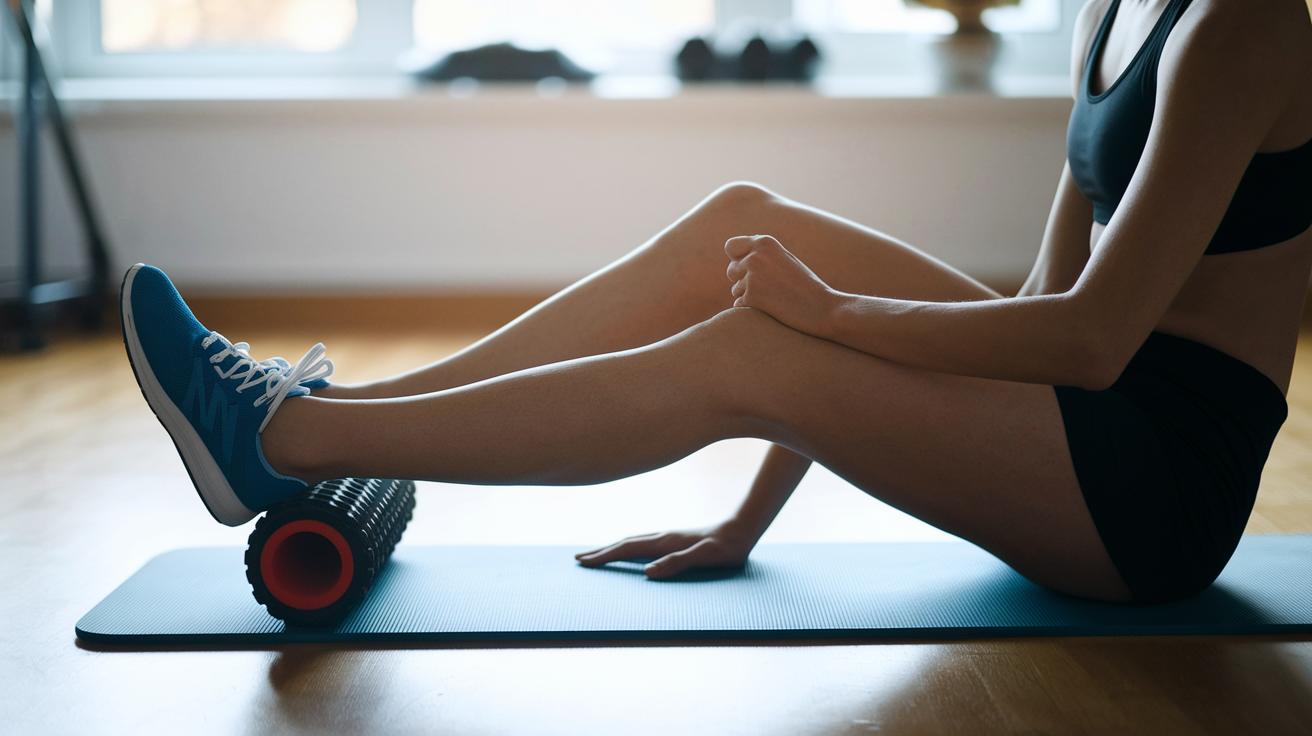
Start your recovery with foam rolling right after your workout, ideally within 20 minutes, and try to keep it up every day. Roll each target area slowly, about 1 inch per second, for 30 to 60 seconds to really let the muscle relax. For instance, when you focus on your quads, gently roll over the area with your foam roller and feel the tension ease out. It’s a great way to reduce soreness while keeping your muscles performing well.
Next, add some dynamic stretches to your routine. Think about doing leg swings, hip openers, and shoulder stretches with a smooth, controlled motion. These moves help to increase your range of motion and cut down on stiffness, easing your body back to its natural rhythm after a tough workout.
Remember though, don’t push too far. If you feel any sharp discomfort, back off a bit. Listening to your body is key, overstretching can actually put extra stress on your muscles and slow your recovery.
Topical Treatments and Hydrotherapy Adjuncts for DOMS Relief
After a tough workout, your muscles might feel sore and stiff. Instead of pushing through more strain, try some simple therapies that blend creams and water treatments to ease the discomfort. These techniques can help reduce the swelling and soothe that post-workout ache.
Below is a table showing four ways to support your recovery:
| Treatment | Method | How It Helps |
|---|---|---|
| Ice Packs | Apply a cold pack on the sore spots | Narrows blood vessels to cut down on swelling |
| Warm Baths | Soak in warm water | Increases blood flow and helps relax muscles |
| CBD Oil | Massage onto the affected areas | Modifies pain signals and eases tension |
| Magnesium Cream | Rub onto sore muscles | Helps muscles relax and reduces discomfort |
For the best results, timing matters. Use ice packs right after your workout to slow blood flow and calm inflammation. Later in the day, a warm bath can really help relax your muscles. You can also apply CBD oil and magnesium cream as part of your daily routine during recovery. Some even like to alternate between cold and warm treatments, about 10 minutes each, to boost blood flow and speed up muscle healing. This simple trick can keep you feeling better for longer.
Key Precautions and Best Practices for Safe Active Recovery

When you're easing into recovery, keep your workout below 50% of your maximum effort. Stick to gentle moves like a slow walk or some light cycling. Picture a relaxed bike ride where each pedal helps soothe your muscles instead of stressing them out.
Plan your week so that high-intensity sessions are balanced with plenty of rest. If you feel a sharp pain or sudden discomfort, stop right away, it’s your body's way of asking for a break. Listen to those little signals and give yourself the time you need to rebuild and gain strength.
5 active recovery for doms tips spark relief
Plan your training week to give your body both challenge and rest. For example, after two or three tough workout sessions, set aside 20–30 minutes for a gentle recovery day. You might enjoy a brisk walk, a light bike ride, or some easy stretching. This low-key activity helps your muscles flush out lactic acid and get fresh oxygen, easing that tight, sore feeling.
After each workout, rate your soreness on a scale from 1 to 10. This simple check lets you notice changes in muscle tightness or fatigue, so you can decide when it’s time to push harder and when to back off. Keeping track like this empowers you to fine-tune your exercise schedule and make sure each recovery day really works. In short, by mixing intense workouts with smart recovery, you build a plan that keeps you steady, strong, and safe from injury.
Final Words
In the action, we broke down how active recovery shifts your routine from total rest to low-intensity movement that reduces soreness.
This post covered everything from understanding DOMS, applying mobility drills, and using foam rolling to safe recovery practices and simple scheduling.
With research-backed active recovery for doms helping to clear lactic acid and ease muscle tightness, you're set to boost performance and feel stronger every day.
Keep moving and stay motivated, your body will thank you for it.
FAQ
Q: What are some effective active recovery exercises for DOMS?
A: The effective active recovery exercises for DOMS include light movements like brisk walking, easy cycling, gentle swimming, and a simple yoga flow. These low-impact activities boost circulation and help clear lactic acid from sore muscles.
Q: How can I ease sore muscles and speed up DOMS recovery after a workout?
A: The remedy for post-workout soreness involves active recovery techniques such as foam rolling, light stretching, and low-intensity cardio. These methods increase blood flow, helping to accelerate recovery and reduce discomfort.
Q: Is DOMS a sign of muscle growth?
A: The indication of DOMS means your muscles are experiencing microscopic stress, which can signal adaptation, but it is not a direct sign of muscle growth. Consistent training and good nutrition are key factors for gains.
Q: If I’m still sore after two days, should I work out?
A: The guideline for staying sore after two days is to choose a gentle active recovery session or rest. This approach avoids overloading tired muscles while still promoting improved blood flow for repair.
Q: How long should an active recovery session ideally last?
A: The ideal active recovery session lasts about 20–30 minutes. This time frame effectively increases blood circulation and helps remove lactic acid without stressing your muscles further.