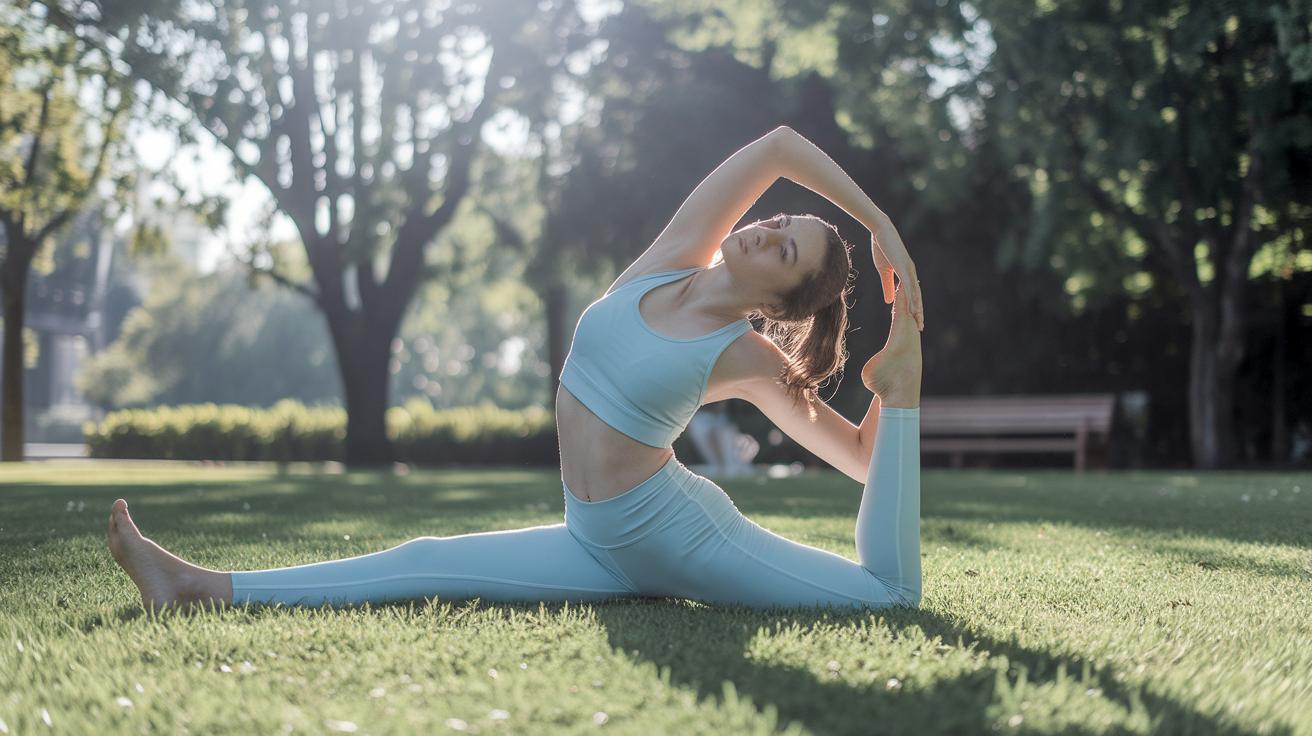
Ever thought your rest days might actually help build your muscles? Yoga for active recovery isn’t just time off from heavy workouts, it’s a smart way to help your body heal and refresh.
Try easing into gentle poses like Downward Facing Dog or Child's Pose after a tough session. These moves get your blood flowing, ease soreness, and help your muscles repair faster. In short, you stay active, boost your muscle energy, and get ready for your next challenge.
How Yoga for Active Recovery Works
Active recovery yoga is all about keeping your body moving gently on your rest days. It helps your muscles fix the tiny tears from hard workouts. When you try soft yoga styles like yin, hatha, or restorative, you’re inviting fresh oxygen and nutrients to ailing muscles. Try picturing yourself easing into a Downward-Facing Dog after an intense workout, it helps your body send new blood to repair those little muscle fibers and ease the soreness.
This form of yoga also acts like a calming cool-down routine after exercise. It slowly lowers your heart rate while letting your body recover without extra stress. By moving mindfully, you're not only filling up your muscles’ energy stores but also keeping your heart steady and strong.
Here are some recovery perks you can look forward to:
- Less muscle soreness and reduced swelling.
- Better delivery of nutrients to muscles that need healing.
- Sharper focus and calmness thanks to controlled, deep breathing.
Think of it as giving yourself a gentle stretch and a well-deserved cool-down. Every mindful breath is a step toward more balance and strength. Using yoga for active recovery means you stay active while giving your body the rest it needs to rebuild and get stronger.
Essential Yoga Poses for Active Recovery

After a challenging workout, taking a break with gentle yoga can give your muscles the care they deserve. By holding each pose for 6 to 8 slow, thoughtful breaths, you allow your body to relax, ease tension, and boost flexibility.
Child’s Pose (Balasana) helps ease tight back, hip, and thigh muscles while inviting a calm state of mind. Imagine sinking into a soft, comforting rest much like taking a quiet pause during a busy day.
Downward-Facing Dog (Adho Mukha Svanasana) stretches your entire body by forming an upside-down V. This pose helps improve blood flow and gives each muscle a refreshing feel.
Legs-Up-the-Wall (Viparita Karani) supports lymphatic flow and reduces tiredness in your legs. Simply lie back and let your legs rest vertically against a wall to invite a sense of deep relaxation.
Seated Forward Bend (Paschimottanasana) gently stretches your hamstrings and spine. As you slowly reach toward your toes, you can feel a soothing release in tight muscles.
Cat-Cow Stretch (Marjaryasana-Bitilasana) warms and mobilizes your spine. Alternating between arching and rounding your back helps you move in a smooth, rhythmic way, much like a gentle wave.
Pigeon Pose (Eka Pada Rajakapotasana) targets tension in the hips and glutes by softly opening up the lower body. This pose lets you ease built-up tightness and feel more at ease.
Together, these poses work hand in hand to reduce muscle soreness and build flexibility. When practiced thoughtfully, they recharge your body and keep you agile for the next workout.
Crafting a Post-Workout Yoga Sequence for Active Recovery
Start your cooldown with a simple 10-step flow that both helps your muscles heal and calms your mind. Begin with the Butterfly pose, holding it for six slow breaths as your hips open gently, much like the soft unfolding of a flower. Then, try the Cat-Cow sequence, alternate between arching and rounding your back for six smooth breaths. This flow wakes up your spine and signals your muscles to relax.
Next, settle into Child’s Pose to ease any back and hip tension. Move into Runner’s Lunge to stretch your quads and calves before flowing into a Wide-Legged Forward Fold, reaching toward your toes to soothe tight hamstrings. Keep the momentum going with Warrior I and Warrior II to build a bit of strength and balance. Follow up with Pigeon Pose to target those tight hips and glutes, setting your body up for deep, peaceful relaxation. When you’re ready, lie back in Shavasana to let your muscles absorb all the benefits in quiet recovery.
Doing this sequence three times a week on your rest days gives you a moderate workout while boosting long-term flexibility. You can adjust how long you hold each pose or even change the order to match your comfort and skill level, as if you’re fine-tuning a favorite recipe until it feels just right.
Modifying Sequence for Beginners
For those new to this flow, try shorter holds, omit any moves that feel too advanced, and consider using props like blocks or straps to support each pose comfortably.
Advancing the Flow for Experienced Athletes
If you’re more seasoned, spice up your routine by adding dynamic transitions, deepening the stretches, and extending your hold times to further challenge your body while still promoting recovery.
Integrating Yoga for Active Recovery Into Your Training Regimen
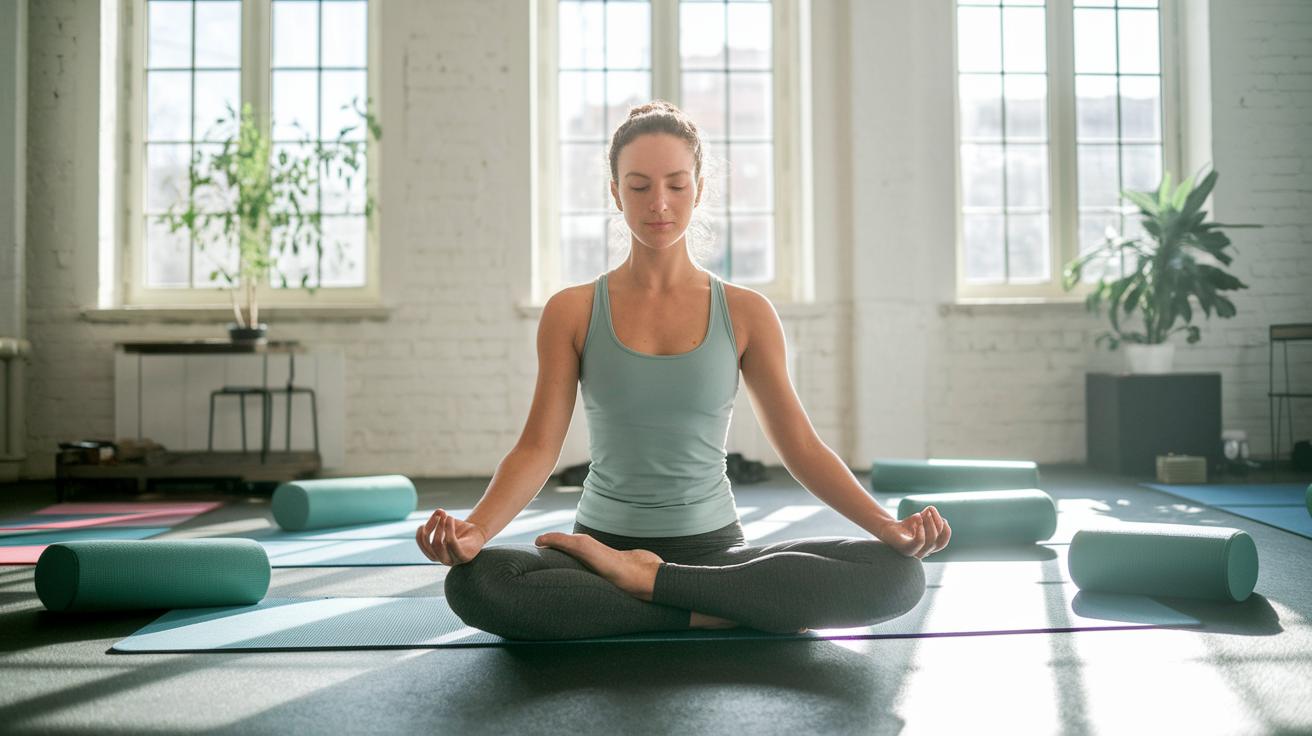
Schedule yoga on your easy days, aiming for three or four sessions each week so your muscles can chill out without extra stress. After a hard workout, I love watching my muscles relax as I move through soft, calming poses, it really helps me recover with every stretch.
Every week or so, try a dedicated yoga recovery session where you mix up the moves to match what your body needs. And don’t forget to drink lots of water and eat protein-packed foods afterward to give your body the fuel it needs to repair itself.
Expert Precautions and Modifications for Active Recovery Yoga
When you're doing active recovery yoga, sticking with low-intensity styles like yin or restorative yoga is a smart move. These gentle practices help ease muscle soreness without overworking your body. So, skip the power or vinyasa flows on your recovery days. And if you're dealing with injuries, pregnancy, or just a rough day, it's a good idea to adjust the poses and even get advice from a pro for safe modifications.
Using props like bolsters and blocks works wonders too. Think of them as an extra pair of helping hands that keep your alignment spot-on while reducing stress on your joints. For example, placing a block under your hand during a seated forward bend can lighten the load on your muscles.
Also, try to weave in mindful breathwork with each pose to tackle stress and tension. Focusing on calm, deep breaths can do wonders for relaxing both your body and mind. Remember, even small tweaks in your routine can boost your yoga flow and help you feel more refreshed.
Final Words
In the action, our write-up explored how yoga for active recovery supports muscle healing and reduces soreness. We looked at calming flows, essential poses, and even how to adjust routines for different levels. Each section shared practical tips to boost energy after workouts, whether at home or in the gym.
The information is designed to help you optimize your fitness routine while keeping it fun and safe. Keep moving, experimenting, and enjoying every stretch!
FAQ
Is yoga good for active recovery?
Yoga is good for active recovery because it boosts blood flow, eases muscle tension, and supports healing through gentle movements that reduce soreness and stress.
What type of yoga is best for recovery?
Gentle styles like restorative, yin, or hatha yoga work best for recovery; they focus on mindful movements that ease muscle tightness while promoting a calm state of mind.
How does yoga support recovery for athletes and those recovering from addiction or illness?
Yoga supports recovery by increasing circulation, reducing stress, and improving flexibility, which benefits athletes and others by enhancing physical healing and mental well-being.
What are some effective recovery yoga poses?
Effective recovery poses include Child’s Pose (Balasana), Downward-Facing Dog, and Legs-Up-the-Wall; these poses relax muscles, improve circulation, and help ease post-exercise soreness.
Is yin yoga suitable for active recovery?
Yin yoga is suitable for active recovery because its slow, deep stretches help ease muscle tension and boost joint mobility while promoting a mindful, gentle approach.
Which yoga style is best for releasing trauma?
Yoga styles like restorative or yin, which focus on deep breathing and gentle stretches, are best for releasing trauma by reducing emotional and physical tension.
Can beginners start yoga for active recovery?
Yes, beginners can start active recovery yoga using simple sequences and modified poses to gradually build flexibility, ease soreness, and boost confidence.
Where can I find a yoga sequence for active recovery?
Resources like Recovery Yoga Adriene provide structured, easy-to-follow sequences that guide you through poses designed to relieve muscle tension and promote relaxation.