Ever wondered why some athletes seem to dodge the soreness after a tough workout? New recovery techniques help your muscles bounce back faster. Simple moves like a light walk or using pressure wraps make your body clear out toxins and calm inflammation quicker.
This article shows how these smart methods can support your muscles after a hard session. By tweaking your routine just a little, you might push harder and feel better every time. Give these ideas a try and feel the difference!
How Enhanced Recovery Techniques Boost Post-Workout Adaptation and Performance

If you've ever wrapped up a tough workout and felt the soreness creeping in the next day, you know recovery is key. Enhanced recovery techniques help speed up muscle repair and ease that post-exercise ache. They work by flushing out waste, easing inflammation, and boosting blood flow so your body can mend itself faster. For example, a simple walk or a relaxed bike ride after a session, often called active recovery, helps clear out lactate from your muscles, making the healing process smoother and quicker.
Another handy method is compression therapy. This approach uses tight garments or special devices to gently squeeze your muscles and veins. It improves blood flow, reduces swelling, and feels a bit like giving your muscles a supportive, healing hug after a hard workout.
Then there's cryotherapy, which cools down your muscles to lessen inflammation and cut down pain. On the other hand, hydrotherapy, whether it's plunging into cold water, soaking in a warm bath, or alternating between the two, helps settle your heart rate and circulation. Each of these methods tackles recovery from a different angle, from clearing toxins to calming inflammation.
| Modality | How It Works | Recovery Benefit |
|---|---|---|
| Active Recovery | Light movement to boost blood flow | Helps clear lactate quickly |
| Massage | Pressure from hands or foam rolling | Relieves muscle tightness |
| Compression Therapy | Controlled pressure on muscles | Improves circulation and reduces swelling |
| Cryotherapy | Cooling down muscle tissues | Lessens inflammation |
| Contrast Hydrotherapy | Switching between hot and cold water | Balances circulation and soothes soreness |
These techniques give you an extra edge in recovering from hard workouts, so your body gets back in the game faster. Ever tried a recovery method like this? It might be the difference between next-day soreness and feeling ready for your next challenge.
Nutrition Strategies Supporting Enhanced Recovery for Intense Training
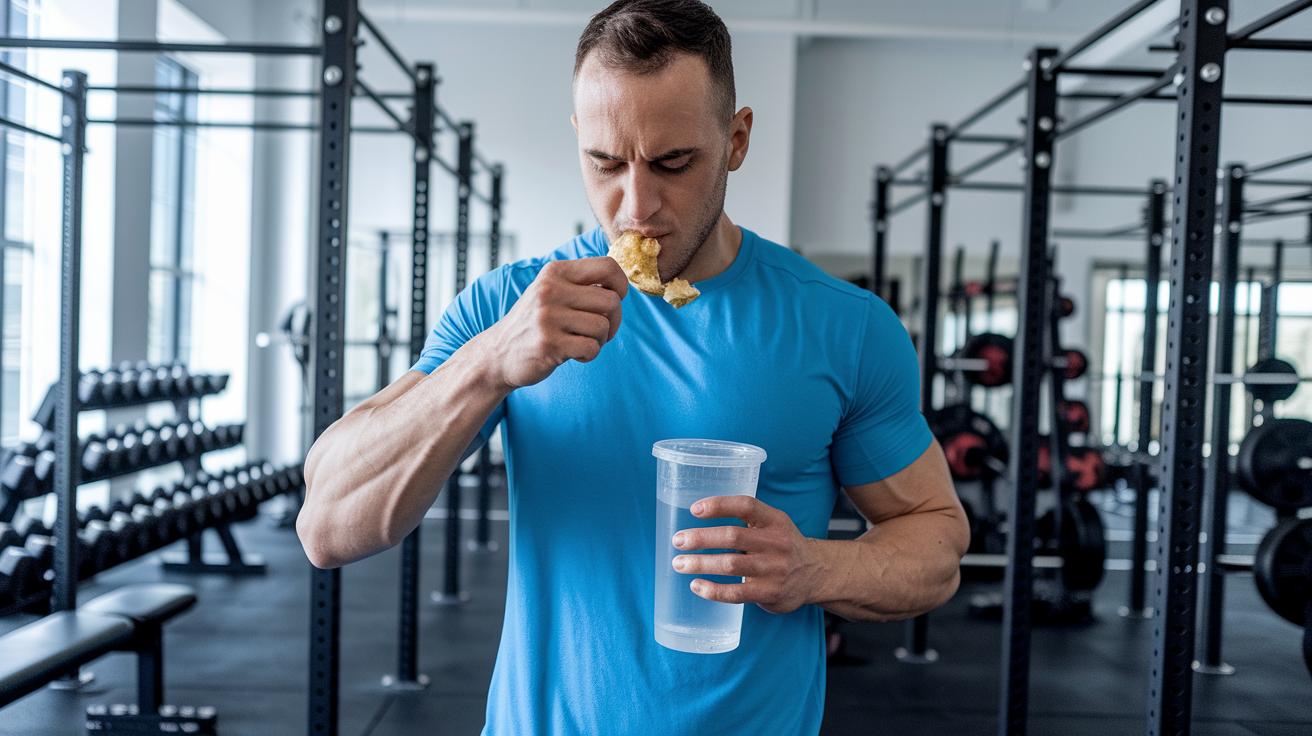
Right after a big workout, your body craves a good mix of nutrients to help your muscles bounce back. Eating a meal with a 3:1 ratio of carbs to protein within 45 minutes can jumpstart the process by refilling your energy stores and kickstarting muscle repair. Think of it like quickly recharging your phone when the battery is low.
About 20 to 40 grams of high-quality protein works hard to rebuild those tiny muscle fibers that get tired during your workout. It’s like giving your car that much-needed fuel before hitting the road again. Adding branched-chain amino acids (BCAAs), fancy nutrients that help reduce muscle damage, can also ease the soreness you might feel later.
Antioxidants such as vitamins C and E help calm your muscles by fighting off free radicals, almost like putting on a soothing lotion after an intense session. Omega-3 fatty acids are great too because they help reduce inflammation, which means less swelling. And don’t forget Vitamin D, which supports muscle repair and keeps inflammation in check.
Matching these nutrient-packed strategies with a well-balanced meal sets the stage for a smoother recovery and gets you ready to tackle your next intense training session with renewed energy.
Hydration and Electrolyte Management for Optimal Recovery After Intense Workouts
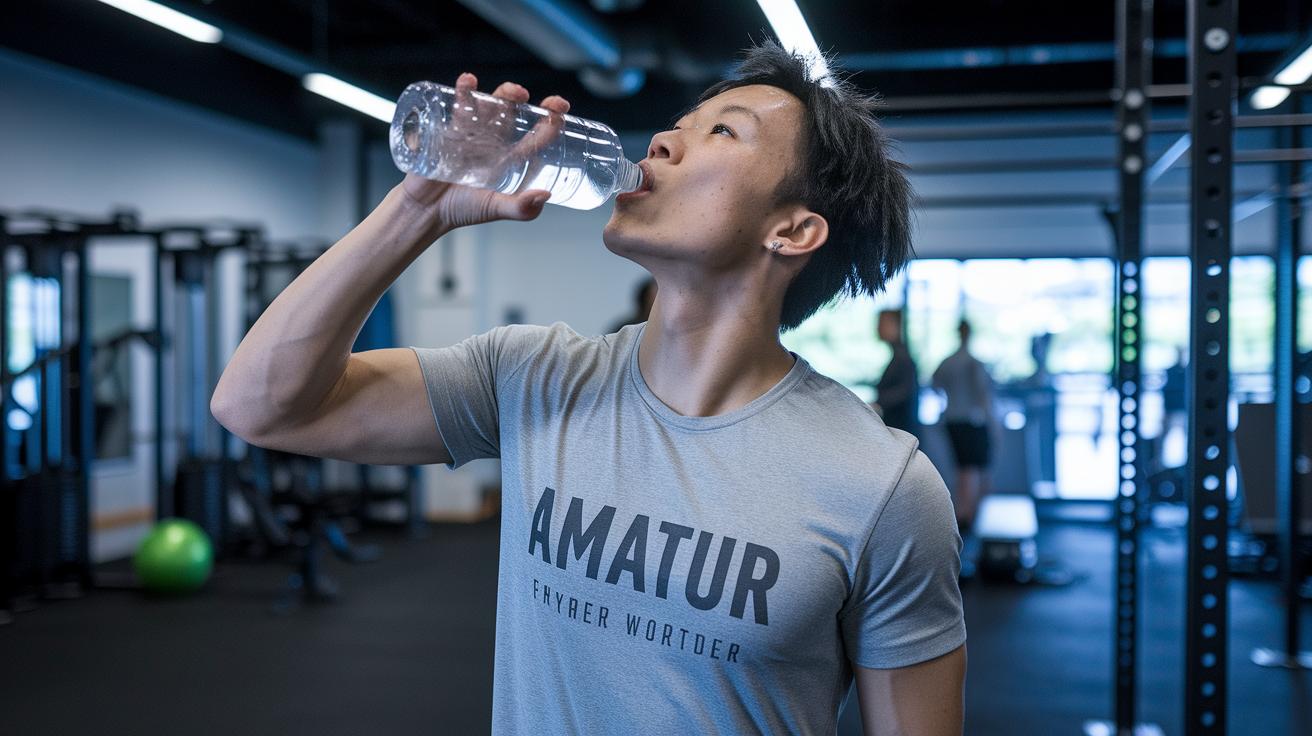
After a hard workout, your body really needs to rehydrate. Drinking enough water helps refill your fluids, deliver important nutrients, and flush out waste from your muscles. Try to drink about 1.2 liters of water for every liter you lose through sweat, and aim to do that within two hours. I remember after a challenging spinning class, I made sure to drink plenty of water, kind of like filling up your car’s gas tank to keep it running smooth.
Electrolytes also matter a lot. They’re the minerals like sodium, potassium, and magnesium that help your muscles work right. A drink that has about 0.5 to 0.7 grams of sodium per liter and 3 to 7 grams of carbs per liter can speed up how fast your body soaks up the fluids, which lowers the chance of getting cramps. When your sodium, potassium, or magnesium levels drop, your muscle contractions can get sluggish and you might feel wiped out. Plus, staying hydrated helps your stomach move food along, so the nutrients from your meal reach your muscles just where they’re needed.
Following these simple hydration and electrolyte tips can help reduce those pesky cramps and fatigue after working out. In short, getting your fluids and minerals right sets you up for a smoother recovery, so you’re ready to take on your next challenge.
Maximizing Recovery Through Sleep Quality and Stress Relief Tactics

Getting seven to nine hours of good sleep is like giving your muscles a gentle hug. That sleep time helps your body release growth hormones, which start the repair and rebuilding process after a hard workout. Think about it as your secret sauce for mending and refreshing your body.
When you skip on sleep, your body might produce too much cortisol, a stress hormone that can hold back recovery and even lead to injury. One simple trick is to check your resting heart rate variability over a few days. A buddy of mine tried this and noticed small changes, so he switched up his sleep routine and felt the difference soon.
Try out some calming activities like meditation, gentle breathing, or yoga to help keep stress in check. After you exercise, take a deep breath in, hold it for three counts, and slowly breathe out. This quick trick helps clear your mind, relax your muscles, and lift your mood, making your recovery even smoother.
In short, by focusing on quality sleep and simple stress relief moves, you’re tuning your body’s natural clock and keeping your stress hormones balanced. This balanced approach not only clears your mind but also speeds up muscle recovery, so you’re all set for the next challenge!
Physical Modalities: Active Recovery, Massage, Compression, and Cryotherapy for Accelerated Healing
Active Recovery Techniques
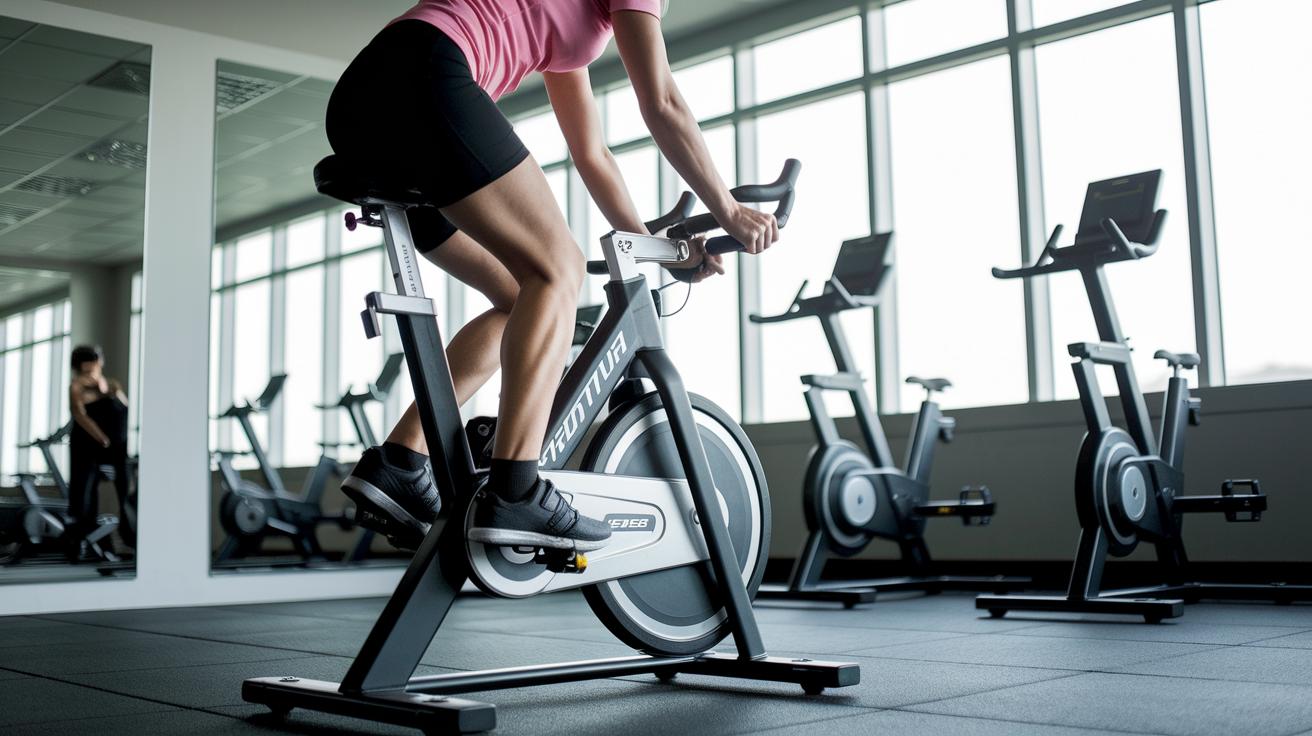
Mixing low-key exercise with a burst of moderate effort can really help your body clear out waste. For example, try cycling gently for 15 minutes at about 40% of your top heart rate right after your workout. Ever been surprised by how a short active session can cut down lactate buildup by 10% more than just resting?
Massage and Myofascial Release
Instead of just rolling on a foam roller, you might opt for vibration tools or targeted hand techniques to work on your muscles. One study even found that holding pressure on your sore spots for about 20 seconds can make a big difference in how quickly you feel better. So, next time, focus on those tender areas and give them a good, steady press.
Compression Therapy
Newer methods involve adjusting compression based on your arm or leg size, which can really boost blood flow. Some devices let you tweak the pressure, and tests have shown up to a 15% faster recovery rate when it's set just right. Try using a compression sleeve that fits your muscle size for that extra recovery boost.
Cryotherapy and Hydrotherapy
The latest plans mix cold and warm water treatments in a smart way. Research suggests that alternating between a chilly dip and a warm soak helps ease inflammation and muscle pain. For instance, spending about 10 minutes in water at 12°C followed by 4 minutes at 39°C can really help your recovery. You might even experiment with a cycle ratio of 3:1 between cold and warm to see what works best for you.
| Modality | Mechanism | Recovery Benefit |
|---|---|---|
| Active Recovery | Light activity helps clear out lactate | Makes your body remove waste faster |
| Massage | Manual or vibrating techniques on muscles | Relieves tension and speeds up recovery |
| Compression Therapy | Adjustable pressure for better blood flow | Reduces swelling and quickens recovery |
| Cryotherapy | Cold water to lower muscle heat | Helps reduce pain and inflammation |
| Contrast Hydrotherapy | Switching between cold and warm water | Improves circulation and eases muscle fatigue |
Final Words
In the action of boosting recovery, we've explored key methods to repair muscles and balance metabolic needs after hard workouts. We broke down lifting techniques, active recovery drills, and strategies that include hydration, nutrition, and smart sleep habits to reduce soreness and muscle fatigue.
Integrating these steps not only improves strength but also builds the benefits of enhanced recovery after intense workouts. Small changes lead to big improvements, keeping you strong and motivated every day.
FAQ
Frequently Asked Questions
Q: Why is recovery important after exercise and what does it mean?
A: Recovery after exercise is crucial because it repairs muscles, clears waste, and reduces inflammation. It prepares your body for the next workout and boosts long-term performance.
Q: What benefits does active recovery provide after exercise?
A: Active recovery, like light cycling or walking, increases blood flow and speeds up lactate clearance. It helps reduce soreness and supports quicker muscle repair.
Q: How does rest and recovery impact athletes and older adults?
A: Rest and recovery give muscles time to rebuild and lower stress levels. This approach is vital for athletes and people over 40 to maintain strength and avoid overexertion.
Q: How does recovery contribute to muscle growth?
A: Recovery allows muscle tissues to repair and rebuild, which can lead to increased muscle size. Adequate rest, hydration, and nutrition all play a role in this process.
Q: What is the 3 3 3 rule for working out?
A: The 3 3 3 rule is a timed routine with three minutes for warming up, three minutes of high-intensity work, and three minutes to cool down. It helps balance effort with recovery.
| Modality | Mechanism | Recovery Benefit |
|---|---|---|
| Active Recovery | Boosts blood flow and aids lactate clearance | Reduces soreness and speeds muscle repair |
| Massage | Enhances circulation via manual techniques | Eases tension and lowers stiffness |
| Compression Therapy | Applies snug pressure to promote fluid movement | Cuts down swelling and removes metabolic waste |
| Cryotherapy | Uses cold to lower muscle temperature and inflammation | Soothes pain and reduces inflammation |
| Contrast Hydrotherapy | Alternates hot and cold immersion to stimulate circulation | Refreshes muscles and decreases fatigue |