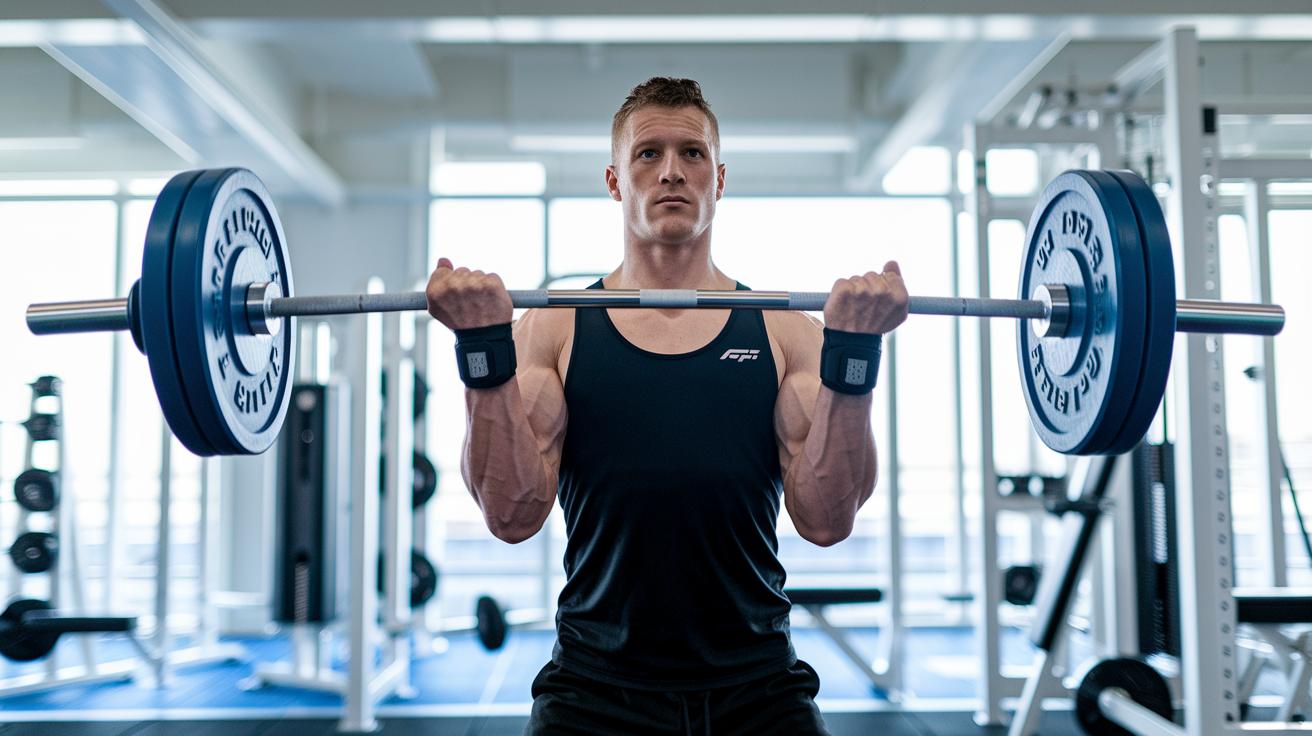
Ever feel like your lower back needs a little extra support? It’s easy to worry about getting hurt when you try new gym exercises. But a smart lower back routine can turn that worry into real strength.
This guide shows you simple moves that work key muscles supporting your spine, like the erector spinae (the muscles that help keep you upright) and the multifidus (small but mighty muscles right along your back). You'll learn how to do exercises such as back extensions and weighted bird dogs, which build a steady, supportive core.
Imagine feeling the burn as you build a stronger base with each rep. Ready to work out smarter and feel safer in the gym? Let’s dive in and power up your back together!
Gym-Based Lower Back Workout for Strength and Stability

When building a strong lower back, it’s key to work on the muscles that support your spine. Muscles like the erector spinae, multifidus, quadratus lumborum, and psoas help you handle gravity and keep your body steady, whether you’re doing simple moves or pushing through a tough session. Keeping your movements controlled and your spine in a neutral position is essential for a safe and effective workout.
A main exercise in this routine is the back extension on a hyperextension bench. Try doing 3 sets of 8 to 12 reps, making sure your hips stay in line with the pad and your feet are secure. This move not only builds your back strength but also keeps your core tight. One athlete mentioned that, by slowing down his reps, he could really feel each muscle working, which helped improve his form.
Next up, add weighted bird dogs into your session by performing 8 to 10 reps on each side. This exercise challenges your core and back muscles while also testing your balance and focus. Finish off your workout with front and side planks, holding each for 30 to 45 seconds to further boost core stability and spinal control. Think of it as stacking blocks, each exercise builds on the previous one, creating a solid base of lower back strength.
This routine fits perfectly with other workouts to help improve overall stability and resilience. If you’re looking for more variety, check out the “Full Body Strength Workout” to expand your gym-based strength training.
Gym Equipment and Setup for Lower Back Exercises
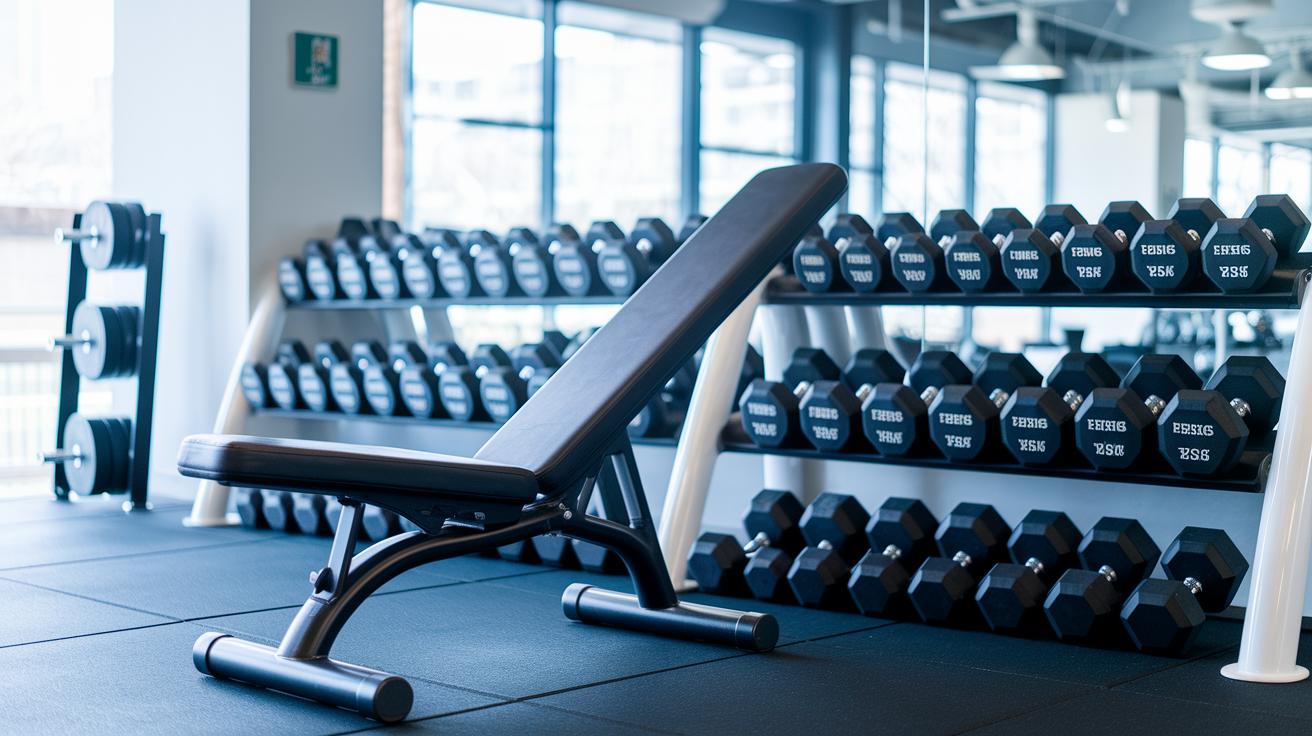
Start by setting up a workout space that focuses on your lower back. Gather a hyperextension bench, barbells with weight plates, dumbbells or kettlebells, and some resistance bands. When using your bench for back extensions, make sure it’s the right height so your hips sit right at the edge and your feet stay secure. This helps you keep a neutral spine without extra strain.
If you’re new to exercises like Good Mornings, begin with a PVC pipe or an unloaded bar. As one trainer said, "It’s like learning to walk before you run, mastering basics keeps you safe." Once you feel confident, try using barbells for deadlifts and Good Mornings or dumbbells for swings and Romanian deadlifts to work different muscles at once.
- Set up your resistance bands for banded back extensions and face pulls to wake up your smaller stabilizing muscles.
- Make sure every piece of equipment is arranged naturally, like building blocks perfectly stacked together.
Key Strength Training Exercises for Lumbar Muscles
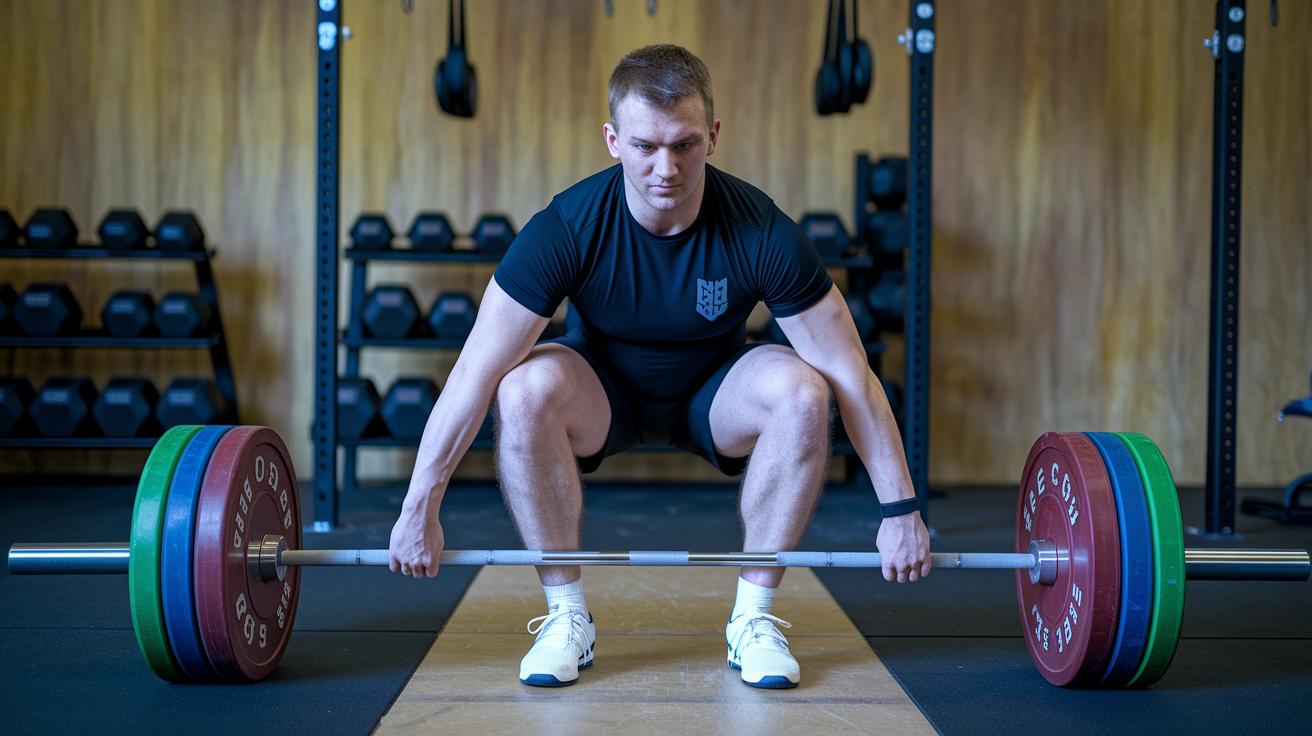
Start with the deadlift. Grab a barbell and complete 3–4 sets of 6–10 repetitions. Keep your hips moving like a smooth, straight door hinge and remember to keep your back neutral. This move works your lower back muscles, glutes, and hamstrings, all of which help keep your spine strong.
Next, try the Romanian deadlift using dumbbells or a barbell. Do 3 sets of 8–12 reps and slow down as you lower the weight to really stretch your hamstrings while boosting flexibility in your lower back. One lifter once said, “Taking it slow made me feel every muscle work together.”
Then, move on to barbell Good Mornings. Start out with a PVC pipe or an empty bar until you’ve got the form down, then work towards doing 3 sets of 10 reps. This exercise gets your back and legs working as a team, which is key for good posture and overall stability.
After that, hit the hyperextension bench for back extensions. Aim for 3 sets of 12–15 reps, and add a weight plate when your form is solid. This move zeroes in on your back extensors to boost your lower back strength.
For a dynamic finish, do kettlebell swings. Perform 3 sets of 15 swings to build endurance while keeping your back engaged and your muscles firing.
Also, include the glute-hamraise (often called the Nordic Curl) for 3 sets of 6–8 reps. It’s a tough move but really helps to fortify your hamstrings and lower back.
Finally, test your core and balance with bear crawls. Move in a controlled manner for 2 sets of 30 seconds, making sure every step challenges your balance and strengthens your midsection.
Rehabilitation and Pain Relief Exercises for Lower Back in the Gym

Begin your back rehab with moves that ease tension and improve mobility without putting too much strain on your body. Try starting with the glute bridge. Lie on your back and gently lift your hips. Do two sets of 10 to 15 reps. It can feel like a soft, refreshing reset for your back.
Next up, give the bird dog a go. Whether you're on a bench or a mat, balance your body as you extend your opposite arm and leg. Aim for two sets of 8 to 10 reps on each side while keeping your spine steady. Think of it as reaching out in two ways at once, which really helps with balance.
After that, warm up your spine with the cat-camel stretch. Get on all fours and slowly arch then round your back for 10 smooth repetitions. Then, lie on your back for the knee-to-chest stretch. Pull one knee in at a time and hold for 20 to 30 seconds. This helps to ease tension in your lower back.
To let your muscles unwind, mix in some static stretches. Hold a child’s pose and a seated spinal twist for 20 to 30 seconds each. This gives your back a chance to relax after working hard. Finally, focus on core stabilization by alternating between a figure four stretch and a forearm plank, do each one for 30 seconds over two sets. These exercises work together to build strength and balance in your back.
Dynamic Warm-Up and Mobility Drills for Lower Back Support

Start by getting your heart pumping with about 5 minutes on the treadmill or rowing machine, keeping it brisk but comfortable. This quick cardio boost not only speeds up your heart but also helps relax the muscles around your back, setting you up for deeper stretches.
Next, give your core some love with 30-second holds in front, side, and reverse plank positions. These moves wake up the muscles that keep your spine and pelvis steady, giving you a strong base for more mobility work.
Then try the Cat-Cow Stretch. Spend a few moments on your mat doing 10 slow, controlled repetitions, arch your back on the way in and round it on the way out. After that, jump into the World’s Greatest Stretch. Do 5 reps on each side: get into a lunge, add a twist, and reach up overhead to open up your hips and upper back.
Wrap up your warm-up with the Hamstring Straight Leg Raise. Aim for 2 sets of 8 reps on each leg to get your hamstrings and glutes warmed up. Finally, spend 1 to 2 minutes with some banded hip distractions using a light resistance band to boost your hip flexibility and set your alignment right.
Form, Safety Measures, and Injury Prevention for Lower Back Workouts
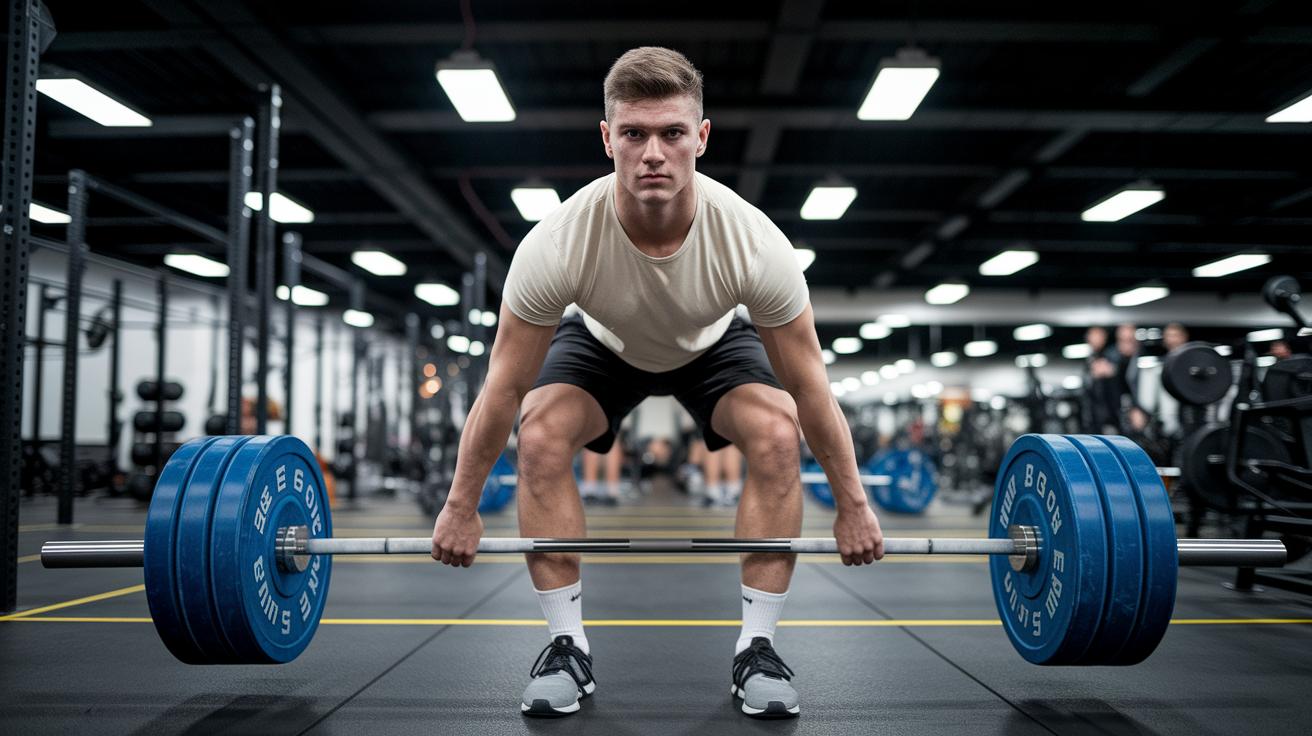
Always keep your form clean and safe when you work out. For example, when doing deadlifts, don’t let your back bend like a bow. Instead, think about lifting your chest a bit, pulling your shoulders back, and bracing your core. Imagine a gym buddy cheerfully reminding you, "Keep it straight, just like a door hinge!" It’s also wise not to lift too heavy if you're not ready, because controlling the weight is way better than risking an injury.
Before you jump into any heavy work, warm up properly. A few minutes of stretching and gentle movement can make all the difference. Skipping this step might lead to muscle strains or that all-too-familiar discomfort. Try to rest for about 2–3 minutes between intense sets and let your back get a full 48-hour break after a tough session to really let those muscles recover.
While you’re at the gym, use the safety gear available. A spotter can be a real lifesaver, and tools like safety pins are great when you’re doing exercises like rack pulls or good mornings. Adding some postural drills like wall slides or scapular retractions can work wonders too. These moves strengthen your upper back and help support your lower back during your workout.
Don’t forget to keep your breathing in check, too. Breathe in as you lower the weight and breathe out when you push through or lift. This simple rhythm not only makes your workout feel smoother but also keeps your core tight and stable.
- Keep your back straight and avoid rounding it
- Always use safety tools and equipment available
- Add correction drills into your routine for better posture
Stick with these tips each time you train to lower your risk of injury and build a stronger, healthier back.
Progression Strategies and Recovery Techniques for Lower Back Training
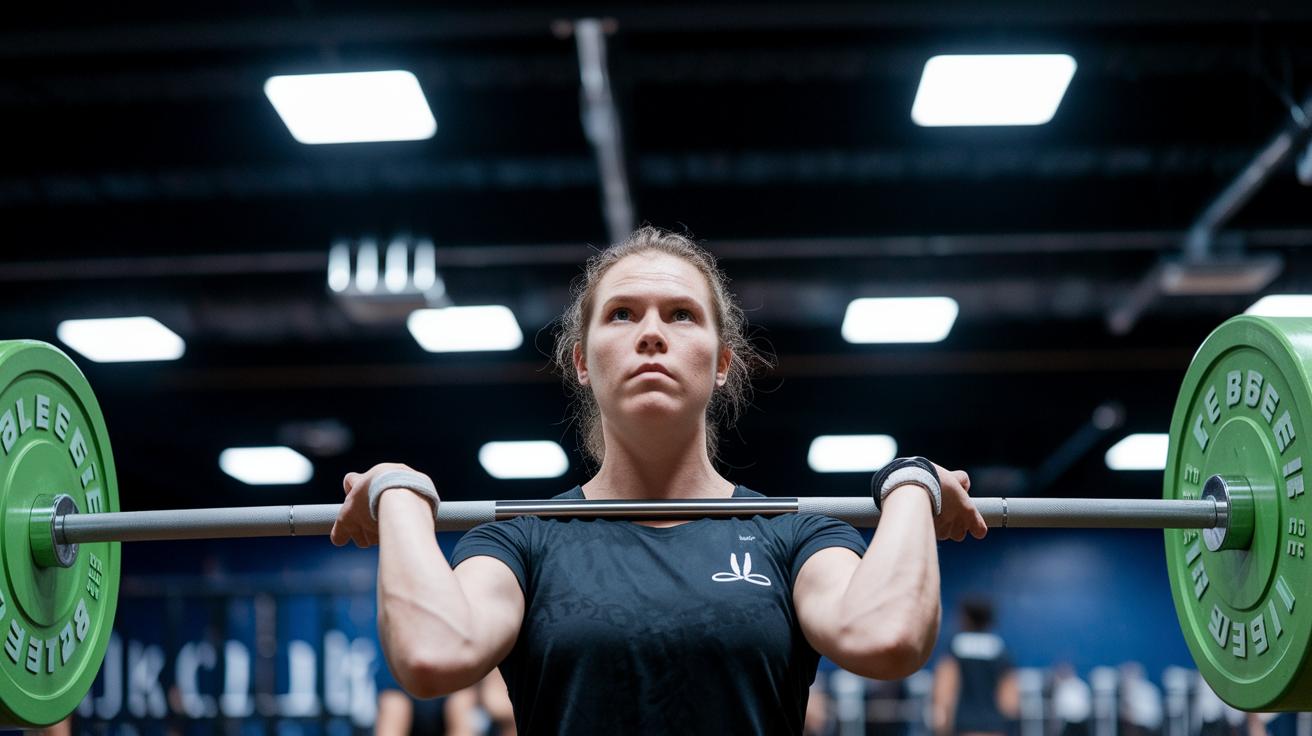
Boost your workout steadily by adding 5–10% more weight or reps each week. This means keeping a close eye on your progress and tweaking your routine as you get stronger. For example, after a few sessions, try adding 5 extra pounds to your deadlift, you might notice that little extra push with every rep.
Mix in quick movement breaks during your day. Think mini-planks or a few band pull-aparts to keep your muscles active until your next full workout. These little bursts of exercise work like friendly reminders to stay moving, just like adding a few extra stretches when your day gets busy.
Plan easy, active recovery sessions on days off. Try light cycling, a brisk walk, or even a round of foam rolling to help boost blood flow and ease any soreness. If you enjoy low-intensity workouts on off-days, check out these Active recovery workouts for more ideas.
- Take 1–2 full rest days each week to give your body time to recover.
- On these rest days, consider joint support supplements like Curcumin C3 Complex®, UC-II® Collagen, and Bioperine® to help manage inflammation.
- Set aside 2–3 sessions each week for flexibility work by holding stretches for 30–60 seconds to keep your muscles feeling refreshed.
Final Words
In the action, the post outlined a complete lower back gym workout designed to build strength and stability through various exercises and proper equipment. It broke down key lifts like deadlifts and planks, provided safe form cues, and included dynamic warm-ups. Readers were guided through using resistance bands, hyperextension benches, and recovery techniques, making it easier to tackle each session confidently. Keep pushing forward with this practical plan, knowing every move works toward a stronger, healthier lower back.
FAQ
How do I build a lower back gym workout with weights?
The lower back gym workout with weights involves exercises like deadlifts, good mornings, and Roman chair back extensions that target key muscles to improve strength and stability.
What gym equipment is best for lower back exercises and strengthening?
The best equipment includes a hyperextension bench and dumbbells, which allow for controlled back extensions and rows that safely target the lumbar muscles.
What lower back exercises are recommended for females at the gym?
Lower back exercises for females emphasize controlled moves like back extensions, dumbbell rows, and light deadlifts to gently build strength and enhance overall stability.
How can I perform an effective lower back workout at home?
An effective at-home lower back workout uses bodyweight exercises like glute bridges, bird dogs, and planks that strengthen the lower back without needing heavy equipment.
What is the 3-3-3 rule in gym workouts?
The 3-3-3 rule in gym workouts organizes training into three sets, three exercises, and three days each week, ensuring balanced development and consistent strength gains.
Which exercises best target the lower back muscles?
Exercises such as the Roman chair back extension, bent-over row, deadlift, good morning, seated cable row, and squat directly target the lower back to build balanced strength and improved posture.